A former nurse from Cardiff has opened up about her journey of fighting cancer with “all guns blazing”.
Heulwen Wyatt, 60, was diagnosed with oesophageal cancer three years ago despite “feeling well”.
“That day is imprinted in my mind,” Heulwen said.
“I remember watching the screen of the endoscopy and seeing a lump. When I asked the consultant what the problem was, he said it looked like cancer, which came as a huge shock.
“When I went for the CT scan, that’s when I started shaking, and it began to hit me that this was a huge diagnosis.”
Heulwen’s mother was in hospital at the time, she had a father living with Parkinson’s and two young adult children and a husband to look out for, so one of her first thoughts was: “I don’t have time for this.
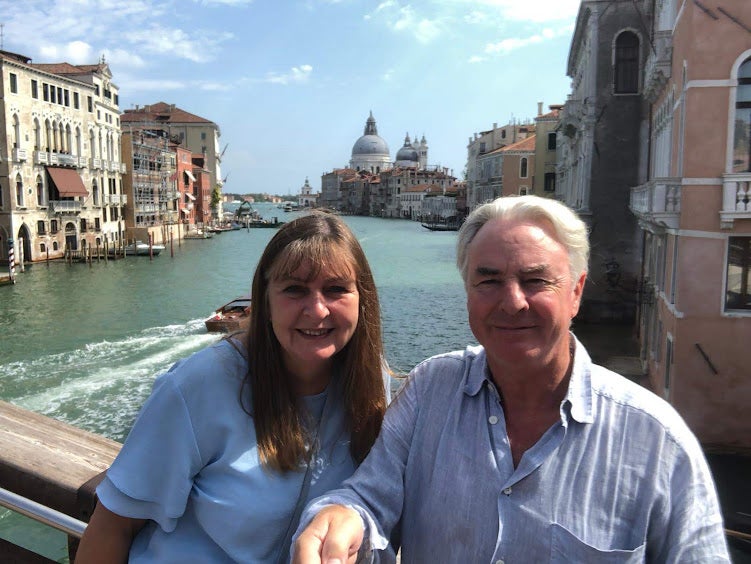
“I remember immediately my attitude was like cancer, you picked the wrong person. I’m up for a fight and haven’t got time for cancer,” shared the stoic Welsh mum. “I certainly didn’t have time to die as I was integral to our family.
“There were too many people who relied on me, so I was having none of it. So that’s why I went in all guns blazing.”
It was a close friend who suggested giving the tumour a nickname.
“I named mine Lucifer because it was the enemy,” said Heulwen. “It wasn’t part of me, and it had to go.”
Despite her nursing background, Heulwen didn’t have much prior knowledge about oesophageal cancer and recurring indigestion was the only indication that something might be wrong.
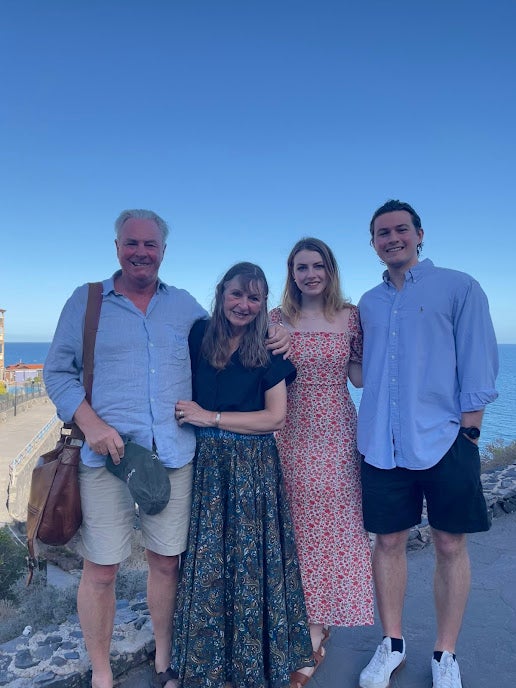
“I started to get increasing indigestion in the summer of 2022, but on the whole, I was feeling well,” reflected Heulwen. “I was still working and hadn’t lost any weight, wasn’t feeling tired or wasn’t experiencing any pains. I only asked for an endoscopy because I thought that I might have a hiatus hernia.”
Heulwen also didn’t match the typical risk-profile criteria for people who usually develop this type of cancer.
“Traditionally, this sort of cancer affects men, heavy drinkers and smokers. I was teetotal until I was 30, I’m not a big drinker at all, and I’m certainly not a man and I’ve never handled a cigarette, I wouldn’t even know how to light one,” said Heulwen.
“So, I felt a little bit put out that I’d ended up with this sort of cancer. I felt cheated.”
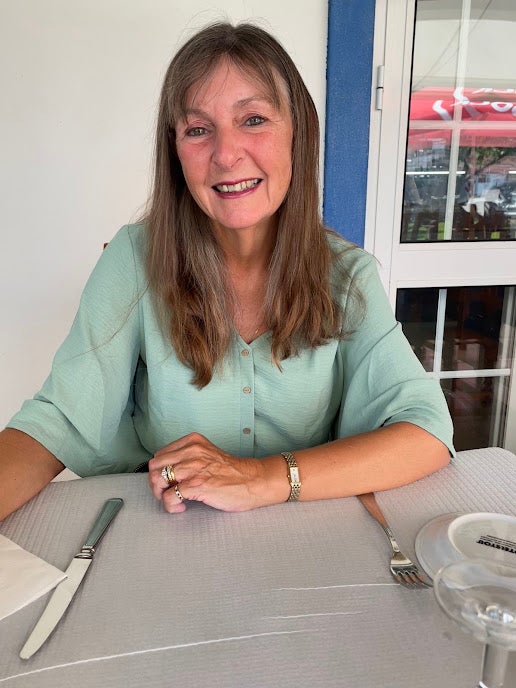
She was offered a structured prehabilitation plan on the NHS in Cardiff and made attending the Tuesday and Friday prehab sessions a priority.
Prehabilitation is a programme of support and advice that some NHS hospitals are using, and prehab means getting ready for cancer treatment in whatever time you have before it starts, according to Cancer Research UK.
It covers three particular parts of your health: what you’re eating and your weight, physical activity or exercise and mental wellbeing.
However, the former nurse recognises that this is not offered as a formal scheme to everyone in the country, so has teamed up with Abbott to shine a light on the global healthcare company’s new Prehabilitation Method.
This new guide offers practical advice on how people can use the time between diagnosis and treatment to prepare through nutrition, exercise, and mental health support.
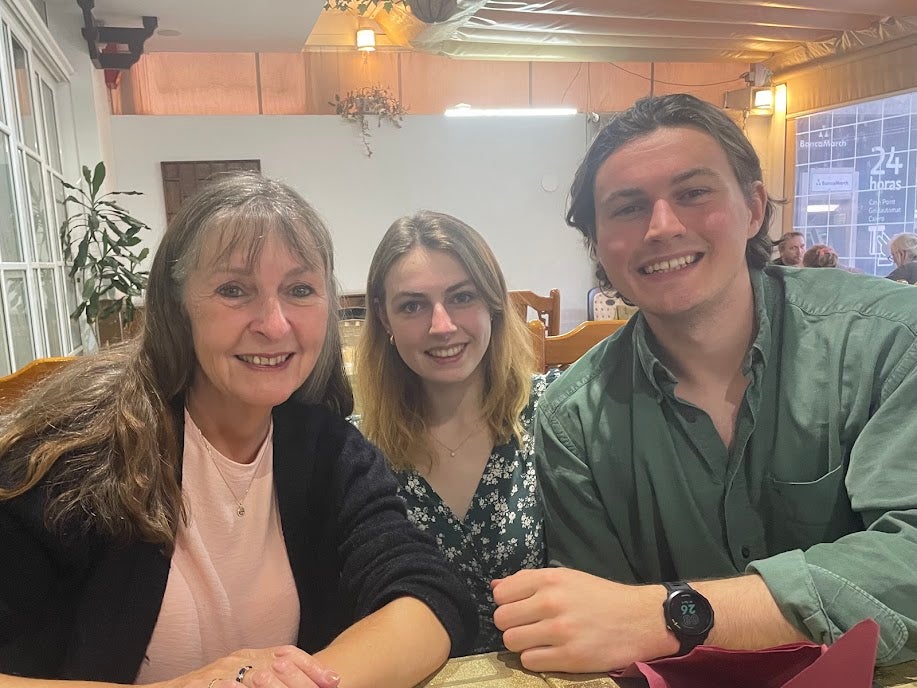
“Prehabilitation wasn’t just about physical preparation; it was about building emotional resilience,” said Heulwen. “Cancer tries to rob you of control, but reclaiming it – through prehabilitation, professional guidance, and emotional strength – is empowering. Now, I take comfort knowing I’ve done everything I could to achieve success.
“For anyone facing this fight, I encourage you to seize every opportunity and embrace every piece of advice from those trained to help.”
After five cycles of chemotherapy and radiation, in April 2023, Heulwen finally had major surgery to remove the cancer.
“I had the Ivor Lewis oesophagectomy, which is a two-stage surgical procedure for removing part of the oesophagus (food pipe) and reconstructing the digestive tract,” explained Heulwen.
“It’s one of the biggest planned operations that you can have and mine took 12 hours.”
Although the operation was a success, it led to an array of long-term changes.
“I don’t have much of a stomach now, and it’s got its own mind,” said Heulwen. “I can only eat toddler-sized portions, so I have to eat about six times a day and I’ve lost about four and a half stone.
“The big thing that they say about this particular operation is that it’s not a sprint, it’s a marathon, as it takes about 12 months to recover.”
Heulwen highlighted that the hardest part of it all was having to give up her career as a clinical nurse specialist in paediatric dermatology.
“I had just reached the peak of my career, and then it was snatched away from me,” said Heulwen. “I received the Stone Achievement Award for contribution to dermatology nursing and had all of these visions of what I wanted to go on to do, but then I got diagnosed with cancer and that was suddenly the end.
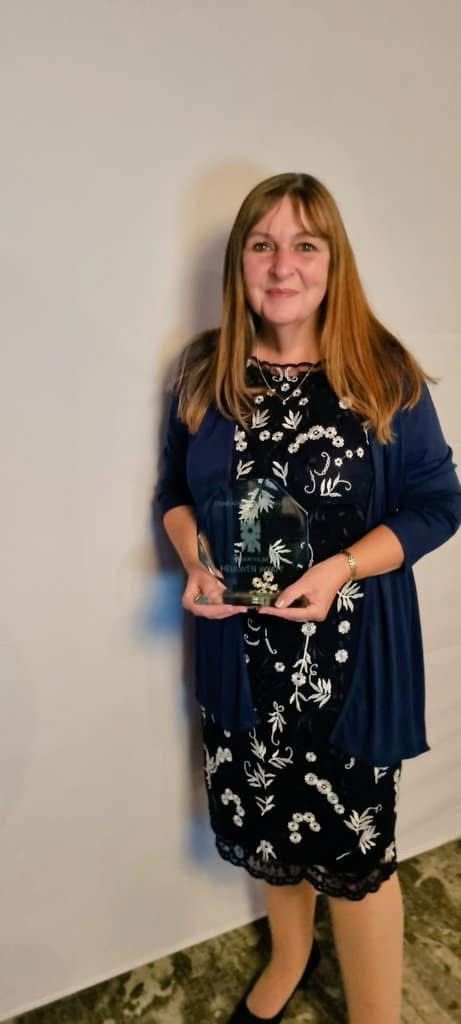
“I felt angry that cancer had taken that away from me, that degree of control, because I felt that I had a lot more to give.”
However, over time, she learnt how to channel this frustration into something positive.
“I’ve had opportunities to use my experience in nursing, public speaking and lecturing, to raise awareness about this type of cancer and the importance of prehab,” said Heulwen.
I’ve been able to support a number of patients going through this and have been able to reassure them that it’s going to be okay.”
Main symptoms of oesophageal cancer
NHS
There are many possible symptoms of oesophageal cancer, but they might be hard to spot.
They can affect your digestion, such as:
- having problems swallowing (dysphagia)
- feeling or being sick
- heartburn or acid reflux
- symptoms of indigestion, such as burping a lot
Other symptoms include:
- a cough that is not getting better
- a hoarse voice
- loss of appetite or losing weight without trying to
- feeling tired or having no energy
- pain in your throat or the middle of your chest, especially when swallowing
- black poo or coughing up blood (although these are uncommon)
Heulwen is now in remission, with no evidence of cancer remaining in her body, but still has to have regular procedures such as having her oesophagus stretched open.
“I can’t walk like I used to and I live from painkillers to painkillers, but I know that the only thing that I can control is my attitude,” said Heulwen.
“I don’t feel sorry for myself, and I just think, well, I’m so fortunate to be here and know that every single day is precious.
“It’s frightening, but the more you speak about it and fight it, the less control it’s got. Cancer might have messed up my body, but it’s not going to mess up my mind.”
For more information on The Prehabilitation Method, visit www.prehabmethod.com.