TOKYO (Reuters) - Central banks may see the impact of their monetary policies diminish significantly if Facebook's Libra cryptocurrency becomes widely used in their countries, a former Bank of Japan executive warned on Friday.
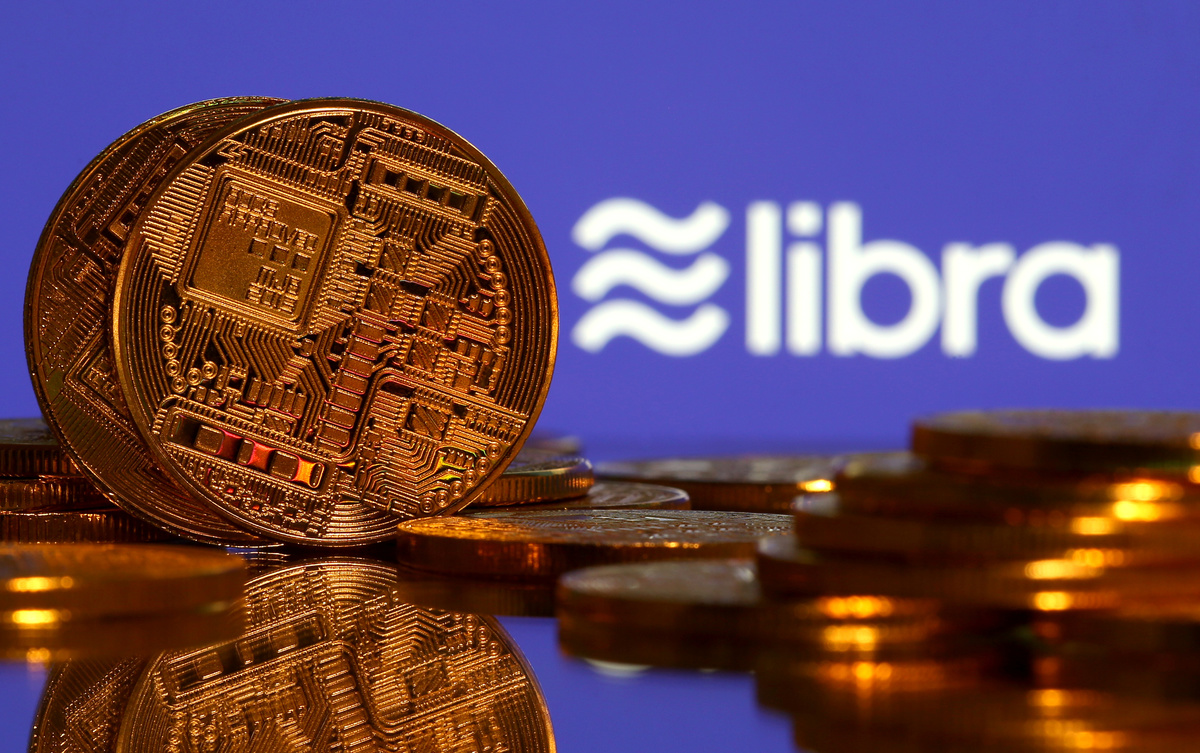
Global policymakers have raised alarm over Facebook Inc's <FB.O> plan to issue Libra, concerned that the tech giant's ambitions for a new global cryptocurrency may weaken their control over monetary and banking policies.

"If Libra becomes more widely used than the sovereign currency of a particular country, the effect of monetary policy may be severely undermined," said Hiromi Yamaoka, former head of the BOJ's division overseeing payment and settlement systems.
While Yamaoka did not say whether he thought Libra would succeed as a cryptocurrency or not, he said its adoption could trigger or accelerate capital flight in countries where market trust in their currencies is low, as it gives users an easy way to move money out.
"It won't be a big problem for countries that enjoy strong market trust in their currencies," Yamaoka said.
"Still, the emergence of Libra would pressure policymakers to discipline themselves," and ensure they don't take measures that undermine the value of their currencies, he told Reuters.
Currently a board member at IT consulting firm Future Corp, Yamaoka oversaw the BOJ's research into digital currencies and is well versed in cryptocurrencies.
Under Facebook's plan, Libra would be backed by a reserve of real assets such as bank deposits and short-term government securities that would be denominated in major currencies.
Any change in the composition of assets could move markets, including exchange rates, which are a source of concern for policymakers as it encroaches on currency policy, Yamaoka said.
Policymakers must coordinate regulation globally given such new payment tools allow money to cross borders easily, he said.
"Any inconsistency in rules among countries creates a loophole that renders the rules ineffective," Yamaoka said.
The G7 finance ministers and central bankers warned last month that digital currencies such as Libra raise serious concerns and must be regulated as tightly as possible to ensure they do not upset the world's financial system.
Despite concerns over money laundering and privacy protection, prohibiting the launch of Libra altogether would be difficult and counter-productive, he said.
"It might be difficult for Facebook to launch Libra in the first half of 2020, as initially scheduled. But it's easy for other operators to create something similar," he said.
"There's no way to stop innovation."
(Reporting by Leika Kihara and Takahiko Wada; Editing by Sam Holmes)