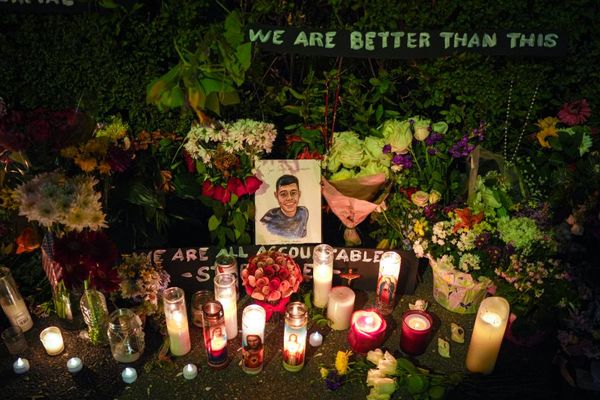
The cause of death for former child actor Blake Garrett has been revealed more than five months after he died at age 33.
According to US Weekly, from the documents they have obtained from the Office of the Chief Medical Examiner in Tulsa, Oklahoma, Garett's probable cause of death was acute fentanyl toxicity.
The medical examiner ruled his death an accident and found no other significant medical conditions that contributed to his death.
His mother, Carol Garett, told TMZ in February that the How to Eat Fried Worms actor had died Feb. 8 in Tulsa, Oklahoma.
Before his death, Garett's mother told TMZ that he had recently sought emergency medical care for severe pain and was diagnosed with shingles. She also said that he had been maintaining his sobriety in recent years.
The medical examiner's report also noted that he was residing in a sober living home at the time of his death.
What Is Acute Fentanyl Toxicity?
Acute fentanyl toxicity occurs when enough fentanyl enters the body to overwhelm the brain and respiratory system, slowing or stopping breathing. Fentanyl is a synthetic opioid that is approximately 50 times more potent than heroin and up to 100 times stronger than morphine.
In medical settings, fentanyl is prescribed to treat severe pain, particularly after surgery or for advanced cancer. However, illicitly manufactured fentanyl has become a major driver of overdose deaths because it is often produced without quality controls and can be mixed into other drugs without a person's knowledge.
Because of its potency, even a small amount may suppress breathing enough to become fatal, especially in someone without an opioid tolerance.
Why Fentanyl Is So Dangerous
Opioids work by binding to receptors in the brain that regulate pain, reward, and breathing. While they can effectively relieve pain, excessive amounts can depress the respiratory center in the brainstem, causing breathing to become dangerously slow or to stop altogether.
Fentanyl is involved in the majority of opioid overdose deaths in the United States. Many overdoses occur because people unknowingly consume fentanyl after it has been mixed into counterfeit prescription pills or illicit drugs such as cocaine, methamphetamine, or heroin.
This contamination means even individuals who do not intentionally use opioids may be exposed to potentially lethal doses.
Recognizing the Signs of an Opioid Overdose
An opioid overdose is a medical emergency. Common warning signs include:
- Slow, shallow or stopped breathing and heartbeat
- Extreme drowsiness or inability to wake up
- Pinpoint pupils
- Blue or gray lips and fingernails due to lack of oxygen
- Cold or clammy skin
- Vomiting
- Limp or weak body
- Unresponsiveness or unconsciousness
Health officials recommend calling emergency services immediately if an overdose is suspected. Administering naloxone, an opioid overdose reversal medication, as quickly as possible can restore breathing and save a person's life.
Pain Management Requires Medical Guidance
Garrett's death also highlights the importance of seeking appropriate medical care for severe pain rather than relying on medications from unknown sources. Counterfeit pills sold online or on the street may contain fentanyl even when marketed as legitimate prescription drugs.
For people experiencing severe or persistent pain, physicians recommend working with a health care provider to identify safe and effective treatment options while avoiding medications that have not been prescribed or obtained through licensed pharmacies.
Education, access to treatment for substance use disorders, and wider availability of naloxone remain critical tools in preventing overdose deaths.