It’s winter and automatically many wine drinkers reach for the shiraz. There’s something about red wine and its association with open fires, cold nights and hearty food that make it winter’s go-to drink. Plus, red wine is full of antioxidants, which support the immune system and can help us get through the cold and flu season.
But there are alternatives to big heavy reds like shiraz that suit a colder climate. Even white wine is fine on winter days, if you make the right selection and don’t serve it too chilled.
If you are wanting to try a great winter white, start by buying some viognier. It’s mid-weight and aromatic, and is often fermented in barrels to give that comforting brown spice element. In terms of taste, if you closed your eyes, you could be drinking a mid-weight red wine instead of a white. Yalumba Y series viognier is arguably the best available, based on price to value, and will cost you about $15 a bottle.
For something altogether more expensive and alluring, the 2013 By Farr viognier will leave many red wines in its wake for weight, complexity and interest. This retails for about $55.
As white wine ages, it broadens and offers a deeper, fuller expression. Riesling is a classic variety that ages well. The 2007 Pewsey Vale Contours costs about $27 and is the aged release from Pewsey Vale. Its deep lemony notes and suggestions of honey will remind you of summer. An alternative if you are not a riesling drinker is the 2012 Moorooduc Estate Chardonnay. It offers gutsy flavour without being swamped with wood and ripeness. This will cost $40 and be worth every single cent, especially if you can cook a roast chicken to go with it.
It’s important to remember that just because you are drinking white wine, it doesn’t mean you need to drink it at 4C. Let it warm up a little – don’t be afraid to have a glass of white wine that is not straight from the fridge.
If the idea of drinking white wine in winter – particularly at room temperature – is a bridge too far, then are some great reds to try that make a change from shiraz.
Grenache is delicious any time of year but particularly in winter. Its home is South Australia – at least that is where the most consistent and exciting examples hail from. Grenache is like a big supple juicy pinot noir, so if you love that variety and find yourself wanting more oomph in your glass, grenache should be your go-to grape.
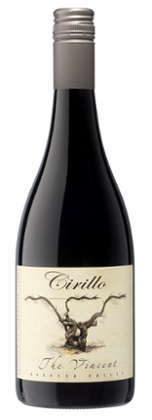
Whilst you happily have lots to choose from, the 2012 Cirillo The Vincent grenache from the Barossa is terrific value at about $22. It’s bright, floral and seductive. For something easily accessible try D’Arenberg The Custodian which will cost about $19, and for special occasions the 2012 Izway Three Brians Grenache is wondrous, as it should be for about $70.
Italian inspired wines are wonderful to drink in the winter time. I know that is a ridiculously general statement, but the tannins and acid of some of the grapes is hard to beat as you chomp on some slow-cooked lamb and winter vegetables.
Nebbiolo will be lovely and the 2013 Casa Freschi Ragazzi is beautiful. It has a sweet and bright red fruit taste, like ripe raspberries, but it’s the tannin that makes this wine so good with food. Expect to pay about $26 for this lovely example of Australian nebbiolo.
If you want a little more grunt, look out for the Fighting Gully sangiovese from Beechworth. It’s darker, firmer and more concentrated and will fill a similar role to the nebbiolo, at the same price. For special occasions, consider the 2008 Pizzini Rubacuori sangiovese. It’s the best Australian sangiovese I’ve ever had and will cost you $110.
None of these options are particularly challenging (perhaps just the price tags) but they shouldn’t be forgotten as we habitually reach for the big Aussie shiraz fruit bomb to keep us company this winter.