
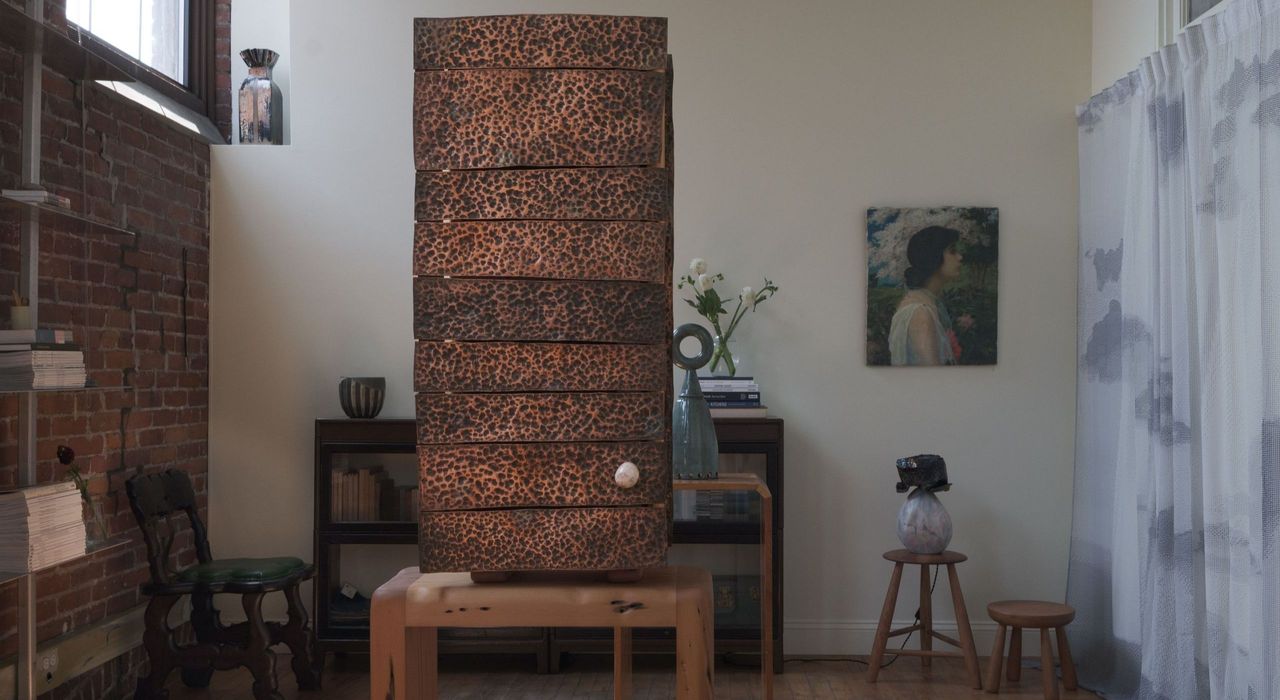
We have been taught that the layout of a space, and particularly that of a home, will irremediably define our decor choices. But what if that didn't have to be the case? Kate Swanson, the founding designer of Burlington-based gallery and practice Nurture by Nature, looks to the curation she puts into showcasing makers and artists' work as the main inspiration for her interior design projects, letting the objects and artifacts she uncovers through the former directly inspire the latter.
"I treat each exhibition as a spatial composition rather than a presentation. Constructing relationships between objects and people," she tells me. A burgeoning designer and gallery owner, she does the same when conceiving domestic environments, because "that's where the work becomes more human, more alive."
The group showcases that she organizes on-site seek, like her home and hospitality commissions, resist "the idea that everything needs to be visible, legible, or immediately understood," Swanson adds. "Instead, they ask you to notice slowly, and to grow familiar with them over time, like something that reveals itself the longer you're in a relationship with it."
You know when you meet a person, and you feel immediately drawn to them, but the friendship, the bond that connects you to them, only develops with patience and care? She asks. Well, "that same thinking carries into interiors," Swanson affirms. "Not everything needs to speak at once. In fact, it's usually stronger when it doesn't."
What's One Vision of Interior Design You Feel Especially Strongly About Right Now?
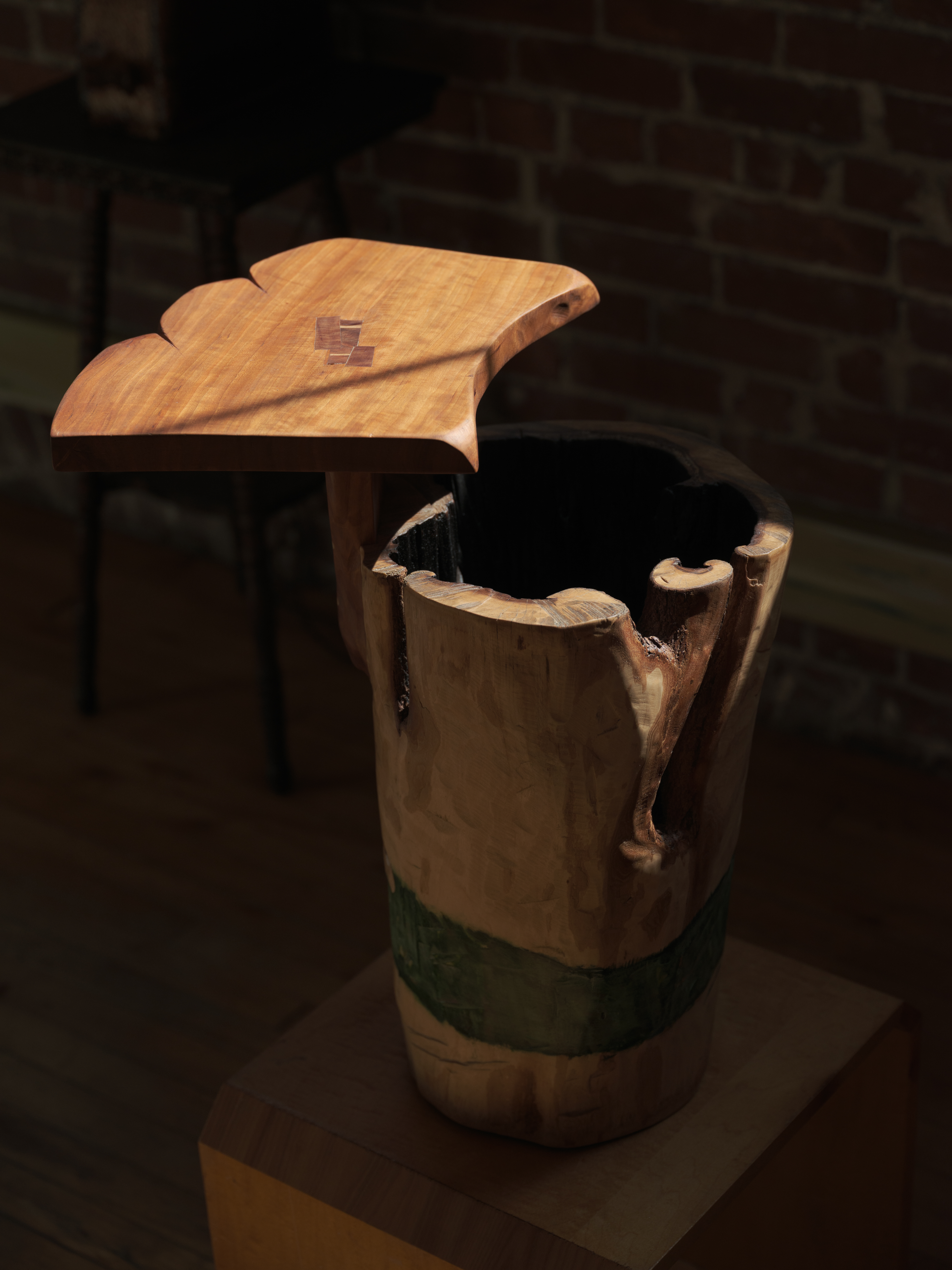
"My work is grounded in a gallery-led approach to interiors. The gallery is a Vermont-based design space featuring contemporary craft and collectible work by artists and makers, presented through curated exhibitions and an evolving roster available for bespoke commissions. It functions as both a point of discovery and a point of origin for the work.
"Rather than beginning with layout or decoration, interiors start with people and objects, makers, a clear point of view, and pieces that carry presence. The work is first curated and presented through the gallery, where it is either collected or becomes the foundation for a bespoke commission. From there, the space builds outward."
What Are Some of the Perks of Embracing That Approach Within the Home Space?
"Through the gallery, I'm continually developing and nurturing relationships with artists and fabricators. Those relationships aren't adjacent to the work; they are the work. When I bring a piece into a project, it's about who made it, how it was made, and the human presence it carries into the space.
"I care deeply about this because we're living in a moment where so much of our environment is disconnected from the people who created it. There's a loss of material awareness and human connection. Makers are often treated as vendors when, in reality, they are creative collaborators. The gallery re-establishes that connection, creating a direct exchange and shaping interiors that feel considered rather than consumed.
"When applied within the domestic environment, this vision of interiors allows the home to become more like a collection — something that is built over time and evolves constantly, not assembled all at once. Within this framework, each piece holds weight, reflects a relationship, and nothing is there by accident."
Concretely, How Can a Gallery-Led Approach Enrich Your Interior Scheme?
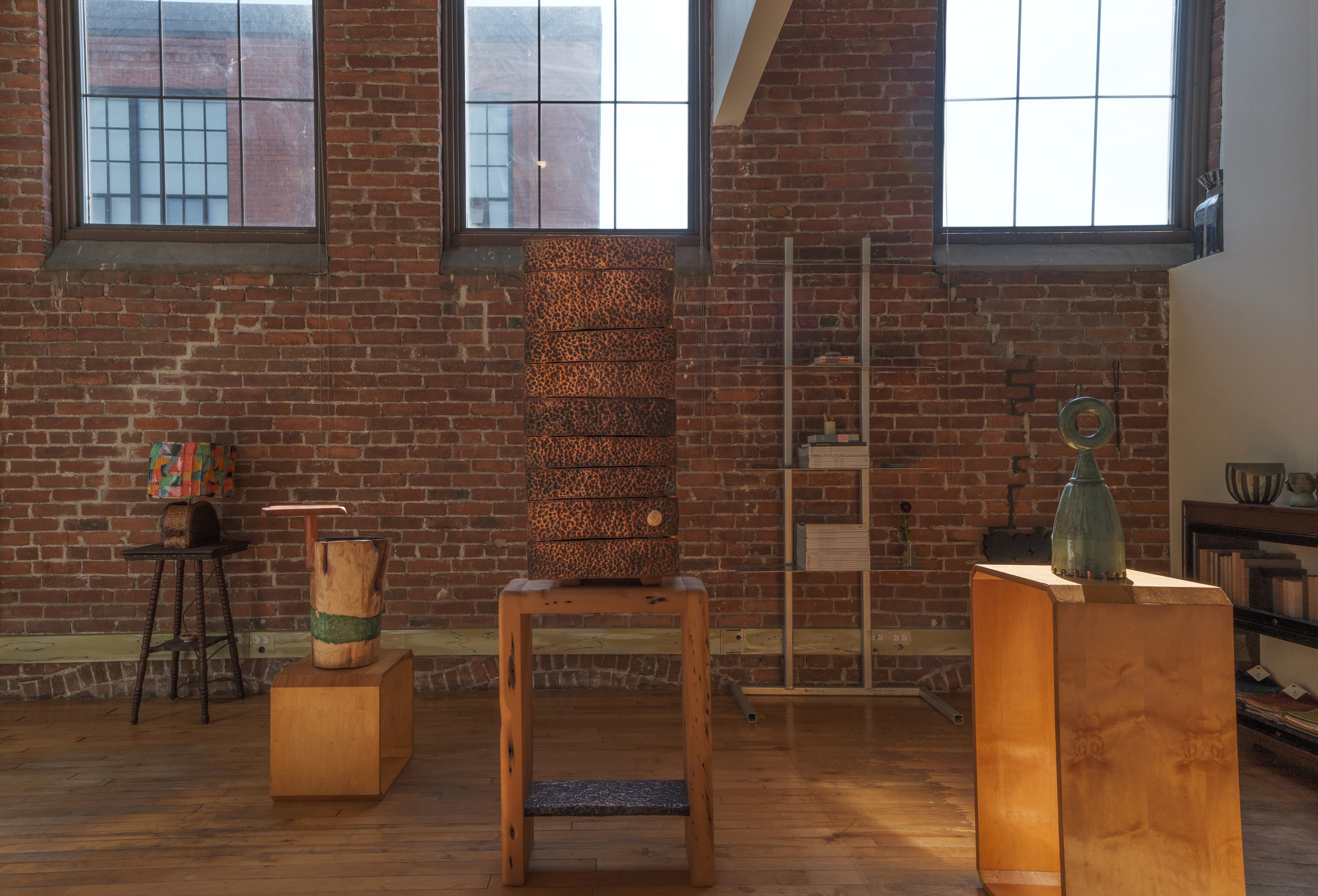
"It improves interiors by shifting the focus from influence to authorship, or more simply, the people behind the objects, the maker, their process, and their point of view. In a design landscape shaped by constant visual repetition and digital saturation, it's easy for spaces to become assembled from references rather than rooted in anything real.
"I'm less interested in asking 'what is this made of?' and more interested in 'who made this, and who are they?' That shift brings humanity back into the process. It also creates a deeper connection between the object and the person living with it, which makes for a more meaningful and lasting part of the experience of the space."
What Urge Does Your Work Seek to Fulfill By Putting Individual Pieces and People First?
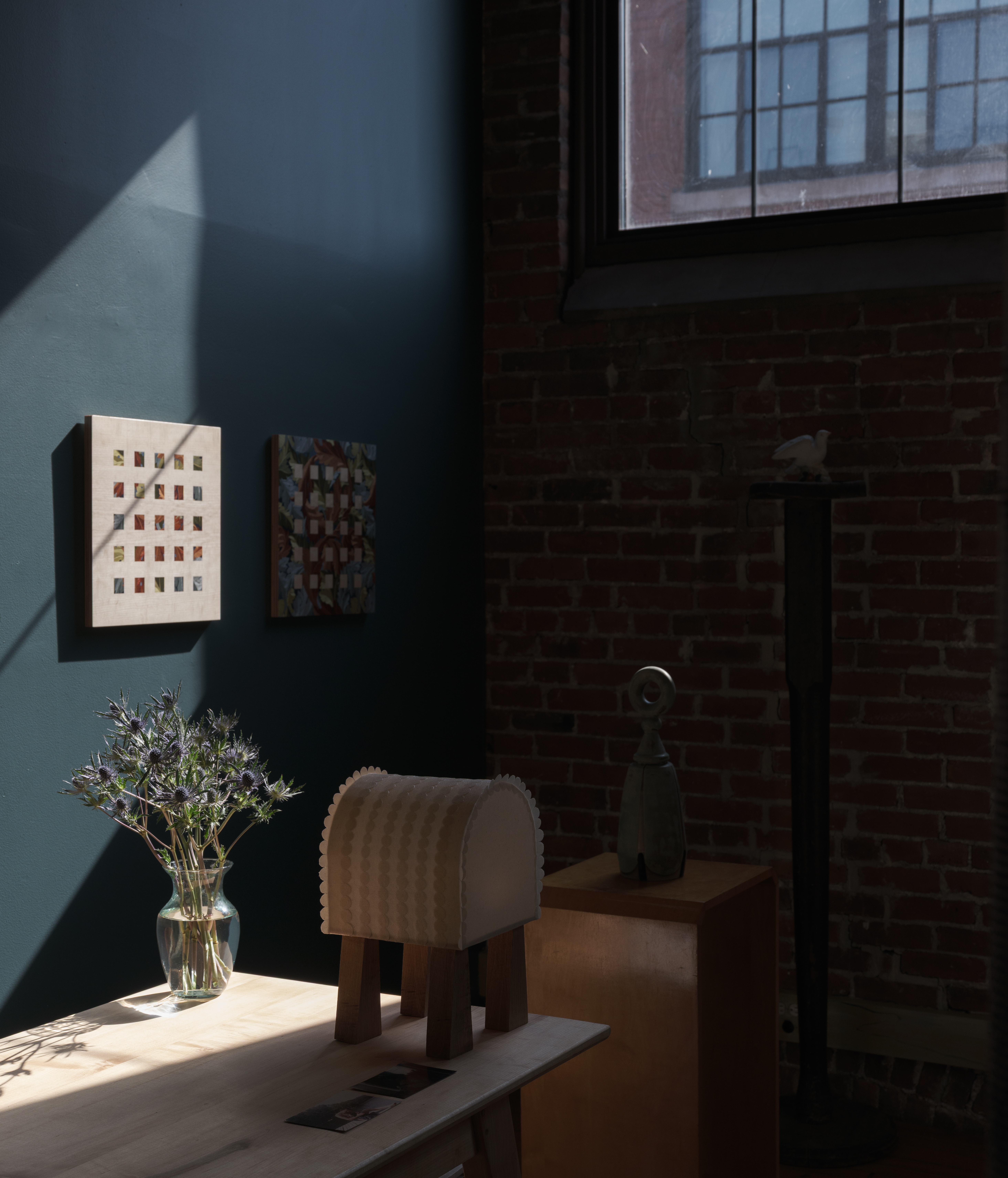
"A gallery-led approach to interiors feels increasingly relevant in a design landscape shaped by over-influence and constant visual repetition. When everything is accessible, referenceable, and instantly replicable, spaces can lose their sense of authorship and human connection.
"By grounding interiors in relationships with makers and objects that carry a material and a personal identity, the work resists that flattening. I focus on bespoke and custom pieces developed in direct collaboration with makers, so they feel embedded in the space rather than applied to it. In doing so, the result becomes less about assembling a look and more about composing something collected, specific, and rooted in real people, real making, and intentional design decisions."
What, Instead, Would You Recommend Avoiding to Keep a Room or House Inspiring?
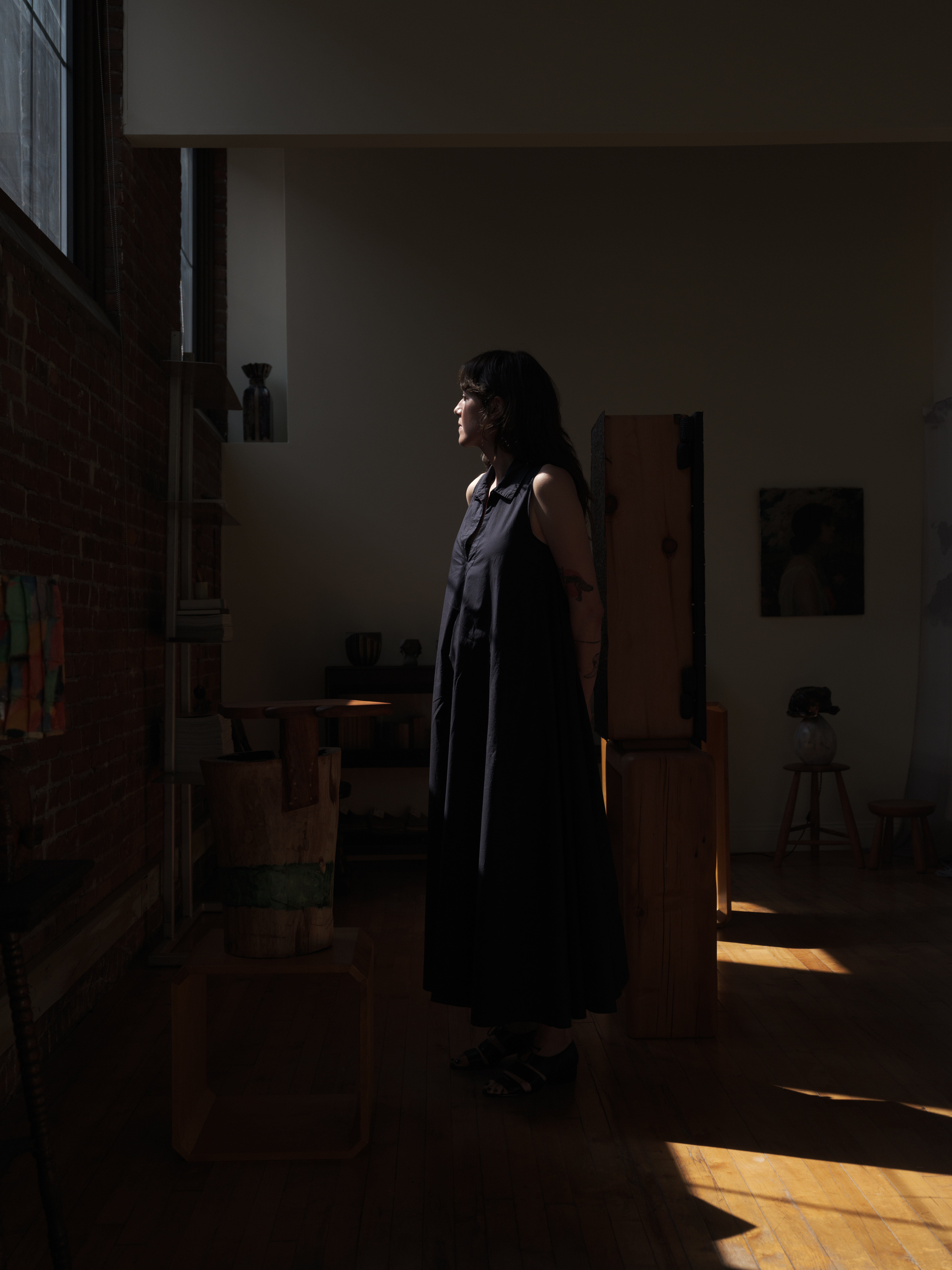
"What's worth staying away from is over-influenced design, where decisions are driven by familiarity rather than intention, resulting in interiors that feel interchangeable and disconnected from the person living there.
"A more considered approach is to slow down, work with fewer, more meaningful pieces, and build through direct interactions with makers. When done well, a space doesn't feel designed so much as it feels placed, as if it has always existed that way."
"Curation" Is a Word I See, More and More Frequently, Everywhere — But Is It, Really?
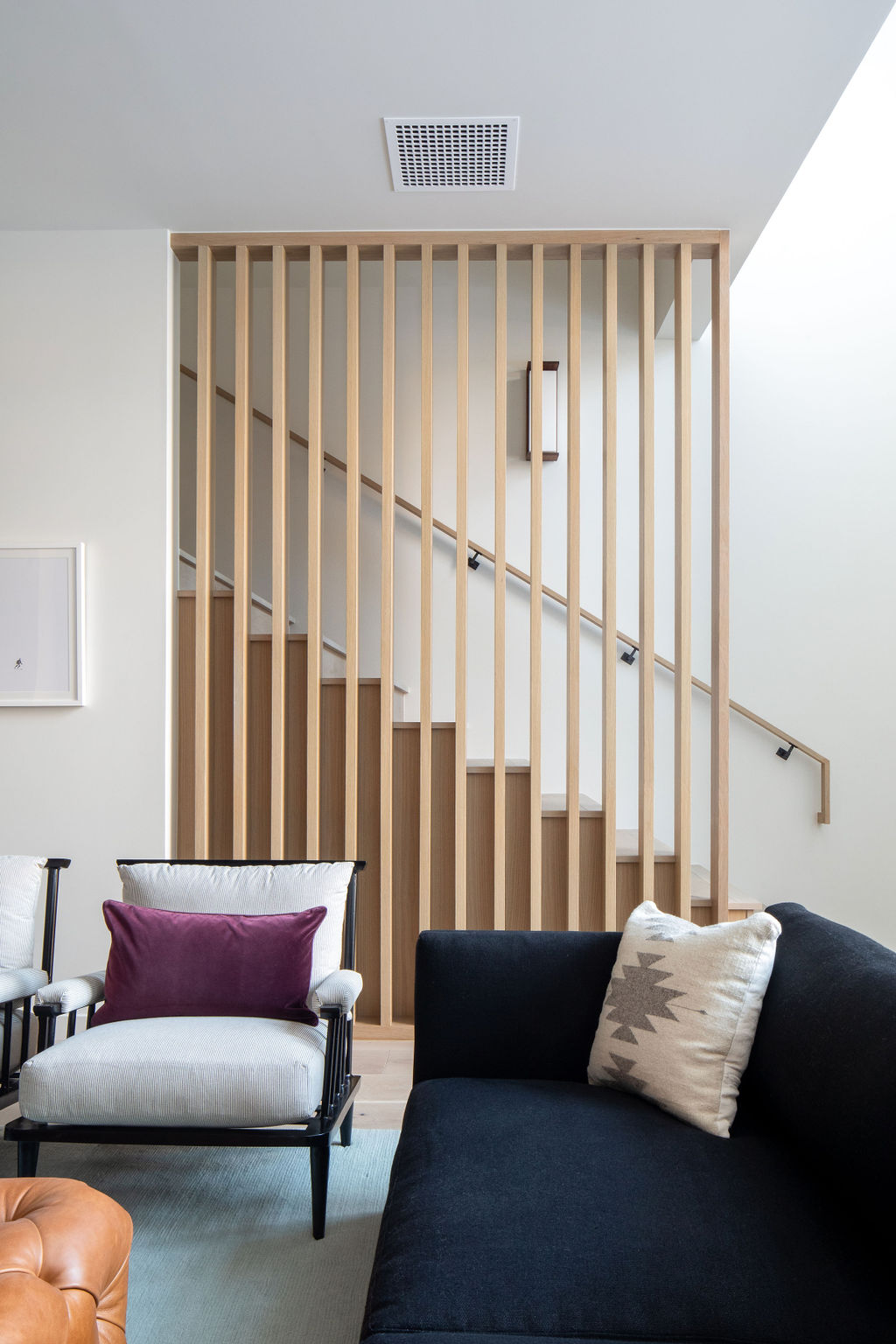
"A lot of what's considered collectible design or craft right now has become highly visible, almost stylized in how it's used. What interests me is approaching those pieces less as statements and more as something that can exist quietly within a space. We're in a moment where so much can be sourced, referenced, and replicated instantly. When everything is curated online, interiors can start to feel assembled rather than authored. What I'm more interested in is building spaces through relationships, with makers, with materials, and with the objects themselves.
"Growing up in rural Vermont, I was surrounded by a landscape that never felt composed, but always felt right. The pull of Lake Champlain, the way trees grow in response to light, how nothing calls attention to itself, and yet everything feels intentional. That perspective stays with me.
"It becomes less about presenting an object and more about allowing it to belong within a space. When approached that way, even well-known work feels different, and the people living with it are able to connect more deeply to the meaning, the maker, and the story behind it."
What's the Ultimate Goal of Your Design and Gallery Practice? What Can People 'Steal' From It That's Worth Bringing Into Their Home?
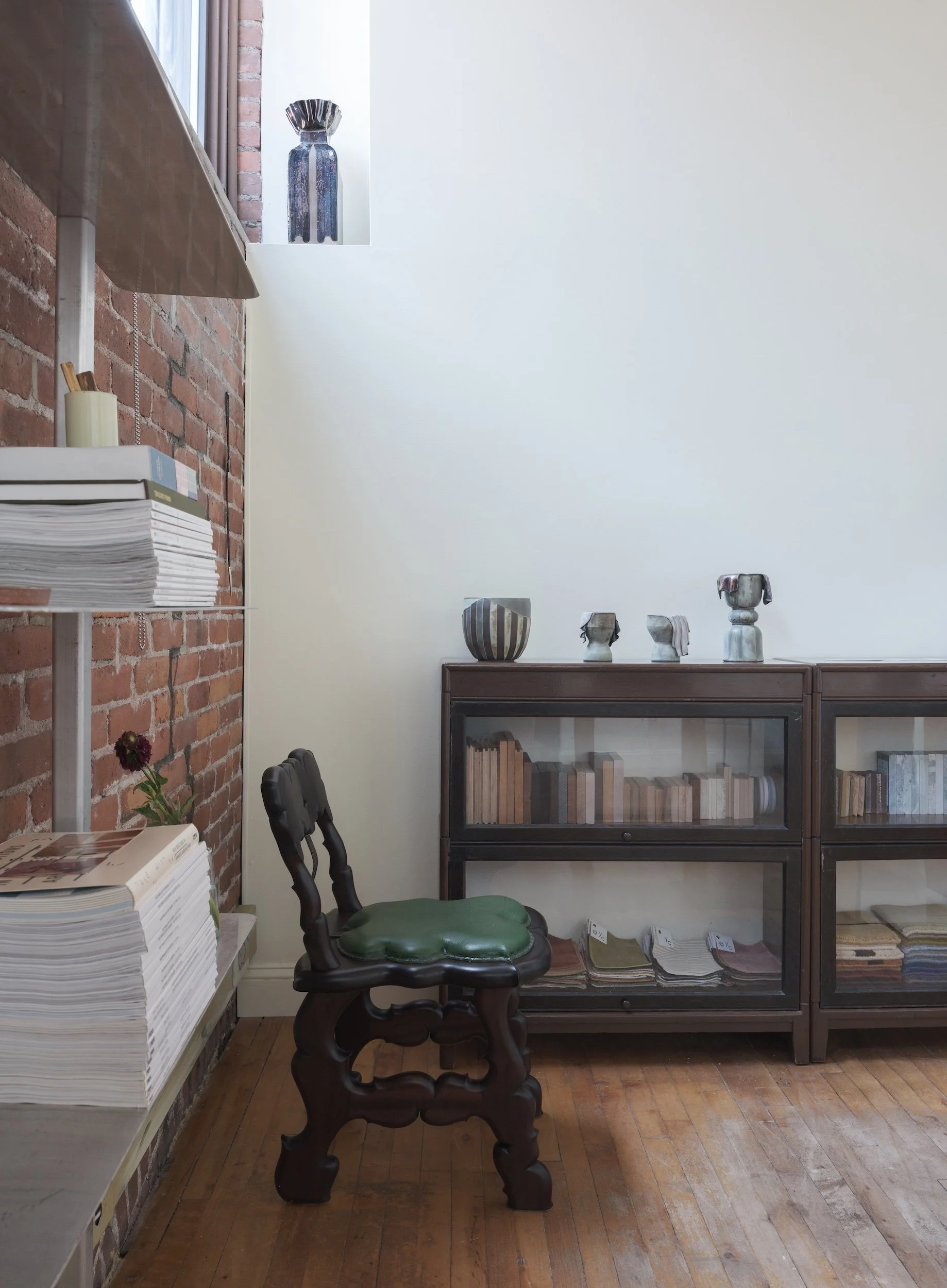
"Practically, it's about asking better questions. Not just what something is made of, but who made it. It's about slowing down, editing with precision, and allowing fewer, more intentional pieces to set the direction.
"At a larger scale, it's about rethinking the structure of how interiors come together. I'm building a roster of makers that I work with as true collaborators, so that each space is shaped through authorship, relationship, and material understanding, not assembled from a menu of options. Ultimately, the goal is to create interiors that feel connected to the people who made them and the people who live within them. The strongest spaces don't look designed; they feel planted and grown. Like they’ve always been that way."
Browse our latest stories on emerging designers to explore how a new generation of tastemakers is redefining the meaning, look, and feel of home today. Or subscribe to our newsletter for more style-driven advice delivered to you weekly.