As we pass the grim toll of 30,000 Covid-19 deaths, the NHS is under unprecedented strain.
A quarter of doctors are currently in self-isolation, while others are at breaking point, and many have given their lives to serve.
Yet there are hundreds of overseas-born doctors in the UK – many of them refugees – who are desperate to serve on the front line but are not allowed to practise.
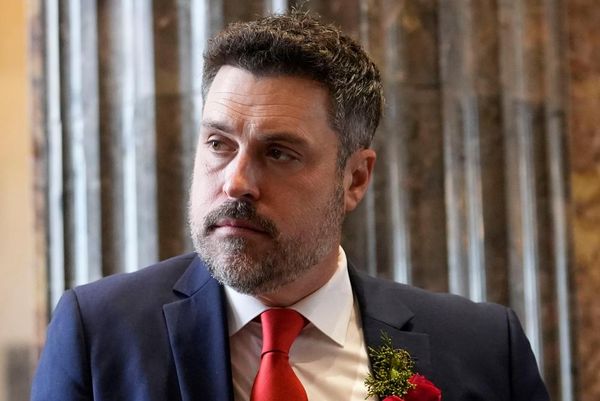
Hussam Allahham, a qualified trauma surgeon with four years A&E experience treating thousands of patients inside the Syrian warzone of Damascus, feels powerless to help.
“I feel ashamed because I have the skills and all I want to do is help in any way I can,” he says.
Sign up for the Mirror Politics newsletter at www.mirror.co.uk/email - in your inbox at 8.30am to navigate the day ahead.
Dr Allahham, 37, who lives with his family in Cardiff, is close to qualifying to practise in the UK, but the General Medical Council has cancelled the final exam.
“I worked as a hospital surgeon in Damascus for four years during the war,” he says.
“I worked in the emergency department where there was also a shortage of doctors. We treated people with gunshot wounds, people having heart attacks and people dying in front of us. I would work in the hospital and then head over to a nearby clinic for more shifts.
“We obviously didn’t have ventilators in Syria, so we would use our hands to pump the patients, we did it manually.”
Other countries are finding routes and ways to speed overseas documents through their processes. In Spain, foreign-born doctors and nurses have been fast-tracked.
In France, the health service has been permitted to recruit unverified refugee graduates qualified as doctors, dentists or pharmacists in home countries.
Yet in the UK, hundreds of doctors are spending the coronavirus crisis driving vans, stocking shelves or stuck at home.
“We currently have surgeons, anaesthesiologists and consultants sat at home unable to work due to UK accreditation exams being cancelled,” says Anna Jones, CEO of RefuAid.
“Many of our overseas-qualified doctors have worked under the bombardment of bombs, in besieged hospitals and dealt with a wide range of unrelenting trauma.
“Now they sit at home unable to work due to the UK accreditation process being unavailable.”
After escaping to the UK on a desperate journey through 12 countries, Dr Allahham had intended to become a doctor in Britain.
“But with Covid-19 I would do anything to be able to help the NHS wherever possible,” he says.

“The situation reminds me of the war in Syria, where a massive number of patients came through the hospital doors. All we could think about is saving people’s lives.”
He says his brother is also a doctor, in the same situation.
“It is frustrating,” Dr Allahham admits. “I was forced to leave Syria but I often wondered if I made the right decision – should I have stayed and saved more lives?”
Huzaifa Taibani, a 27-year-old junior doctor, is also originally from Syria. He completed his medical degree in Jordan and has a Masters from the University of Warwick. He now lives in Bournemouth, but instead of serving on the front line, he’s been left teaching English and helping tutor medical students.
“In Jordan I worked in refugee camps where there was also a shortage of doctors and protective gear, similar to here,” he says.
“A friend of mine who works in an emergency department said they are calling in dentists to help with the Covid-19 crisis, yet they have so many people like me, with medical degrees, training and qualifications.”
We also spoke to Samuel, a 31-year-old doctor from Nigeria. His wife is currently working as a doctor within the NHS and sees Covid-19 patients.
But Samuel’s English certificate has expired, and he can’t renew it because of lockdown. “I have spoken English all my life in primary school to secondary school, and then in university I sat my exams in English,” he sighs.
NHS England has now created a Medical Support Worker role to help unregistered refugee and migrant doctors play a part in the pandemic response.
This is a step forward, but it doesn’t permit doctors to work as doctors. Campaigners are calling for an option of a skills assessment while working as a Medical Support Worker that would then fast-track doctors into the NHS.
The GMC says: ‘The NHS needs qualified doctors now more than ever, and we are enormously grateful to those who wish to make a contribution.
“Under UK law we must, however, continue to ensure every doctor has the necessary skills and knowledge to practise safely in the UK.
“Using our emergency powers we have added over 30,000 doctors to the register to support the Government’s response to the pandemic. With the agreement of the chief medical officers in all four countries, we have focused initially on those doctors who were previously registered or licensed to practise with us.”
Dr Taibani tries to sum up how he feels, unable to use his skills. “I just feel numb,” he says. “My brain feels numb, not being able to do anything, not being able to help in hospitals, instead I am just at home.”