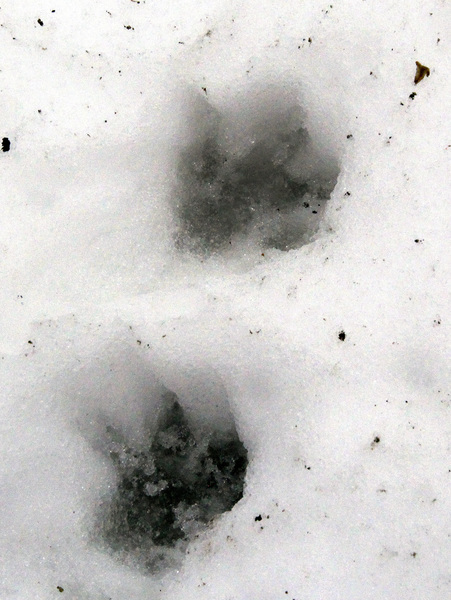
NORTH OF GRAND RAPIDS, Minn. _ For Tom Chapin, this late November day was the one he anticipates more than any other among his outdoor pursuits. More than the fishing opener. More than any hunting season opener.
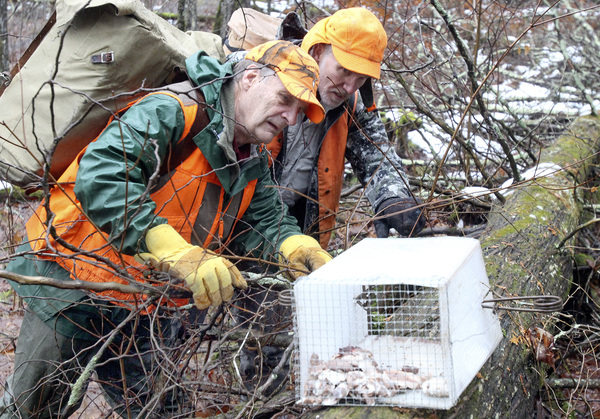
It was the day that Chapin, of Grand Rapids, got to check pine marten and fisher traps with his trapping partner Dan Hertle.
"I kind of wait for this day every year," Chapin said. "After we go through a lot of effort, Dan and I, setting the traps, checking the traps three days later is really exciting. You never know what you're going to find."
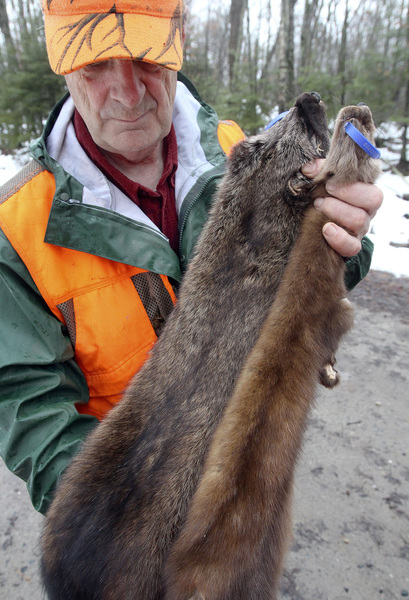
"It's not just about the critters," Hertle, also of Grand Rapids. "We get fur, but it's more just being out there."
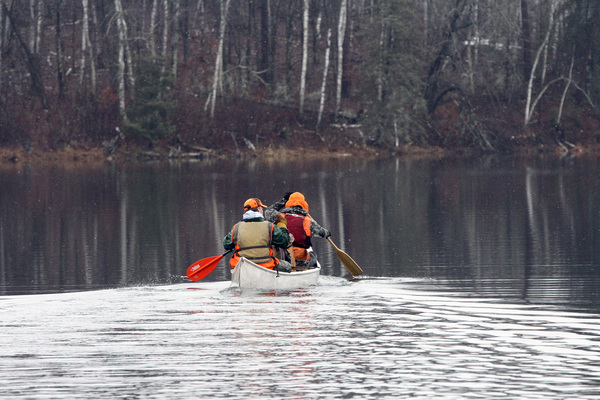
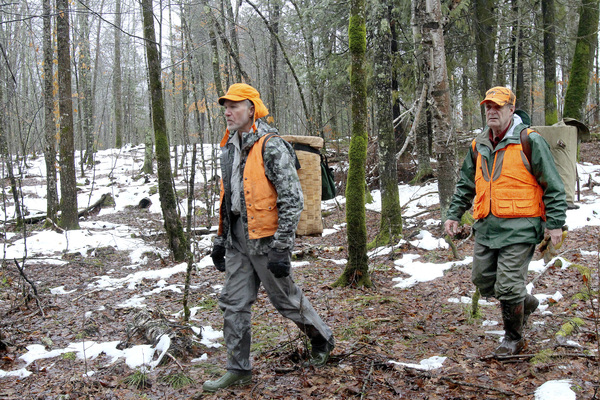
Hertle, 57, and Chapin, 70, are selective in their trapping. They trap only marten and fisher _ no beaver, muskrats, otter or mink. The men are throwbacks in the trapping community. They travel primarily by foot and canoe. For the past 15 years _ since Chapin retired as a Department of Natural Resources conservation officer _ they have trapped together on about 5,000 acres of Chippewa National Forest land.
Most trappers these days drive their traplines, hopping out to check a couple of sets here, a couple there. Chapin and Hertle park once and walk all morning checking a half-dozen traps. One of them backtracks and gets into a canoe, paddling across a small lake to meet the other and to check their final four traps. If the lake is frozen and the snow is deep, they might cross the lake by snowmobile and check traps on snowshoes.
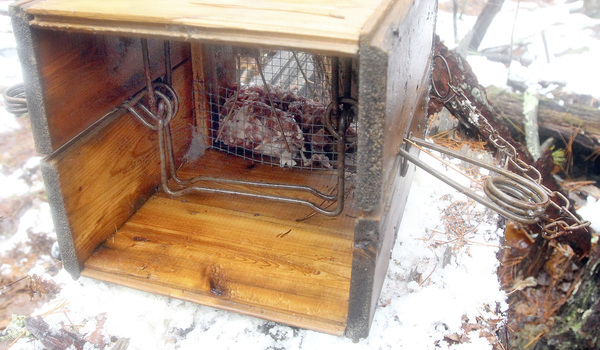
"If you're into it for the numbers, most people wouldn't go to the effort we do," said Hertle, a Department of Natural Resources forest technician. "We're just looking for a few animals."
They have little competition.
"In 15 years, we've never seen another human or another footprint," Chapin said.