NEW YORK (Reuters) - A recent clash with the National Rifle Association (NRA) has shown some doctors who treat gunshot victims a way to heal their own trauma: through activism against gun violence.
With rates of post-traumatic stress disorder (PTSD) on par with that of Iraq and Afghanistan war veterans, trauma surgeons have found that speaking out helps them cope with the hopelessness and anger that come from seeing gunshot victims repeatedly wheeled into the trauma bay.
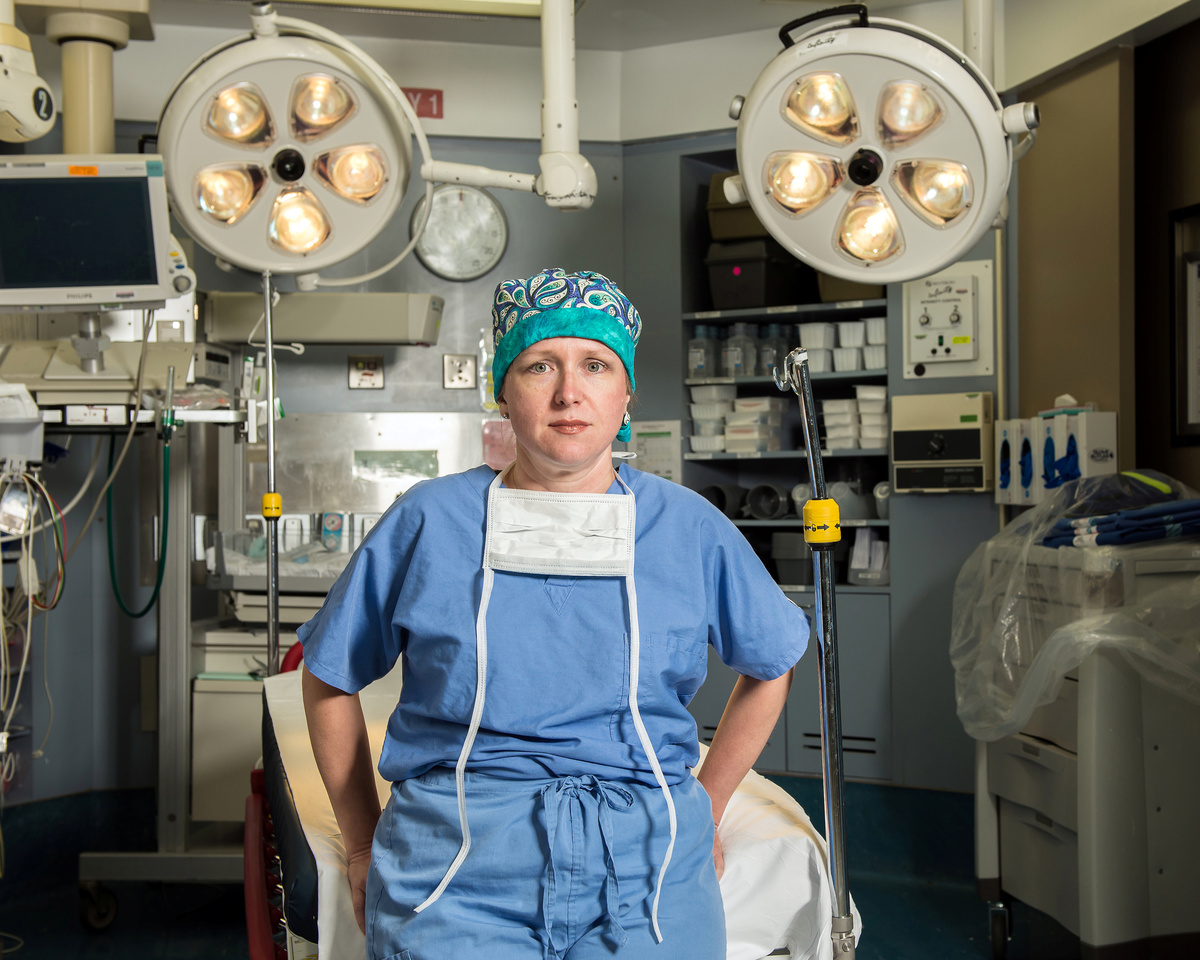
"Working in advocacy is a way to deal with burnout," said Dr. Jessica Beard, a trauma surgeon at Temple University Hospital in Philadelphia.
The doctors' clash with the NRA began in November after the American College of Physicians published a paper about reducing firearm injuries and deaths in the United States. The NRA answered with a tweet admonishing "self-important anti-gun doctors to stay in their lane."
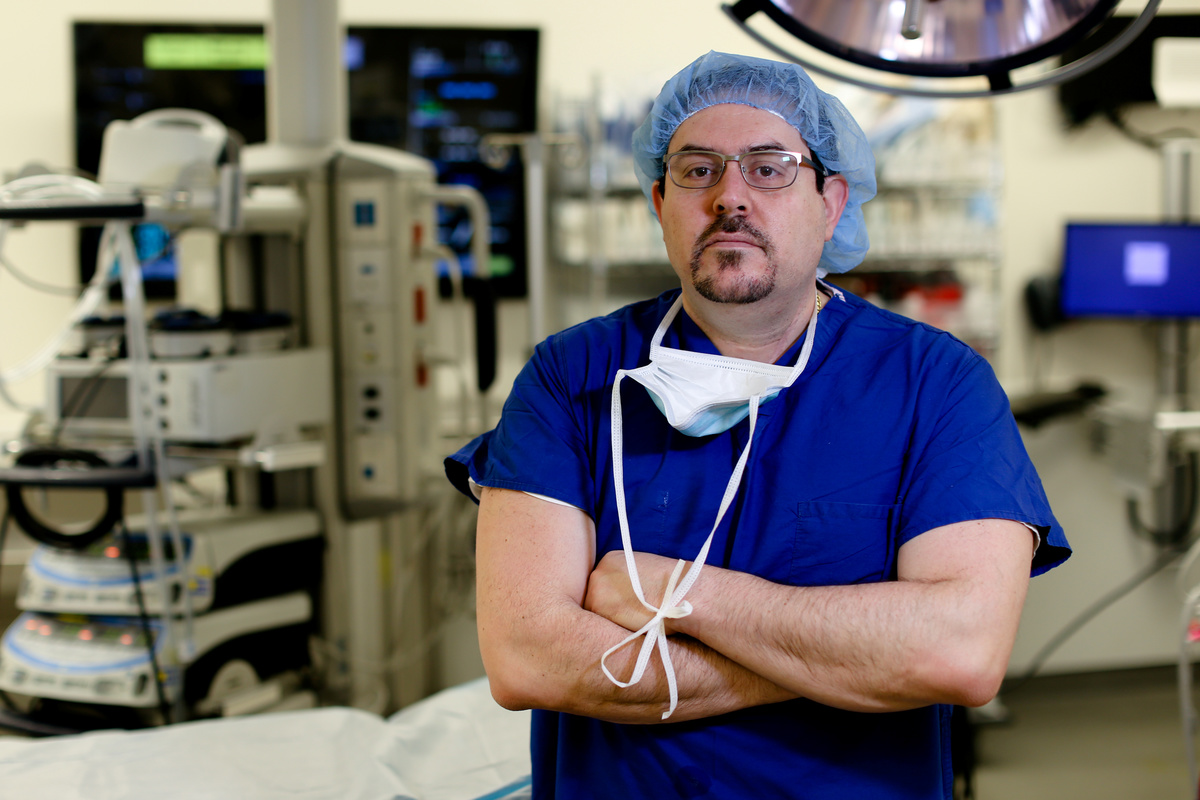
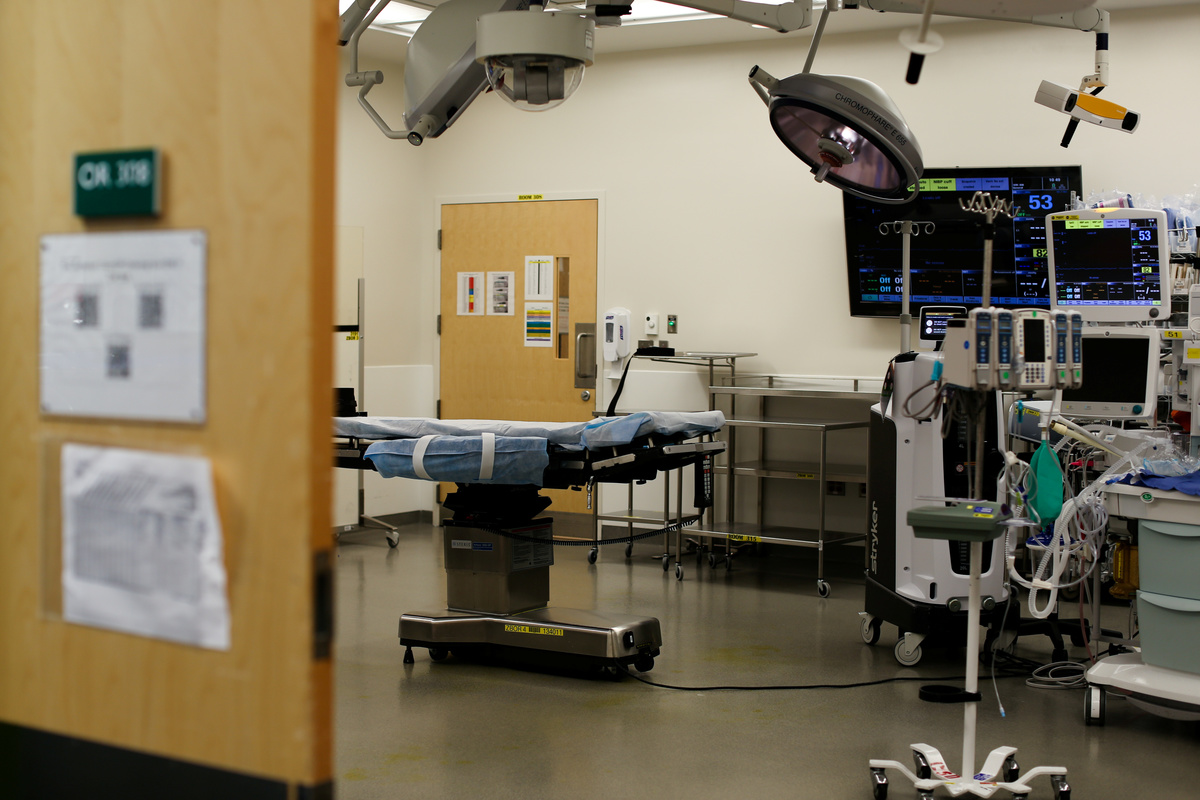
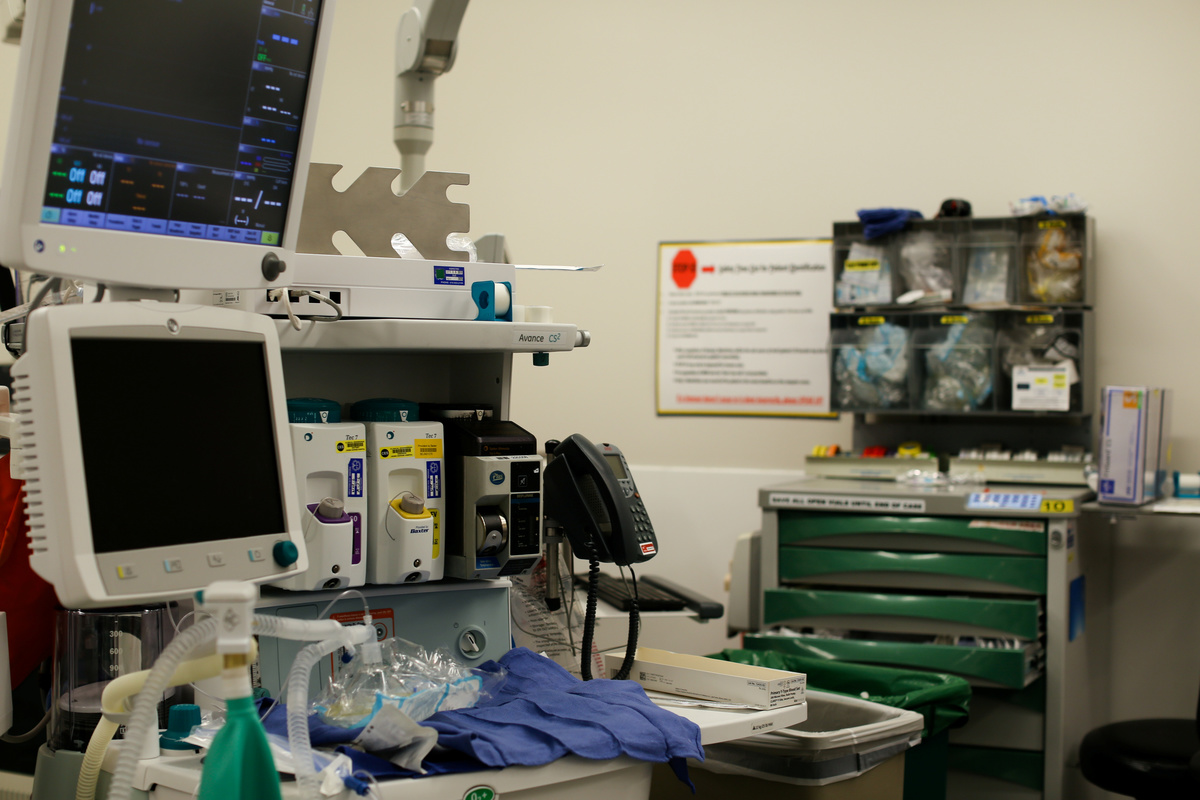
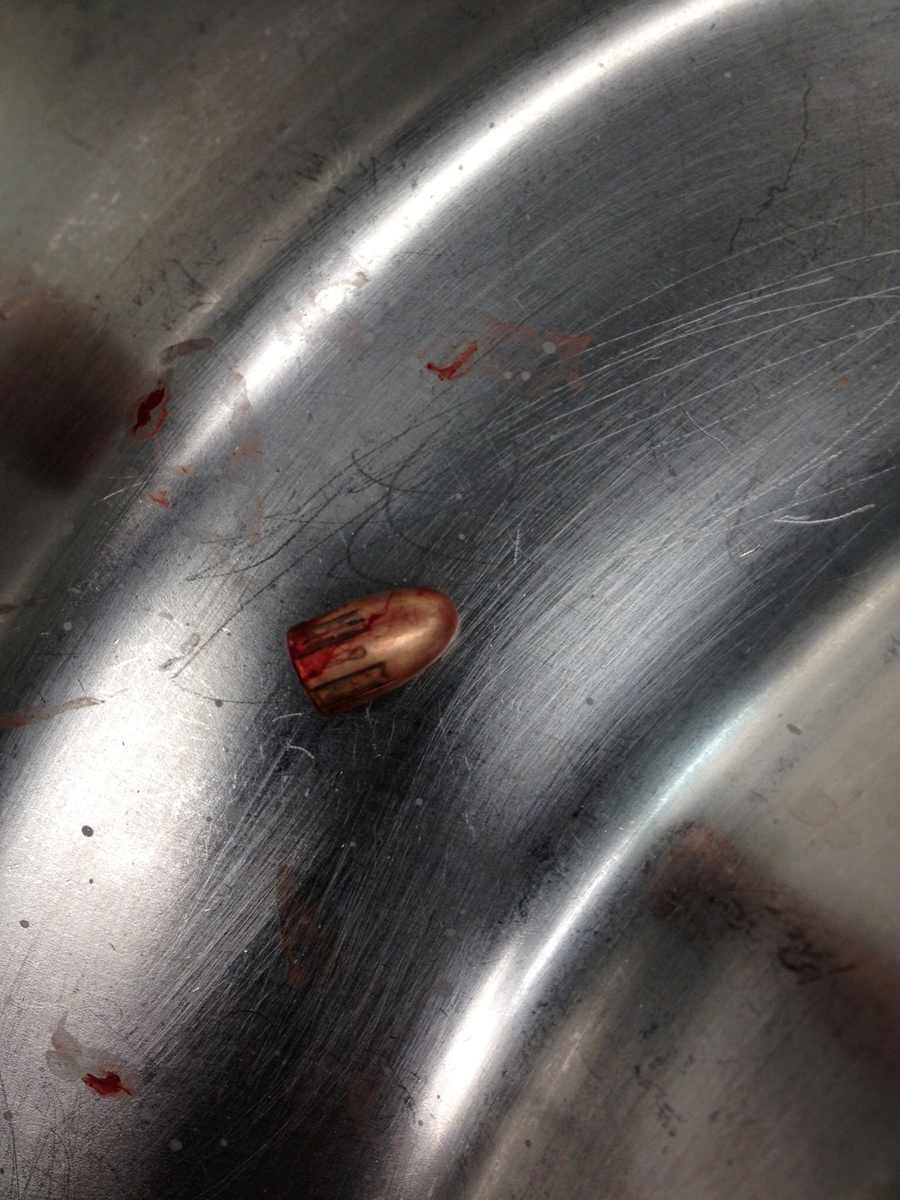
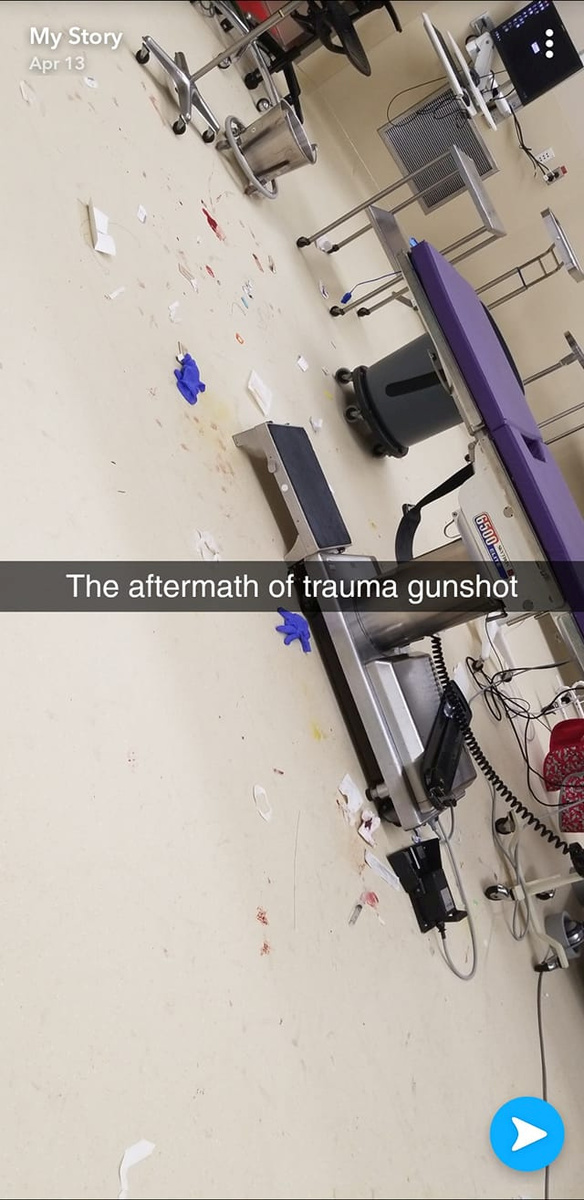
That set off a viral response. Trauma surgeons around the country posted pictures of their blood-soaked scrubs and operating rooms after treating gunshot victims, punctuated with a defiant #ThisIsOurLane hashtag.
The movement has spread. In Pennsylvania, a group of doctors formed a coalition to urge policy changes to state legislators. North of the border, the Canadian Doctors for Protection from Guns staged demonstrations in April, shortly after forming.
Experts have likened the doctors' uproar to that of high school students from Parkland, Florida, who led nationwide protests after surviving a mass shooting that killed 17 people on campus in February 2018.
"What you saw in the postings from #ThisIsOurLane directly showed the impact of gun violence on trauma surgeons. That was our way to demonstrate the trauma that we experience in dealing with the victims of gun violence," Beard said.

For many it was a call to action, to work scientifically or politically to fight gun violence.
Beard chose research, treating gun violence as a public health issue to reduce death and suffering. Her study published in April found Philadelphia's three trauma hospitals receive the equivalent of a mass shooting every 2-1/2 months, when defined as four or more gunshot victims arriving in clusters.
Other doctors are more overtly political.
The American College of Physicians supported measures including "appropriate regulation of the purchase of legal firearms," such as requiring background checks for gun buyers and greater checks on domestic abusers.
Dr. Zoe Maher, another Temple trauma surgeon, helped form the Coalition of Trauma Centers for Firearm Injury Prevention, which urges changes in public policy to Pennsylvania state legislators.
The coalition's first campaign was to support a "red flag" bill that would enable authorities to take away guns from people legally deemed dangerous.
Maher said she was motivated because so many of the nearly 40,000 U.S. gun deaths each year were preventable.
"The empowerment that I am gleaning as an individual in trying to actually combat this preventable public health crisis is something that definitely helps to protect me from burnout," Maher said.
The NRA has opposed research that it says is intended to restrict the right to keep and bear arms as guaranteed by the Second Amendment of the U.S. Constitution. It did not respond to requests for comment for this article.
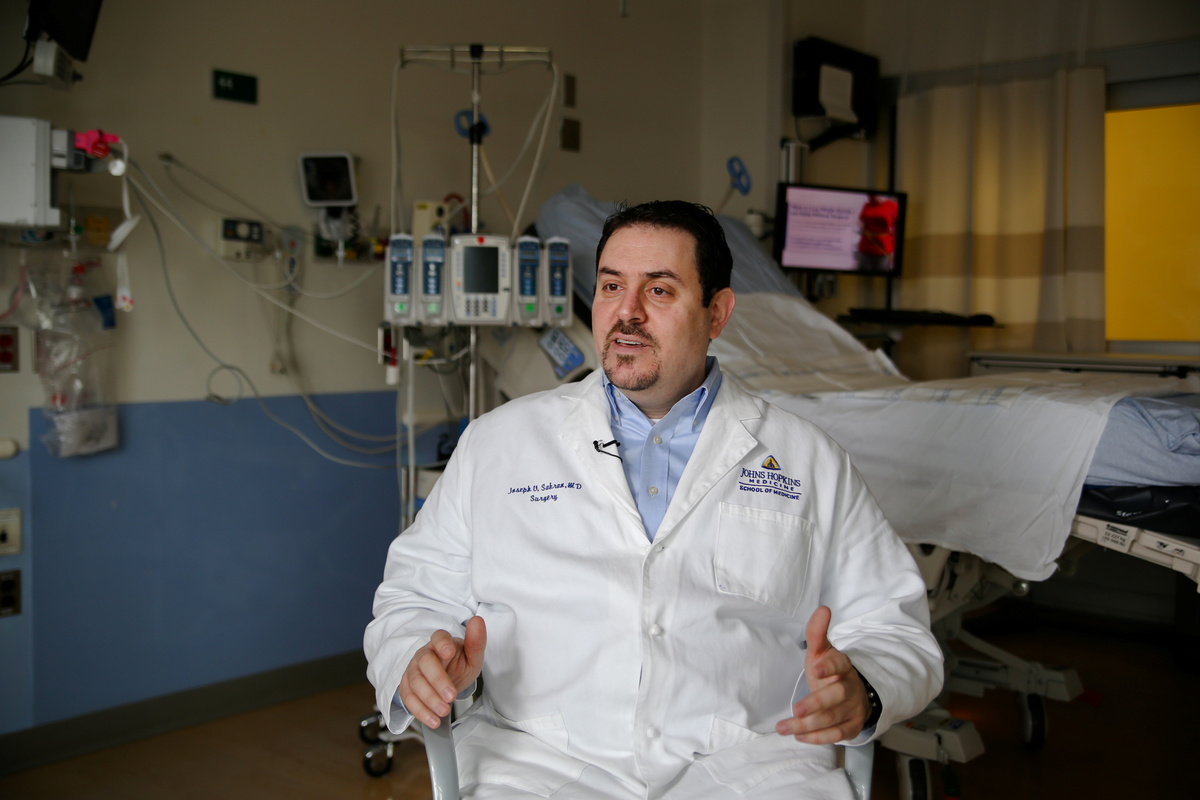
Dr. Joseph Sakran, a trauma surgeon with Johns Hopkins Hospital in Baltimore and himself a gunshot survivor at age 17, said research was vital but #ThisIsOurLane also gave the public a rare behind-the-scenes view of the effects of gun violence.
"They saw the pictures. They heard the stories. A lot of times you focus on the data, but the data doesn't change the hearts and minds of Americans," Sakran said.

MORAL INJURY
Medicine has long been affected by burnout, or what some doctors prefer to call "moral injury." This is defined by feelings of being disconnected from oneself, emotional exhaustion and reduced personal accomplishment.
Other afflictions include vicarious trauma and compassion fatigue, which can affect any medical professional exposed to trauma, including nurses, other operating room personnel and first responders.
Some 40 percent of trauma surgeons showed symptoms of post-traumatic stress disorder (PTSD) and 15 percent met the criteria for a PTSD diagnosis, according to a 2014 survey by the Journal of Trauma and Acute Care Surgery.
A similar 15.7 percent of Iraq and Afghanistan war veterans screen positive for PTSD, according to the U.S. Department of Veterans Affairs.
Medical journals report that some 400 physicians of all types die by suicide each year, the equivalent of an entire medical school class.
While soldiers, journalists and other medical professionals have dealt more openly in recent years with the mental health effects of witnessing horrible events, trauma surgeons have lagged behind.
"They're going to be one of the last people to say, 'I can't handle this, I'm in emotional distress,'" said Nancy Beckerman, professor at Yeshiva University's Wurzweiler School of Social Work in New York.
Dr. Stephanie Bonne, an activist and trauma surgeon with Rutgers New Jersey Medical School, said trauma in the operating room adds to other daily stresses such as seeing the latest shootings on the news while the pager sounds, indicating another gunshot victim is arriving.
"There is a feeling of helplessness like you're trying and trying, you're trying to push against the system," Bonne said. "And yet the patients just keep coming and coming."
(Reporting by Daniel Trotta; Editing by Dina Kyriakidou Contini and Jonathan Oatis)