
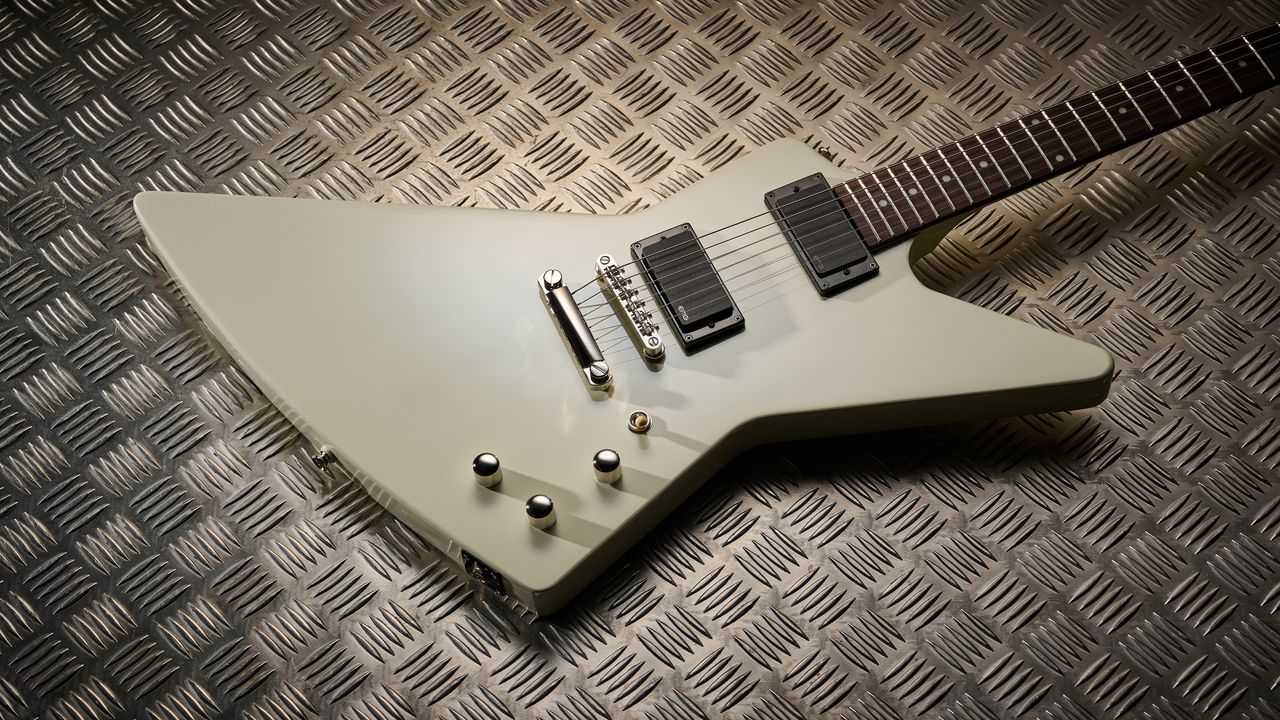
What is it?
The image of James Hetfield donning his all-white Explorer, carved with the words ‘So what’, is an iconic one in metal history. Despite this, there’s never actually been an official Gibson Explorer made bearing Papa Het’s moniker, and that remains the case with this Epiphone Explorer 80s EMG. Some may feel this is a Hetfield Explorer in all but name, however, Hetfield is not a Gibson signature artist like his bandmate Kirk Hammett. This is more of a firm nod fans will very much appreciate. Myself included.
Hetfield originally began playing a white Electra Flying Wedge, which was sold to him as a Gibson Flying V. After the neck of that guitar snapped in 1984, he then switched to a white Gibson Explorer, which had no pickguard and a three-knob control layout, now commonly referred to as an 83 or 84 Explorer, depending on who you ask.
This was the model largely used to record Metallica's second album, Ride The Lightning and was a favorite of Hetfield’s until he got his ESP endorsement in 1987. It was equipped with Gibson Dirty Fingers humbuckers.
The Explorer 80s EMG is not to be confused with the Epiphone 1984 Explorer EX, which gained massive popularity and value on the used market when Epiphone pulled it around 2019. This updated model is much closer to the form factor of Hetfield's original guitar, sans any lewd graffiti.
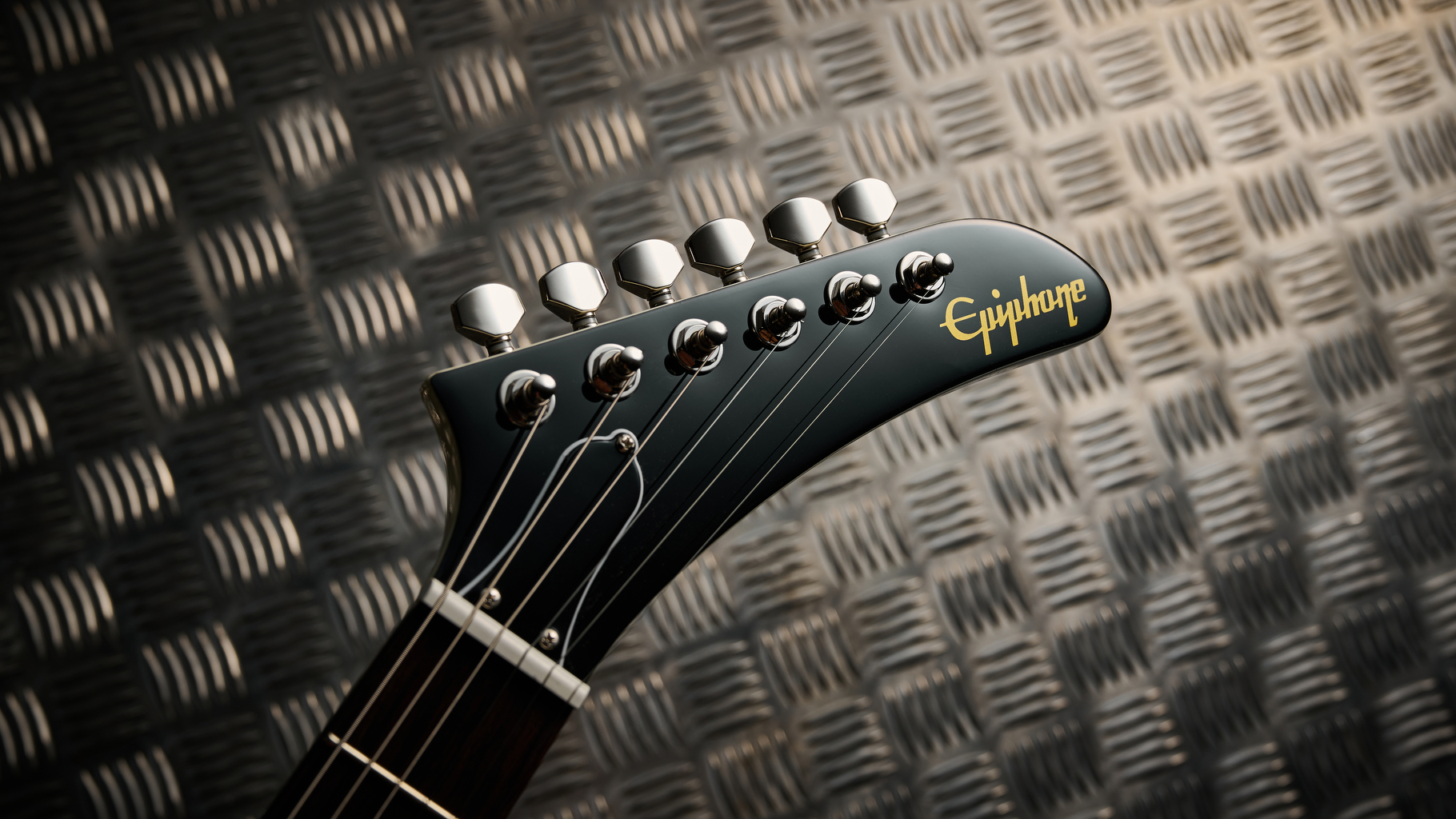
It features a rosewood fingerboard and all mahogany body and neck construction with the usual set neck, and a SlimTaper 60s neck profile. Mini die-cast tuners adorn a hockey stick-style headstock with a LockTone tune-o-matic bridge with LockTone stop bar at the opposing end.
Priced at $899, it’s potentially great value for a guitar that’s essentially a James Hetfield signature in all but name. If it delivers the goods…
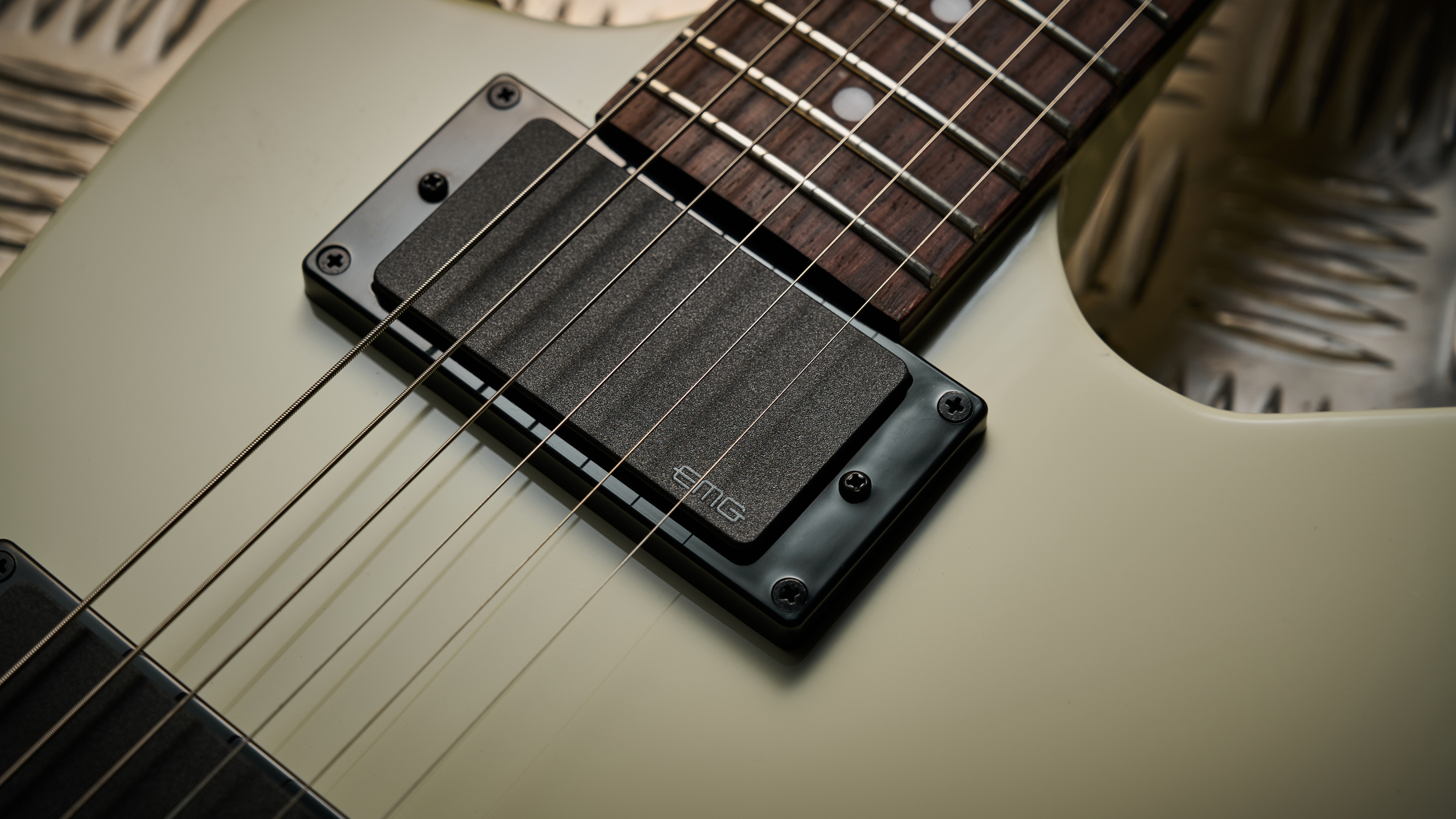
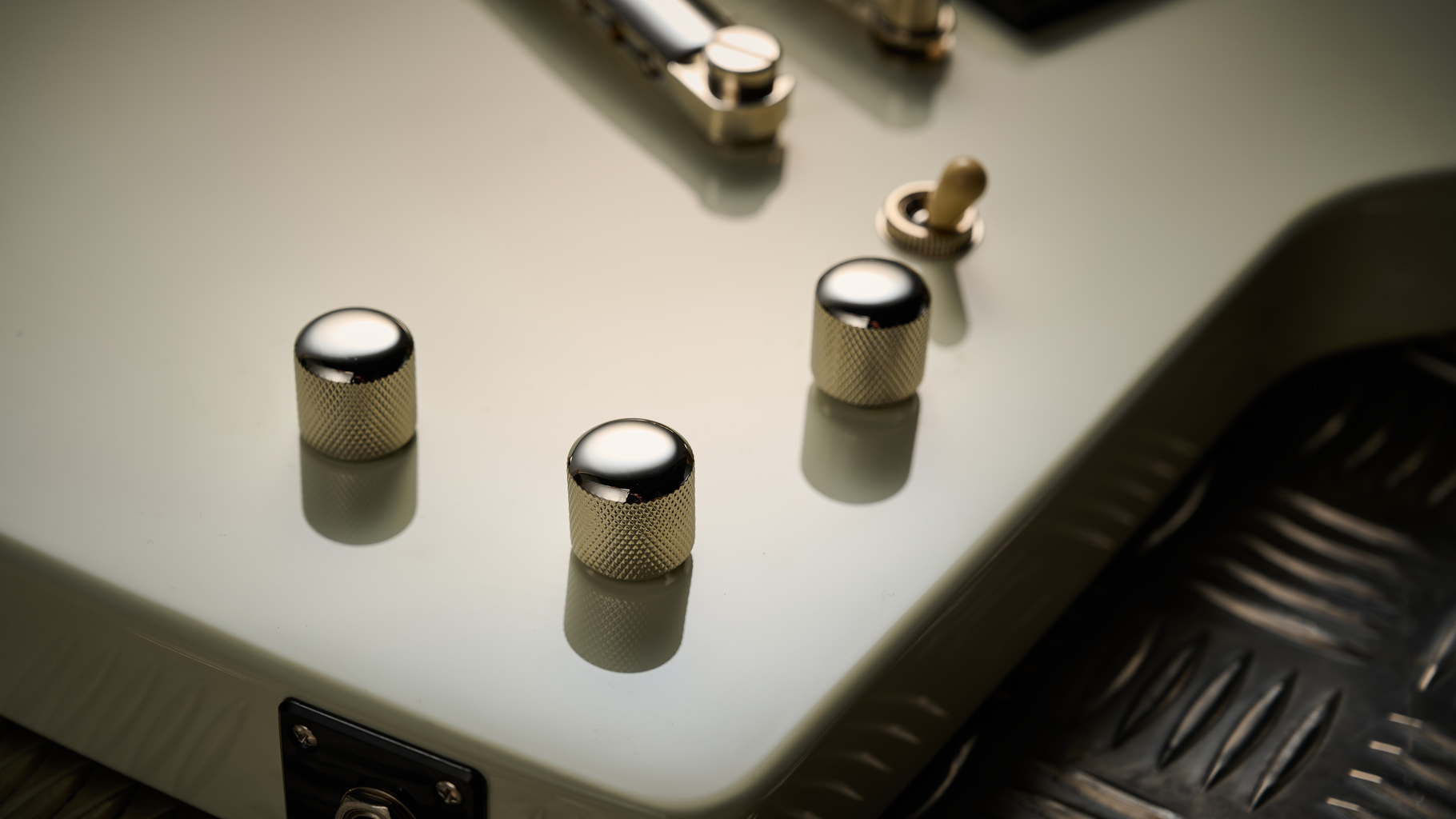
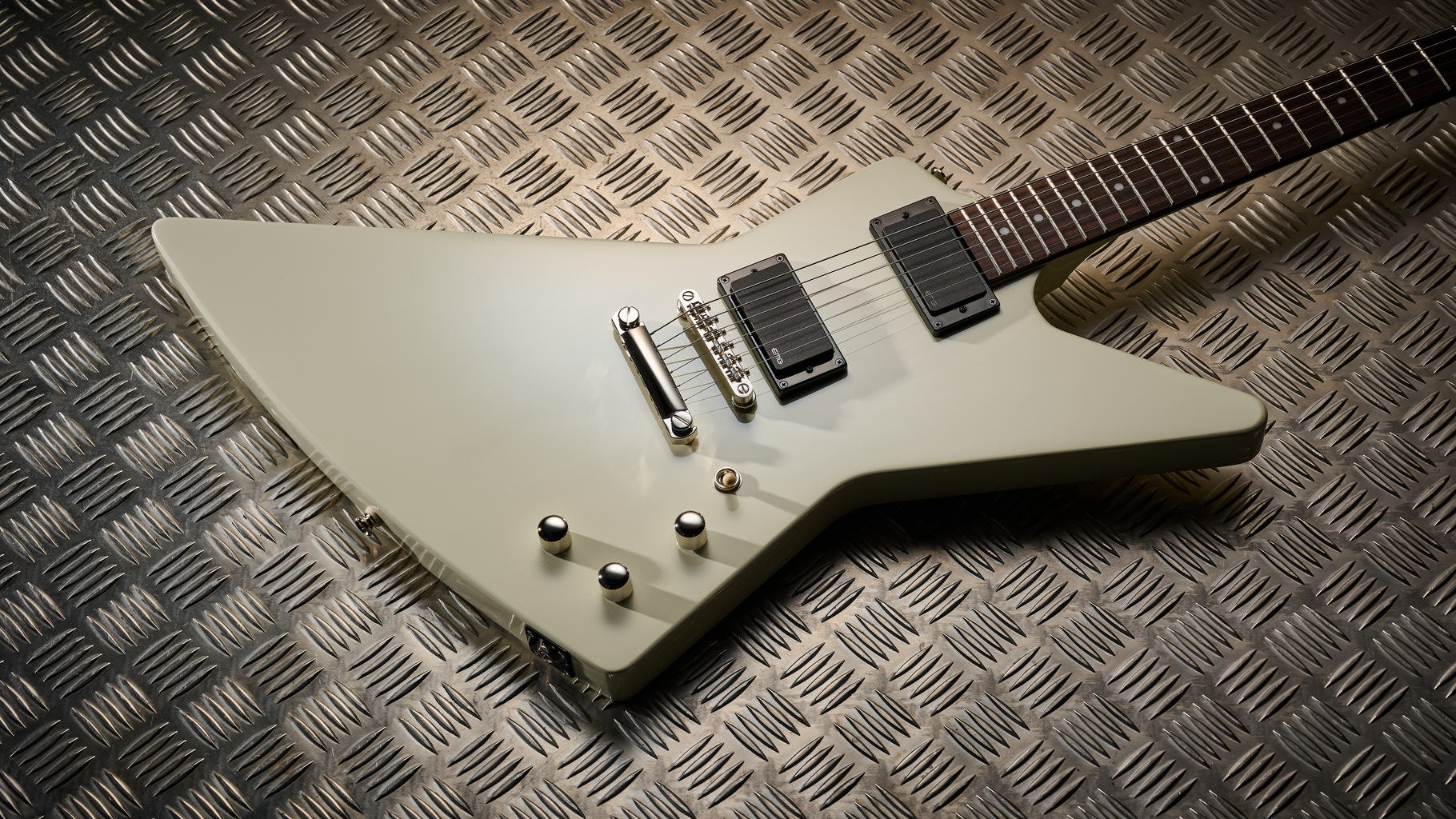
The control layout is different from your typical Explorer guitar, giving you a master volume for each pickup and a single master tone knob. The 3-way pickup selector is also next to the tone knobs, whereas typically on Explorers it’s located at the upper bout, giving you control over a pair of EMG 81/60s humbuckers.
Priced at $899, it’s potentially great value for a guitar that’s essentially a James Hetfield signature in all but name. If it delivers the goods…
Specs
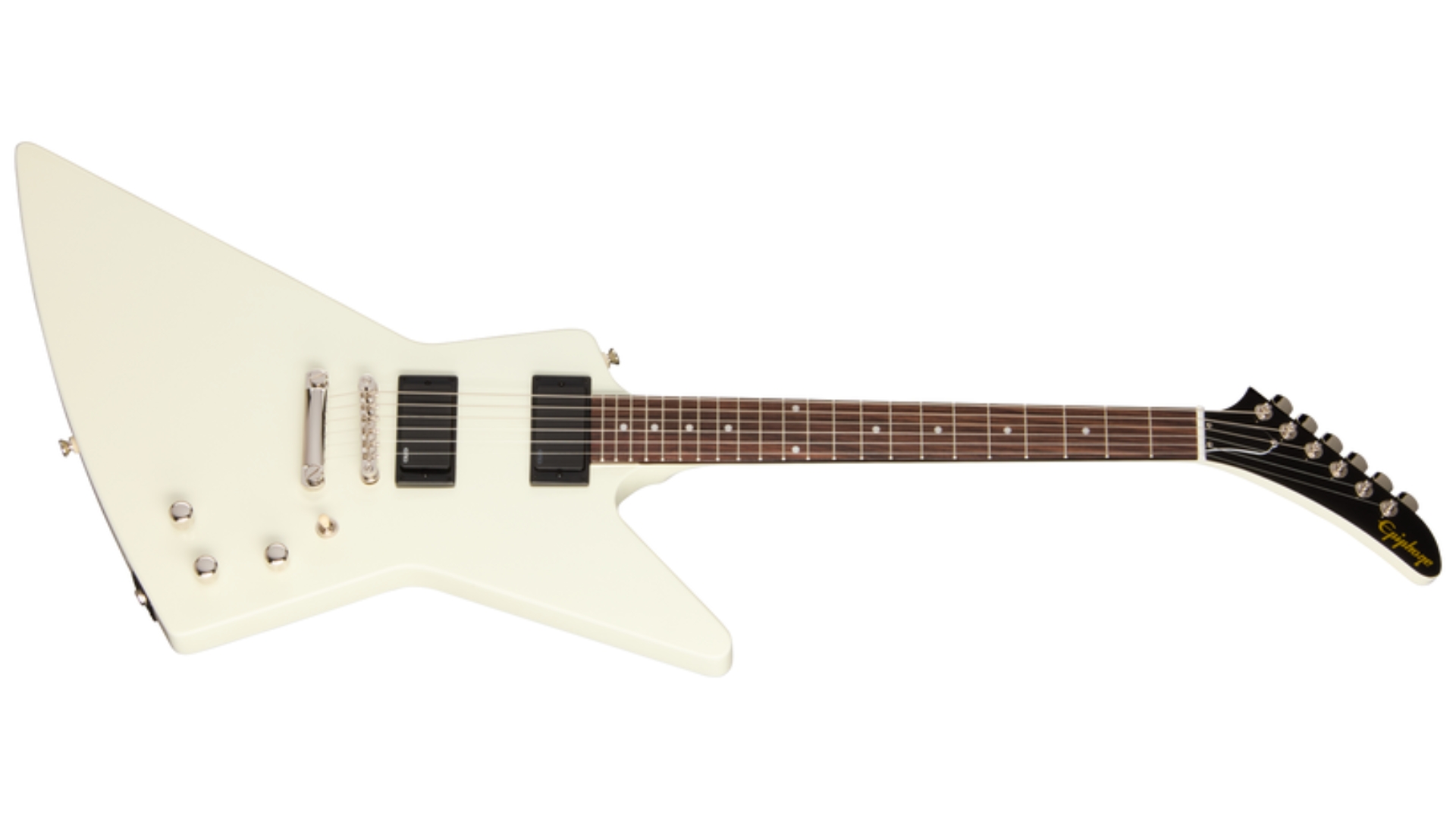
- Launch price: $899 | £849 | €1,099
- Made: China
- Type: Six-string electric guitar
- Body: Mahogany
- Neck: Mahogany
- Fingerboard: Rosewood
- Scale length: 24.75” / 628.65mm
- Nut/width: Graph Tech / 1.69” (43mm)
- Frets: 22
- Hardware: Mini die-cast tuners, LockTone tune-o-matic bridge with LockTone stop bar
- String spacing at bridge: 51.2mm
- Electrics: EMG 60 (10k), EMG 81 (10k), 2 volume, master tone
- Weight: 4.7kg
- Left-handed options: No
- Finishes: Classic White
- Cases: Epiphone premium soft case
- Contact: Epiphone
Build quality
Build quality rating: ★★★★½
Taking the Explorer 80s EMG out of the Epiphone premium softcase, it’s a nice weight at just shy of 5kg. It’s solid feeling but not overly heavy to my arm, and although the Classic White finish isn’t quite as yellow as Hetfield’s original guitar (which is fair enough considering this is not a signature model), there are no immediately obvious blemishes or bits of dirt in it.
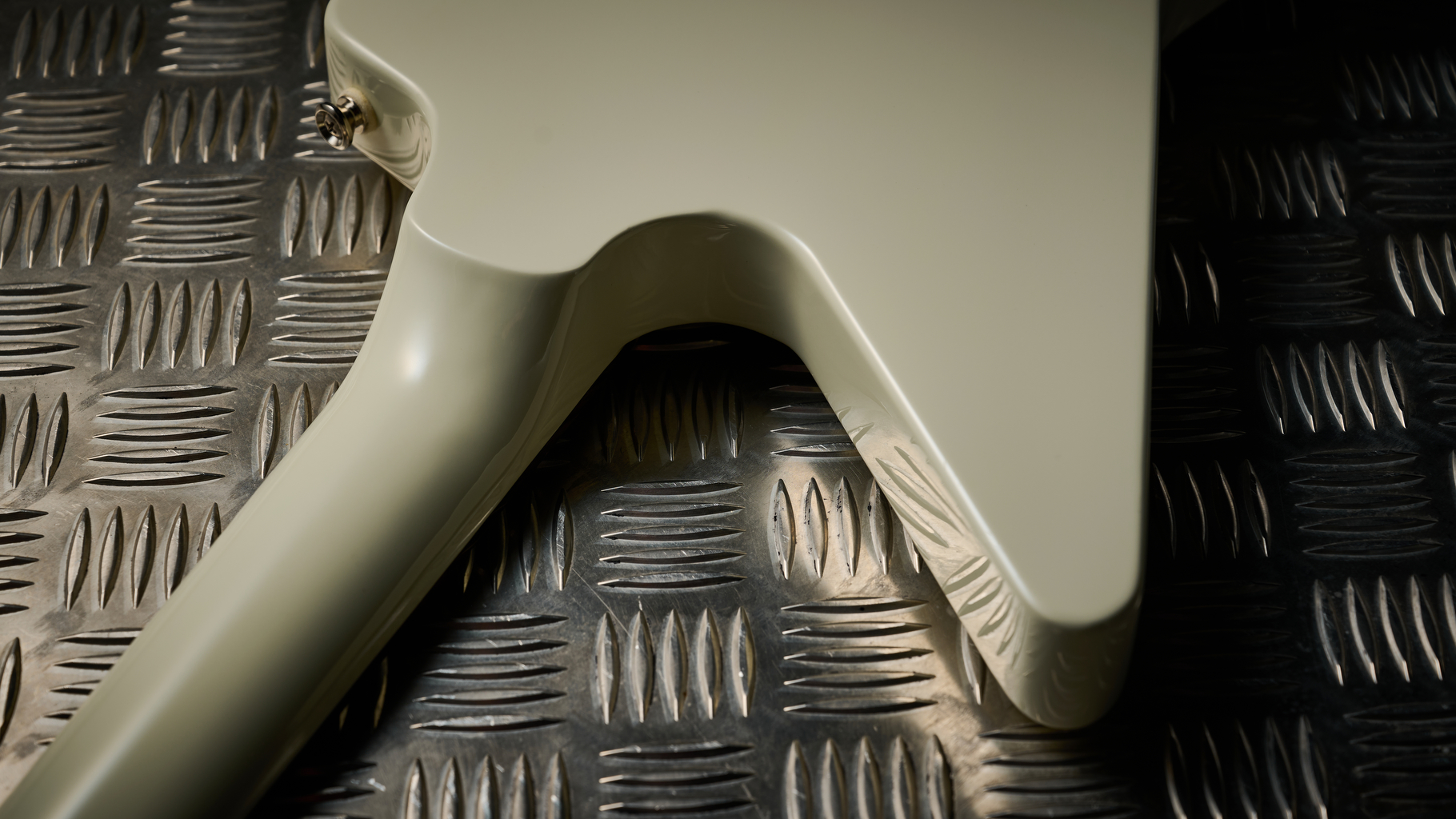
I do spot a very faint crack in the finish where the cutaway meets the neck, which is a common issue with Explorer-style guitars and others with set necks. It’s absolutely tiny though, and you’d be hard-pressed to spot it unless you were going over it with a fine toothcomb like I did. One of the volume knobs is sitting slightly higher than the others, but a firm push down sorts that out.
Flipping the guitar around, I open up the battery compartment and can spot nothing awry here. It’s a very close fit for the 9V battery, with a small, blue piece of fabric that wraps around it so you can easily pull it out when the time comes to change it. When buying the guitar new, it won’t come with a battery already installed, so you’ll need to use one of your own or purchase a fresh one; otherwise you won’t get any sound out of the guitar.
Playability
Playability rating: ★★★★½
Excitedly sitting down with it to start immediately downpicking palm-muted power chord riffs
Excitedly sitting down with it to start immediately downpicking palm muted power chord riffs, it feels absolutely huge on my lap compared to my usual Telecaster. It’s pleasingly balanced on my knee though, and I don’t feel like I have to fight to keep it upright. On my guitar strap there's no neck dive, which can plague this particular guitar shape. It balances nicely when I take both hands off and let it hang, which I wasn’t expecting.
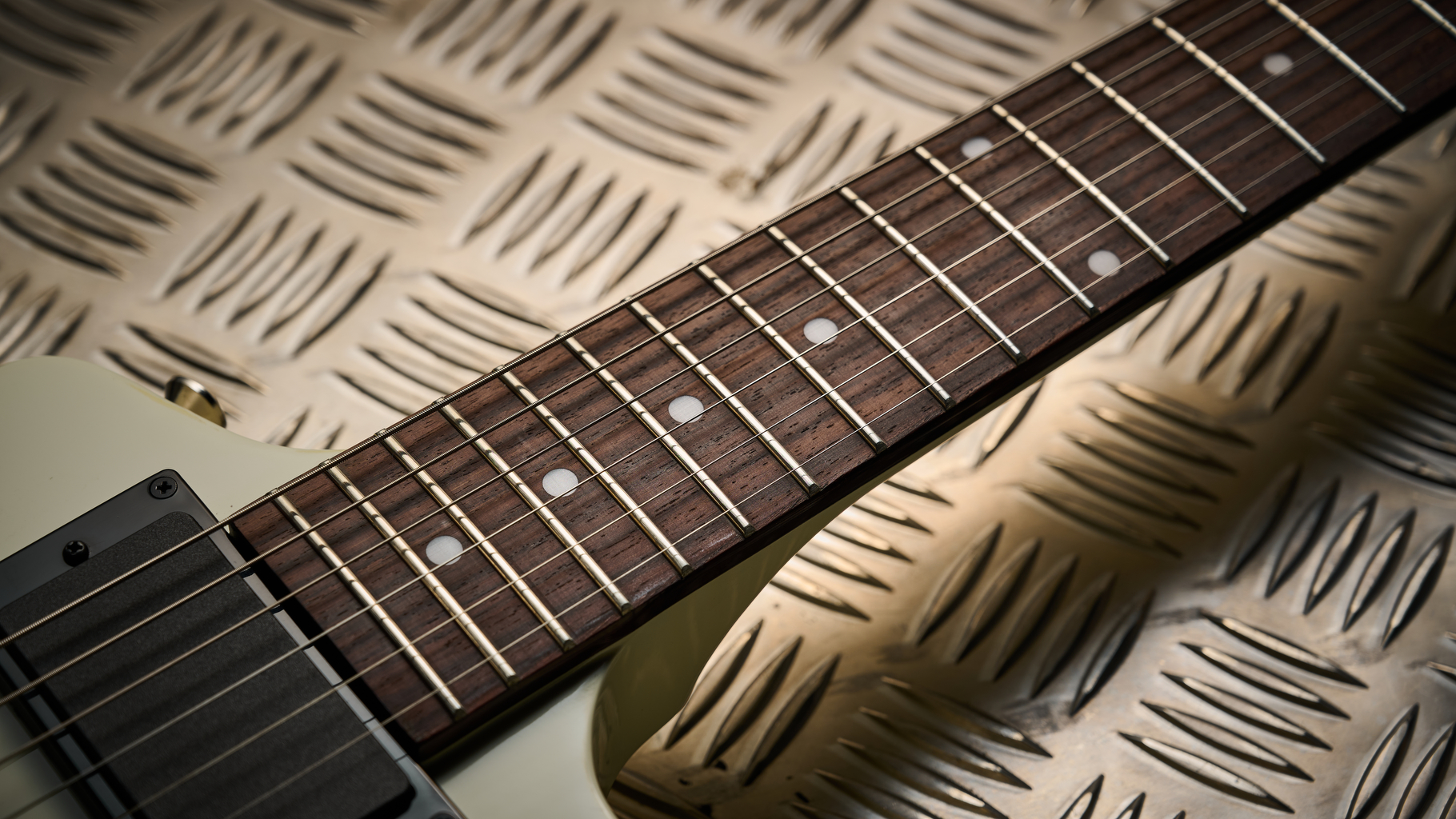
The '60s Slim Taper neck still feels quite chunky in my hand, certainly not what you’d expect to find on any shred guitar, but I don’t mind it at all. The 24.75” scale makes it feel decidedly quick in hand though, with no time passing before I’m renditioning James’ solo part from Master of Puppets.
The profile gives me a nice bit of chunk to dig in with, which gives me plenty of confidence running pentatonic licks wherever I am on the fretboard. The bridge is positioned quite close to the neck side of the body, which keeps my picking hand out of the way of the large horn on the lower bout.
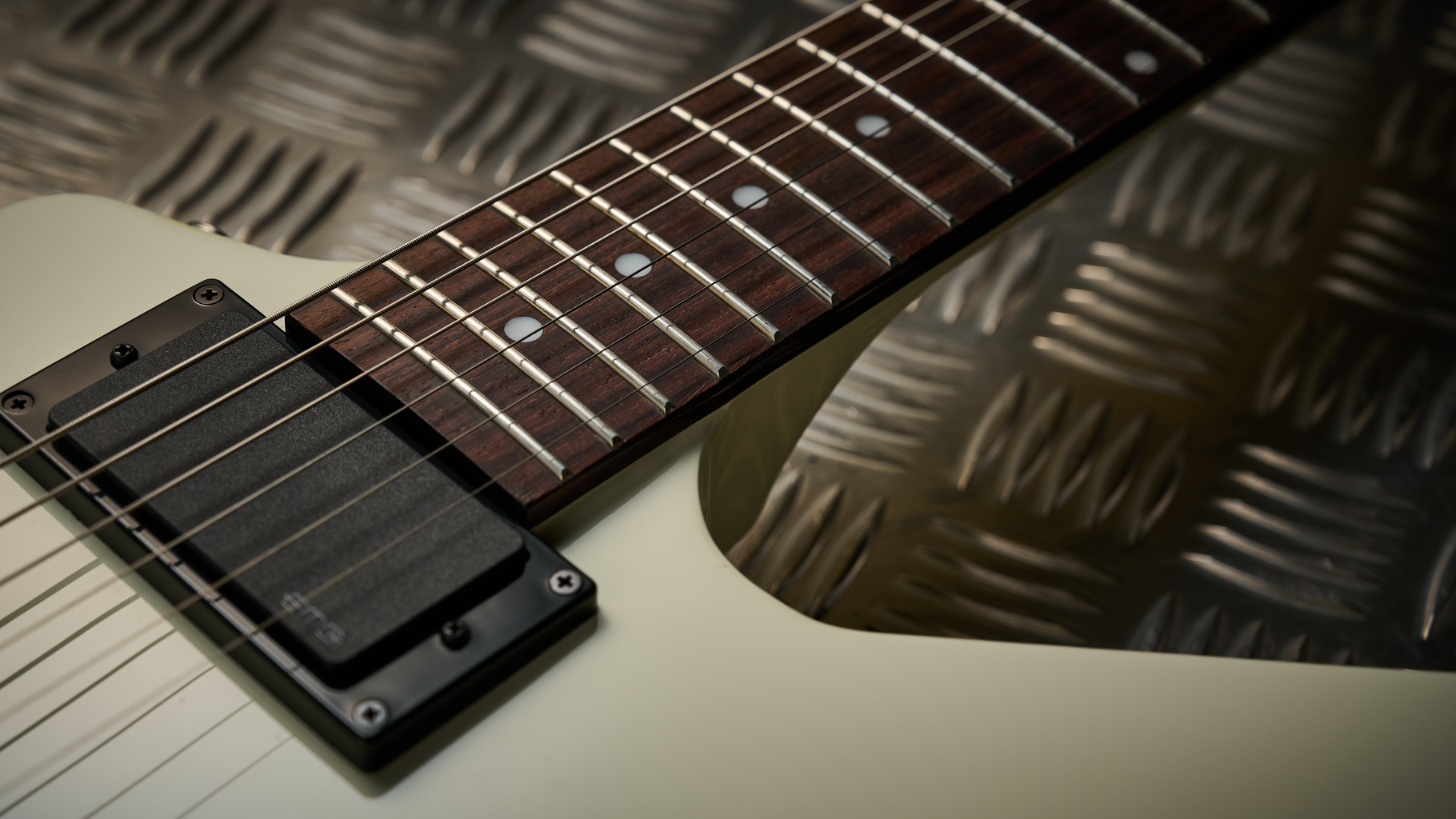
One thing I do notice is that when I try to go for that 22-fret bend at the end of Kirk’s solo section from Master of Puppets, my hand hits the cutaway of the guitar. It’s actually pretty awkward to get to, and I end up having to adjust the angle of my fretting hand to reach over further when going for it. That said, every other note can be accessed without doing this.
Tuning stability feels rock solid once it’s settled, and despite abusing it with some hefty bends, I find I seldom have to retune after the first half an hour or so. I do find the stock 10-46 strings are a bit light for my heavy-handed playing style, and I can imagine a lot of metal players would swap these for something a bit heavier that you can dig into. I used it to track in the studio, and it held up take after take, which is certainly reassuring.
Sounds
Sounds rating: ★★★★☆
I feel obliged to start with a JCM800 model, and boy does it sound good!
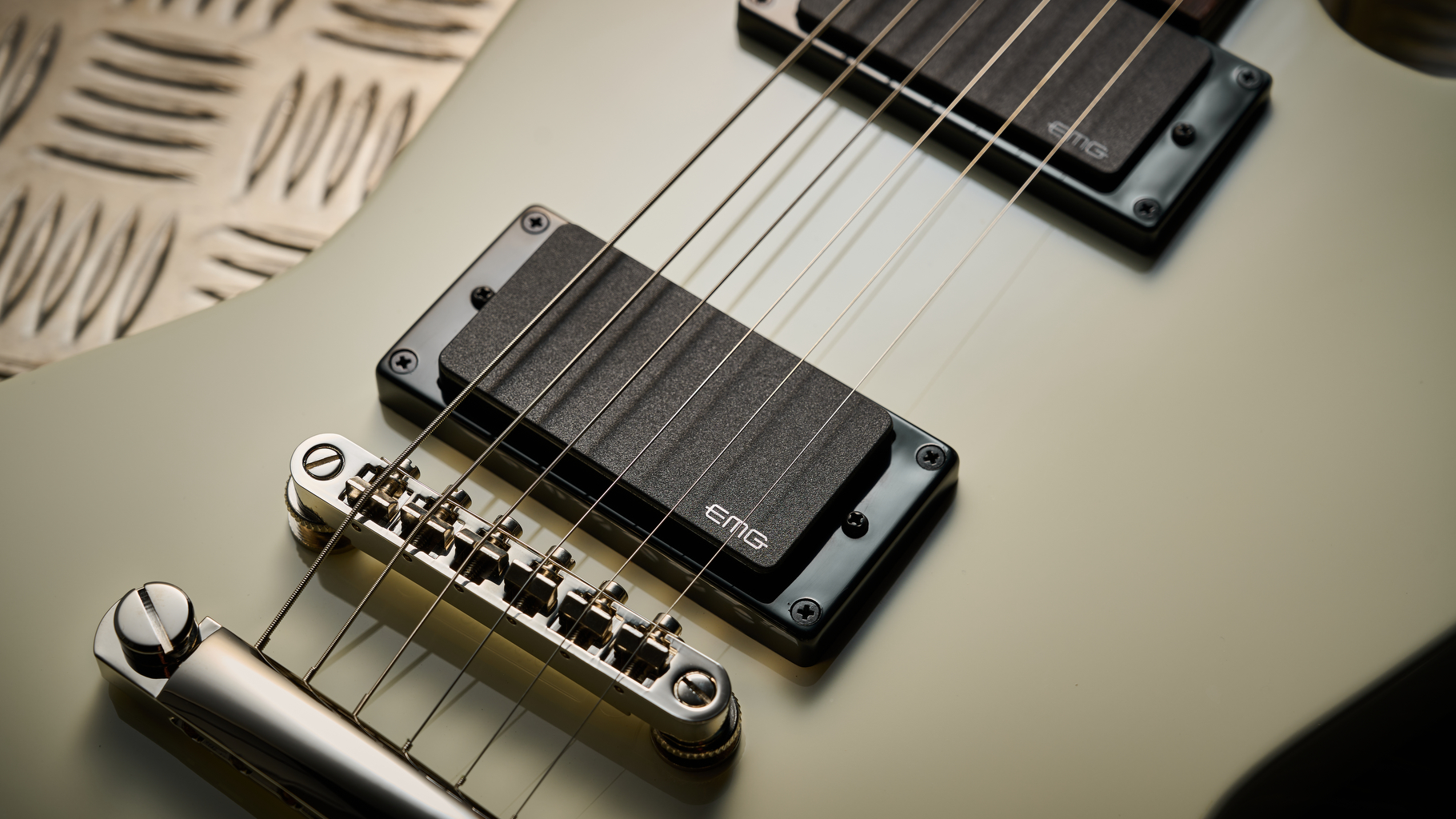
Plugging the Explorer into a Neural DSP Quad Cortex, I feel obliged to start with a JCM800 model, and boy does it sound good! The EMG active humbuckers – the classic Hetfield preference of a standard 81 model in the bridge and 60 in the neck before they were refined further with his signature set – are an iconic metal tone, and their surgical precision is perfect for chugging power chords. I find there’s a much lighter touch required than the passive pickups I’m used to, and the sustain is absolutely incredible.
Adding some delay and a Tube Screamer-style overdrive pedal model to the signal path, and I’m in lead guitar heaven, with the precise, cutting tone of the pickups making scale runs and legato feel like an absolute breeze. I feel immediately able to speed my way through a variety of metal classics, and there’s something very satisfying about chugging on an open E power chord here.
The clinical nature of the EMGs makes them feel very inorganic
There’s a downside to the precise nature of the pickups though, as when I switch to a Fender Twin model, the clinical nature of the EMGs makes them feel very inorganic. The decreased dynamic range makes things like arpeggios of open chords quite nice, as everything is very even with the naturally compressed tone, but when trying to play more dynamic pieces, I find there’s a lack of subtlety with them.
Verdict
For James Hetfield fans, this guitar is a no-brainer. It delivers the look, playability, and all for a very good price. Whether you want to carve your own lewd slogans into it or just pick up a distinctive-looking guitar for rocking out on the stage, it’s a great choice for players of classic metal. It does a great job for more modern styles, and for the live guitar player, you’ll certainly stand out on stage with this bad boy strapped on.
Don’t expect to be playing dynamic blues licks or jazz
It’s a large guitar however, it doesn’t sit in a traditional guitar stand, and I can appreciate that not everyone will love the nonconformist looks of it. The EMG pickups also limit it to being a metal guitar, so don’t expect to be playing dynamic blues licks or jazz. If you’re all about precision metal tones though, you can’t go wrong with such iconic humbuckers.
Guitar World verdict: If you want a guitar to play all kinds of heavy music, the Epiphone Explorer 80s EMG is one that will let you do it with aplomb. From the eye-catching looks to the super playable neck, it’s a great guitar for laying down precision metal rhythms and searing lead licks. It’s not subtle, but it’s not trying to be.
Test |
Results |
Score |
|---|---|---|
Build quality |
Very well put together, slight paint crack in neck join. |
★★★★½ |
Playability |
Neck is thicker than you might expect, but very playable. |
★★★★½ |
Sounds |
Great for metal, but not the most adaptable for other styles. |
★★★★☆ |
Overall |
A brilliant guitar for metal musicians and Metallica lovers. |
★★★★½ |