For Hungary's poor it's wood or food. Trash also burns, creating deadly smog
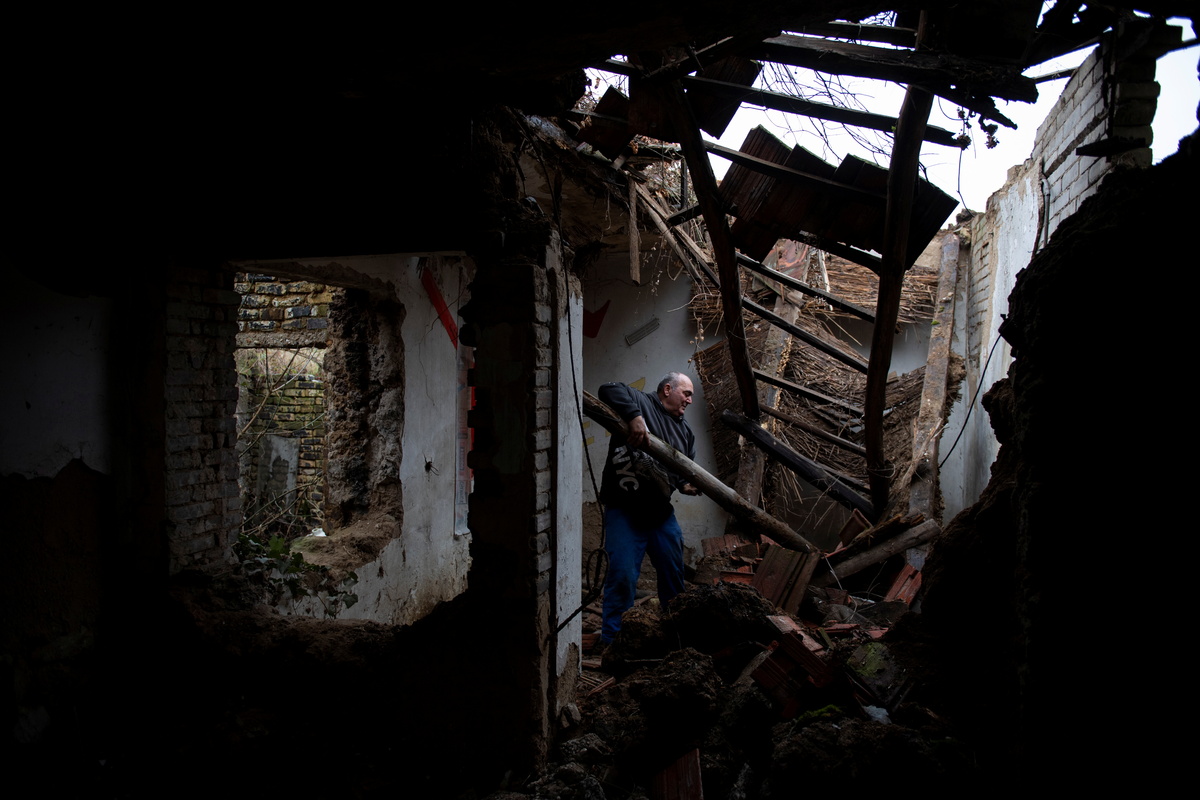
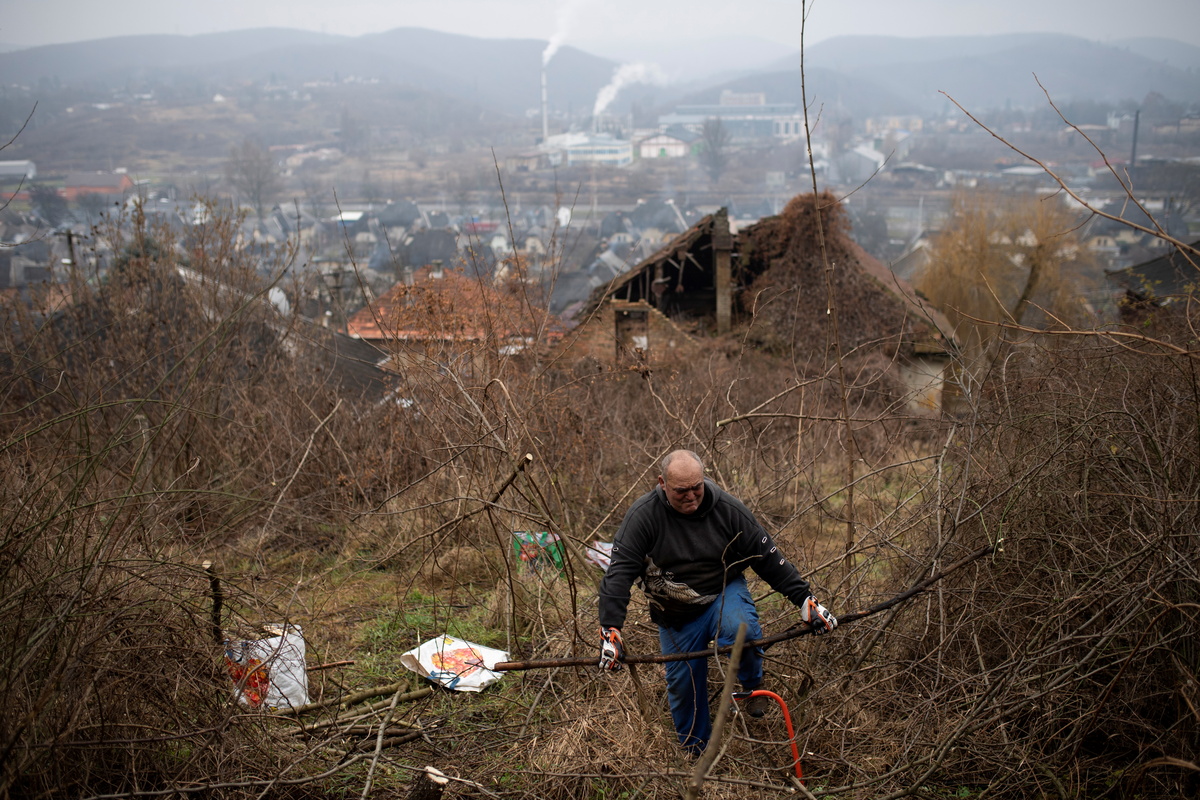
Zoltan Berki Sr, 55, searches for firewood in an old abandoned house in Ozd, Hungary, December 19, 2020. To Zoltan Berki Sr. pollution means chest pain and coughs, but cold is a more imminent danger. "We collect what we find and take it home to burn," Berki said. "They heat up nicely, and we can't afford to buy anything." REUTERS/Marton Monus
Zoltan Berki usually wakes up before dawn, as his five small children sleep next door, to feed the old iron furnace that stands in a wall cavity to warm up both rooms. This is the only part of his house that he can afford to heat during winter.
Come rain or shine, Berki, a stocky 28-year-old Roma man, cycles an hour to work to save on the bus fare, so he is up anyway.
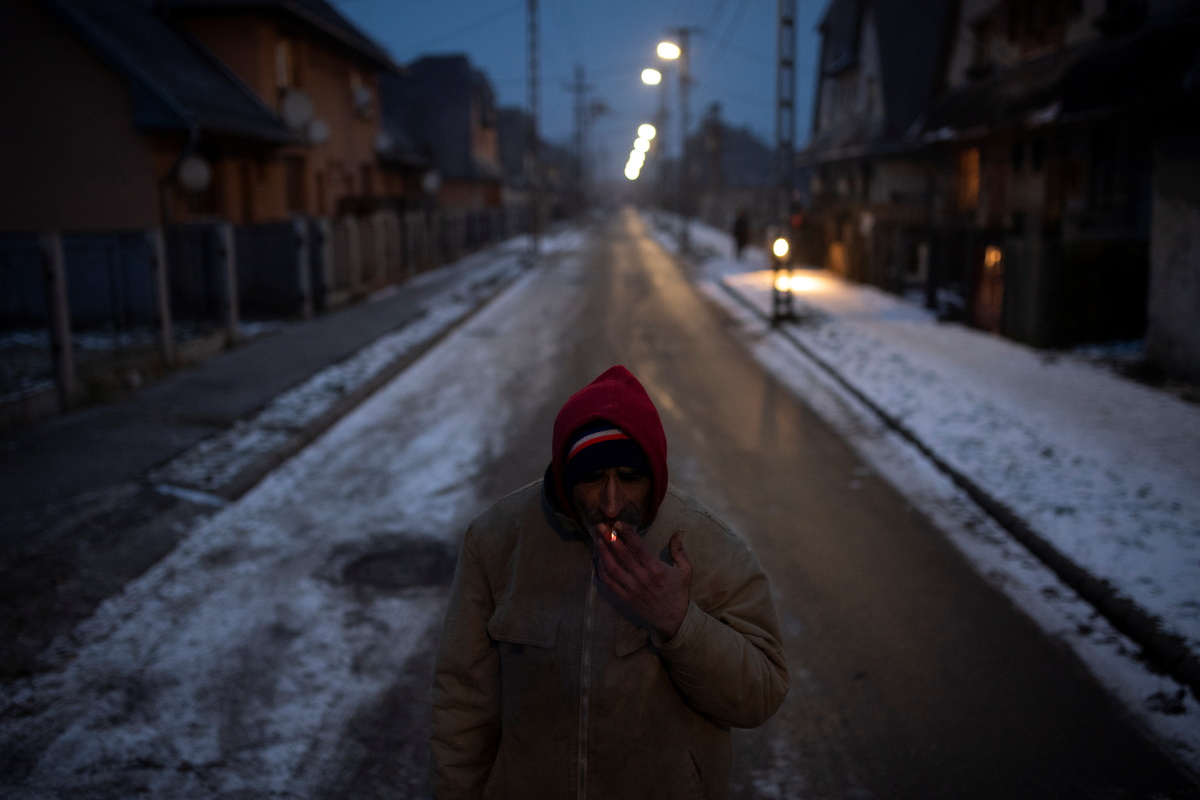
Bela Varga, 53, smokes a cigarette in Ozd, Hungary, January 19, 2021. REUTERS/Marton Monus
But he also has to burn some materials before daylight, to conceal the thick black smoke that billows from his chimney when he uses plastic or rubber. Such household pollution is illegal in Hungary, including in this town near the Slovakian border.
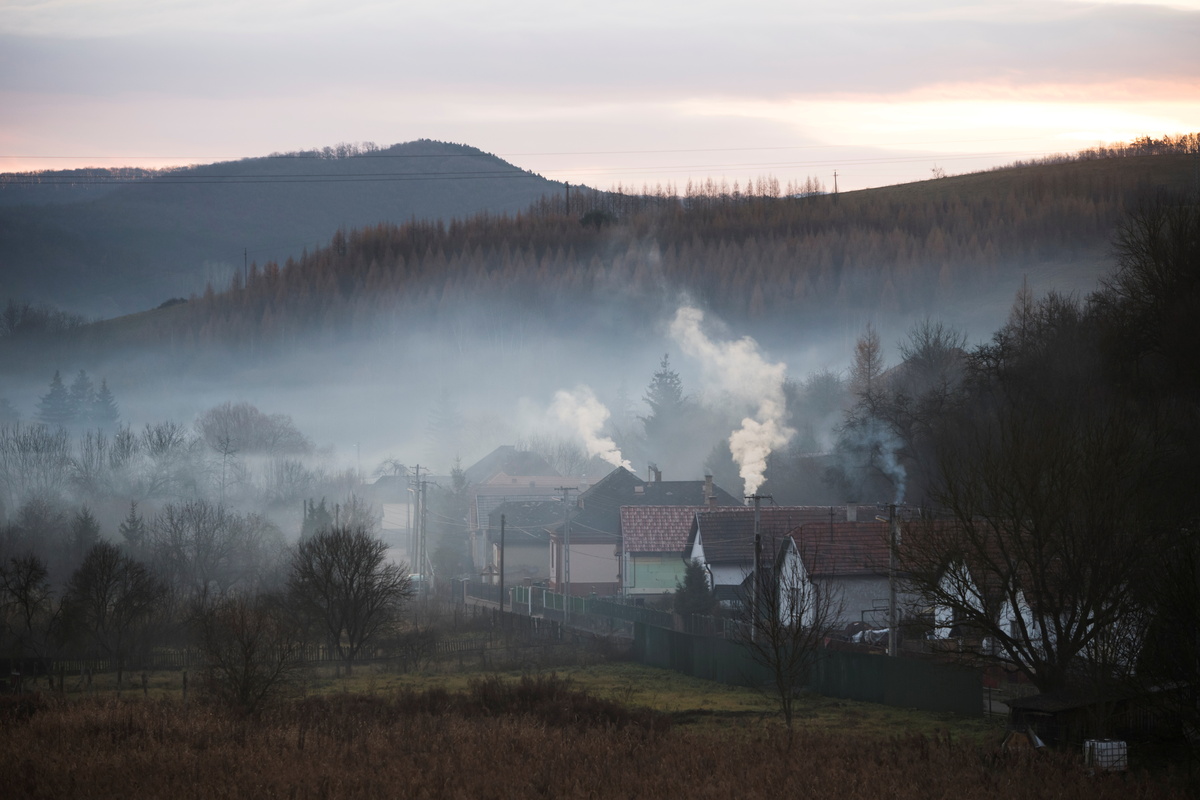
People do it anyway. On a foggy winter's day, dense smoke of different hues spews from nearly every chimney. It stays low in the air, gradually filling the narrow valleys.
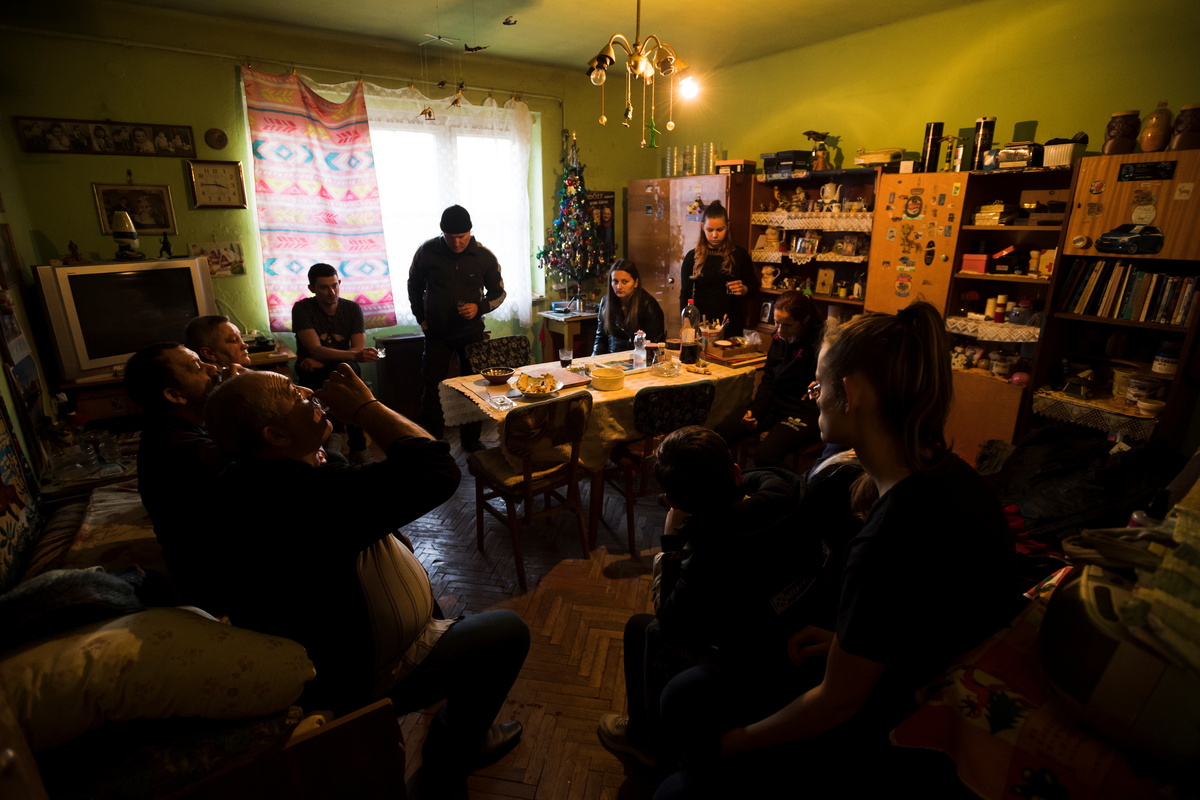
"Firewood is expensive," Berki said one recent afternoon, as his family played around him, crammed into a small room. "Either I buy wood or food. So I go to the forest, or the junkyard, and if we find plastic or rubber we burn that."
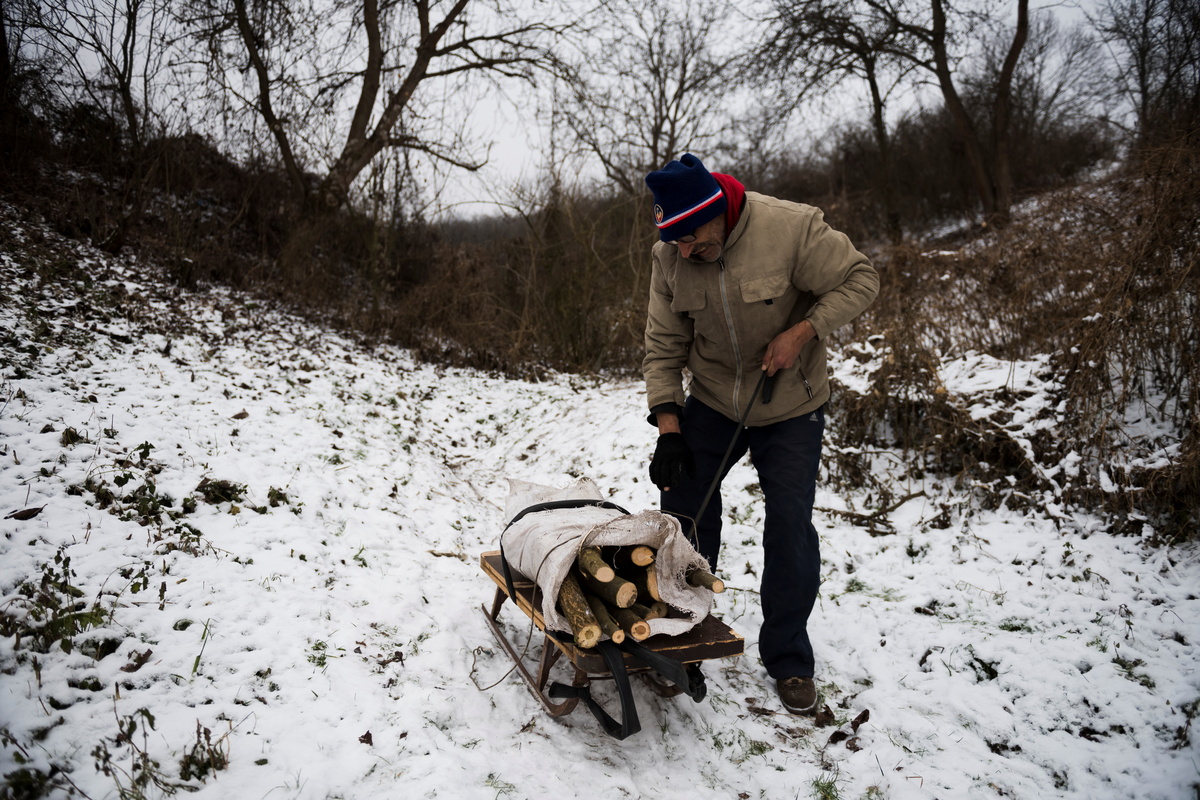
Bela Varga, 53, drags firewood that he collected from trees on a sledge in Sajonemeti, Hungary, January 19, 2021. REUTERS/Marton Monus
The Court of Justice of the European Union ruled last week that Hungary had breached pollution limits for over a decade in the Sajo river valley, as well as other areas, which could be grounds for financial penalties unless reversed.
The ruling should be seen as "a wake-up call", European Commission spokeswoman Vivian Loonela said.
The Hungarian government did not respond to a request for comment.
Milan Berki, 4, is held by his mother Renata Horvat, as he is examined by a doctor in Ozd, Hungary, January 19, 2021. REUTERS/Marton Monus
Although Hungary has reduced its carbon emissions in the past decades and is not the worst offender in Europe, pockets of high pollution persist, and rules are rarely enforced, according to locals and environmental rights groups.
The capital Budapest and the southern city of Pecs suffer too, but the situation in the Sajo valley, where pollution and poverty go hand-in-hand, is especially severe.
In Berki's home, the hand-sized doors of the furnace open with a creak. Berki starts the flames and throws in a wood plank or two to build heat. Then he burns whatever he can. Plastic bottles, cut-up tyres and window frames all work. An old shoe often suffices.
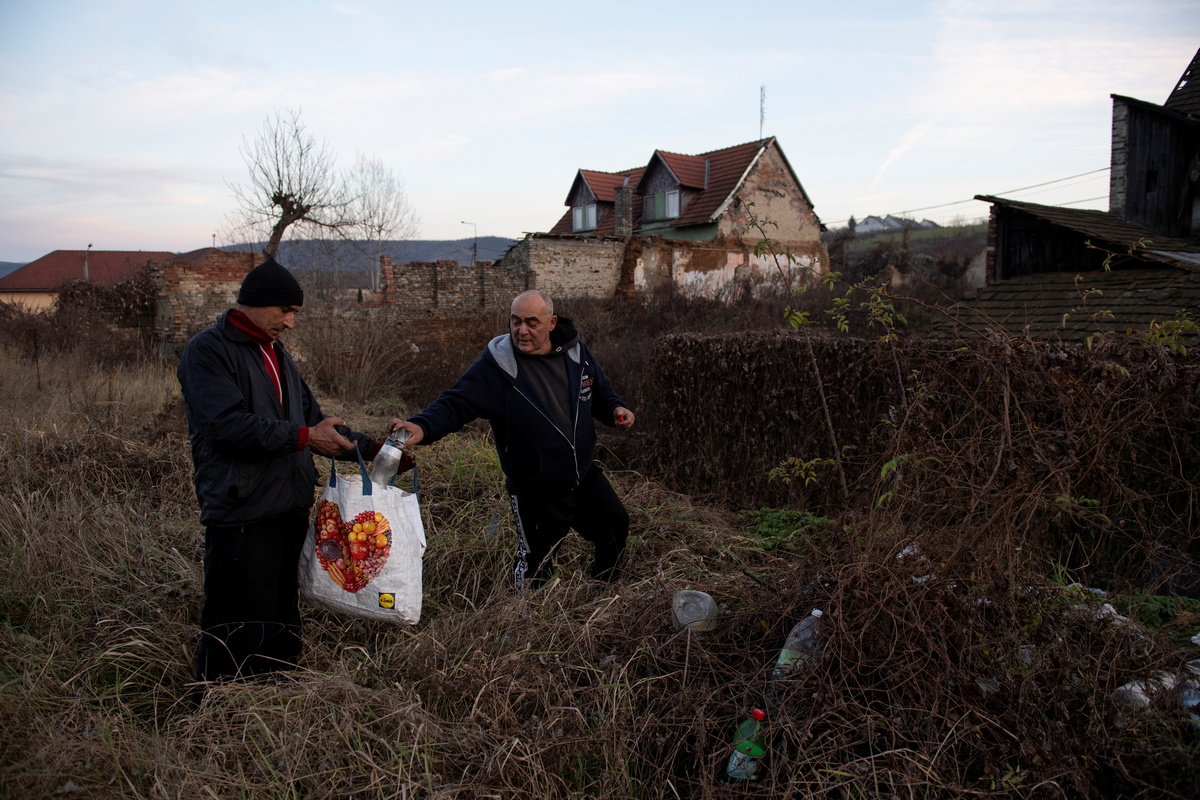
Bela Varga, 53, searches for coal in the waste dump off an old abandoned mine in Farkaslyuk, Hungary, December 19, 2020. REUTERS/Marton Monus
Scavenging for material https://reut.rs/3tKI0wD to burn is common for the poorest people in the small, run-down town of Sajonemeti and those nearby, among the most destitute communities in Europe since Communist-era heavy industry vanished 30 years ago, leaving thousands jobless.
Aware of the rules, Berki avoids burning some fuel by day.
"The neighbours can see, and you can also smell it," he said. "We throw the rubber and the plastic bottles and such things on at night."
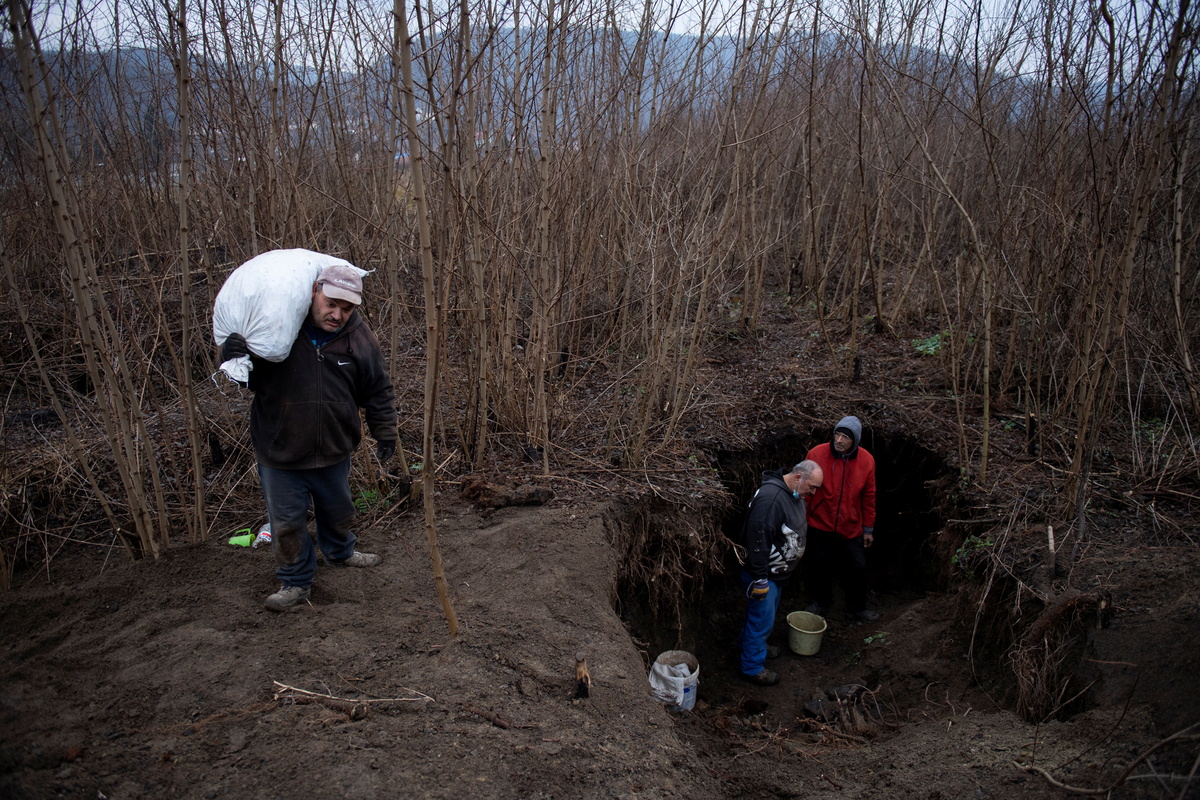
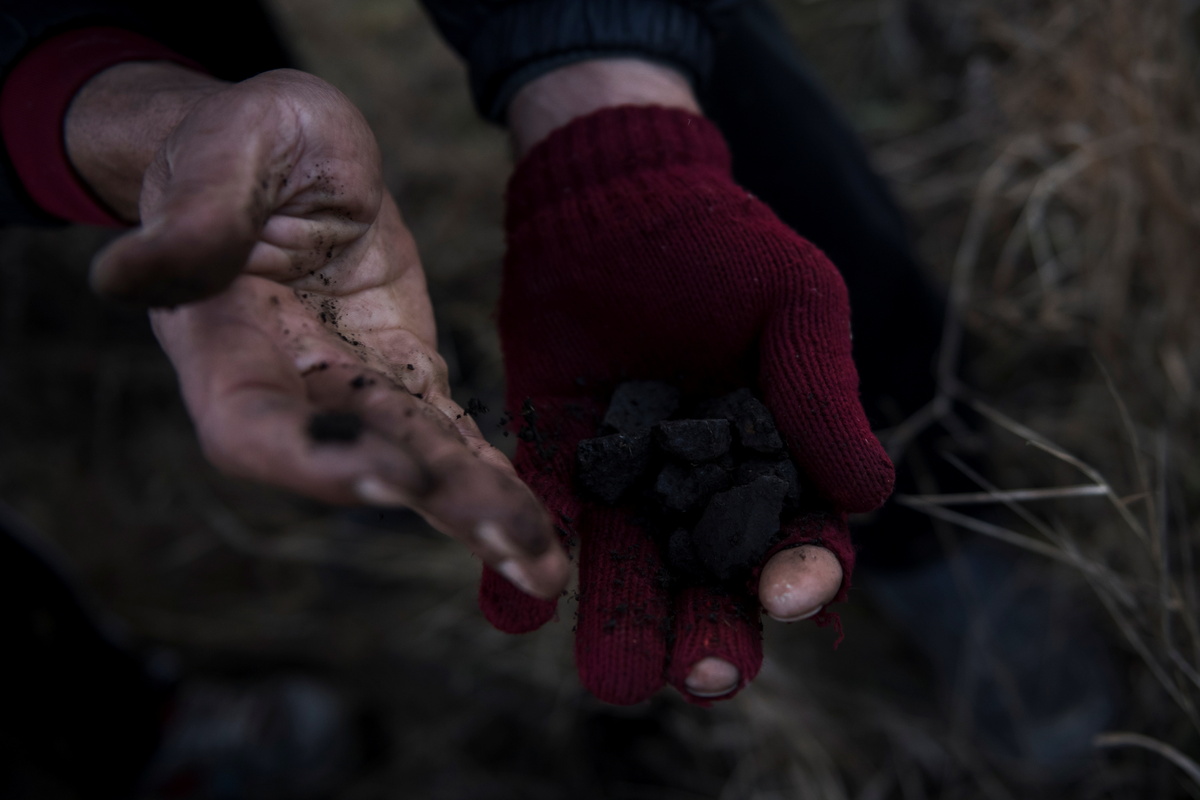
Zoltan Berki Sr, 55, and Bela Varga, 53, search for coal in the waste dump off an old abandoned mine in Farkaslyuk, Hungary, December 19, 2020. To Zoltan Berki Sr. pollution means chest pain and coughs, but cold is a more imminent danger. "We'll dig down here, one shovels, the other picks, we collect what we find and take it home to burn," Berki said. "They heat up nicely, and we can't afford to buy anything." REUTERS/Marton Monus
The valley forms a dead end and prevents winds as cold air settles in, so heavy smog can linger for weeks. Several such areas exist in Hungary, together contributing to thousands of premature deaths every year, according to Europe's top court.
YEARS OF ALARM
Hungarian environmental groups have been raising the alarm for years.
Cintia and Kevin (C), Zoltan Berki Sr's step-children, play on their phones at Berki Sr's home in Ozd, Hungary, December 19, 2020. REUTERS/Marton Monus
In 2020 Zsuzsanna F. Nagy, northeastern Hungary's foremost environmental activist, surveyed locals about their heating practices, and found that while some people burned rubbish, even those who tried to heat homes properly often burned lignite or other coal products that were unfit for home use.
That echoed the assessment of the Clean Air Action Group, a Budapest-based green organisation, which said coal types can vary widely, and by using the wrong ones, households could erase gains made by a post-Communist cleanup of industry.
The gap between quality coal and low-grade alternatives can mean a 60-fold difference in particulate emissions, it said.
Renata Horvat smokes a cigarette as she holds her son Manasse Berki in Ozd, Hungary, January 19, 2021. REUTERS/Marton Monus
In Hungary, a country of 10 million people, air pollution causes an annual 13,000 premature deaths, a million people fall sick and billions of euros are lost to economic damage, Clean Air project leader Judit Szego said.
According to the European Environmental Agency, Hungary ranks third in Europe behind Bulgaria and Poland in health damage, losing an annual 1,128 life years per 100,000 residents due to particulate pollution, or small flying dust, alone - compared with about 500 in the UK or 250 in Sweden.
Air pollution can cause allergic reactions, asthma and chronic obstructive pulmonary diseases, the National Public Health Institute said in a 2017 study.
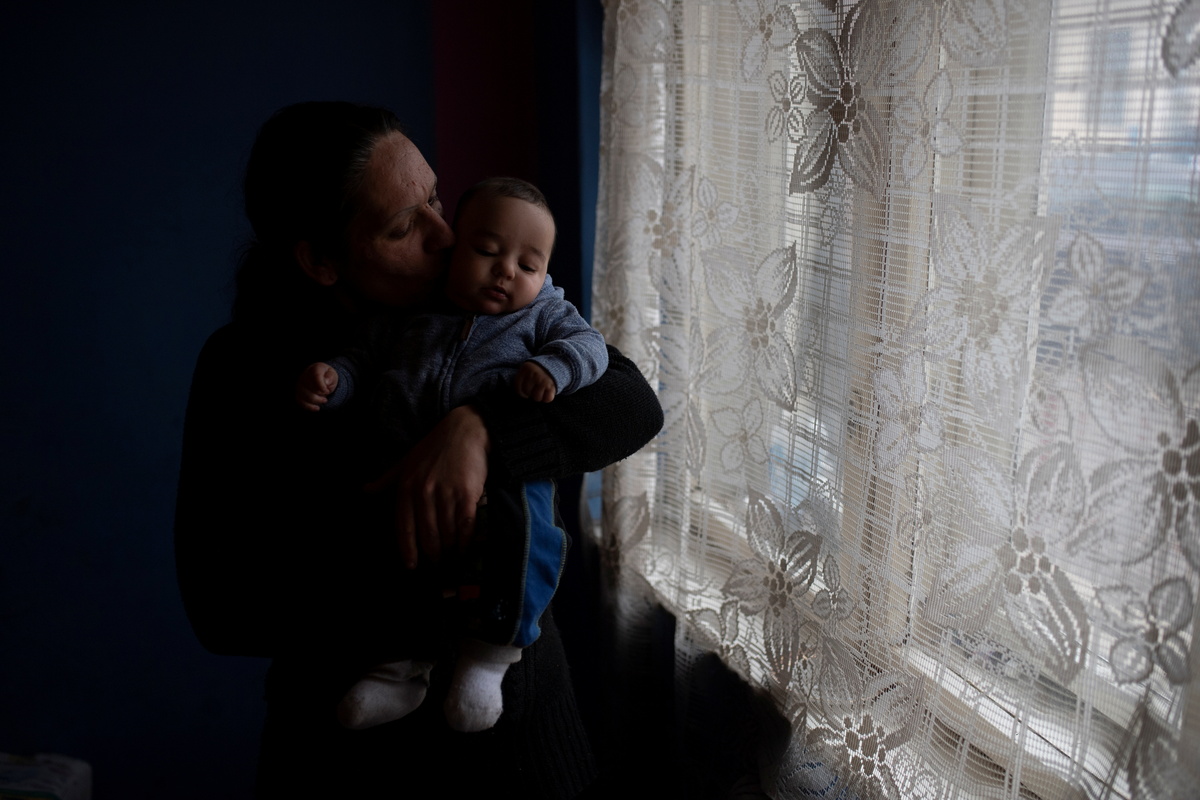
Renata Horvat kisses her son Manasse Berki at their home in Sajonemeti, Hungary, February 7, 2021. REUTERS/Marton Monus
Berki's five children all use inhalers because they suffer from asthma symptoms, he said. To his father, Zoltan Berki Sr., pollution means chest pain and coughs.
On Sunday, the elder Berki went to dig up leftover coal by hand - a common sight in winter.
The man-made mounds are littered with materials for burning, including logs from the old coal mine rail tracks which are infused with diesel.
Zoltan Berki Sr, 55, looks for firewood in Ozd, Hungary, December 19, 2020. To Zoltan Berki Sr. pollution means chest pain and coughs, but cold is a more imminent danger. "We collect what we find and take it home to burn," Berki said. "They heat up nicely, and we can't afford to buy anything." REUTERS/Marton Monus
"Smokes like hell but burns nicely," he said as he piled up a few. "We collect what we find and take it home to burn. They heat up nicely, and we can't afford to buy anything."
(Additional reporting by Kate Abnett in Brussels; Editing by Mike Collett-White)
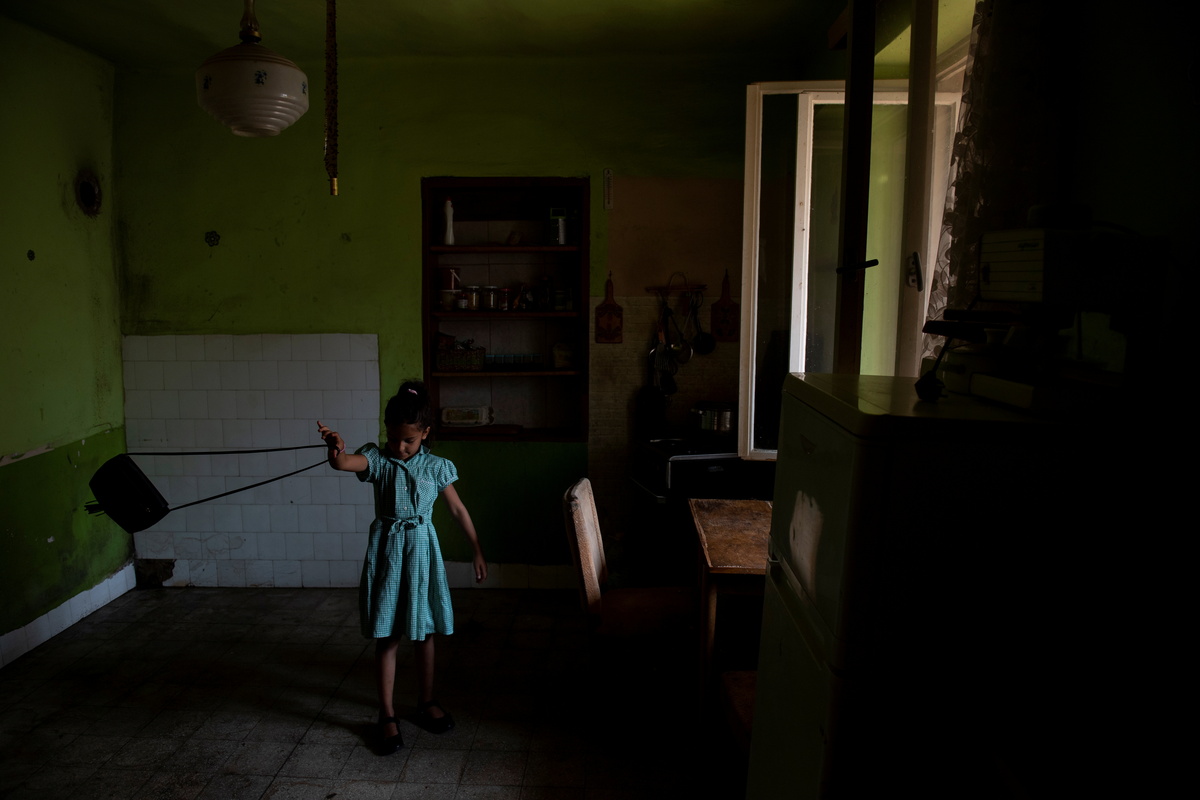
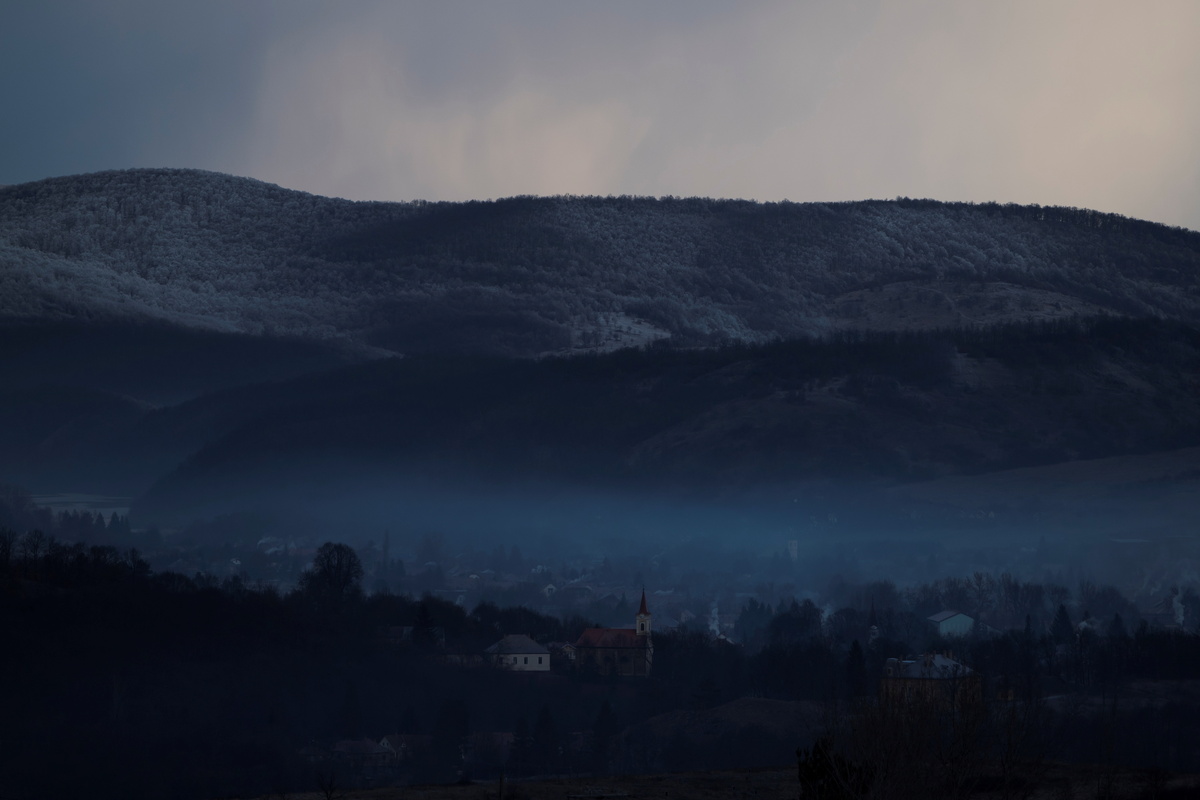
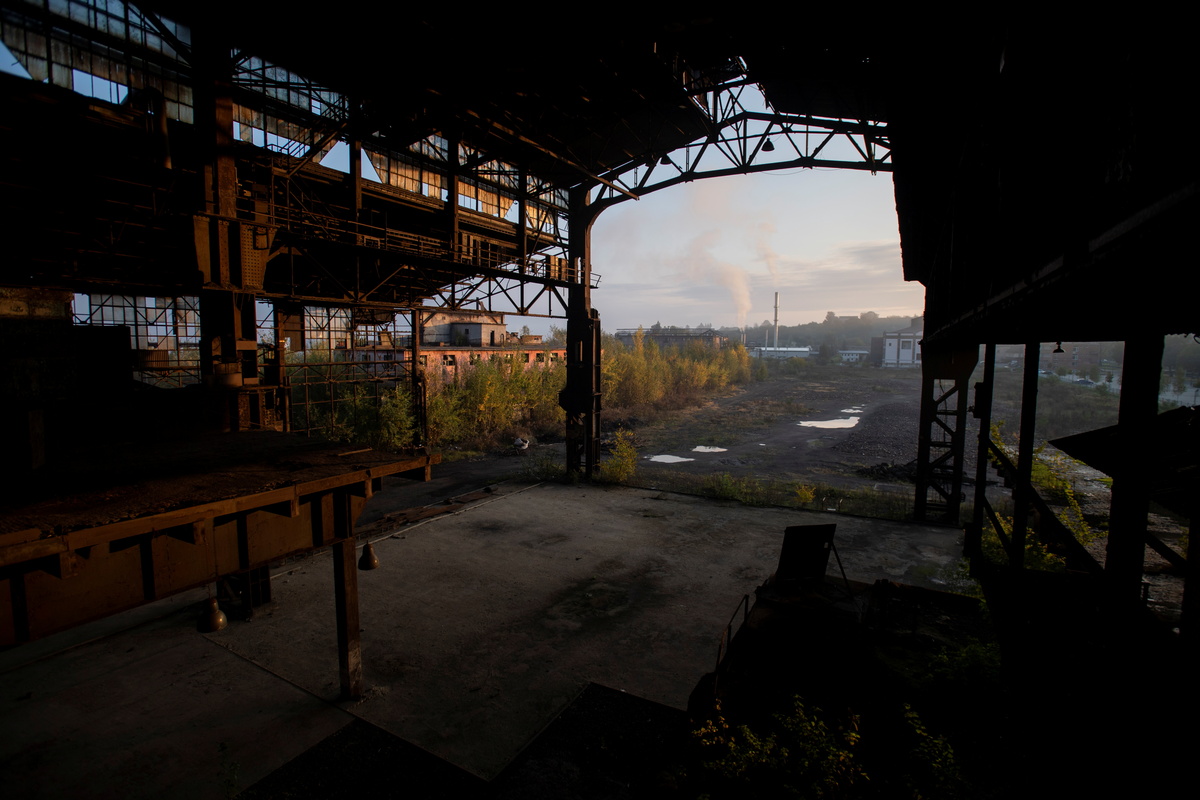
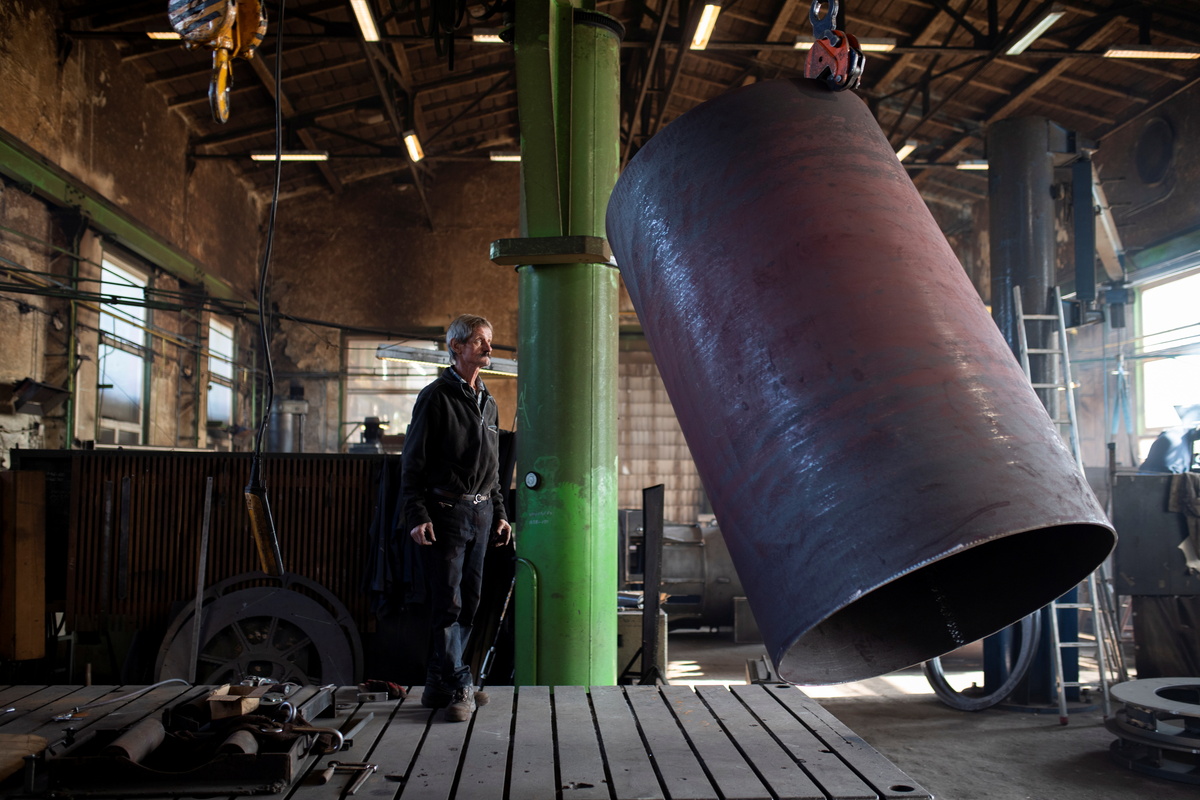
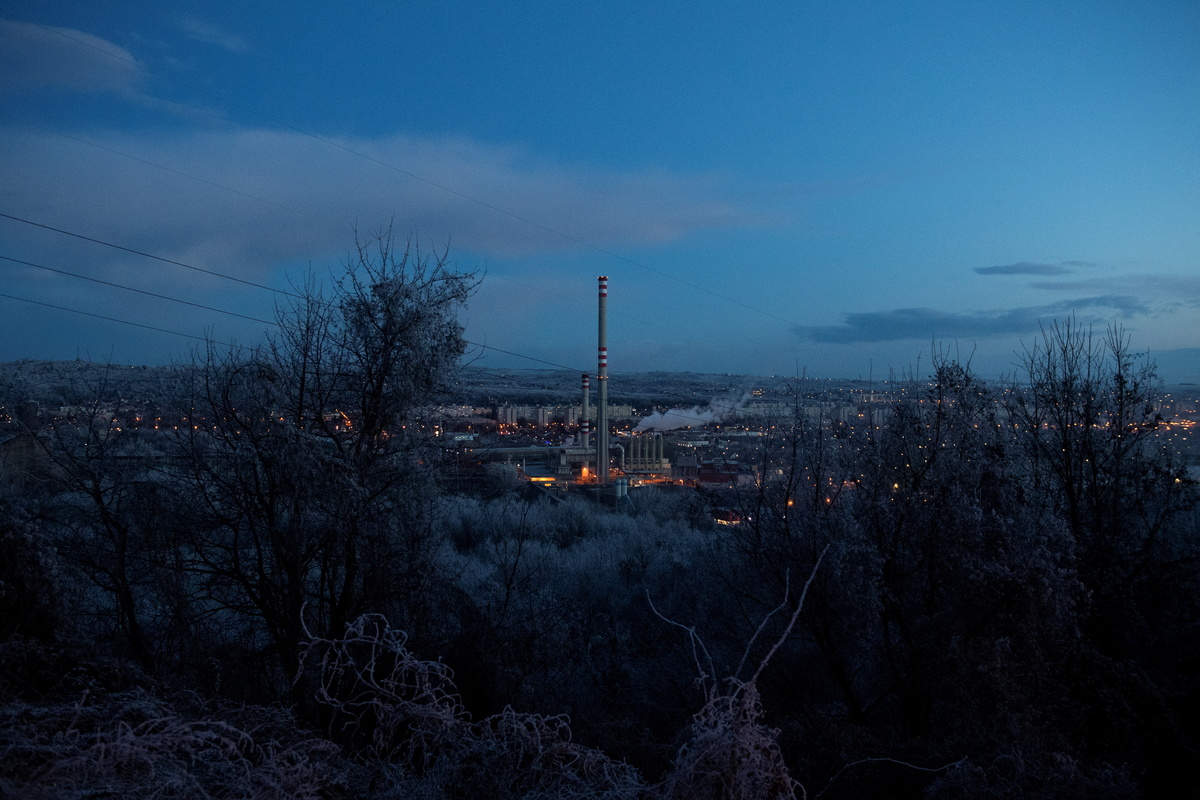
Zoltan Berki Sr., 55, and his family remember his father-in-law Endre Javorszki during his funeral in Ozd, Hungary, January 12, 2021. REUTERS/Marton Monus Renata Horvat and her two-year-old daughter Annabella Berki wait to be seen at the doctor's office in Ozd, Hungary, January 12, 2021. REUTERS/Marton Monus Discarded plastic from outside is placed into a fire to create heat in Ozd, Hungary, December 6, 2020. REUTERS/Marton Monus Bela Varga, 53, warms up by the fire at his home in Ozd, Hungary, December 6, 2020. REUTERS/Marton Monus Zoltan Berki Sr, 55, and his friend Bela Varga, 53, drink wine together at Varga's home in Ozd, Hungary, December 6, 2020. REUTERS/Marton Monus Zoltan Berki Sr, 55, and Bela Varga, 53, look for discarded plastic in Ozd, Hungary, December 6, 2020. To Zoltan Berki Sr. pollution means chest pain and coughs, but cold is a more imminent danger. "We'll dig down here, one shovels, the other picks, we collect what we find and take it home to burn," Berki said. "They heat up nicely, and we can't afford to buy anything." REUTERS/Marton Monus Bela Varga, 53, separates soil from small pieces of coal that he found in Ozd, Hungary, December 6, 2020. REUTERS/Marton Monus Bela Varga, 53, smokes a cigarette in front of his home in Ozd, Hungary, December 6, 2020. REUTERS/Marton Monus Smoke rises from chimneys in Borsodnadasd, Hungary, December 6, 2020. REUTERS/Marton Monus A window looks out from the remains of an abandoned steel factory in Ozd, Hungary, October 19, 2020. REUTERS/Marton Monus Zoltan Berki Sr, 55, chats to his daughter-in-law Renata Horvat at Horvat's home in Sajonemeti, Hungary, September 13, 2020. REUTERS/Marton Monus SENSITIVE MATERIAL. THIS IMAGE MAY OFFEND OR DISTURB Renata Horvat breastfeeds her son Manasse Berki as he is baptised in Ozd, Hungary, October 10, 2020. REUTERS/Marton Monus Zoltan Berki, 28, plays with his daughters in Sajonemeti, Hungary, September 13, 2020. Berki usually wakes up before dawn, as his five small children sleep next door, to feed the old iron furnace that stands in a wall cavity to warm up both rooms. This is the only part of his house that he can afford to heat during winter. "Firewood is expensive," Berki said one recent afternoon, as his family played around him, crammed into one small room. "Either I buy wood or food. So I go to the forest, or the junkyard, and if we find plastic or rubber we burn that. "But not during the day or the neighbours can see, and you can also smell it. We throw the rubber and the plastic bottles and such things on at night." REUTERS/Marton Monus Relatives and friends attend the baptism of Manasse Berki in Ozd, Hungary, October 10, 2020. REUTERS/Marton Monus Dzsamila Berki, 8, daughter of Zoltan Berki and Renata Horvat, plays in the kitchen at her home in Sajonemeti, Hungary, September 13, 2020. REUTERS/Marton Monus Fog rolls over Dedestapolcsany, Hungary, January 5, 2020. REUTERS/Marton Monus Kalman Cinka, 30, a factory worker, drinks with his family before his godson Manasse Berki's baptism in Ozd, Hungary, October 10, 2020. REUTERS/Marton Monus The remains of an abandoned steel factory stand in Ozd, Hungary, October 19, 2020. REUTERS/Marton Monus A man stands inside a steel factory in Ozd, Hungary, October 19, 2020. REUTERS/Marton Monus Houses stand in Miskolc, Hungary, January 5, 2020. REUTERS/Marton Monus
Sign up to read this article
Read news from 100’s of titles, curated specifically for you.