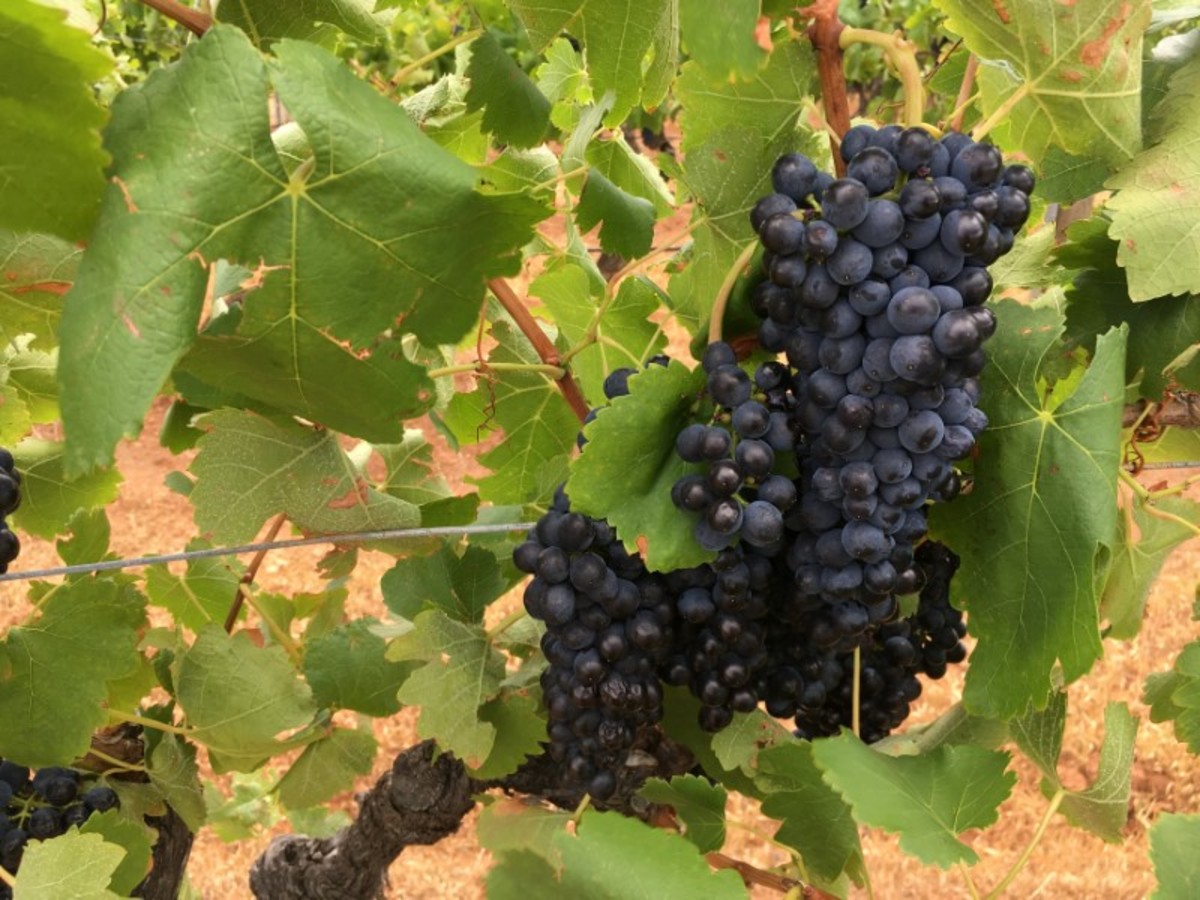
HUNTER VALLEY, Australia/SHANGHAI (Reuters) - Wang Zhe, a wealthy Chinese businessman from Guangzhou, liked his glass of decade-old Chardonnay at an Australian winery so much he wanted more.
So he asked to buy the entire vintage.
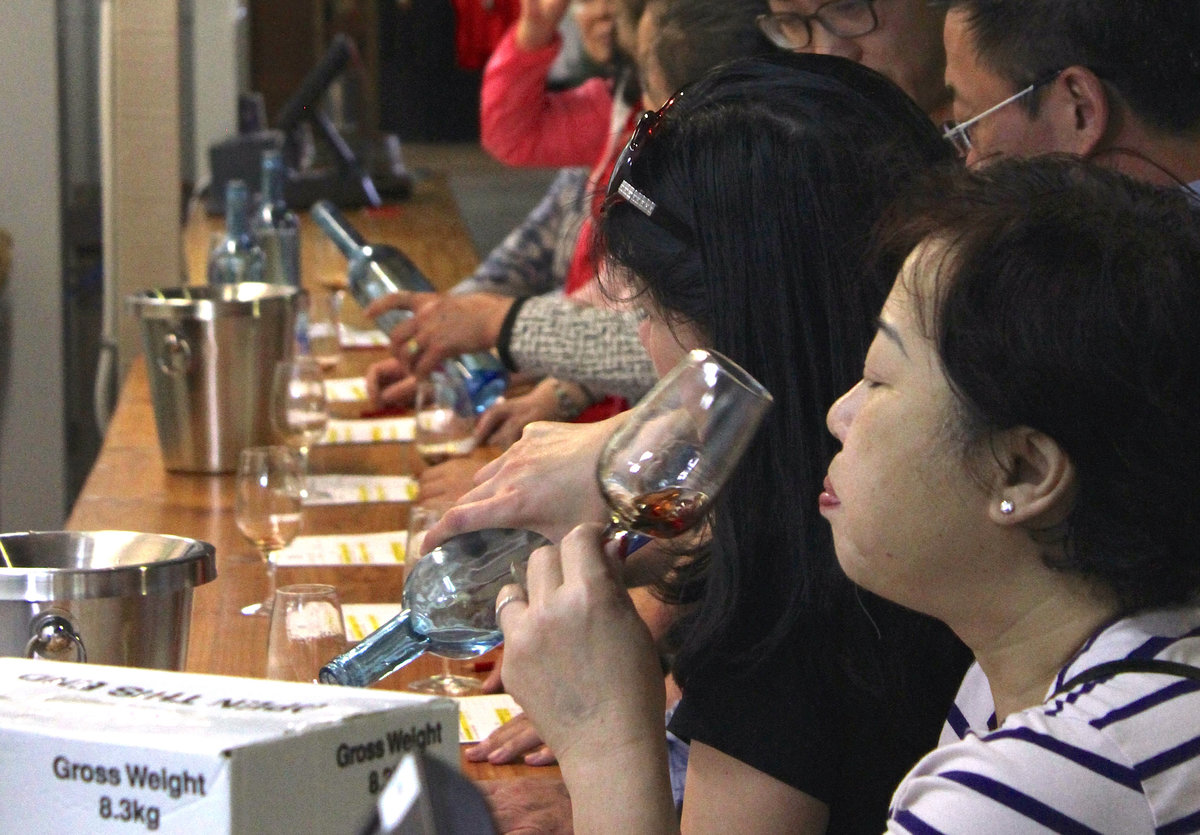
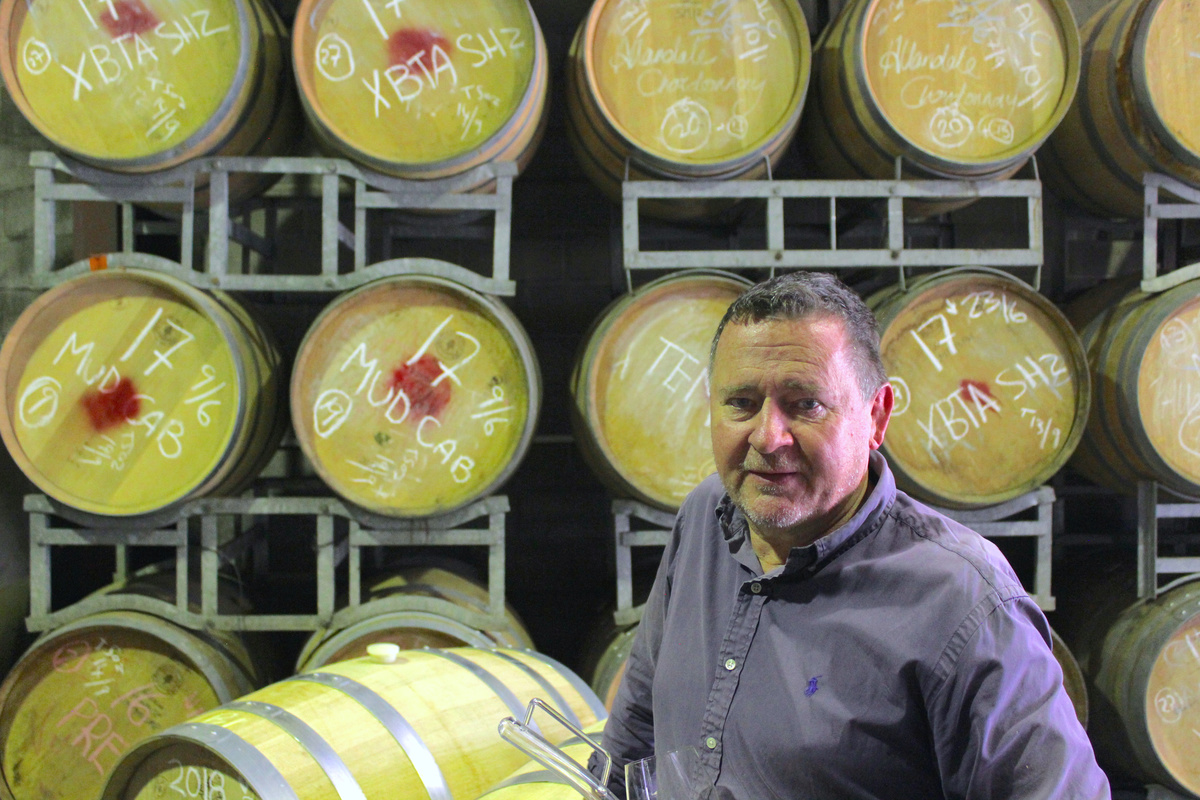
It was the sort of offer, made over roast lamb and vegetables at a dinner in Wang's honour, that has sent Australian wine exports to China soaring by 63 percent, hitting A$848 million ($660 million) last year. And Col Peterson, the winemaker behind the Chardonnay, said Wang is the kind of buyer who has upended Australia's wine industry.
At the dinner party, Wang, wearing a red hoodie and Prada loafers, said through a translator who works at Peterson's Hunter Valley vineyard that the wine was "amazing."
"I've tried a lot of wines from different countries, and after that I thought: 'Australian wine is very good,'" said Wang, whose purchase at the vineyard, some 250km (155 miles) north of Sydney, sought to add more wine to a collection already full of Burgundy and Bordeaux.
His association with Peterson illustrates how Australian winemakers are cultivating connections in China, the world's fastest-growing wine market, that are bearing valuable fruit even as entrenched European exporters are hitting headwinds.
Policy changes have helped too: Australian wine sales to China have more than doubled since a free trade agreement between the countries took effect in December 2015, cutting tariffs from as high as 20 percent to about 3 percent.
EXPANSION, UNCORKED
France is by far the dominant wine seller to China, holding about 40 percent of the imported wine sales market. Australia has been in second place for a decade, according to figures from International Wine and Spirit Research and Wine Australia.
But where French sales growth has been steady, Australia's has skyrocketed.
"In the first-tier cities here, in Shanghai or Beijing, we see more and more wines coming from Australia, Spain, Chile because consumers are more open minded to new origins and styles," said Guillaume Deglise, chief executive officer of Vinexpo, which organises wine and spirits trade fairs.
"At the same time in the second- or third-tier cities, the same consumers, especially the younger consumers, are also interested in these countries because they offer a more competitive option than France," he added.
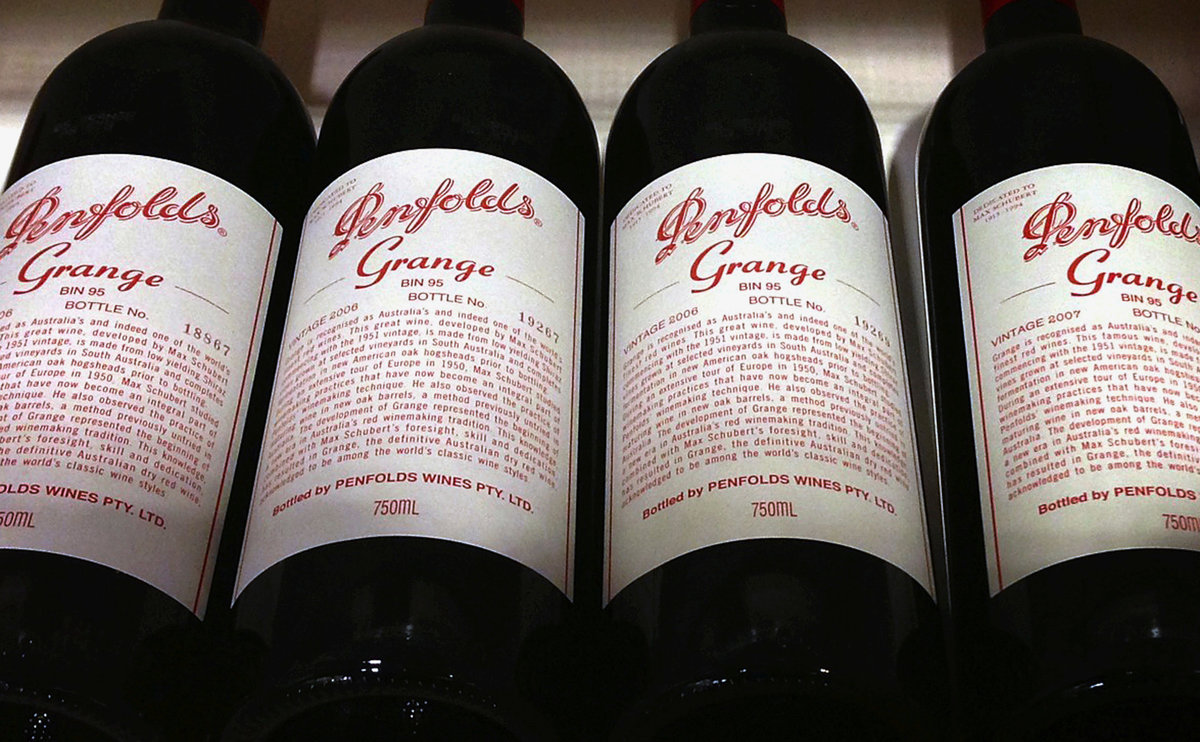
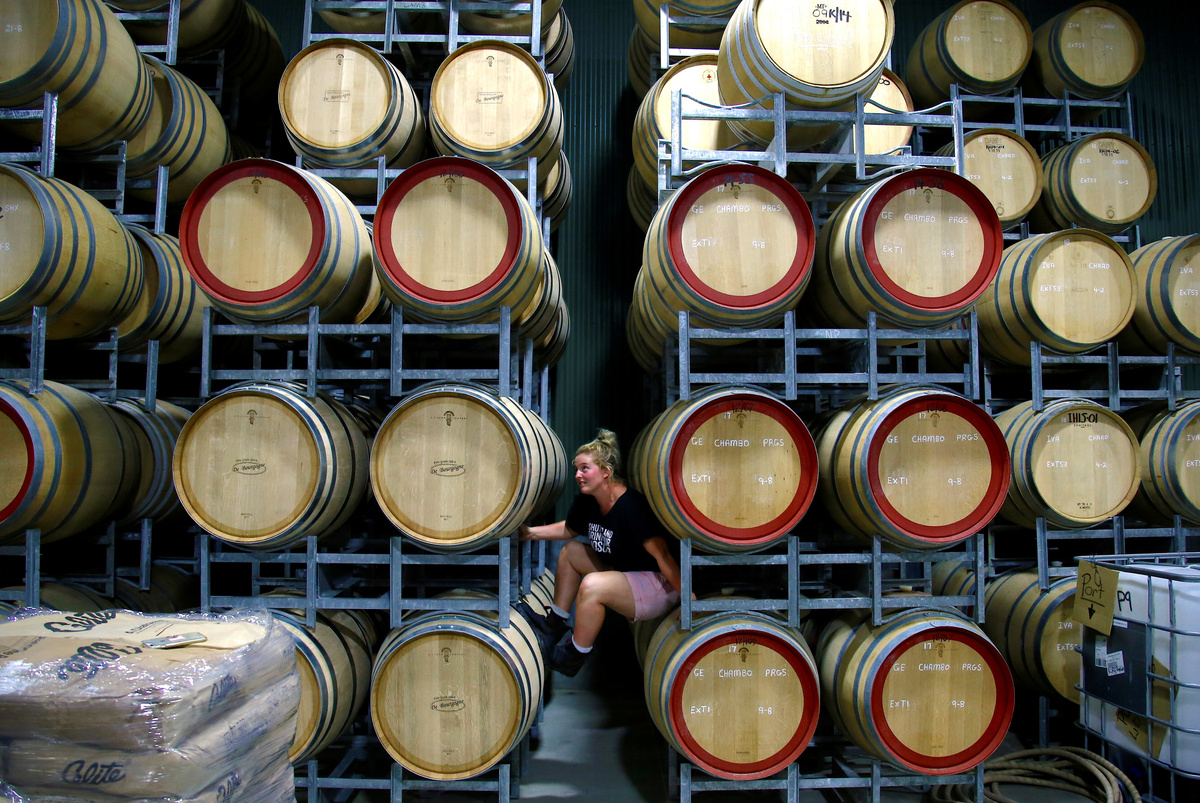
Over the past decade, Australia's exports to China by value have expanded roughly twice as much as volume, as sales of higher-end wines such as Penfolds Grange have grown most of all - leading to record profits for its producer, Treasury Wine Estates <TWE.AX>.
A FLOOD OF INVESTMENT
At the same time, Chinese investment has flowed through the wine supply chain, with a flurry of relatively small purchases of Australian wine assets.
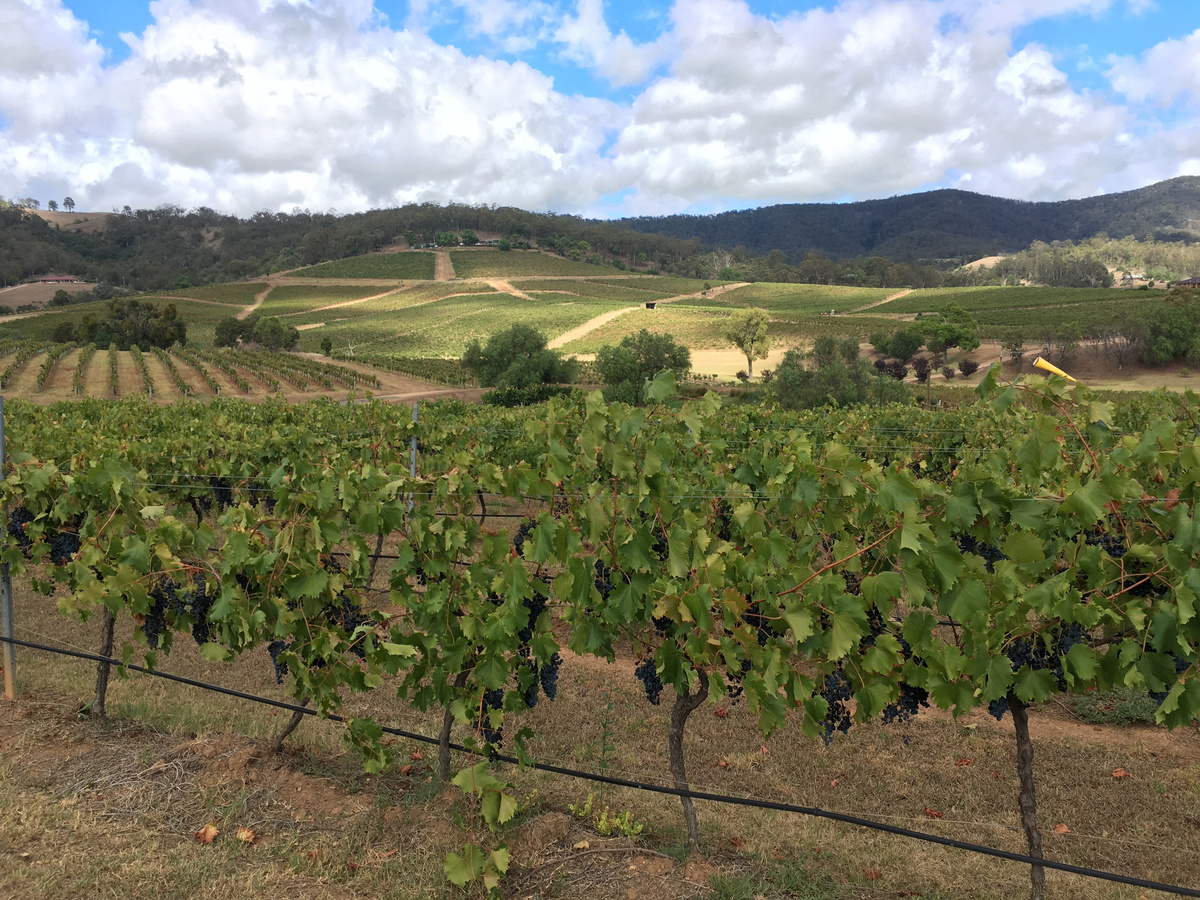
Last May, Chinese wine distributor YesMyWine made one of the largest investments with its purchase of a 15 percent stake, and a board seat along with it, in Australian Vintage Ltd <AVG.AX>, Australia's fifth-largest winemaker. The A$16.5 million deal came through its investment vehicle Vintage China Fund LP.
In January, Yantai Changyu Pioneer Wine Co Ltd <000869.SZ> bought a majority stake in South Australian vineyard Kilikanoon for $15.5 million, on the heels of several smaller deals in recent years.
Cain Beckett, director of Hunter Valley realty agency Jurds, said he sells a few vineyards a month to Chinese buyers.
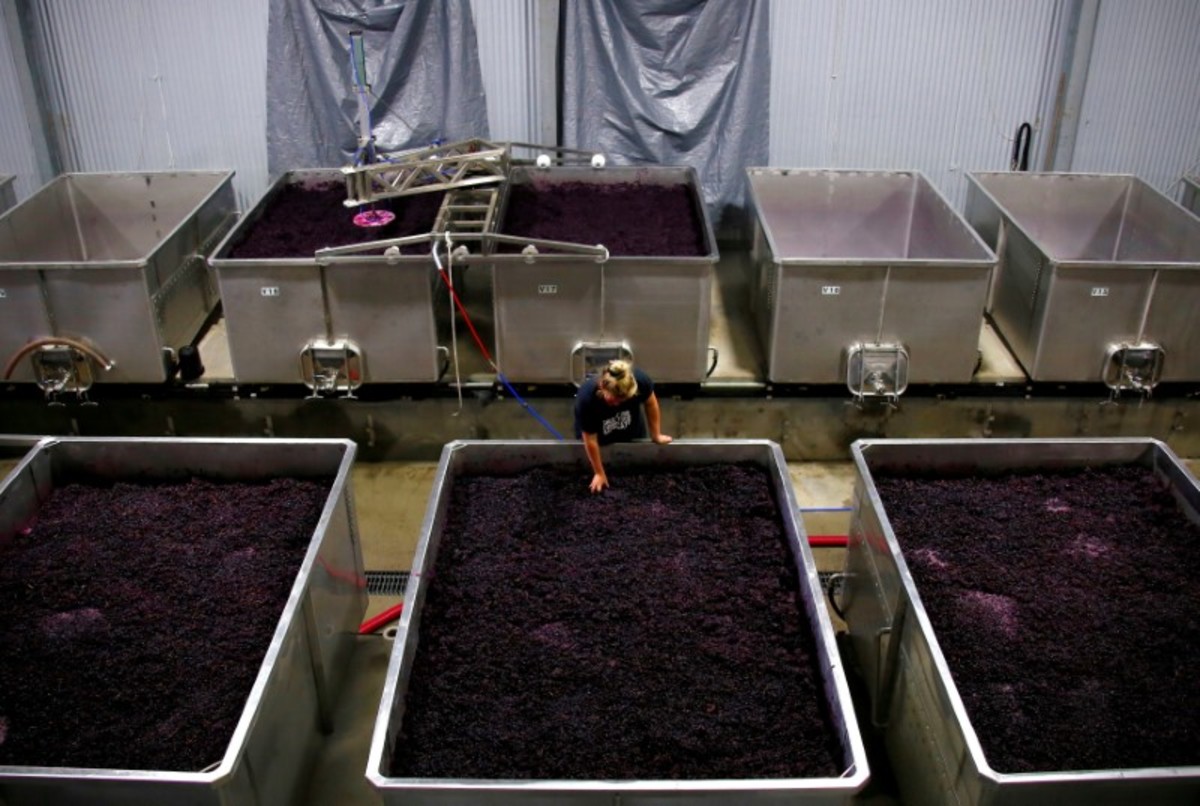
Australia's tax office, the only official tracker of foreign agricultural land purchases, said privacy concerns prevented it from disclosing how many vineyards were Chinese-owned.
Stephen Strachan, director of Adelaide-based wine consultant Gaetjens Langley, said about half of foreign interest in vineyard purchases across Australia comes from China.
Beckett estimates 50 out of 250 vineyards in the Hunter Valley region are Hong Kong or Chinese-owned.
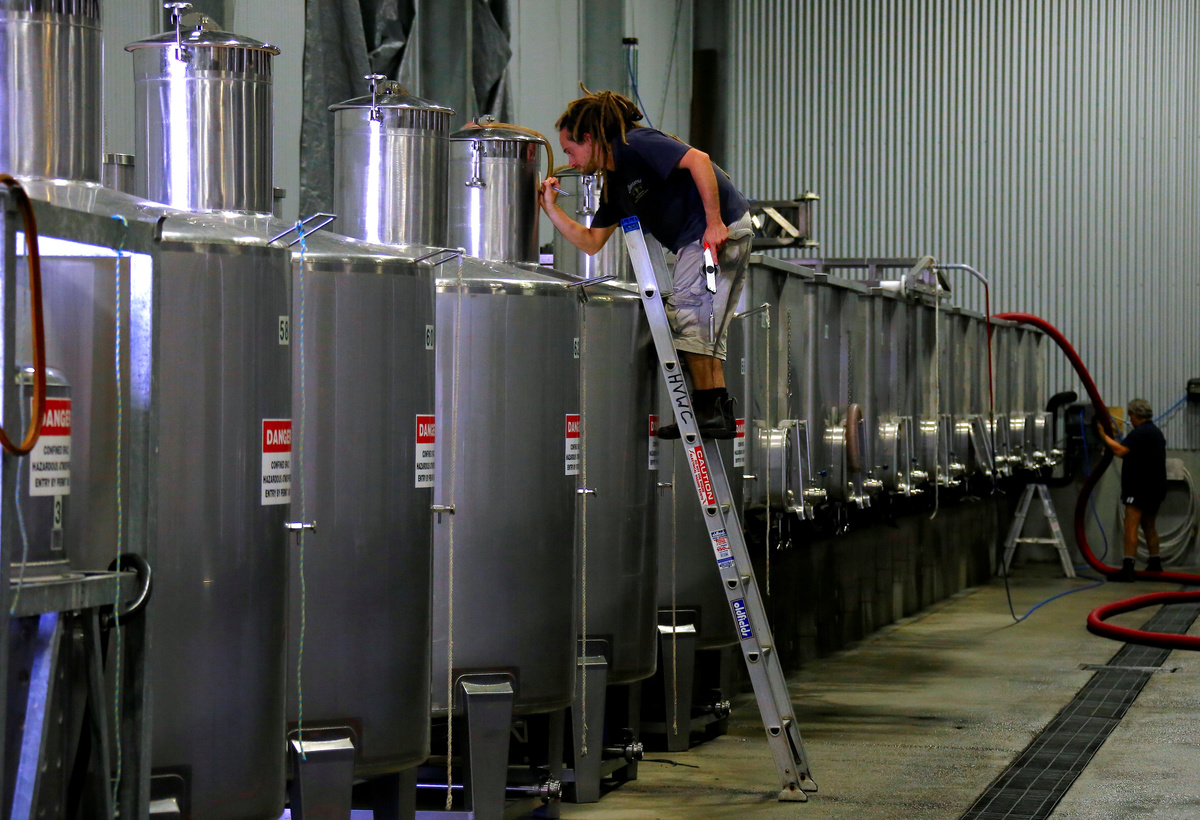
Among them is Iron Gate Estate, with Semillon, Verdelho and Shiraz vines, bought several weeks ago by the Hong Kong-based Kuo family, which owns an electric parts manufacturing plant in Shenzhen.
"We're looking to increase (production), but Asia for us is a place where we are still finding our way," said Gavin Kuo, 38, who moved from Sydney to manage the vineyard.
"But we have to be careful because we are a boutique winery and we can't actually change certain flavours just for an Asian market," he said.
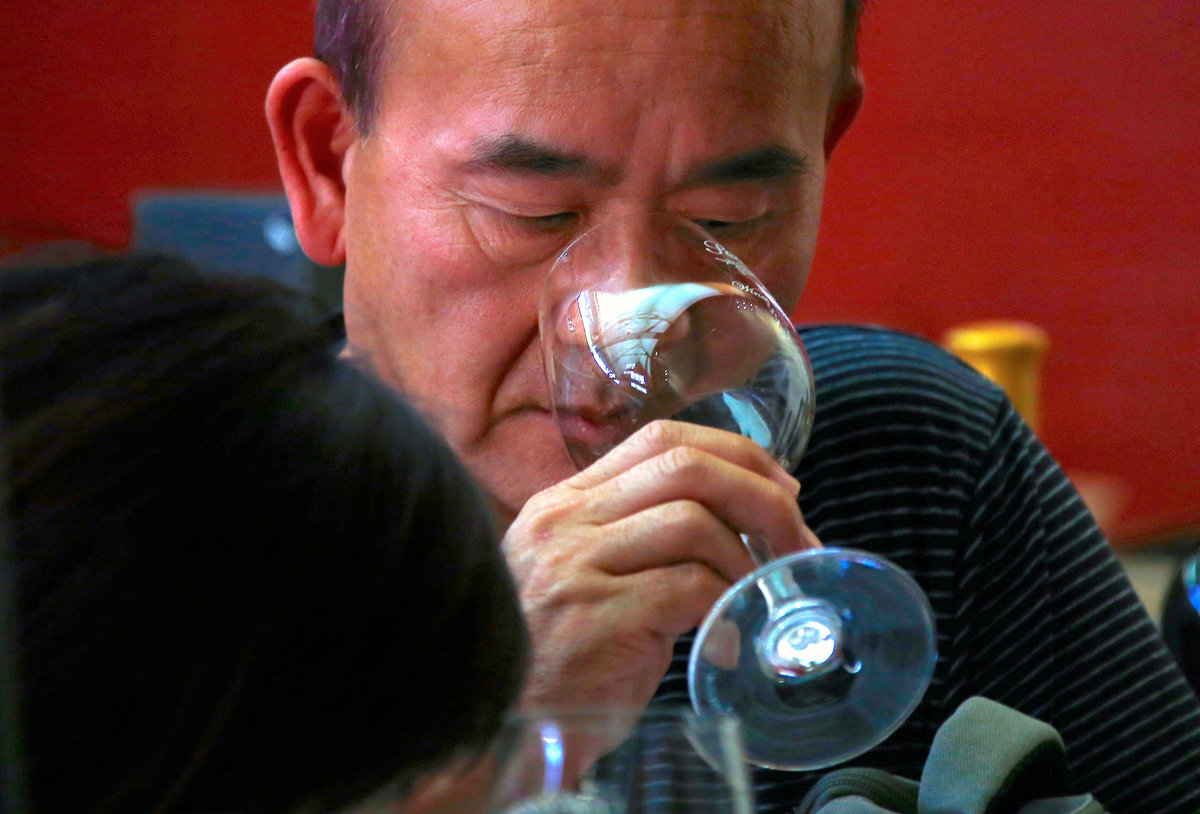
MAKING TASTE
Since China replaced the U.S. as Australia's largest export market by value in 2016, winemakers have redoubled efforts to adjust, hiring Mandarin-speaking staff, turning out Chinese-language labels and laying out chopsticks with meals at their restaurants.
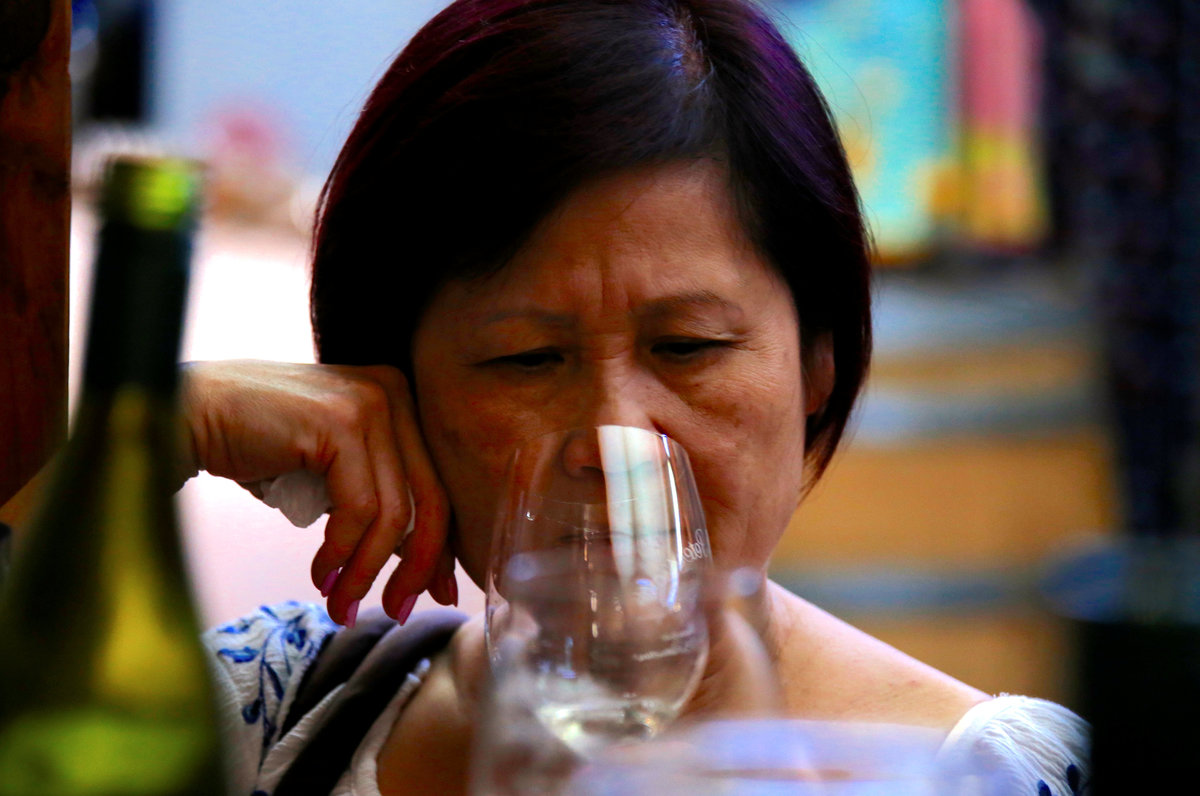
Australian producers who had mostly switched to sealing bottles with screw caps have returned to corks to meet Chinese expectations; French wines, which typically use corks, are considered more traditional and prestigious.
A few Australian vintners have experimented with changing the way their wines taste.
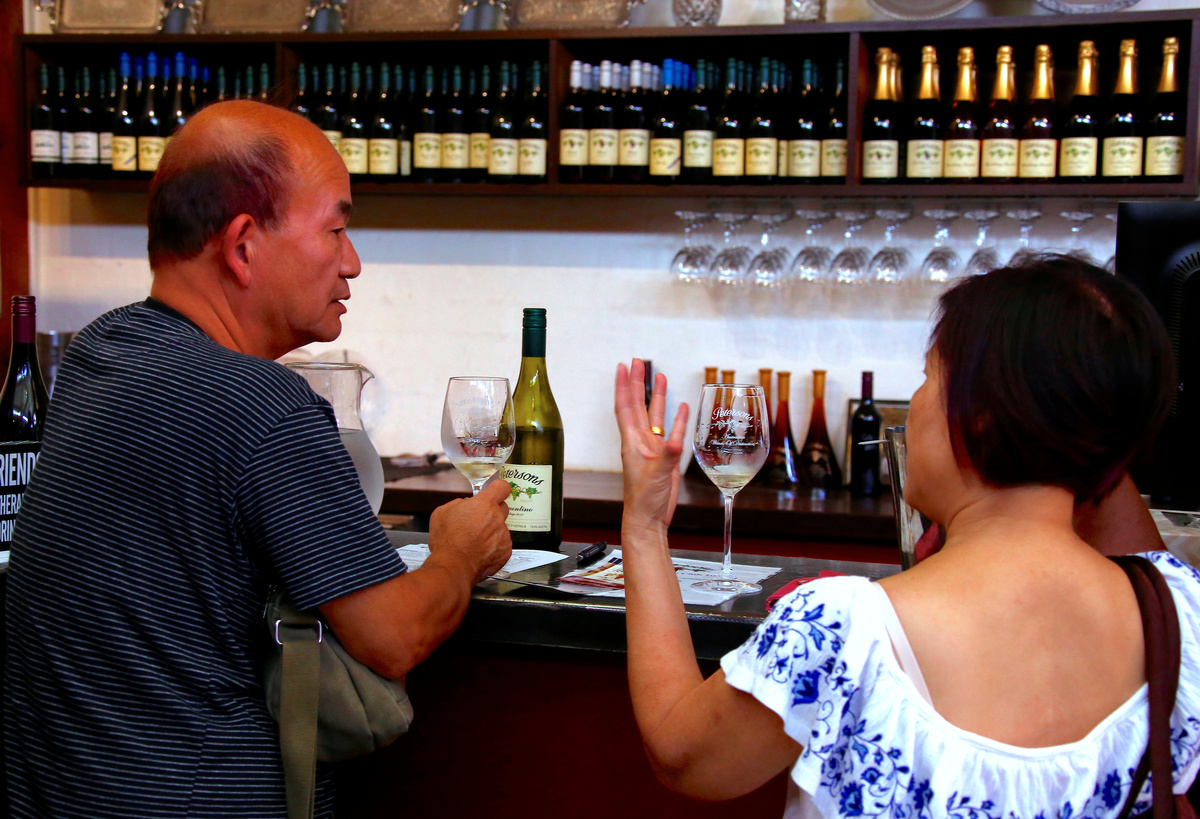
"It's the one question I would say that we grapple with most in terms of export," winemaker Bill Sneddon told Reuters at Allandale Winery in the Hunter Valley.
"Do we make wines that we think will fit the market, or do we make the best wines we can and try and fit the market to the wine? I don't think we've got an answer to that, honestly; we've tried both," he said.
In the end, he added, his winery just wants "to make the best wines we can, stylistically, from the fruit we've got."
Other winemakers fret that Chinese enthusiasm could vanish, or that producers could be buffeted by the kind of import-rule changes that hit Australian milk powder and vitamin makers with high tariffs.
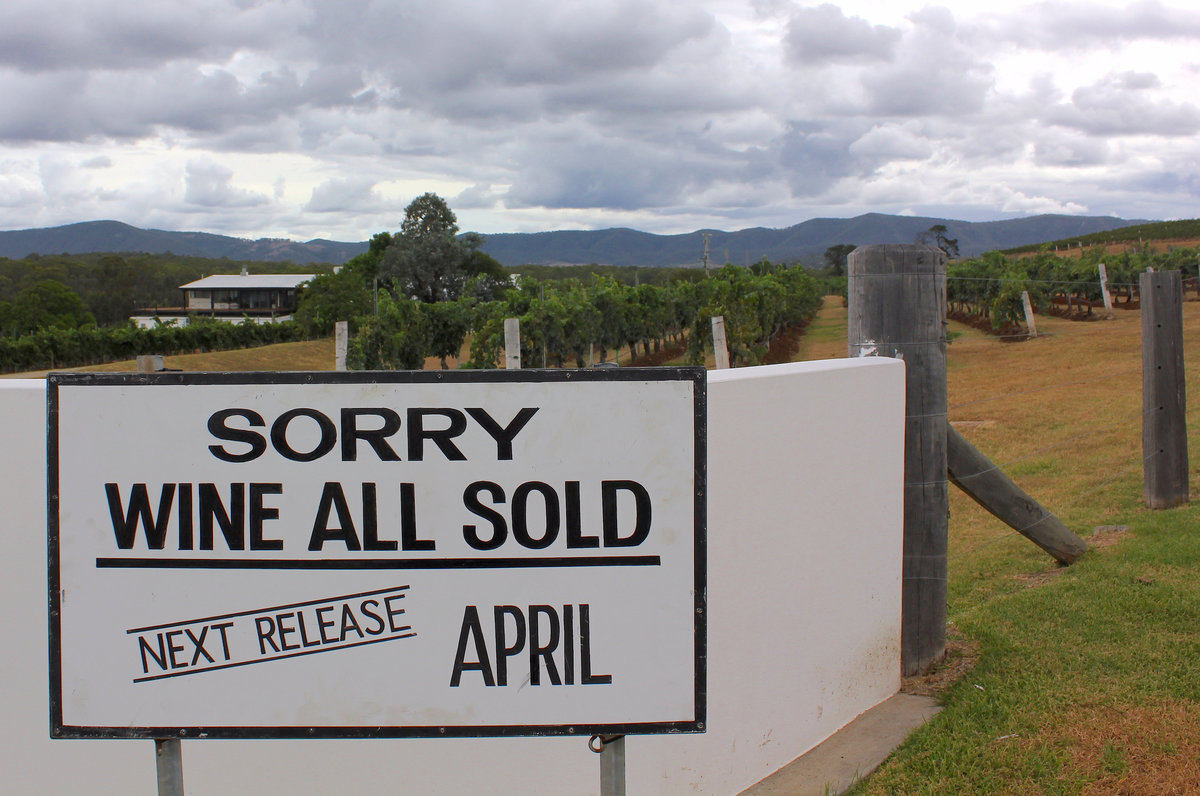
"Everyone is making hay, but like everything there are risks, and these sort of growth levels can't continue. We all know that," said Tony Battaglene, chief executive at the Winemakers Federation of Australia.
For winemakers like Sneddon and Peterson, it means selling most of their wine domestically.
That was part of the reason why, after dinner, Peterson declined Wang's offer to buy up his pride Chardonnay, offering a single bottle as a Lunar New Year gift instead.

"We normally don't open it ourselves, unless we're with friends or someone else is there," he said.
($1 = 1.2793 Australian dollars)
(Reporting by Tom Westbrook in SYDNEY and Adam Jourdan in SHANGHAI; Editing by Gerry Doyle)