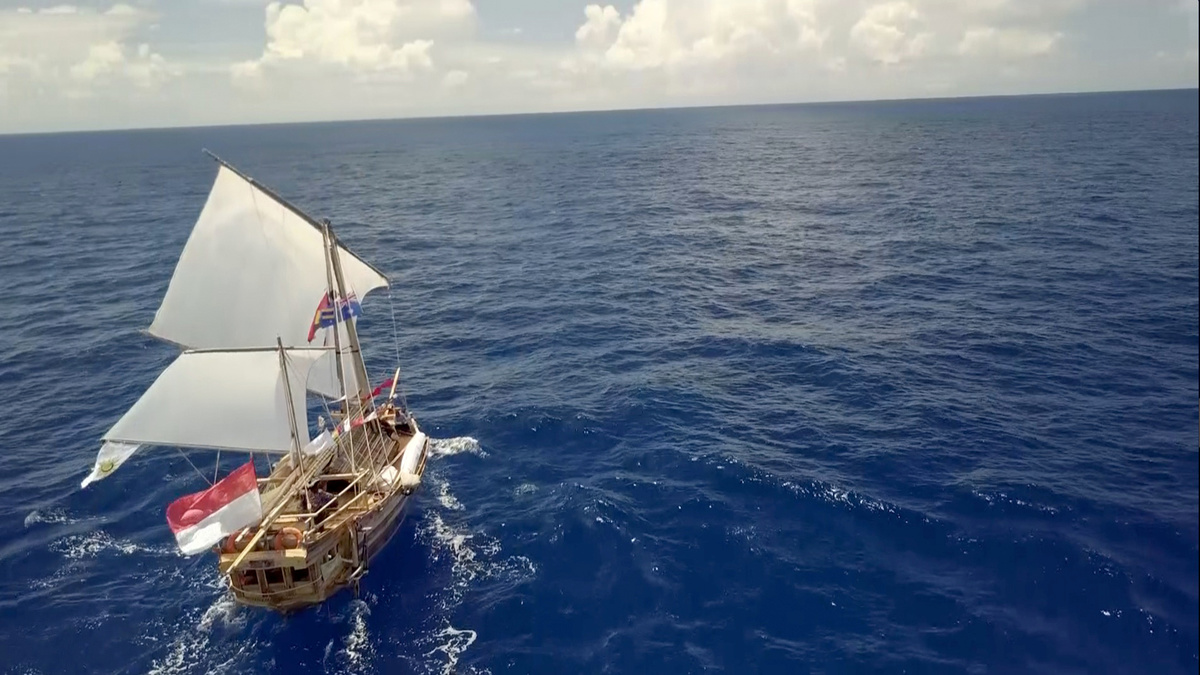
Centuries before Captain James Cook claimed Australia for Britain in 1770, Muslim Makassan sailors from Indonesia regularly travelled thousands of kilometres across open sea to trade with Aboriginal people in Australia's far north.
Now, a voyage in a specially constructed replica boat has rekindled ties between the Makassans from Sulawesi island and the Yolngu clan in northeast Arnhem Land, providing a powerful message about belonging for young Australian Muslims.
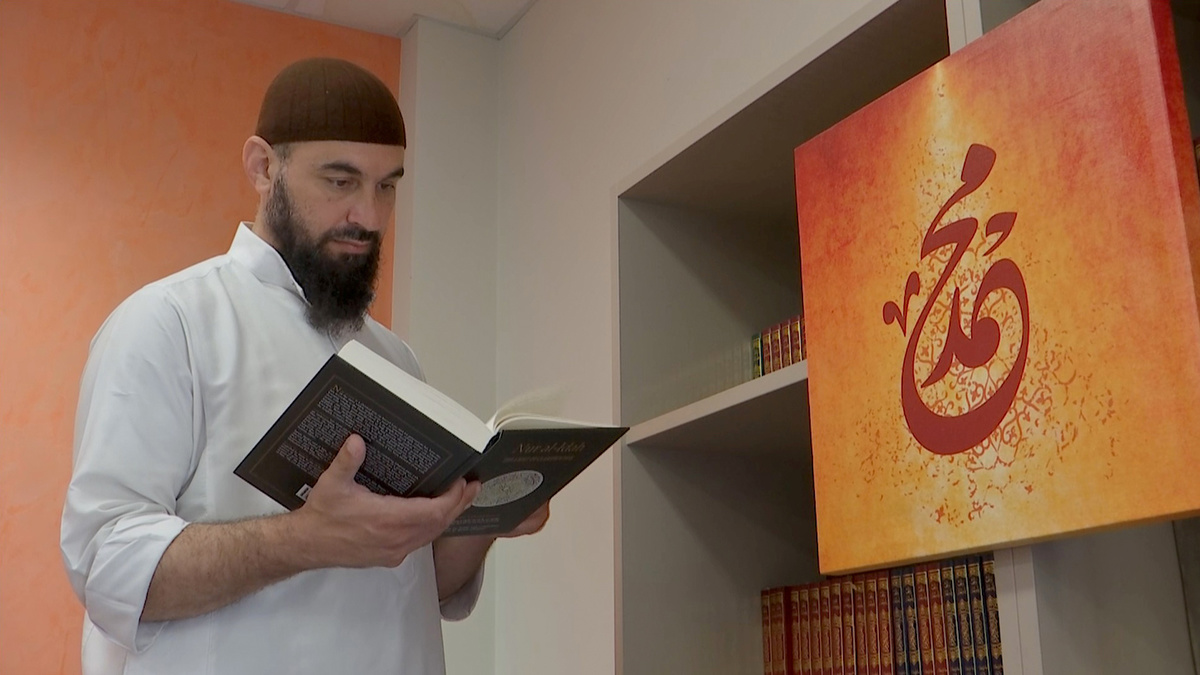
The project is the brainchild of the Abu Hanifa Institute, an organisation promoting education, identity and inclusiveness for Muslims in Sydney.
"We ran a workshop with young people and we asked them what it meant to be an Australian and many people really could not identify with that concept," Abu Hanifa's Sheikh Wesam Charkawi told Reuters.
"They felt that the discourse that they hear on a daily basis - 'Go back to where you came from', 'You don't belong here', 'Love it or leave it' - that it alienated them."
Muslims make up less than 3% of Australia's population and many report experiencing prejudice or hostility regarding their faith.
The story of the Australia's "First Nations'" 60,000 year-plus history on the land and their long and deep relationship with the Makassans resonated with many Muslim youth. The two peoples traded sea cucumbers, exchanged ideas and language, inter-married and lived among each other from the 1500s or possibly earlier, according to historians.
The story helped young Muslims "understand that your religious ancestors had a connection with the First Nations people in Australia from well before 1770," Charkawi said.
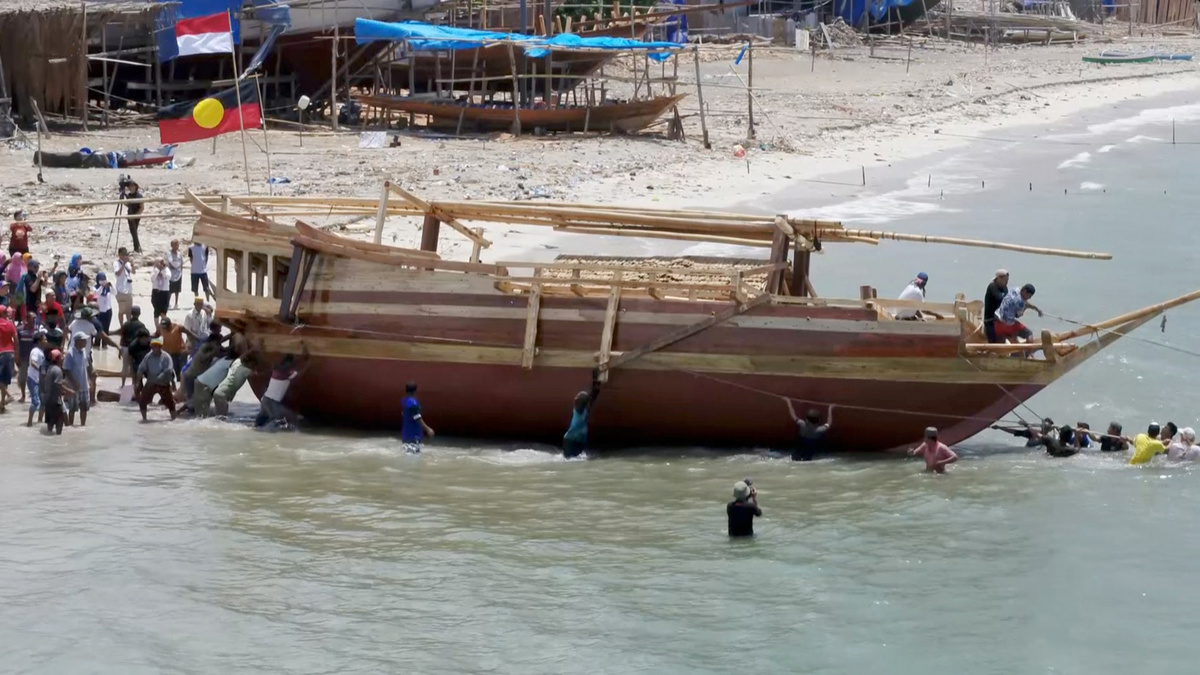
The 15 metre (50 foot) vessel was built by Makassan craftsmen on a beach in Sulawesi using traditional methods and local timber.
Launching the boat was just one of many challenges the project had to overcome.
"On the day, we didn't realise how we were going to get it (into the sea) then all of a sudden, hundreds of people turned up and they began pushing this thing, digging the sand with their own hands - not with shovels, but their own hands - to try and push this vessel into the sea," Charkawi said. "Eventually, they made it happen."
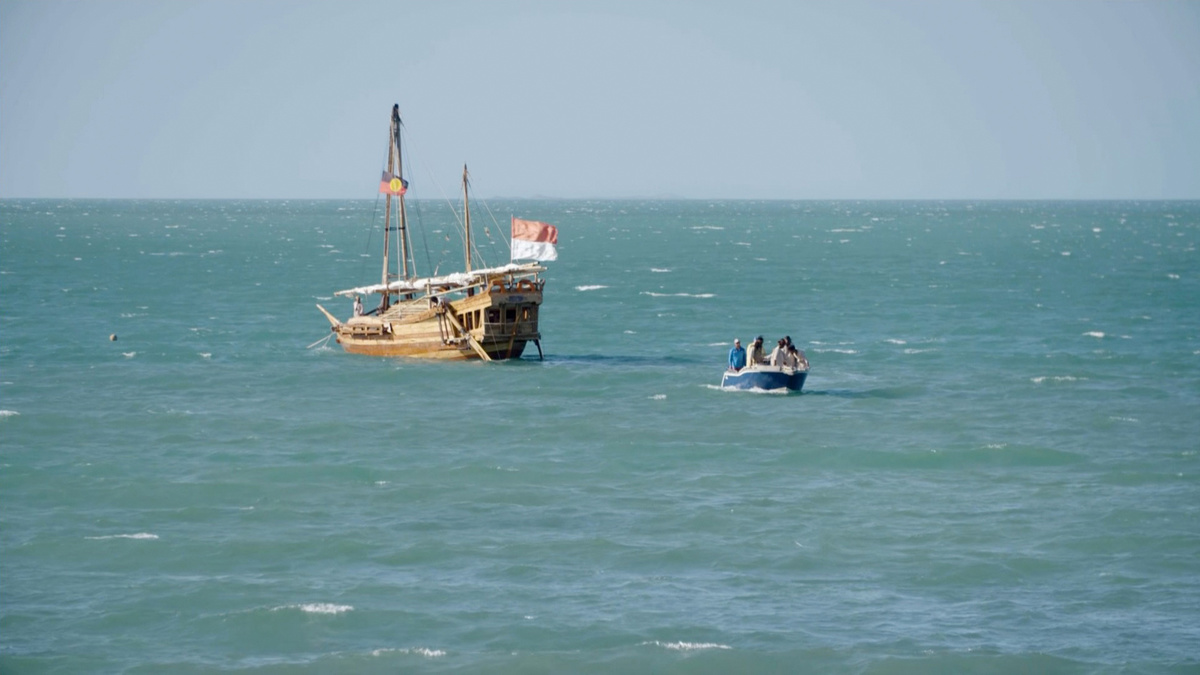
With no engine to rely on, the vessel and its 12 Makassan crew sailed for 25 days to make the near-2,000km (1,200 mile) journey to Darwin.
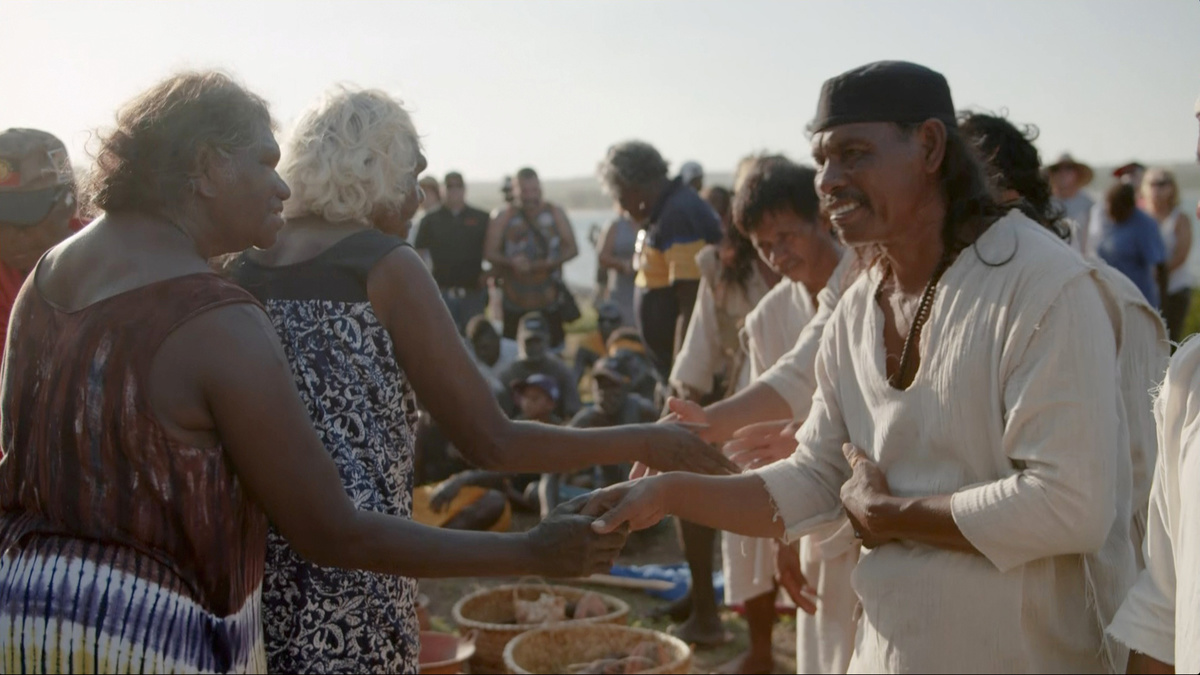
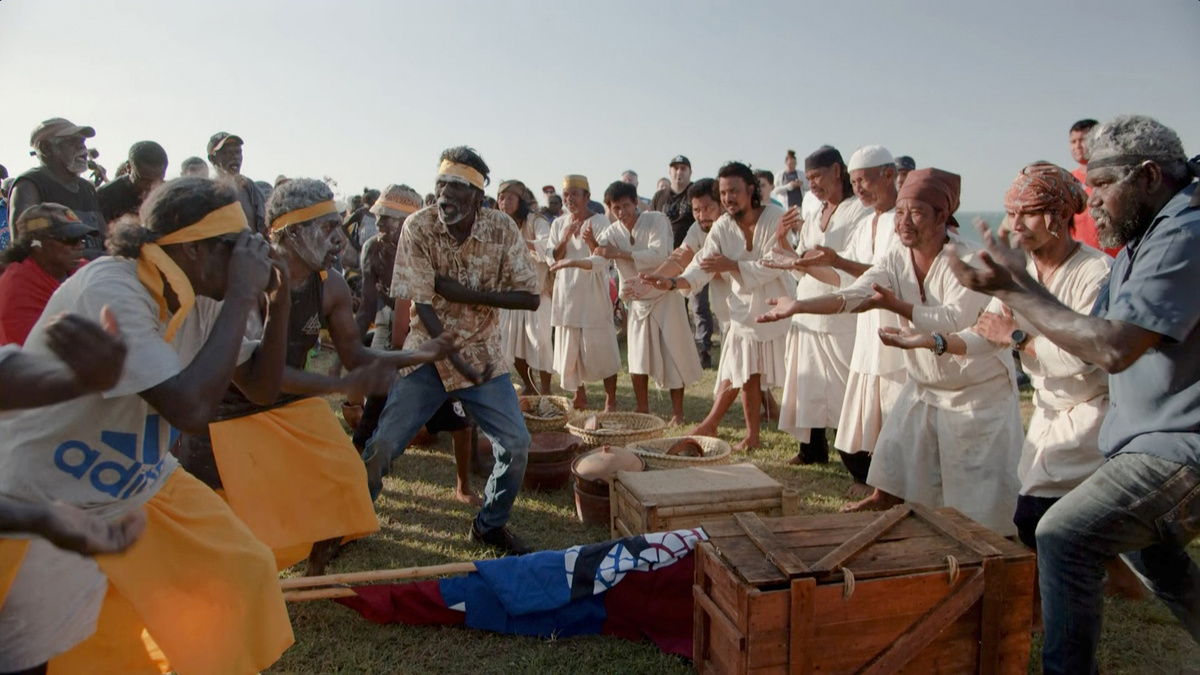
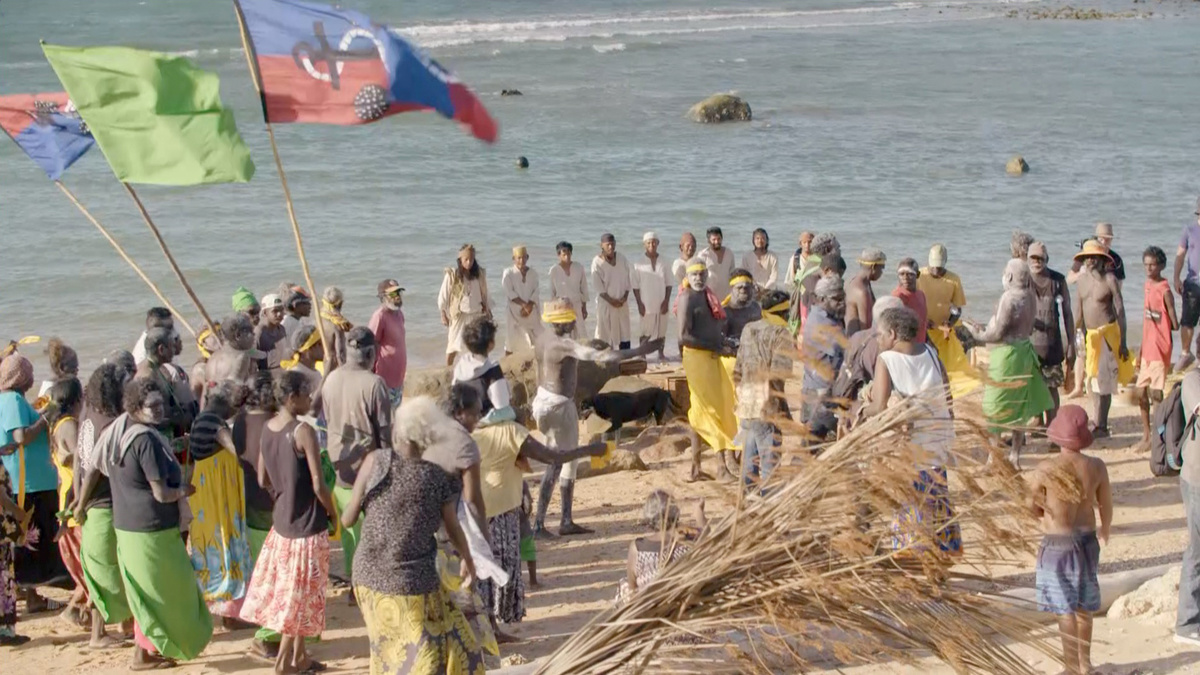
From there, it sailed to the Gove Peninsula, in northeast Arnhem Land, where it was met by hundreds of Yolngu and other Indigenous people from around the area, performing songs and ceremonies of welcome.
Muslim and Aboriginal leaders both wanted to share the history more widely, including getting the story of the Yolngu and Makassan relationship into school curriculums.
"This is a unique and very important thing," said Timmy 'Djawa' Burarrwanga, an Aboriginal leader who shared the Makassan story with visiting young Muslims and helped spark the project.
"They are family, they are people that gave something to us. A special gift," he said at the welcome ceremony.
Charkawi, whose institute is producing a documentary about the project to air later this year, said the arrival was an emotional experience.
"The atmosphere was amazing, it was breathtaking," he said. "They'd come out with their children, they'd come out with their elderly, with people who couldn't walk, who were in wheelchairs, so the whole community had rallied behind this event."
(Reporting by James Redmayne and Lincoln Feast; Editing by Sam Holmes)