
Birmingham
Population 1,010,200
Current stadium Villa Park (capacity 42,640)
2018 plan Villa Park to be used as it is
The case for Its three large and well-supported football clubs combined with its size and central location make England’s second city almost a certain host
The case against Though Villa Park exceeds the 40,000 capacity required by Fifa there are concerns over the suitability of the ageing stadium and plans for City of Birmingham stadium are stalling Photograph: Laurence Griffiths/guardian.co.uk
Bristol
Population 416,000
Current stadium Ashton Gate (21,479)
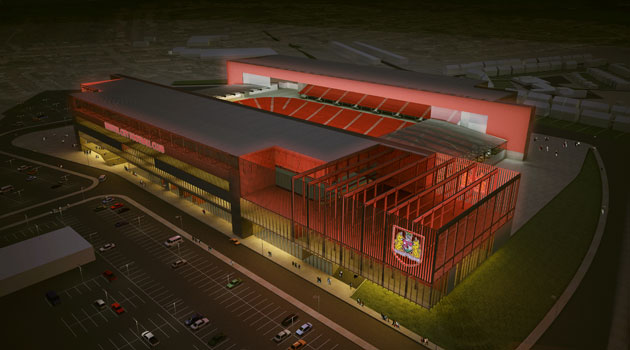
2018 plan Bristol City’s proposed new 40,000 all-seater stadium
The case for Benefits from being the only south-west city to apply. Bristol City’s new stadium, the planning permission for which was lodged on Monday, will be customed designed to please Fifa
The case against The new stadium’s construction hinges on the sale of Ashton Gate, while Bristol Council may struggled to raise necessary funds due to a £30m deficit in their budget Photograph: guardian.co.uk

Leeds
Population 761,000
Current stadium Elland Road (40,000)
2018 plan Possible redevelopment of Elland Road
The case for Leeds is well equipped in terms of hotels, restaurants, shopping and culture. Situated by the M1 and well served by the national rail network, the city is highly accessible domestically
The case against While the ground itself requires a little updating, some areas of waste ground around it could do with development. Leeds/Bradford airport is some way out of the city itself Photograph: Laurence Griffiths/guardian.co.uk
Liverpool
Population 435,000
Current stadiums Anfield (45,362), Goodison Park (40,158)
2018 plan New stadiums in Kirkby (Everton) and Stanley Park (Liverpool)
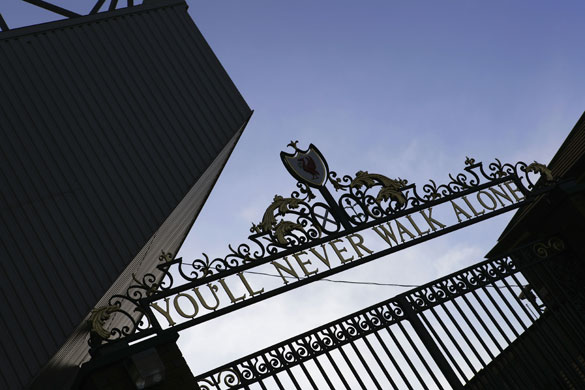
The case for Has a football heritage that is recognised throughout the world and few can match, while its social life and alternative attractions should tick the box for most spectators
The case against Unless Liverpool or Everton progress with stadium projects that have gone nowhere in over a decade, both may fail a city that embraced the 1966 World Cup and Euro 96 Photograph: Clive Brunskill/guardian.co.uk
London
Population 7,500,000
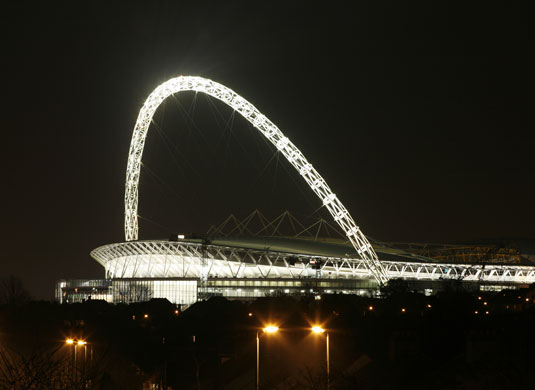
Current stadiums Wembley (90,000), Emirates (60,000)
2018 plan Wembley, Emirates and 2012 Olympic Stadium to be used
The case for As the capital and currently boasting at least two World Cup standard stadiums already, the city is a certainty to be included and stage a semi-final and the final
The case against Nothing to prevent inclusion but the old challenges of a creaking transport system will need to be addressed. Provisions made for London 2012 offer a clue how Photograph: David Levene/guardian.co.uk
Manchester
Population 458,000
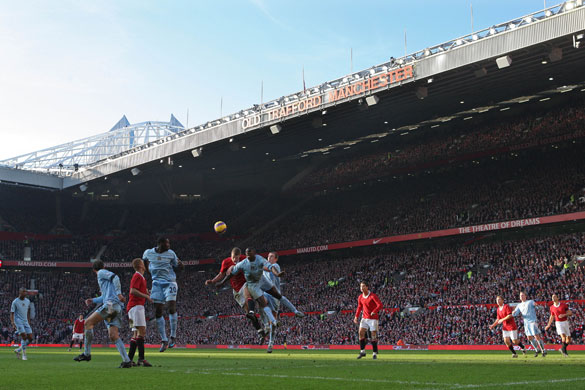
Current stadiums Old Trafford (76,000), City of Manchester (47,000)
2018 plan Use one or both stadiums as they are
The case for Possesses the largest club ground in England and there are ambitious plans to develop the area surrounding City of Manchester Stadium. Ticks every box for major sporting events
The case against Difficult to think of too many given the city’s reputation, to quote the singer Ian Brown, as having “everything but a beach”. Might rain, although even that is exaggerated Photograph: Tom Jenkins/guardian.co.uk
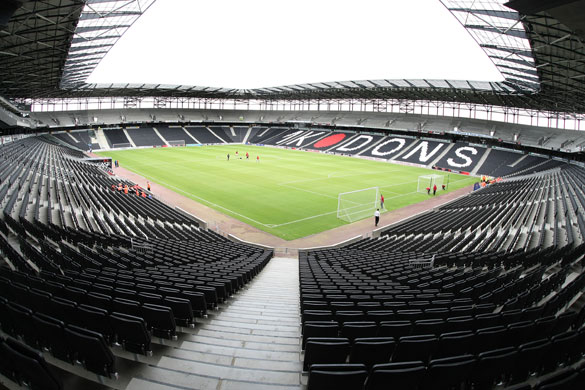
Milton Keynes
Population 184,000
Current stadium Stadium MK (22,000)
2018 plan New tier added to raise Stadium MK capacity to 45,000
The case for MK Dons chairman, Pete Winkleman, tends to get what he wants and he’s behind the city’s bid: “The prospect of playing host to this event is about as exciting as it gets”
The case against Proximity to London, which will play a major part in the tournament, may count against the city, while there may be lazy prejudices concerning new towns and painted model cows NORTONAUG16C Photograph: Pete Norton/guardian.co.uk

Newcastle
Population 271,000
Current stadium St James’ Park (capacity 52,000)
2018 plan St James’ Park to be used as it is
The case for St James’ Park enjoys the rare benefits of being situated slap bang in a city centre. Excellent public transport links are close at hand as are numerous restaurants, hotels, bars and shops
The case against The traffic on the A1 Western Bypass and on the various bridges across the Tyne can become extremely congested at peak times. The road infra-structure may struggle to cope Photograph: Tom Jenkins/guardian.co.uk
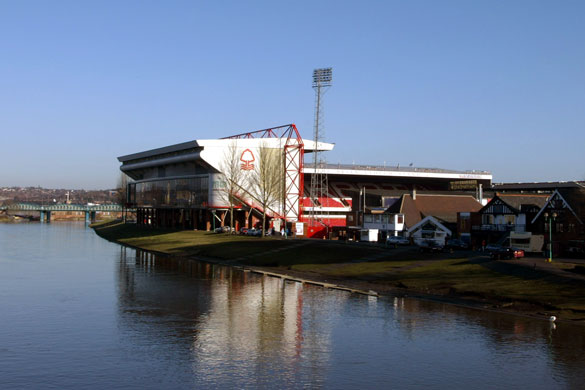
Nottingham
Population 288,000
Current stadium City Ground (30,576)
2018 plan New stadium to be built with 50,000 capacity
The case for Regards itself as the “Queen of the Midlands” and has previous experience at Euro 96 host city. Great location in the middle of the country and Robin Hood is popular with tourists
The case against Long planning process to go through before location of the new stadium is finalised and building work can begin. It is sure to be an expensive project Photograph: Adam Davy/guardian.co.uk
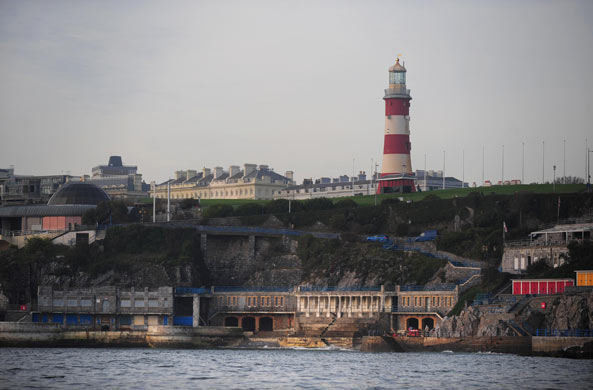
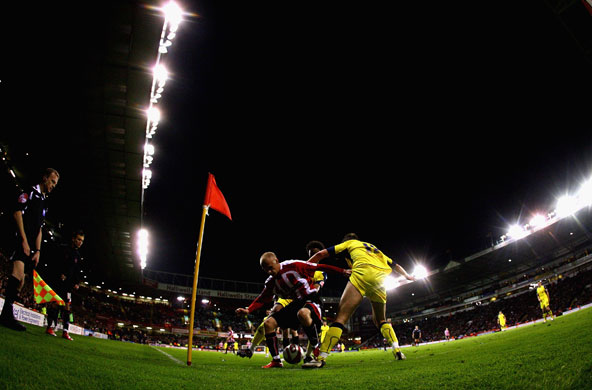
Sheffield
Population 530,000
Current stadiums Hillsborough (39,812), Brammall Lane (33,000)
2018 plan Bramall Lane redeveloped to 50,000 capacity
The case for History. Home to the oldest football club in the world, Sheffield FC, and the Sheffield Rules were responsible for the introduction of long-lasting innovations such as handball and free-kicks
The case against The city may need to expand and develop its accommodation for fans but, overall, it appears it has much to impress the FA with Football Soccer Club Soccer Photograph: Jamie McDonald/guardian.co.uk
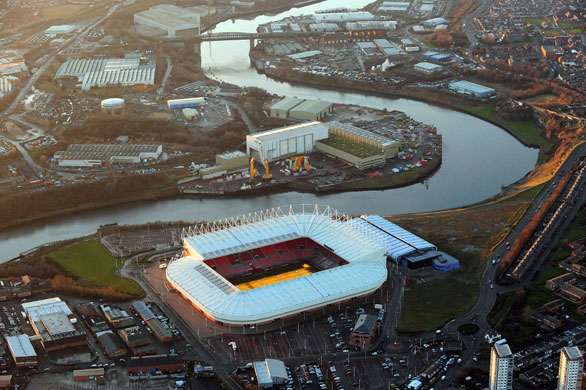
Sunderland
Population 177,000
Current stadium Stadium of Light (49,000)
2018 plan Stadium of Light to be used as it is
The case for The Stadium of Light is a top class venue and benefits from its own Metro Station. The city is flanked by miles of sandy beach and the historic city of Durham is a short drive away
The case against There was crowd trouble when England played Turkey in 2003. Sunderland city centre remains Newcastle’s poor relation and it could become a competition between the two Photograph: Owen Humphreys/guardian.co.uk