The planet is telling us something. Currently, much of Singapore, Indonesia and Malaysia is covered by a blanket of acrid smog thanks to the illegal burning of forests and agricultural land for palm oil production.
Meanwhile, VW has admitted it has been cheating car emissions tests for years, Bangalore’s lakes are swelling up with toxic foam due to pollution from chemicals and sewage in India’s technology capital, and – for the cacti lovers out there – nearly a third of our prickly pals face extinction due to human activity.
As the generation inheriting the legacy of such activities, young people are instrumental in tackling environmental degradation and social injustice. And they’re doing so.
From a divestment activist to a local food lover, a tech-savvy communicator to someone who has run a campaign asking people to pee in the shower, here are some of the UK students helping to build a more sustainable future.
‘Our campaign focuses on the root of the problem’
Callum Shaw, a history and central and eastern European studies student at the University of Glasgow, says:
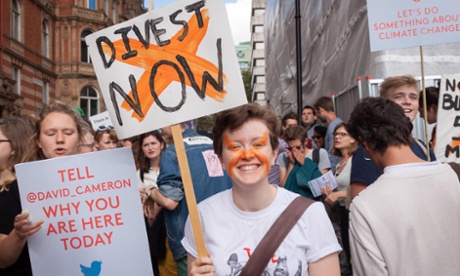
The University of Glasgow was the first university in Europe to fully divest from fossil fuels. Shaw is a member of the Glasgow University Climate Action (GUCA) society, which has focused its fossil free campaign on the divestment movement.
“I joined this campaign as it targets the root of the problem; it’s not putting pressure on individuals as consumers. We’re often in the difficult position where an alternative is not an option.”
Shaw believes it is hypocritical of universities to acknowledge the urgency of climate change on the one hand, but continue to profit from it through endowment funds on the other. As highly influential public institutions and leaders of research in all areas, including environmental fields, he says they must do better.
The 24-year-old says that since Glasgow took the bold step of being the first university to divest, it has been heartening to see GUCA be contacted by similar student groups around the world looking for advice and inspiration.
“Campaigning is not just about reaching your goal. It’s through the process that the biggest and most constructive benefits come. Through involvement in and exposure to the fossil free campaign we are creating a generation of people who put sustainability at the forefront of all their decisions.”
‘Sustainable food is vital to a sustainable future’
Kiloran Benn O’Leary, an English literature student at the University of Sussex, says:
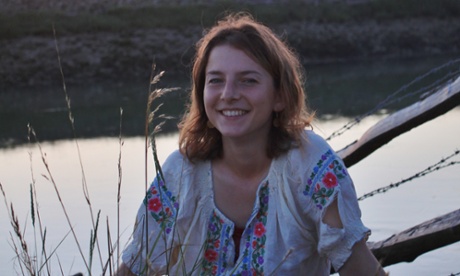
When she hasn’t got her head in a book, Benn O’Leary helps run Shoots, a student-run veg box cooperative that supplies Sussex students and staff with fresh, affordable, local, organic vegetables.
“Sustainable food is vital to a sustainable future, especially living in a country where so much of our food goes to landfill,” she says. The more connected you are with the food you eat – knowing where it came from, how it was grown, who grew it – the more you consider the implications of your consumer behaviour more widely.”
Although O’Leary is aware of the huge challenges, community-led projects such as Shoots are up against in the face of big supermarkets, a lack of government support and funding cuts, the 22-year-old is positive that this can be overcome by working together and realising collective purchasing power.
“If there isn’t a society or group for the area of social change you’re interested in,” she says “then find the people around you who are and start doing it yourselves.”
‘It’s all about communication – being informed and connected’
Krisztian Tarcsi, a second year business management student at Southampton Solent University, says:
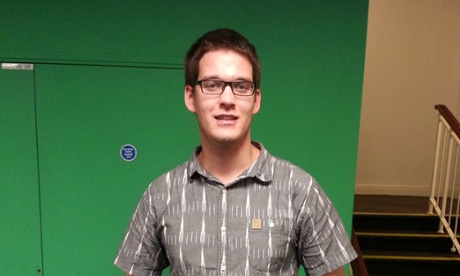
Tarcsi is putting his money (approximately £3,000 to date) where his mouth is by self-funding an app that combines two topics close to his heart – mobile phones and sustainable living.
A firm believer in sharing knowledge as a way to help create change, the 26-year-old created the Sustainable Pages app earlier this year to help people find eco-friendly businesses and resources local to them. The accompanying blog covers topics including visiting an earthship and the sustainability of coffee.
“Communication is one of the main ways in which we can create the future we all want to see. Together we have a much greater ability to foster change. Making sure young people are informed and connected is key to a sustainable future, and student journalism and comms can really help in that.”
As well as providing useful, practical information, Tarcsi believes knowledge can be empowering: “When all the news seems to be bad news, it can feel as though you should just give up. By informing people of the successes of sustainability and showing them how easy it can be to make small changes one step at a time, we can change the world for the better.”
‘People are resistant to change’
Deborah Torr, an English literature student at the University of East Anglia (UEA), says:

Torr graduated this summer after studying English Literature. Along with partner in crime Chris Dobson, 21-year-old Torr created the go with the flow campaign to encourage people to pee in the shower to save more than 10 litres of water per flush.
“I wanted to avoid doing a ubiquitous awareness campaign, like switch off the lights or recycle more, as these tend to get ignored. Most of the conversation surrounding climate change is purely informative; I wanted to create debate,” says Torr.
Inspired by Brazil’s SOS mata Atlântica xixi no banho campaign, Torr and Dobson’s behaviour change campaign was supported by UEA’s student enterprise officer and the university’s media officer, helping them to develop it further.
“People are resistant to change,” says Torr. “That’s why we were keen to target students with our campaign; leaving home and starting uni is a particularly formative time, when people will begin to establish patterns of behaviour. If we can persuade students now, it will have major consequences for the future.”
Keep up with the latest on Guardian Students: follow us on Twitter at @GdnStudents – and become a member to receive exclusive benefits and our weekly newsletter.