When you grab a pre-made sandwich or a rotisserie chicken from your local grocery store, you probably assume it’s been stored at a safe temperature. But recent food safety audits suggest that assumption might not always hold up—especially during the busiest times of day. Auditors have found that temperature logs, a critical part of food safety compliance, are often neglected or inaccurately recorded during peak hours. This lapse can lead to food being stored outside safe temperature ranges, increasing the risk of foodborne illness. For shoppers, it’s a wake-up call to pay closer attention to how their food is handled behind the scenes.
Peak Hours Are a Perfect Storm for Oversights
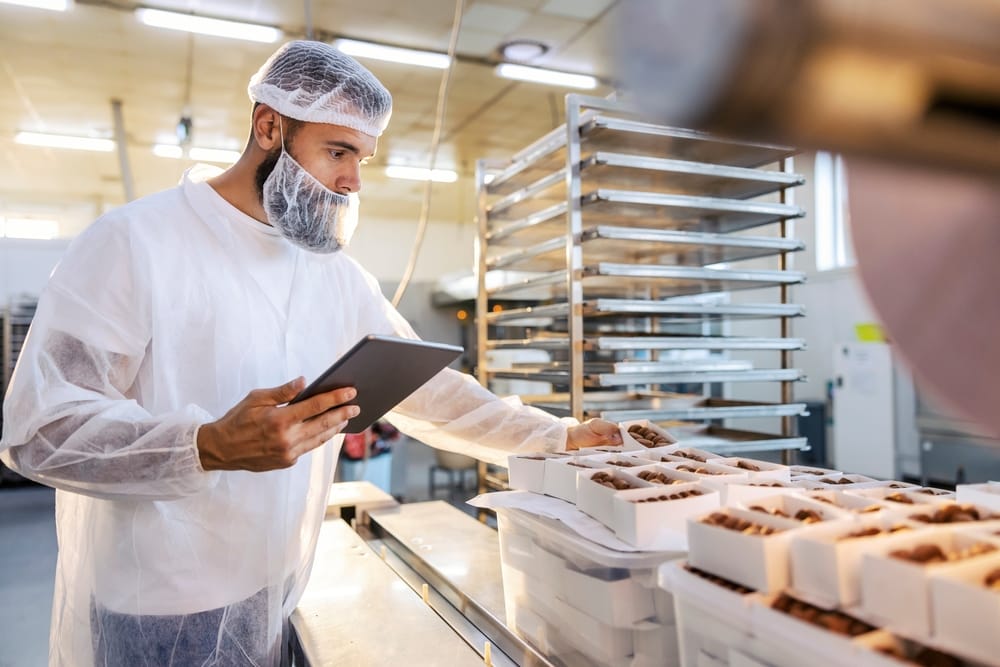
Lunch and dinner rushes are when grocery store delis and hot bars see the most traffic. During these peak hours, staff are often stretched thin, juggling customer service, restocking, and food prep. According to NSF International, these time crunches are when food safety procedures—like logging temperatures every four hours—are most likely to be skipped. Auditors have noted that even well-trained employees can fall behind on documentation when lines are long and demands are high. Unfortunately, these are also the times when food is most vulnerable to temperature abuse.
Temperature Logs Are More Than Just Paperwork
Temperature logs aren’t just bureaucratic red tape—they’re a frontline defense against foodborne illness. The FDA requires hot foods to be held at 135°F or higher and cold foods at 41°F or lower. If food sits outside these ranges for too long, bacteria like Salmonella and Listeria can multiply rapidly. Logging temperatures regularly ensures that food stays within safe zones and that any issues are caught early. When logs are skipped or falsified, it becomes nearly impossible to trace or prevent contamination.
Repeat Violations Can Lead to Serious Penalties
Food safety violations tied to temperature control are among the most common—and costly—in the industry. In 2025 alone, the FDA issued over 20,000 citations for temperature-related issues, with fines ranging from $500 to $5,000. Repeat offenders risk even steeper penalties, including temporary closures and public health alerts. Auditors have flagged that many of these violations occur in high-volume grocery chains where staffing levels haven’t kept pace with demand. For stores, the financial and reputational damage can be severe; for consumers, the risks are even greater.
Technology Can Help—but Only If It’s Used
Some grocery chains are investing in digital temperature monitoring systems that automatically log data and send alerts when food is out of range. These systems reduce human error and free up staff to focus on customer service and food prep. However, not all stores have adopted this technology, and even those that have may not use it consistently. Auditors have found that some locations disable alerts or ignore them during busy periods. Without proper training and accountability, even the best tools can fall short.
What Shoppers Can Do to Stay Safe
While you can’t see what’s happening behind the deli counter, there are still ways to protect yourself. Look for signs that food is being kept at the right temperature—like steam rising from hot items or cold foods stored on ice. Don’t hesitate to ask staff when the food was last checked or replaced. If something seems off—like lukewarm soup or soggy salads—it’s okay to skip it. Your health is worth more than a quick meal.
When Convenience Compromises Cleanliness
The convenience of ready-to-eat grocery items is undeniable, especially during a hectic day. But as food safety auditors have shown, that convenience can come at a cost if proper procedures aren’t followed. Temperature logs are a simple but essential part of keeping food safe, and lapses during peak hours are a red flag. As consumers, we have the power to ask questions, stay informed, and make safer choices. After all, a little awareness can go a long way in protecting your plate.
Have you ever questioned the freshness or temperature of a grocery store meal? Tell us what you’ve seen—or skipped—in the comments below!
What to Read Next
5 Types of Food Safety Issues the FDA Routinely Monitors
7 Food Safety Areas Where Grocery Employee Knowledge Might Be Limited
7 Emergency Food Kits That Don’t Meet Safety Guidelines
8 Foods Where Private-Label + Coupon = Same Quality at Half Price
10 Best Grocery Budget Shifts to Make When Food Prices Climb
The post Food Safety Auditors Identify Lapses in Temperature Logs During Peak Hours appeared first on Grocery Coupon Guide.