Fads come and fads go. But in the 1990s, one thing happened that perhaps changed the way we cook and eat in America forever.
Other things of importance happened in that decade: The World Wide Web came into being. More than 500,000 Rwandans were slaughtered in a three-month genocide. Timothy McVeigh bombed a federal building in Oklahoma City.
And in the world of food, the Food Network _ at the time called the TV Food Network _ signed onto the air on April 19, 1993.
Within a couple of years, everything was different. Ordinary people suddenly knew how to make a chiffonade. Home cooks were adding crispy fried leaves of basil or sage to their soups. And everyone was chopping onions the professional way.
For a year or two, some people said "Bam!" every time they added garlic to a dish.
Garlic was key. A large part of the country was wary of the pungent bulb until they saw Emeril Lagasse adding it to pretty much everything he cooked. Lagasse's persistence made garlic an acceptable ingredient for the culinarily timid, and soon they began trying other spices as well.
A whole world of cooking and eating opened up to a large portion of the population.
With Americans becoming more savvy about the ways of professionals, restaurants sought new ideas. One restaurant trend that came (and fortunately left) in the '90s was the idea of presenting food in a stack. The fancier places, and those that aspired to be fancier, took to creating a single tower of food on a plate.
It looked impressive, until you tried to eat it. With the first forkful, the whole thing inevitably tumbled over like a game of Jenga _ a game that, perhaps not coincidentally, became a huge hit in the '90s.
Less aspirational restaurants brought out the salads of the decade, chicken Caesar salad and Asian chicken salad with mandarin orange segments. Other food trends included sun-dried tomatoes and pesto, which sometimes appeared in the same dish. Many a panini _ also a big trend of the era _ was served with chicken, pesto and sun-dried tomatoes.
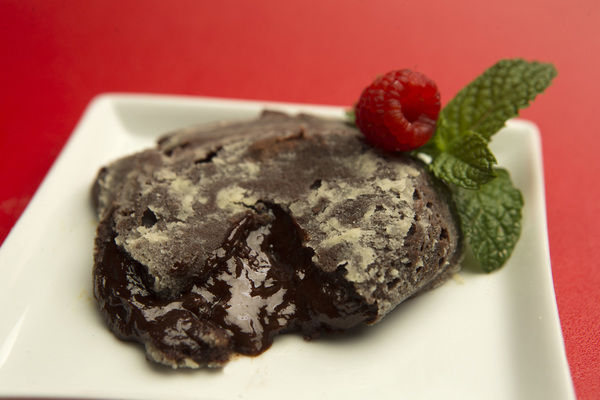
For me, two dishes most represent the food of the Nineties, and both of them are desserts: creme brulee and molten chocolate cake.
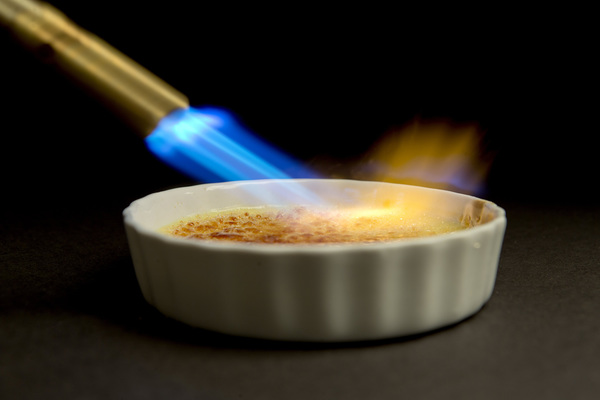
Before chefs began breaking out and making cremes brulee in every flavor they could imagine (lavender, red wine, chocolate-chipotle), creme brulee was simple and elegant. A silken vanilla-cream custard lay just under a thin, delicate crust of burnt sugar _ its faint bitterness providing a counterpoint to the rich custard.
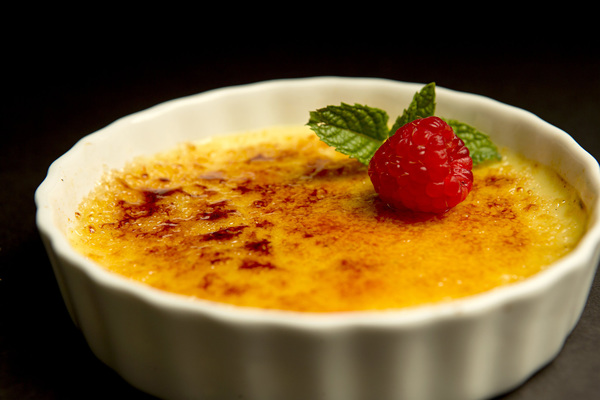
A great creme brulee hinges on two factors. The first is cooking the custard gently, placing it in a water bath as it bakes to keep it from getting too hot. The second is going easy on the sugar before caramelizing it; you want the crust on top to be delicately brittle.
Molten Chocolate Cake was invented by Jean-Georges Vongerichten when he accidentally took a chocolate sponge cake out of the oven too soon. When he cut into it, the unbaked and delicious center flowed out. The impressive dessert was practically unavoidable in the '90s under a host of names (Vongerichten himself calls it Warm, Soft Chocolate Cake), and it is every bit as stunning now as it was 20 years ago.
It is surprisingly easy to make. It only requires a handful of ingredients. Each individual mini-cake is one serving, and you only have to cook it for 12 minutes, which is how it was created in the first place. And the taste is instantly satisfying.
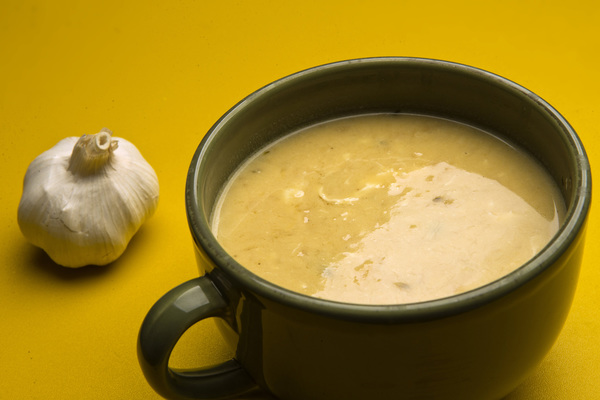
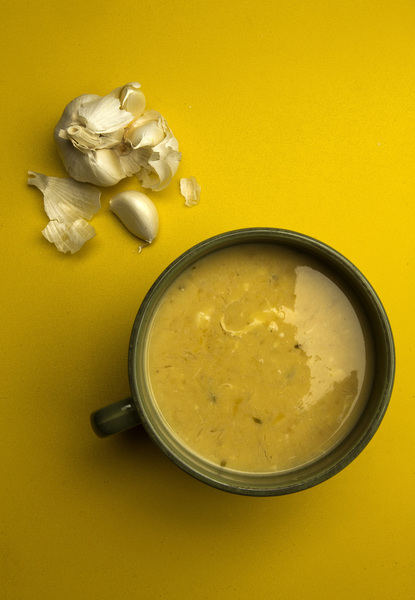
For a 1990s appetizer, I stayed with Vongerichten and his recipe for garlic soup. Garlic soup is pretty much a perfect example of '90s cooking: The taste is clean and simple; the recipe unfussy. Yet it is an elegant dish, as befits a post-Food Network world, and it makes unusual use of a common ingredient.
The ingredient in this case is garlic. Simply heating the garlic slowly in olive oil removes its distinctive bite. What is left is a warm and mild flavor that gently permeates the soup without becoming assertive. An addition of egg at the end, like egg drop soup, turns the soup creamy and gives it a luxuriant texture.
For an entree, I turned to one of my favorite recipes from the first chefs I ever saw on the Food Network. Susan Feniger and Mary Sue Milliken, collectively (and a little too cutely) called the Too Hot Tamales, were my introduction to a cable channel with nothing but cooking shows.
I was instantly entranced, partly because the food they cooked looked so stunning.
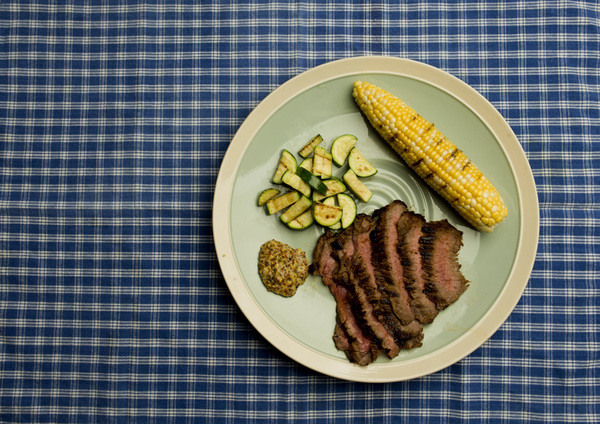
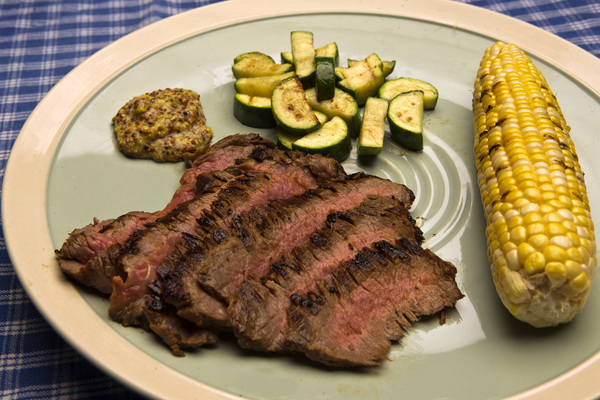
I made their Marinated Skirt Steak because it is so fabulous and also because skirt steak kind of came into its own in the '90s when fajitas became an accepted part of American cuisine. Actually, the store was out of skirt steak, so I bought flank steak instead _ it's a different cut of meat, but it cooks the same way and has essentially the same flavor. I have also had excellent results with top round marinated for just two hours.
It's the marinade that makes this dish so outstanding. Olive oil, red wine vinegar, soy sauce, garlic, dry mustard, Worcestershire sauce and Tabasco turn into an unbeatable combination with beef. I spread the horseradish mustard, which is also part of the recipe, on bread to make a succulent, full-bodied sandwich.
It's enough to make you want to put on a flannel shirt and listen to grunge music.