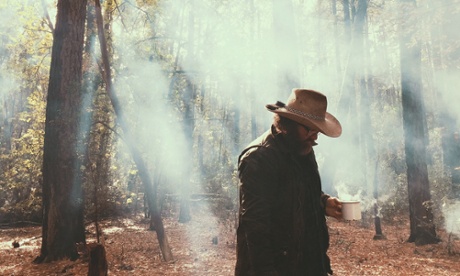
Steam rises from my coffee, my exhaled breath is visible in the crisp morning air. I check the weather – the apparent temperature is -1.2C. It’s definitely deep autumn now.
As much as I’d love to stay warm inside the old farmhouse, there are chores outside incessantly nagging me from the vegetable garden and beyond. The onset of that familiar winter-like weather brings with it an ominous feeling. I’ve lived in this seasonal cycle long enough to know change is upon us. In any case there is that inner voice, urging me to prepare. Jack Frost is knocking at my door.
This change of season never used to be an issue. When cold weather arrived I’d simply start wearing warmer clothes, but that life is behind me now.
I’ve committed to living as self-reliantly as possible. That means it’s up to me to ensure I have enough food and supplies to get me through the harsh conditions of Victoria’s central highlands winter.
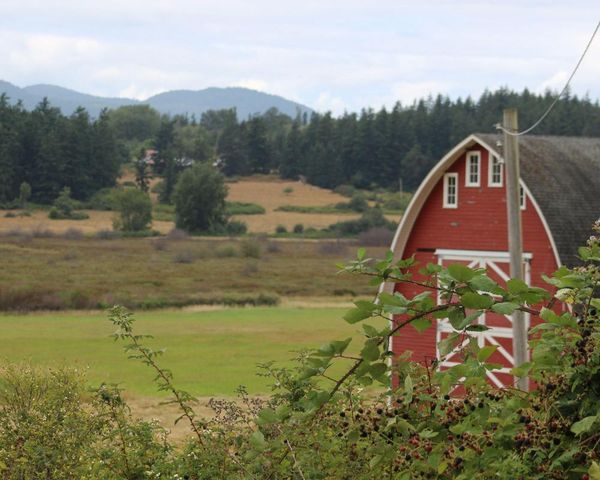
Someone once told me we don’t have harsh winters in Victoria, and to a certain extent they’re correct, but for where I live they are completely ill-informed. Up here, in the central highlands, we sit on the edge of the Great Dividing Range, and the tips of the hills poke up into the cloud line.
Much of winter is under cloud, and when the sun pokes through a gap in the sky, it’s cause for celebration. Living on the side of a hill does not make life any easier. Our old farmhouse sits on the west side of an extinct volcano that reaches more than 740m above sea level, high enough to catch snow. And, of course, it’s a magnet for those bone-chilling winds.
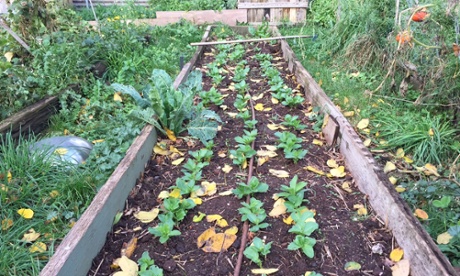
These conditions make growing food a very real challenge over winter, so it’s now, in autumn, that all the loose ends must be tied up. My food stores and provisions must be orderly and well-stocked.
With the dropping temperatures of late, the house fire has been roaring of an evening. Each week I dig out the ash and shovel it into an old galvanised bucket.
If I was big into composting then I guess the buckets of ash would be dumped on the pile of rotting material. But I have my own system where I rely on my chickens to do the work for me.
After a week of wet weather the chook pen is as muddy as a football field. I scatter the ash on the ground and in a day or so the chooks have worked the ash into the muddy floor which I will dig up in six months’ time and spread over the vegie patch as fertiliser.
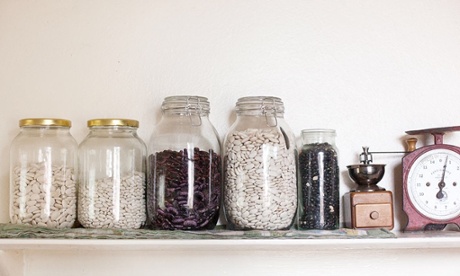
With my bucket now empty I pick the large green pods of scarlet runner beans hanging on the bean poles that have been thriving this past summer. Back inside the house I thread thin wire through the ends of the beans and hang them near the fireplace. In a few weeks of hanging in the warmest room of the house the beans will have dried and cured and will be ready for long-term storage.
I never eat my bean crop during summer for this very reason. For me it’s such a precious food. The beans store indefinitely if dried correctly, and I rely on them heavily over winter when not much grows in the vegetable patch other than leafy greens like kale and chard. My beans have become so versatile in cooking over the years as I’ve pushed myself to create new dishes. I’ve been driven to break the monotony of cool season cooking; there are only so many stews one can eat. Some of my favourite bean meals are of the simplest design requiring just a smoked ham hock, handfuls of garlic and parsley. True peasant food that’s served self-reliant communities for centuries.
It’s not only the beans that require attention. My garden and surrounds all offer the promise of some future meal that begs to be harvested or preserved. That really is my autumn, harvesting the crops that I planted way back in spring, the crops that have grown vigorously in the warmth of the summer sun, and now, loaded with fruit, require picking and preserving before either the frosts or the rats get to them.
Thankfully the rats aren’t too keen on my jalapeño crop, but they do like the fallen walnuts, the pumpkins, the last tomato and zucchini. If the rodents don’t get them the frost and wet conditions will, so my priority is to harvest and store. You feel so rich with all this food, in a way it’s very comforting to know that all the hard work of the summer growing period will pay off on those days where you see no sunlight for the clouds and your hands ache with the freezing wind.
The produce I collect now becomes the ingredients for meals of the future. It’s my savings account for survival. Soon the firewood pile will be complete, my freezer full, the shelves in my larder stocked with jars of preserved fruit, sauces, vegetables, dried beans and herbs. Winter can come now. I am ready.


.png?w=600)