A Bristol food bank manager has warned that the number of people needing help to feed their families this winter could likely reach levels seen at the height of the pandemic.
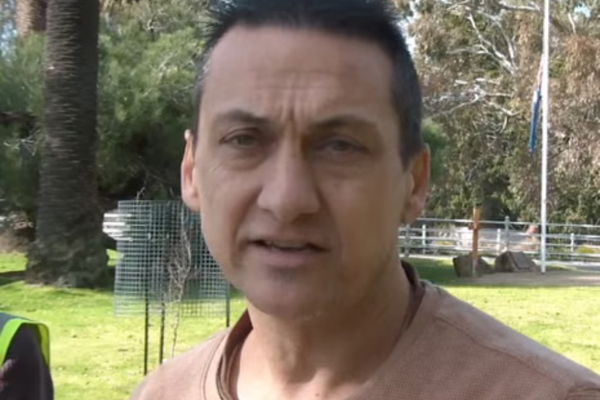
Andy Irwin, who runs Bristol East and South food banks, has said the number of people they fed nearly tripled during the lockdowns, going from 5,000 up to 13,000.
Speaking to Bristol Live he said that the uptake for food banks had started to settle a little, but that there were a ‘number of unknowns coming up’ that would have an impact.
READ MORE: Why BristolLive has launched the campaign 'Benefit Bristol' ahead of Winter
Mr Irwin, who manages six food banks in Bristol, believes that this winter the foodbank numbers could be as high as the numbers seen over the height of the pandemic.
He added: “We had a massive uptake during the lockdowns, the numbers that we fed tripled. It got really busy.
“Now it’s settled back into what we would call pre-pandemic numbers but it's not quiet.
“We have a couple of unknowns coming up, we’ve got the increase in fuel prices and the loss of Universal Credit, £20 a week.
“By the end of the winter we’ll know how much impact that’s had, but I’m pretty confident that it will get quite busy.”
As well as the removal of the £20-a-week uplift of Universal Credit from today (October 6), many households will face rising energy bills this winter, with some being hit with increases of more than £100.
It could see the number of households in fuel poverty jump from 4.1 million to 5.3 million following a rise of over 50 per cent in energy costs over the last six months.
The Trussell Trust supports a nationwide network of more than 1,300 food bank centres that provide emergency food and support to people locked in poverty.
Research by the charity has shown that one of the biggest reasons for people needing to visit food banks is down to debts owed to the Department of Work and Pensions (DWP).
It said that two thirds of those surveyed said they were relying on food banks because of reductions in benefits or long waits for payments.
In a separate report produced in 2020 it was found that almost half of food banks users owed money to the DWP due to loans and overpayments, a ten per cent increase compared to the previous year.
Mr Irwin added: “We have got some services in place to try and tackle some of the issues people are facing.
“We have a couple of support workers and various schemes to help people tackle the size of their bills.”