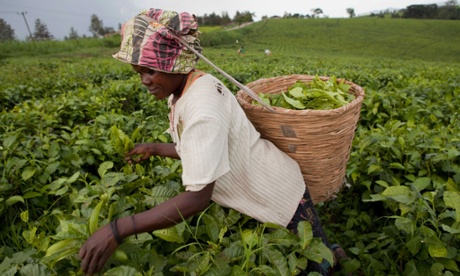
This week leaders from over 190 governments gather at the International Conference on Nutrition in Rome to debate, consider and, hopefully, commit to finding ways to provide healthy, delicious, sustainable and just food for all. This meeting couldn’t convene at a better time – debates over food policies are taking place everywhere. Here in the US prominent chefs, journalists, and policymakers are pushing for a dramatic shift in our policies to not only provide better food for all but also address disease, malnutrition and poverty.
Why all this attention to food policy now?
Because everyone – small farmers, “big ag”, nutritionists, doctors to name a few – are aware of forecasts which show that by 2050 the world’s population will top 9 billion people. Some believe that there isn’t enough land or water to sustain the current global food system. Some believe that we must move back to agrarian cultures where small farmers rule.
The reality is that there is more than one solution to this problem – there are probably hundreds, if not thousands, of ways we can address the question of How The World Can Be Fed. We all have to look to creative and obvious sources alike for ideas, information and help.
As chefs – and the larger culinary community - one of our solutions is to change how we frame the conversations around food and access to it.
Food isn’t just something that gives us the energy to get up and go. Food is a key component of building healthy, thriving communities around the world.
Our leaders need to understand that food has the power to create jobs, to pull families and whole communities out of poverty, to help address health care issues, and to promote a more social, just and equal global society.
Our community sees this happen all the time. Just look at the boom of restaurants and the multiplier effect in cities such as Washington DC, Atlanta and Detroit where neighborhoods are being rebuilt one restaurant, community garden, urban farm, food shed at a time.
There are only a few facts needed to make the case:
• Improving the nutrition of a child will potentially raise their future earnings by a fifth
• In the US alone the creation of 500 farmers markets each year could create as many as 13,500 jobs over a five-year period. There is evidence that this multiplier effect works around the globe
• Chronic diseases are the largest cause of death in the world. This includes heart disease and diabetes – diseases that are preventable and tied to nutrition and food
More jobs, increased opportunity, and better health outcomes – we can do this all by changing our policies to improve access to affordable, healthy food worldwide. We have to also recognise the germane and useful questions in this regard.
Right now though, we’re having a multitude of parallel conversations. Hunger advocates talk about feeding people. Nutrition advocates talk calories, nutrients and portion size. Sustainability experts talk about climate, water, land, waste, etc. All of these are valuable and important conversations.
We are not, however, talking about them together. As advocates, we often fail to connect the dots for policymakers. It is time for that to change.
If we change the way we talk about food politics and policy, if we can paint a new picture for politicians about what our present food system looks like and how it needs to look in 2050,then we can, collectively, help create the tools and systems by which communities all over the world can feed, nourish, and empower themselves.
Katherine Miller is the founding executive director of the Chef Action Network. Follow her at @ChefAction on Twitter.
Hari Pulapaka is the executive chef and co-owner of the highly acclaimed Cress Restaurant in DeLand FL. Hari is also a full-time tenured associative professor of Mathematics and Computer Science at Stetson University. Follow him at @cressrestaurant
Content on this page is paid for and provided by GAIN sponsor of the Guardian Global Development Professional Network.