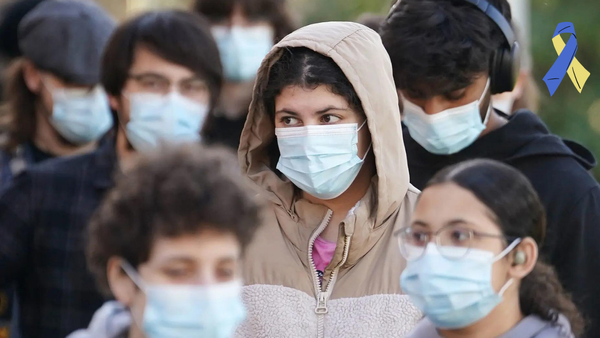
IT is not surprising that the trials-based medical research sector is under pressure because of coronavirus.
As Hunter Medical Research Institute director Tom Walley says today, the various COVID-19 protocols that limit face-to-face contact - especially in a hospital setting such as HMRI's - are a problem for many of the 400 medical trials under way in the region before the pandemic.
Researchers will rejig arrangements where possible, but there are limits to what can be changed.

Substantial alterations will need exterior approval, especially if a trial has begun, given that consistency of treatment is a crucial building block in the evidence-based medical system.
At the same time, the overwhelming need to find a medical weapon against coronavirus has triggered a global research effort to create a vaccine.
Without an endless supply of research dollars - or researchers - other research tasks are being put to one side.
A similar phenomenon has seen complaints surface about climate science drowning out other areas of investigation in the race for funding.
CORONAVIRUS HERE AND OVERSEAS:
-
NSW: three new cases but Premier Gladys Berejiklian wants more testing
-
Biden on USA: 'We cannot get the country moving until we control the virus.'
- Sicily tightens restrictions as tourism drives Italian virus surge
-
Victoria by the numbers, lowest daily tally since July 5
-
Senate president says COVID parliamentary restrictions a 'danger'
Knowing that a trial has been impacted in some way because of the pandemic will likely have a corresponding effect on its participants, who may have volunteered to take part because they have a medical condition in need of a breakthrough treatment.
But as Professor Walley points out, in a world where medical researchers are often employed on short, fixed-term contracts, the failure to finish a trial can dramatically reduce the chances of securing future funding: a problem that can only be be made worse when money is being diverted from other areas into COVID-19.
So, what can be done?

Most human trials will sign up a few extra participants to ensure that results remain valid even if some people, as is often the case, drop out.
To minimise the impact, any volunteers who are thinking that coronavirus makes things all too hard could perhaps remember the reasons they signed up initially, which will usually be to help themselves, or others.
COVID-19 might be getting all the attention at the moment, but the importance of other medical research remains.
Doubly so, perhaps, given the role that other illnesses - or "co-morbidities" - seem to play in individual coronavirus outcomes.
ISSUE: 39,395.

IN THE NEWS:
-
Lake council to look at possible takeover of Valentine hydrotherapy pool
- Mid-Coast Council working on dam plan to drought-proof Gloucester
- Major meth ring at Murrurundi and Coffs Harbour taken down
-
'Hold the Phoen': Robert Dillon says rookie now key man for the Knights: SUBSCRIBER
-
US muso Justin Townes Earle, regular Newcastle visitor, dead at 38