Esports organization Fnatic has announced immediate measures to address a surge of online abuse and threats directed at its players, saying it will involve law enforcement and impose permanent bans on individuals found responsible in its social media platforms.
In an official statement posted Feb. 19 on X (formerly Twitter), the London-based org said it has recently observed an increase in targeted harassment, including personal attacks and alleged death threats against its players.
“Let us be clear: We have zero tolerance for this behavior,” the organization emphasized, adding that while criticism is part of professional competition, especially in high-profile titles such as League of Legends and VALORANT, threats of violence cross an ethical line.
“Crossing the line into threats of violence is not only unacceptable — it is illegal,” the org stated.
In addition to reporting incidents to law enforcement, Fnatic said individuals identified as participating in harassment or making threats will be permanently banned from its social media channels, Discord servers, and any future physical events hosted by the organization.
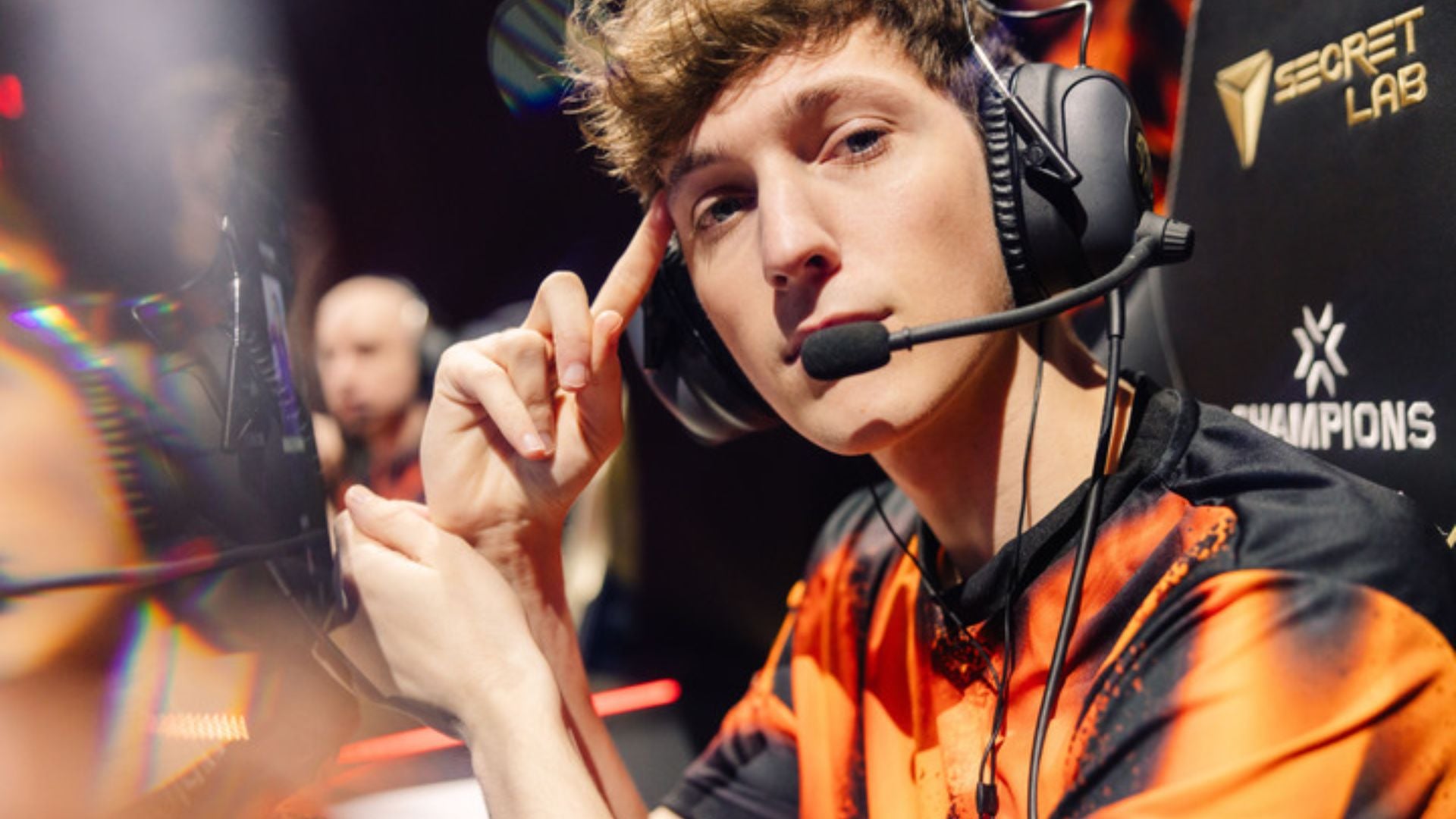
Recently, Fnatic League of Legends players Vladimiros “Vladi” Kourtidis and Park “Lospa” Joon-hyeong have reportedly stepped back from social media following alleged threats and online harassment. Meanwhile, Fnatic VALORANT’s in-game leader Jake “Boaster” Howlett has previously been the target of online hate and has reportedly received death threats in the past.
Fnatic, which also has teams in CS2, Apex Legends, Rainbow Six Siege, and The Finals, said it is prioritizing player safety and wellbeing, while providing support to ensure its competitors feel secure both online and offline. The organization noted that competing at the highest level is already demanding and that abusive behavior adds unnecessary strain.
The team also called on its community to help curb harassment by reporting abusive content through official platform channels rather than engaging with it.
Fnatic reaffirmed its commitment to maintaining esports as a safe and inclusive competitive space, stating that it will not allow what it described as a “hateful minority” to undermine its players or its mission. As esports continues to grow in visibility and competitive intensity, the org’s action plan shows willingness to escalate online abuse cases beyond internal moderation.