A Florida woman says an attempt to seek mental health support turned into a frustrating experience after she claims a therapy clinic restricted her access because of her criminal history.
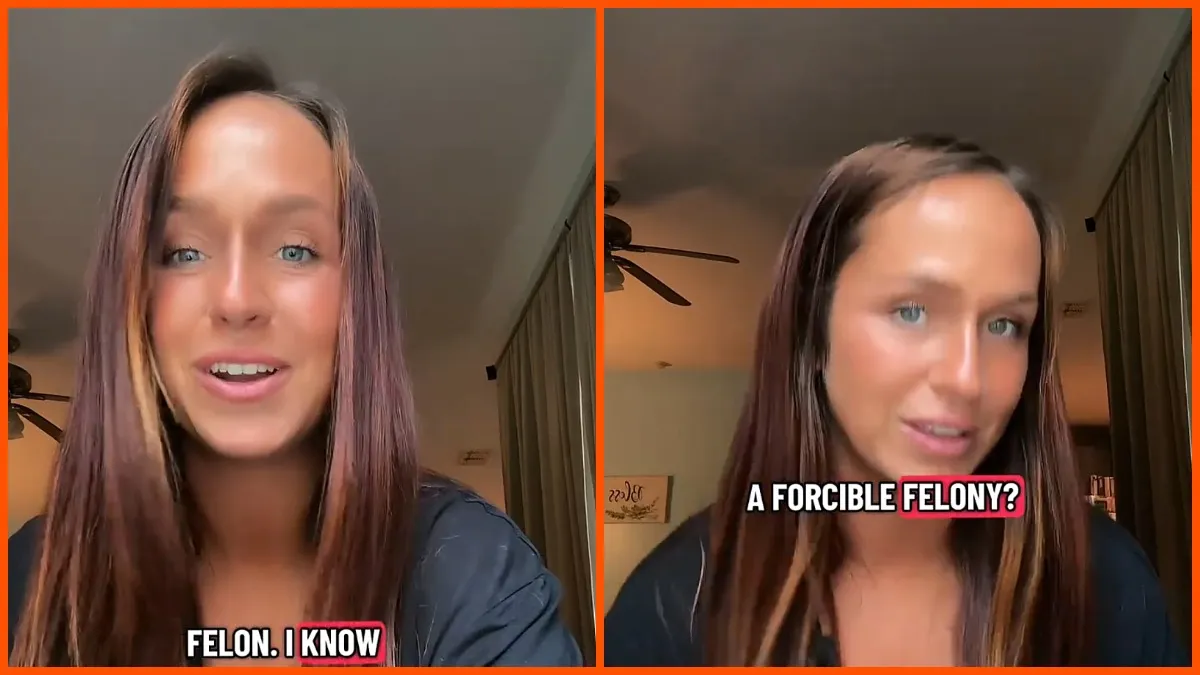
In a video posted on TikTok, creator Tayler Arrington opens up about what she describes as discrimination from a psychiatric provider following a referral from her doctor. She begins the story by saying she was “literally discriminated against today for being a felon” before explaining why she believes the clinic treated her differently.
The issue began during a phone call to schedule a psychiatric evaluation. The representative asked several standard questions before asking whether she had a “forcible felony,” a phrase Tayler says she had “never heard it worded this way”.
When she asked, “What do you mean by that?” the representative clarified that it referred to a violent felony, leading her to confirm that her conviction involved armed robbery.
The clinic’s response left Tay feeling judged
According to the woman, the conversation shifted after she disclosed that information. She says the representative responded, “OK, kind of changes things,” before telling her she would not be allowed to attend appointments inside the office and would instead have to complete sessions through telehealth.
The creator says she was caught off guard by the decision, questioning why she was being prevented from entering the facility before staff had learned anything else about her. Recalling the moment, Tayler responded, “I was like, excuse me? Like you’re telling me that I’m not allowed to step foot into your office?”
@taylerarrington “discrimination” might not be the word for it BUT STILL, i can’t make this stuff up 🤦🏻♀️😂 #felon #felonsoftiktok #storytime #prison #prisontiktok
♬ original sound – tay 🤍
She nearly tried to explain more about her past and the circumstances surrounding her conviction. However, she decided against sharing those details after feeling that the clinic had already judged her based on her record.
“I don’t want anything to do with a place where I already feel judged before you guys even know anything about me,” she said.
Her concerns come from feeling that people with criminal records can still face barriers when trying to access support. She argues that mental health care can be especially important for those dealing with difficult experiences connected to prison.
She connected that point to her own situation, explaining that her mental health struggles are linked to her time behind bars. “Hey, I have PTSD and a part of that comes from me when I was in prison,” she said.
Mental health access after incarceration remains a challenge for many people rebuilding their lives, particularly as former inmates deal with the effects of life after prison. She says the issue was not simply about discussing her record, but about feeling that her past shaped how she was treated before she could be seen as a patient.
Several viewers supported Tayler’s concerns in the comments section. One person wrote, “That’s not okay!!! You need a safe place not a judgmental office,” while another shared their own experience with therapy, saying, “My psych has NEVER asked about my criminal history. That’s not ok.”
Others questioned whether there was additional context missing from the interaction. One commenter asked, “& they are healthcare professions?!?!”
The conversation around her experience also comes as more mental health professionals have taken to TikTok to discuss their work and connect with audiences. That public presence has raised questions about how therapists navigate professional boundaries online.
The video only shows the creator’s side of the exchange, and the clinic’s reasoning behind the reported decision has not been publicly shared. It is also unclear whether any additional factors were considered during the intake process beyond the information she provided about her conviction.
For Tayler, the experience left her feeling that her past had overshadowed her need for mental health support. She says she did not want to continue with a provider where she already felt judged before staff knew more about her.