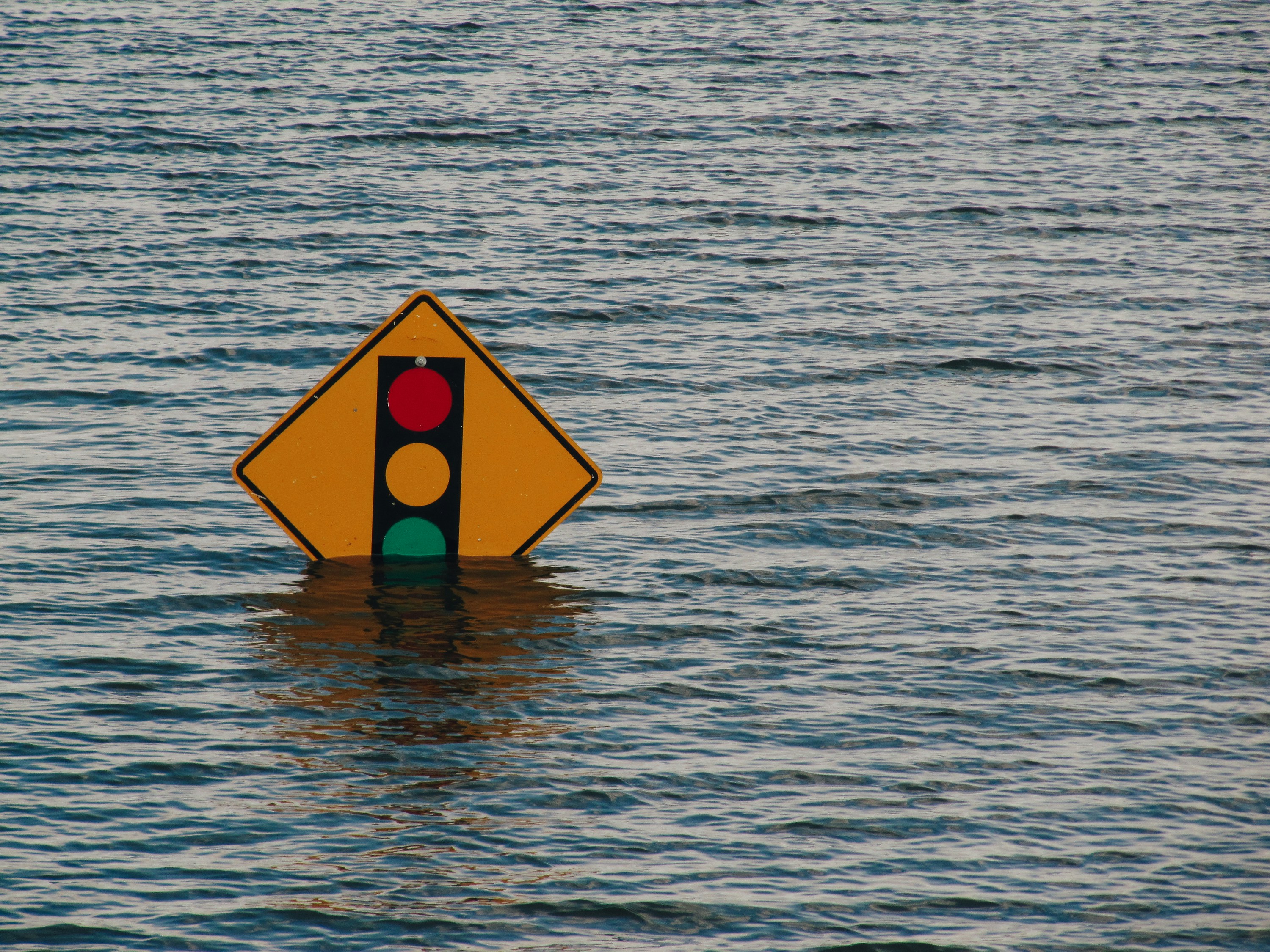
Florida homeowners are spending longer fighting insurance paperwork after storms, floods, and water damage. Repair bills rise fast, inspections become complicated, and settlement disputes now stretch far beyond the first contractor visit.
Another storm season is creeping toward Florida, and plenty of homeowners still have unfinished insurance claims sitting in folders from the last one. Roofing costs climbed again this year, contractors remain backed up in some counties, and small disagreements over water damage can suddenly turn into months of paperwork. A public adjuster in Homestead handles independent inspections, policy reviews, and settlement negotiations for homeowners trying to untangle complicated claims after major storms.
Florida Homeowners Are Bringing Outside Claim Experts Into the Process
Insurance paperwork used to feel more straightforward after storm damage. A claims adjuster visited the property, a contractor submitted an estimate, and repairs slowly moved ahead. Florida homeowners now deal with far more technical disputes once hidden moisture, roofing damage, or flood exclusions enter the conversation.
Commercial properties face similar pressure. A restaurant dealing with storm damage may also lose income while repairs remain delayed. Apartment owners sometimes end up handling relocation costs alongside structural repairs. Claims become complicated quickly once several inspections, contractor reports, and policy documents start colliding.
Independent inspections also became more common because repair costs rarely stay fixed after a major weather event. Contractors may discover additional water intrusion once walls or flooring come out, and replacement pricing can change substantially between the first estimate and the start of construction. Plenty of homeowners now want a second review before agreeing to a settlement figure.
Flood Damage Keeps Causing Problems Months Later
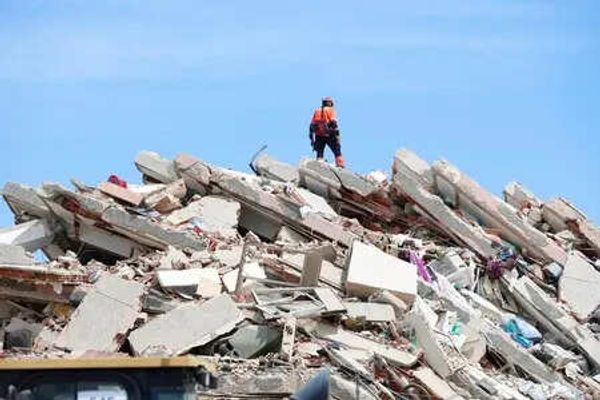
Flooding creates headaches long after streets dry out. Drywall can trap moisture for weeks, flooring damage sometimes spreads underneath visible surfaces, and small leaks often reveal themselves months after the original storm passed through. Plenty of homeowners only discover the full repair bill once contractors start opening walls.
Florida also deals with repeated weather events close together, which creates another layer of confusion during claims investigations. Somebody might file one claim during hurricane season, then discover additional damage after another major storm arrives a few months later. Flooding continues affecting parts of Florida - and the nation - throughout the year, and that constant cycle keeps insurance disputes active long after television crews leave town.
Construction inflation adds pressure as well. Roofing materials became more expensive after several major storms hit the Southeast in recent years, and labour shortages still affect parts of the state. A repair estimate written shortly after a storm can look completely different once contractors finally become available.
Insurance Claim Disputes Are Drawing More Scrutiny
Insurance disputes became a much bigger public conversation after several recent disaster seasons. Homeowners across multiple states reported delayed responses, disagreements over repair scope, and confusion surrounding flood exclusions tied to hurricane damage. Regulators also started paying closer attention once complaints increased after major storms.
Investigations into claim handling after natural disasters brought national attention to the issue. Homeowners described situations involving repeated documentation requests, disputed damage assessments, and long waits before payments arrived. Those stories helped push insurance claims further into mainstream news coverage instead of remaining a private fight between homeowners and insurers.
Florida sits near the centre of that conversation because the state handles such a high volume of storm-related claims every year. One disagreement over water intrusion can suddenly affect roofing, flooring, electrical systems, and mould remediation. Claims that start small sometimes become large reconstruction projects once inspections move deeper into the property.
That uncertainty leaves plenty of homeowners reading policies far more carefully than they did before.
Settlement Reviews Are Becoming Part of Storm Recovery
A first settlement offer does not always close the conversation anymore. Contractors may discover additional structural damage after repair work begins, or homeowners may realise that replacement costs increased sharply since the original inspection took place. Supplemental claims became increasingly common after major storms because repair estimates can change quickly once projects move from paperwork into demolition.
That environment pushed more property owners toward firms handling complex insurance negotiations. The best public adjuster in Florida often deals with denied claims, underpaid settlements, policy interpretation, and large-scale storm recovery projects involving hidden structural or moisture damage. Some firms also use thermal imaging equipment or moisture mapping systems to identify problems sitting behind walls or underneath flooring.
Business owners often face even more pressure during these disputes. Delayed repairs can interrupt operations for months, especially in hospitality, retail, or food service. A property claim may suddenly involve lost income alongside rebuilding costs, which changes the stakes considerably once negotiations begin.
Small Documentation Problems Can Become Expensive Later
Storm recovery creates a mountain of paperwork very quickly. Contractor invoices pile up, repair photos disappear into camera rolls, and insurance emails become difficult to track once several weeks pass. Plenty of homeowners only realise later that missing photographs or incomplete records slowed part of the claim process.
Basic organisation helps more than people expect. Keeping dated photographs, saving receipts, and maintaining written communication with contractors can prevent arguments later once repair costs start climbing. Storm damage already creates enough stress on its own. Scrambling to rebuild missing paperwork usually makes the situation worse.