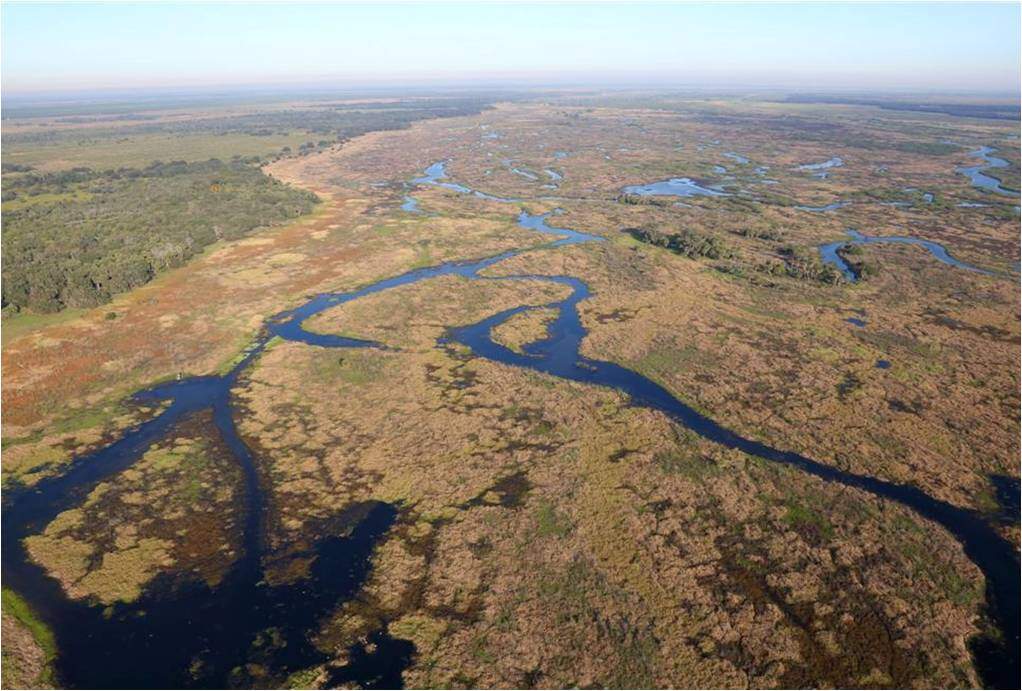
Natural waterways have shaped central Florida’s history for generations. The Kissimmee River used to run through central Florida for over 100 miles. The broad floodplain was capable of holding large amounts of water due to its shallowness. Seasonal flooding was seen as a menace to people who settled near the area.
Get breaking news anytime, anywhere. Download the TOI app now!
In the middle of the twentieth century, state and federal planners decided to take action, initiating an engineering strategy designed to control the wild waterway completely. Between 1962 and 1971, heavy machinery systematically carved up the delicate ecosystem, dredging and straightening the river’s curves into a deep, uniform concrete straightaway known as the C-38 canal. While this artificial channel redirected stormwaters and provided flood protection, it also contributed to major environmental damage in the surrounding valley.
The severe ecological consequences became increasingly clear over the subsequent decades. According to the South Florida Water Management District , the engineering work severed the river from its natural floodplain. The regional water authority documents how the construction of the straight canal caused the surrounding vibrant wetlands to dry up almost immediately. Without the seasonal rise and fall of water, the natural ecosystem declined, prompting concern from conservation groups and residents.
Repairing the damage required a major change in how people managed the river. As scientists and water managers concluded, one effective way to preserve regional wildlife was to remove many of the artificial structures. Florida eventually launched a long-term restoration project that took nearly 40 years. The idea was to transform the linear drainage canal back to its original winding river system. This process was tedious, complicated, and expensive, but the environmental effects were overwhelmingly positive.
Re-establishing the winding river
The physical efforts needed to restore the environment were immense. In order to get the water flowing freely over the land again, large construction teams had to fill in many miles of the deep drainage canal using millions of tons of soil. By placing blockages in the artificial channel, engineers redirected water into the original oxbows, which had been unused for decades. This meant that the river flooded over its banks naturally whenever there was rain in the summer months.
The massive multi-agency partnership behind this monumental effort is detailed in an article by the US Army Corps of Engineers Jacksonville District. These reports explain the engineering strategies used to remove the old flood-control structures while protecting nearby communities. The above-mentioned article details how scientists and construction teams worked in tandem to remove massive water control gates and adjust regional levees, ensuring that nearby urban centres remained safe from flooding while the natural river reclaimed its historical path.
As water returned to the area, native plants and wildlife began to recover. Native plant species started growing around the valley. Fresh water replaced the stagnant water in the old channel, allowing a wider range of life to return.
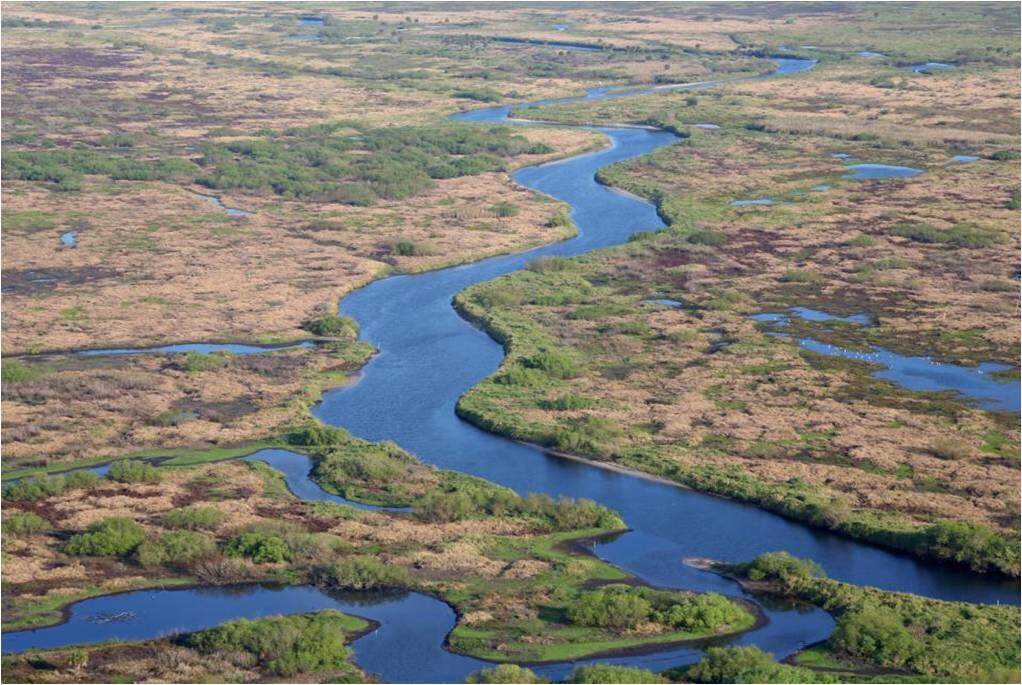
A remarkable comeback story for future generations
Natural water flows may have helped local flora and fauna recover. Wading bird populations had drastically dropped along the modified canals where their feeding grounds disappeared for decades. Now, birds are increasing their activity again in some parts of the central Florida basin. Great blue herons, egrets and bald eagles have been seen in the restored wetlands, where food sources have increased.
The recovery has also benefited outdoor recreation and local economies. The return of native fish populations, including largemouth bass and sunfish, has helped revive local recreational fishing, which had suffered terribly under the old channelised conditions. People are returning to the river basin to enjoy its natural beauty, kayak its bends, and observe the restored ecosystem.
When the project was finally completed, a lot had changed in the environment. The hard and demanding process of trying to revive the Kissimmee River indicates that commitment and scientific adaptation could aid in restoring ailing ecosystems. This suggests that, in some cases, allowing natural processes to resume can help ecosystems recover.