Another person has died in Florida after being exposed to the life-threatening flesh-eating bacteria Vibrio vulnificus.
There have been two deaths and 14 infections from it already in the Sunshine State this year, according to updated data from the state’s health department.
Vibrio infections can lead to blistering skin lesions and septic shock, as well as rapid tissue death that leads to limb amputations. About one in five people with infections die, sometimes within just a day or two.
“That is why it is so important to see a medical provider immediately if there are concerns,” Dr. Norman Beatty, an associate professor of medicine at the University of Florida College of Medicine, said in an emailed statement provided to The Independent.
While the people who died were not identified by the department, the deaths were reported in Mario and Palm Beach Counties.
The new death comes as five people have died in the state of Louisiana, which is also along the Gulf Coast.
Officials there warned residents to take precautions last week after nine people were hospitalized for infections this year.
“During the same period over the previous 10 years, Louisiana reported an average of seven cases and one death,” the state’s Department of Health said in a release.
All nine cases were linked to wounds that had been exposed to seawater and all of the patients had underlying health conditions.
But that’s not the only way people can be exposed to infection. Cases are also contracted when a person consumes raw seafood - typically oysters.
Signs of infection may include fever, redness or swelling around a wound, skin discoloration, low blood pressure, discharge, watery diarrhea, stomach cramps, nausea, vomiting and chills.
Healthy individuals usually develop mild disease, but people with compromised immune systems are at a heightened risk of severe cases.
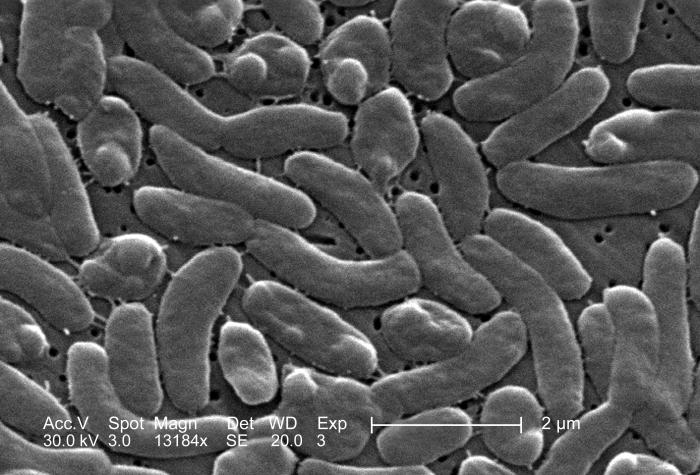
Unfortunately, a warmer climate thanks to human-caused climate change is also partly to blame.
Warmer waters - the Gulf has seen record ocean temperatures over the last couple of years - mean more conducive conditions for the bacteria.
Summer storms that flood city streets can also play a role.
That’s why cases are often seen in the summer months.
“Cases steadily rise through the summer and peak in July and August in Florida,” Beatty said. “It is important to protect wounds from saltwater exposure to avoid the bacteria from entering the body at that site.”