MIAMI _ Three months ago, Floridians were celebrating Valentine's Day unaware that the novel coronavirus posed any real threat to their lives, or that it was likely already spreading through the state. No one had told them to be worried.
While the public was kept in the dark, top Florida health officials were scrambling to come up with a plan for a crisis they knew was upon them, according to internal Florida Department of Health data and communications obtained by the Miami Herald.
The records show that on Feb. 13 DOH assembled an emergency response team. The team's mission: "Contain the spread of the virus." It also began preparing for N95 mask shortages and privately providing pandemic protocols to long-term care facilities, warning them about the risks the virus posed to elderly residents.
By mid-February, Raul Pino, the recently appointed director of the Department of Health's office in Orange County, was growing concerned about COVID-19 overwhelming his resources. The department was stretched thin as it tried to comply with U.S. Centers for Disease Control and Prevention guidance to monitor people who may have been exposed to the virus.
"At this point we are following 67 individuals and we must establish contact within 24 hours," Pino wrote in a Feb. 15 email to an official at the Florida Department of Health in Tallahassee. "We can manage as we are _ and I am moving additional resources _ but, if the volume continues to increase, we may face some resistance."
He asked DOH about the possibility of declaring a local agency emergency in order to allocate more resources to coronavirus response.
Pino's email was one of several alarm bells ringing internally at DOH, even as the state health department and Florida Gov. Ron DeSantis said little publicly about the impending crisis before the state announced its first two cases on March 1. The department had already received two preliminary positive test results for those cases days earlier, according to internal data.
The state was also monitoring hundreds of people, far more than anyone outside state government knew at the time. DOH memos marked "confidential" show that by Feb. 18, more than 500 people in Florida had been flagged for monitoring for possible exposure and more than a dozen people had been tested (all with negative results) _ figures the state refused to release, even to local hospitals and to state senators at a public hearing.
Around that same time, DOH officials told employees not to dispose of expired personal protective equipment because of "current supply chain concerns," per a CDC warning.
Samantha Cooksey, coordinator for DOH's COVID-19 response team, also sent an email to the Florida Health Care Association, an industry group of assisted living facilities and nursing homes in Florida, spelling out guidelines for "pandemic planning."
"Older populations and people with underlying health issues appear to be at increased risk for this virus," Cooksey wrote on Feb. 20, providing a checklist of protocols including limiting visitors and isolating symptomatic residents. "We believe it is important that long-term care facilities begin planning now and ensuring they have protocols in place for a pandemic scenario." (More than 900 residents and staff of such facilities have since died as a result of the disease.)
DOH and the governor's office did not respond to questions for this story.
State Surgeon General Scott Rivkees would not declare a public health emergency until DeSantis directed him to do so on March 1. The emergency gave the department more authority, resources and flexibility to reassign staff.
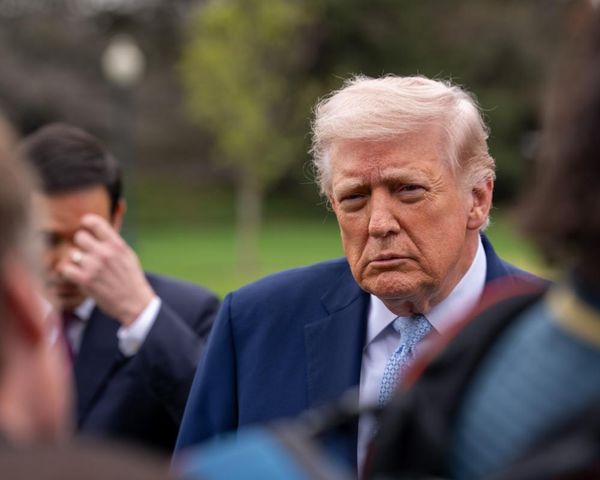
The records obtained by the Herald show that Washington, D.C., where President Donald Trump routinely downplayed the threat of the virus, wasn't the only place where pandemic concerns were being muted. It was also happening in a state run by DeSantis, Trump's close ally. Trump was concerned about spooking the stock market. Florida relies on a healthy image to attract tourists, including the crush of young people who flock to the state's beaches for spring break.
As internal activity ramped up in Florida during the first months of 2020, DOH issued just two news releases about COVID-19 in January and February. The first, on Jan. 24, announced the launch of a bare-bones web page with information on coronavirus. The next did not come until Feb. 25. It detailed a presentation by Rivkees on COVID-19 preparedness to the Florida Senate the previous week.
"Public health happens quietly in the background, but this is what we prepare for every day. The Department has been fully engaged from the very beginning of this outbreak and has been monitoring the situation since early January," Rivkees said.
He added: "With there being no cases in Florida, and with isolation procedures in place, the potential for further outbreak is currently low."
DeSantis acknowledged the state's monitoring activities at a Jan. 27 news conference and called coronavirus a "significant public health threat." But he stayed largely quiet on the topic for the next month. At a Feb. 27 news conference, he said the state was preparing for coronavirus and stressed that there were no confirmed cases.
In fact, DOH had received its first positive test result on Feb. 26, the day before the news conference, according to internal records obtained by the Herald, although the CDC had not yet confirmed the result. (Another would come on Feb. 28.)
And the day before DeSantis addressed reporters, a memo from the Florida Hospital Association had been delivered to DOH with a serious warning. "The potential public health threat posed by COVID-19 is high, both globally and to the United States," the memo said.
Little information about the growing viral threat was being shared with the public.
"There's no question in my mind that the state should have released information as soon as possible," said Nicholas King, an associate professor of bioethics and epidemiology at McGill University in Montreal. "You need to release that information so that people on the front line _ anyone who is in any high-risk occupation, including so-called essential workers _ would be able to take precautions."
"Transparency creates trust," King said.
Once Floridians were made aware of the risks, they stayed home, even before local and state emergency orders went into effect, according to a Tampa Bay Times analysis of cellphone data.
State Sen. Jose Javier Rodriguez, a Democrat, acknowledged that no one wanted to start an unnecessary panic. But he said the lack of information about the virus hamstrung Florida employers and families trying to stay safe.
"From the beginning, the DeSantis administration, including the DOH, appeared to approach this pandemic from the perspective of managing their image and managing the crisis from a public relations standpoint, and not from a public health standpoint," he said. "They seem to be playing games with public records."
In an email to the Herald, Pino, of the Orange County health department, said declaring an agency emergency in mid-February would have "given us the 'power' to reallocate resources and reassign individuals" as his department tried to monitor dozens of potential COVID-19 patients.
Under CDC guidelines, local health departments are supposed to contact people potentially exposed to COVID-19 either through travel or contact in Florida, determine if they have symptoms that merit testing and monitor them for at least two weeks.
Pino said DOH's two-week delay in declaring an agency emergency did not impact his department's operations.
"We are a large department so we can get 'creative,'" he said. "That would be a good question for smaller departments. On my end, I found a great deal of help from everyone."
By mid-February the Florida health department knew it needed supplies, particularly tests and masks.
"Is the intent to resupply hospitals if their level of N95s become critical?" Ryan Pedigo, director of DOH's Office of Public Health Preparedness, wrote in an internal Feb. 13 email. "I have been getting several calls from hospitals and one hospital system who are getting concerned with their current supply levels. Apparently vendor orders are being delayed into March in some cases."
Madison County Memorial Hospital later reached out to DOH with a request for N95 masks, saying its order was backlogged. The local emergency response coalition did not have any masks either, and the county health department had enough only for its own employees.
Cooksey, coordinator of the COVID-19 emergency team, responded to the request saying the state would need more information before considering it.
"We'll only consider small orders at a time as an emergency stop gap measure," Cooksey wrote on Feb. 27. The next day, she sent an internal email saying DOH had procured 169,200 N95 respirators.
In addition to limiting their public statements in February, top DOH officials also withheld information on testing and monitoring from health care professionals across the state.
On a Feb. 5 conference call with the Florida Hospital Association, state officials were asked how many people in Florida were under investigation for suspected exposure. They did not answer. "We work with health care providers to test individuals in Florida and all of them have been negative to date," said Scott Pritchard, interim director of DOH's Infectious Disease Prevention and Investigations Section.
Internal monitoring memos sent to staff and obtained by the Herald date back to Feb. 18. The state would not publicly disclose how many people were being monitored until March 1, claiming its hands were tied by a state law that legal experts said did no such thing.
"It was definitely a choice," said Timothy Monaghan, a health care lawyer at Shutts & Bowen. "I think that sometimes state officials present a false choice between protecting patient confidentiality and letting the public know that there's been a case or potential cases. ... It appeared that state officials were saying 'We'd love to tell you, but the statute won't let us.' That just wasn't true. The statute doesn't say that."
Even without all the information, some local health care providers seemed to be ahead of the state's planning.
In a late January email, a health official from Palm Beach County asked the department for an update, saying that "community partners" wanted "guidance and protection measures."
Around the same time, DOH was informed that Twin Cities Hospital in Okaloosa County was holding a drill to get ready for coronavirus.
"This is just an exercise," the message said, "and not real world."