The Florida Keys are no stranger to hurricanes, or to the death and destruction that have followed their worst storms. But Hurricane Irma may rival them.
Irma, whose sustained winds weakened to 125 mph winds after skirting Cuba Saturday, was expected to strengthen and lash the Keys early Sunday morning. It easily shapes up to be the most damaging hurricane to hit the Keys since Georges in 1998. And if it comes in at a projected 140 mph somewhere near Key West, it could be much worse _ driving the Atlantic Ocean across sections of the island chain.
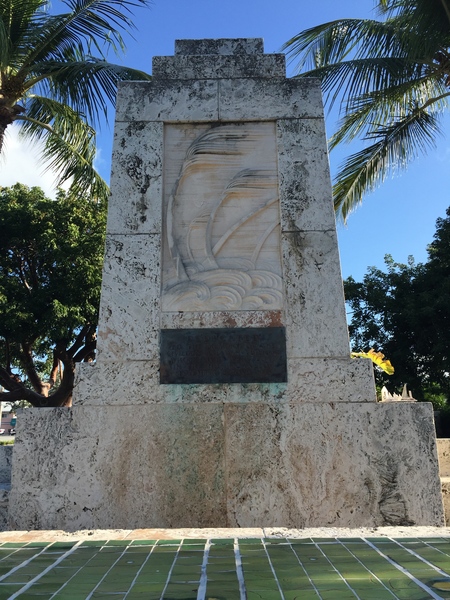
It was storm surge that was the big killer in the Keys' worst catastrophe more than 80 years ago. The most intense hurricane to strike the United States, the Labor Day Hurricane of 1935, tore first through Craig Key with estimated winds that exceeded 200 mph. One estimate put the toll at 485 dead, including about 250 veterans who were caught in work camps building new highway bridges when the storm struck.
That storm was also the end of the Keys extension of the Florida East Coast Railway, which had been battered by hurricanes since it began operating in 1912. The railroad, which was then the only line of ground transportation to Key West, had weathered the 1926 Great Miami hurricane which killed 200 on the mainland and the storm in 1919 named for the Florida Keys that sank ships off the coast and killed more than 800. But the 1935 hurricane, with a surge that tore up tracks and overturned a train filled with evacuees, doomed the project financially.
Hurricane-force winds have battered the islands nearly every decade since. A 1945 hurricane made landfall on Key Largo, damaged hundreds of homes and killed four people across the state. Hurricane Easy in 1950 _ the first year hurricanes started to be named _ hit near Cedar Key with winds at 105 mph and indirectly caused two deaths.
Hurricane Donna in 1960, however, tore through the Keys with a distinctive fury, carving out a wide path of flooding and destruction, including several subdivisions in Marathon slammed near the eye's path. Hurricane Betsy just five years later caused flooding throughout the Keys and debris that choked off the U.S. 1 route to the mainland. Some areas were inundated in several feet of water, and five died across the state.
A few of hurricanes swept past the Keys in the 1970s and 1980s, and Hurricane Andrew in 1992 also did some damage, hammering North Key Largo and knocking out power lines to the islands.
Hurricane Georges in 1998 tore through Cudjoe Key with a 10 to 12-foot storm surge that cut off water and electricity to the islands again, in some places for weeks, and flooded several hundred homes. During the 2005 hurricane season, Hurricane Wilma prompted the most recent mandatory evacuation of the Keys before the storm swamped homes and businesses along the island chain.
But since Andrew, the Keys have not had a storm with the kind of strength that Irma could unleash on the low-lying islands. The National Weather Service's Key West station minced no words in one of its final warnings to get out: "Nowhere in the Florida Keys will be safe."