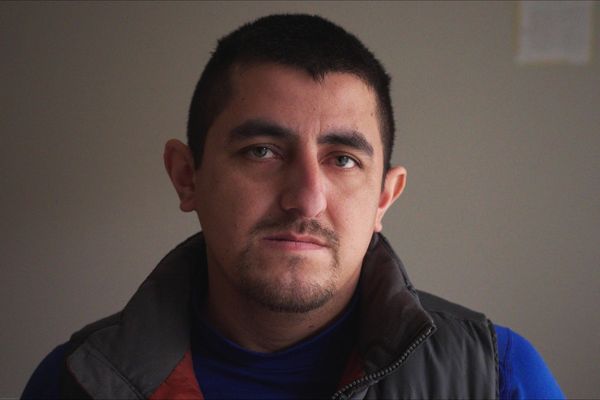
TAMPA BAY, Fla. _ Steven Phalen lives in Bradenton, has a Ph.D. in communications, and is a felon who owes about $110,000 in court costs and restitution.
In his home state of Wisconsin, where he was sentenced, he is eligible to vote.
But in Florida? He isn't, after Gov. Ron DeSantis signed the Legislature's bill Friday evening restricting how many felons would be eligible to vote under Amendment 4.
Phalen is one of more than a dozen felons who sued state and county officials over the weekend, alleging that they registered to vote after the historic amendment passed last year, but DeSantis' action will likely see them kicked off the voter rolls.
"The state was like, 'Welcome back,'" Phalen said Monday. "And now they're like, 'Hold on a minute.' Which, frankly, is infuriating and troubling."
The fate of Amendment 4 is now in the courts, where judges will decide whether Florida's Republican-dominated Legislature was right to require all felons pay back court costs and restitution before being eligible to vote.
The judge that's hearing it is U.S. District Judge Mark Walker, and it's a familiar topic for the Tallahassee judge.
Last year, he tossed out the previous method for felons to restore their right to vote, calling the system under former Gov. Rick Scott a "scheme," and the state's defense of it "nonsensical."
The Florida State Conference of the NAACP, the Orange County branch of the NAACP and the League of Women Voters are also plaintiffs in the case.
Critics have called the Legislature's bill a "poll tax," and a remnant of the racist 150-year-old law that was overturned when two-thirds of voters passed Amendment 4 last year.
Most states do not require felons to pay back all court fines, fees and restitution.
A hearing has not yet been scheduled in the cases.
The 13 plaintiffs highlight the various ways that the Legislature made it harder _ or impossible _ for felons to vote.
One Hillsborough County man, Kelvin Jones, 46, is disabled and cannot work, for example. He can't afford to pay the $52,000 in fines and fees from his drug trafficking conviction.
The Legislature allowed for a felon to petition a judge to have those dollars converted into community service hours, but because he's disabled, he can't perform community service, according to his lawyer, Michael Steinberg of Tampa.
"There's a large group of people who are disabled," Steinberg said. "They are physically and mentally unable to do community service or pay court costs."
Bonnie Raysor, 58, served 18 months in prison on drug-related charges, and she was released in 2011. She now works as an office manager, according to her lawsuit, and still owes $4,260 in court fines and fees.
Like many felons, she pays it down each month. For her, it's $30 each month.
But the Legislature's bill doesn't allow felons to pay down their debts and vote at the same time, so she won't be able to vote for another 12 years.
"Under SB 7066, she will not regain her right to vote for another 12 years, at which time she will be 70 years old," her lawsuits states.