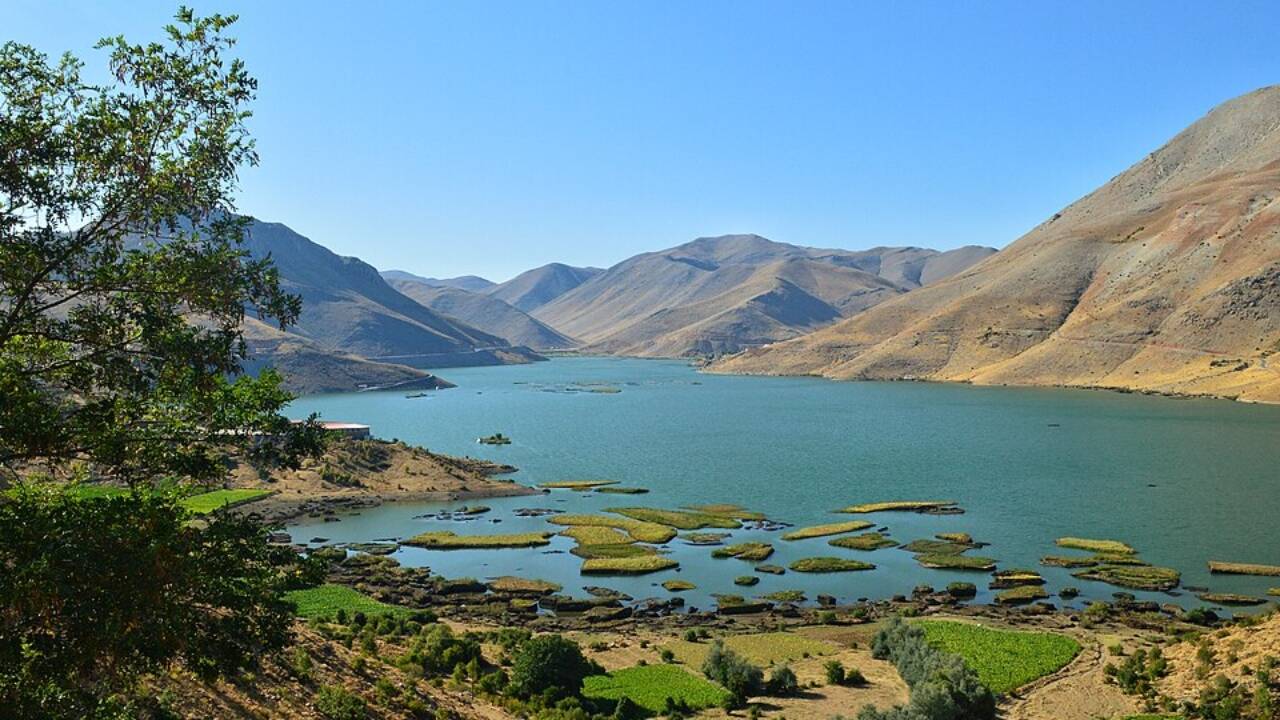
Lake Okeechobee is the second-largest freshwater lake in the contiguous United States and has long been considered the heart of South Florida. However, over several decades now, the lake has become increasingly vulnerable to excessive nutrient pollution, especially phosphorus carried into the watershed through agricultural runoff, fertilisers and tributary inflows. This nutrient overload has created ideal conditions for invasive aquatic plants such as water hyacinth and water lettuce to spread rapidly. Therefore, thick mats of vegetation can combine into giant floating islands that drift across the lake, blocking sunlight, reducing oxygen levels, disrupting fish habitat and making navigation increasingly difficult .
Get breaking news anytime, anywhere. Download the TOI app now!
Study reveals where these nutrients are coming from
A 2011 report by the U.S. Geological Survey (USGS) examined nutrient concentrations and water discharge from 16 tributary monitoring stations flowing into Lake Okeechobee between 2004 and 2008. The study showed that while rainfall contributes roughly half of the lake water, rivers and surrounding tributaries transport significant quantities of phosphorus and nitrogen into the lake every year. Furthermore, it showed that watersheds west of the Kissimmee River discharged five to six times more water than eastern basins. While the eastern basins usually record high phosphorus concentrations, it was the western tributaries that ultimately delivered much larger nutrient loads because of their substantially greater water flow.
Notably, during wetter years influenced by hurricanes, including 2004, 2005, and late 2008, nutrient loads rose rapidly as heavy rainfall flushed even greater amounts of phosphorus and nitrogen into the lake. Meanwhile, the years that faced droughts saw reduced discharge, although the nutrient discharge was not eliminated entirely. According to the USGS report , non-priority western basins delivered phosphorus loads of up to 247 metric tons in 2005 as compared to 136 metric tons released from priority eastern basins. Similar patterns were observed for nitrogen compounds, highlighting how water volume can amplify pollution even when nutrient concentrations are relatively lower.
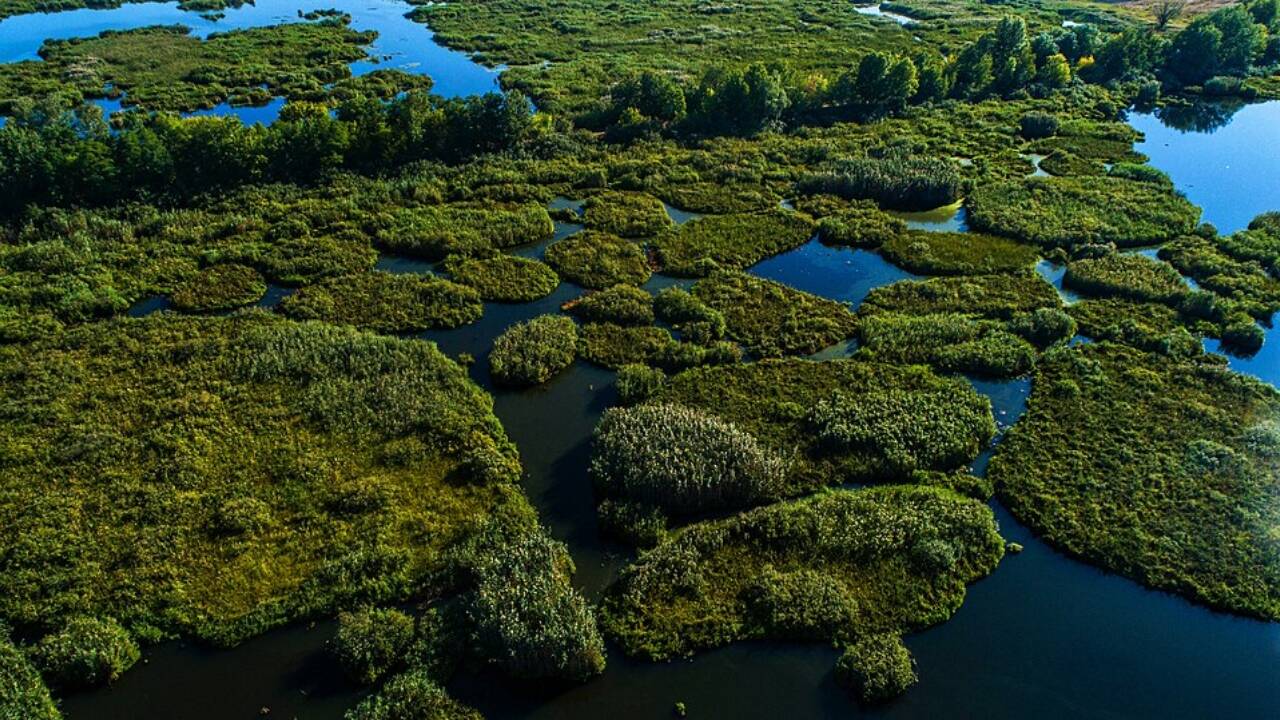
For the unversed, phosphorus is one of the key nutrients limiting plant growth in freshwater ecosystems, and when excessive amounts of water enter the lake, these nutrients act as fertilisers for aquatic vegetation and algae. Water hyacinth is particularly well suited to exploit these conditions, as under warm conditions and nutrient-rich waters, the floating plants can reproduce quickly and form dense rafts that expand across open water. These mats often trap other vegetation and organic material and gradually create large floating islands capable of moving with the wind and water currents. The ecological consequences go beyond the plants themselves, as this dense vegetation shades submerged aquatic plants, reduces dissolved oxygen available for fish, and restricts water movement.
A challenge decades in making
Lake Okeechobee has faced water-quality issues for several years, prompting ongoing restoration efforts led by the state and federal government. The nutrient-reducing strategies focus on limiting phosphorus entering the watershed through improved agricultural practices, stormwater treatment areas and wetland restoration. Experts, however, have noted that reducing nutrient inputs alone does not immediately eliminate the invasive vegetation and that the nutrients stored in the lake can still continue to fuel the plant’s growth for years. The USGS findings reinforce the importance of managing pollution throughout the watershed rather than focusing solely on the lake itself, as tributaries collectively transport large nutrient loads into Lake Okeechobee.
It is worth noting that scientists increasingly view the floating islands as a symptom rather than the root cause of Lake Okeechobee’s environmental challenges. Without sustained reductions in phosphorus and nitrogen entering the watershed, invasive plants are likely to continue thriving in the nitrogen-rich conditions. Therefore, this challenge, combined with increasingly variable rainfall patterns and stronger storm events that can introduce additional nutrients in waterways, means the restoration of the ecological balance of Lake Okeechobee remains a long-term challenge.