Florence study proves artist Leonardo da Vinci was ambidextrous
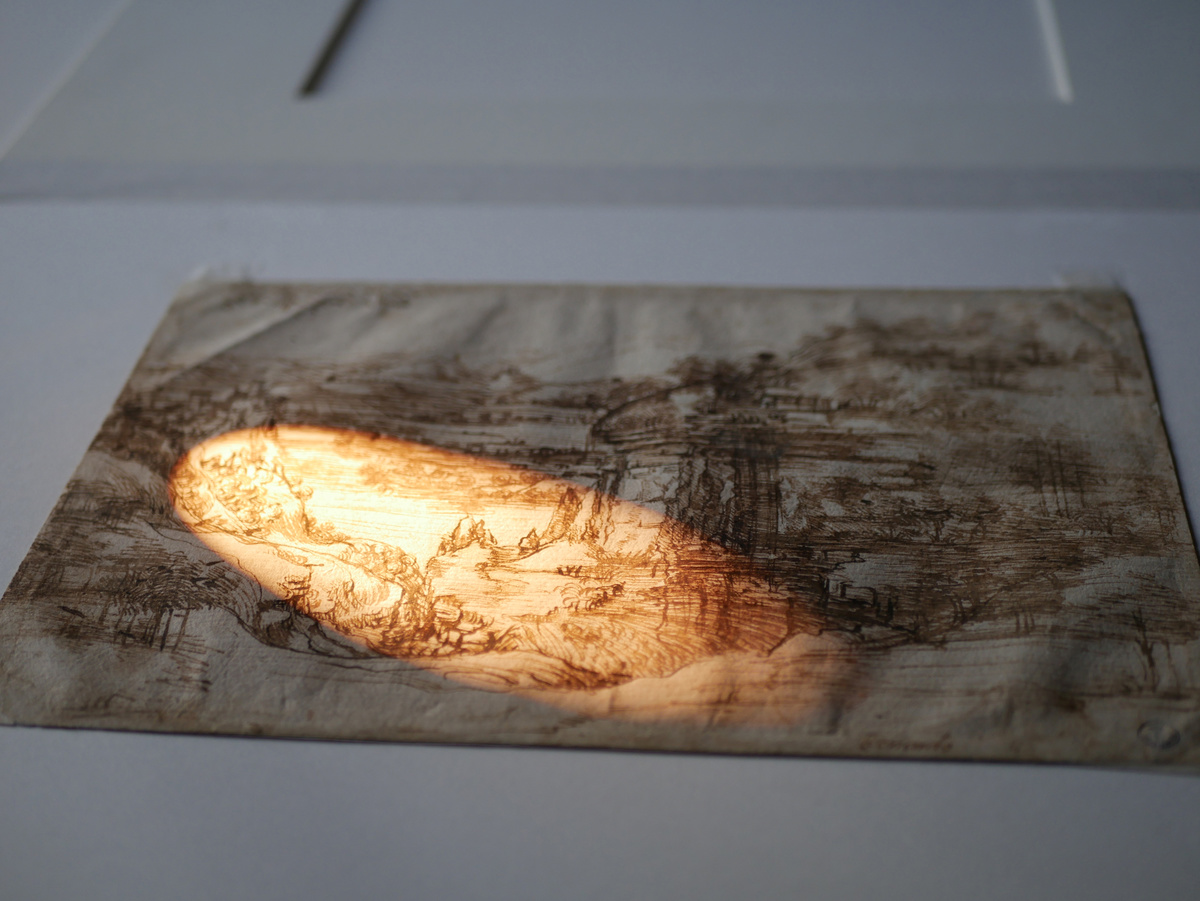
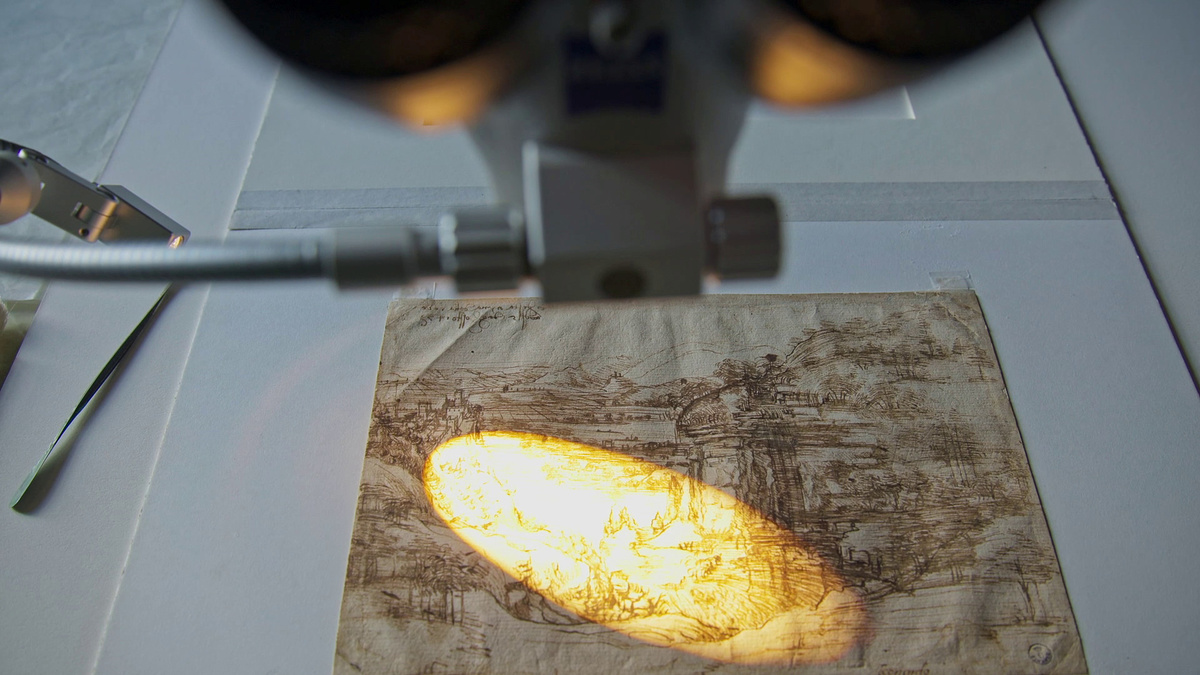
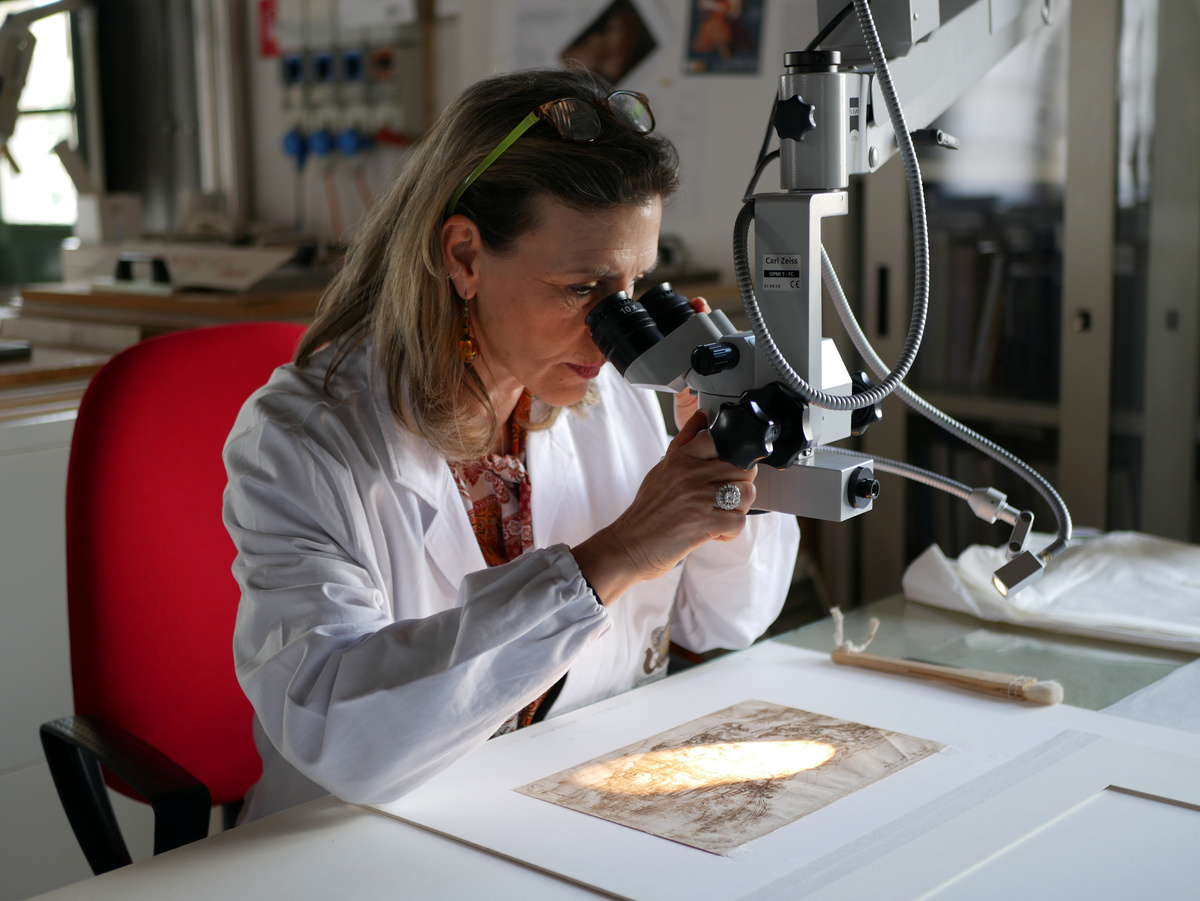
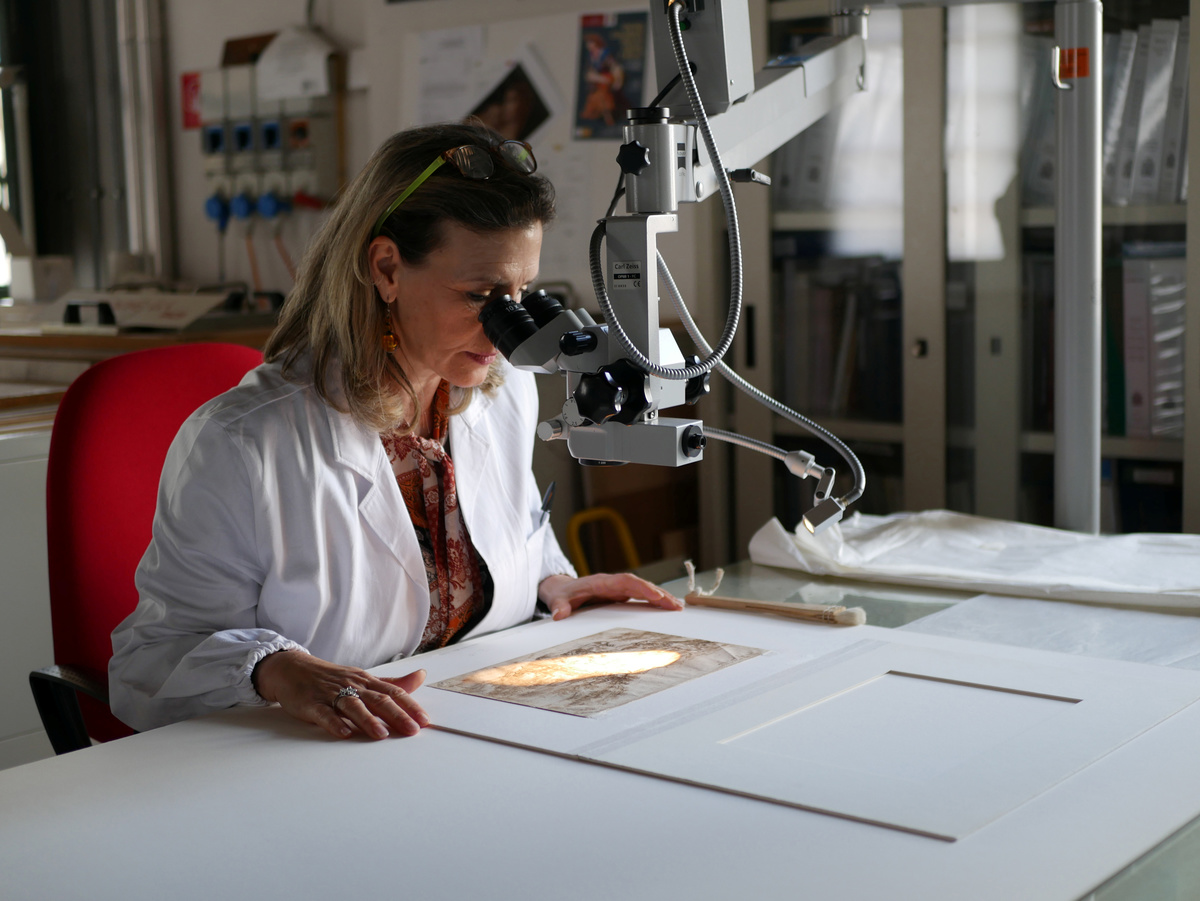
'Il Paesaggio' by Renaissance artist Leonardo da Vinci is analysed under a microscope at the Opificio delle Pietre Dure di Firenze in Florence, Italy in this handout obtained on April 8, 2019. Uffizi Gallery/Handout via REUTERS
FLORENCE, Italy (Reuters) - An in-depth study of Leonardo da Vinci's earliest-known drawing has proved that the great Renaissance artist was ambidextrous, Italy's Uffizi Gallery said on Monday.
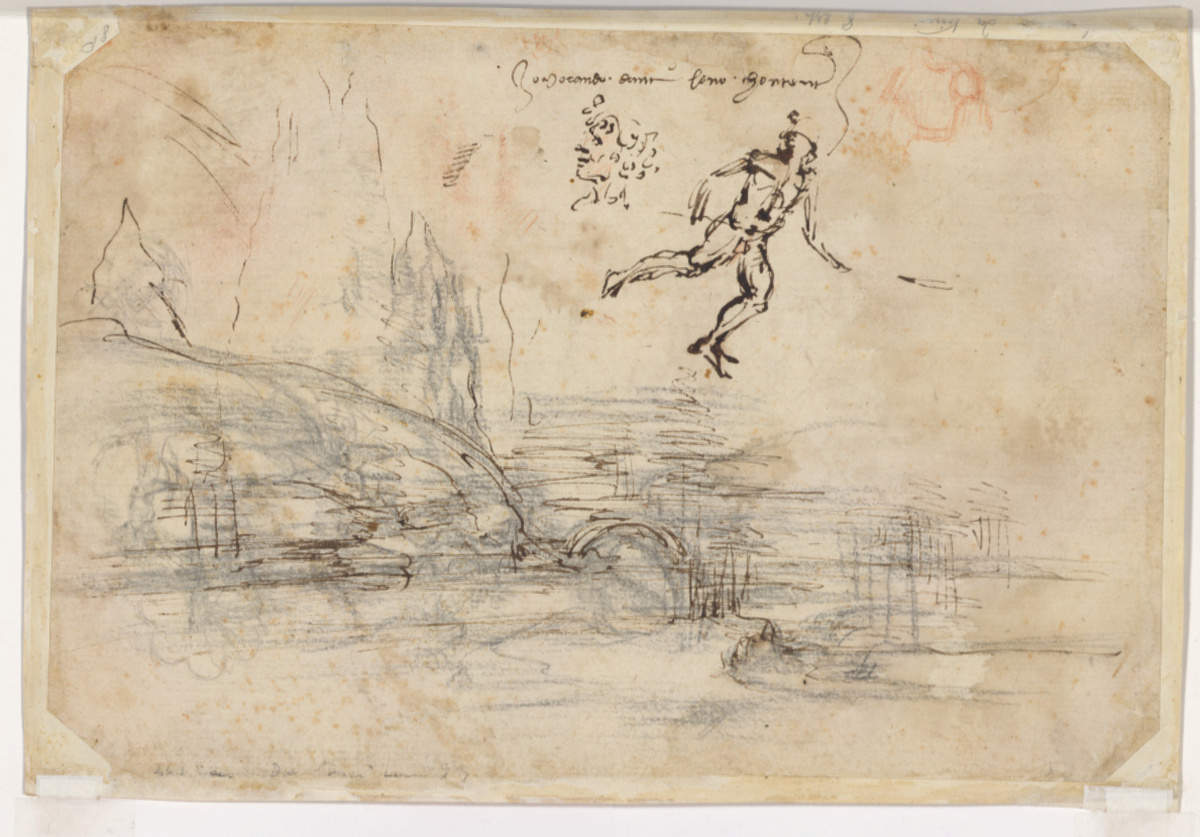
The scientific and technological analysis also revealed a hidden, previously unknown landscape sketch, also by Leonardo, on the back of the original work.
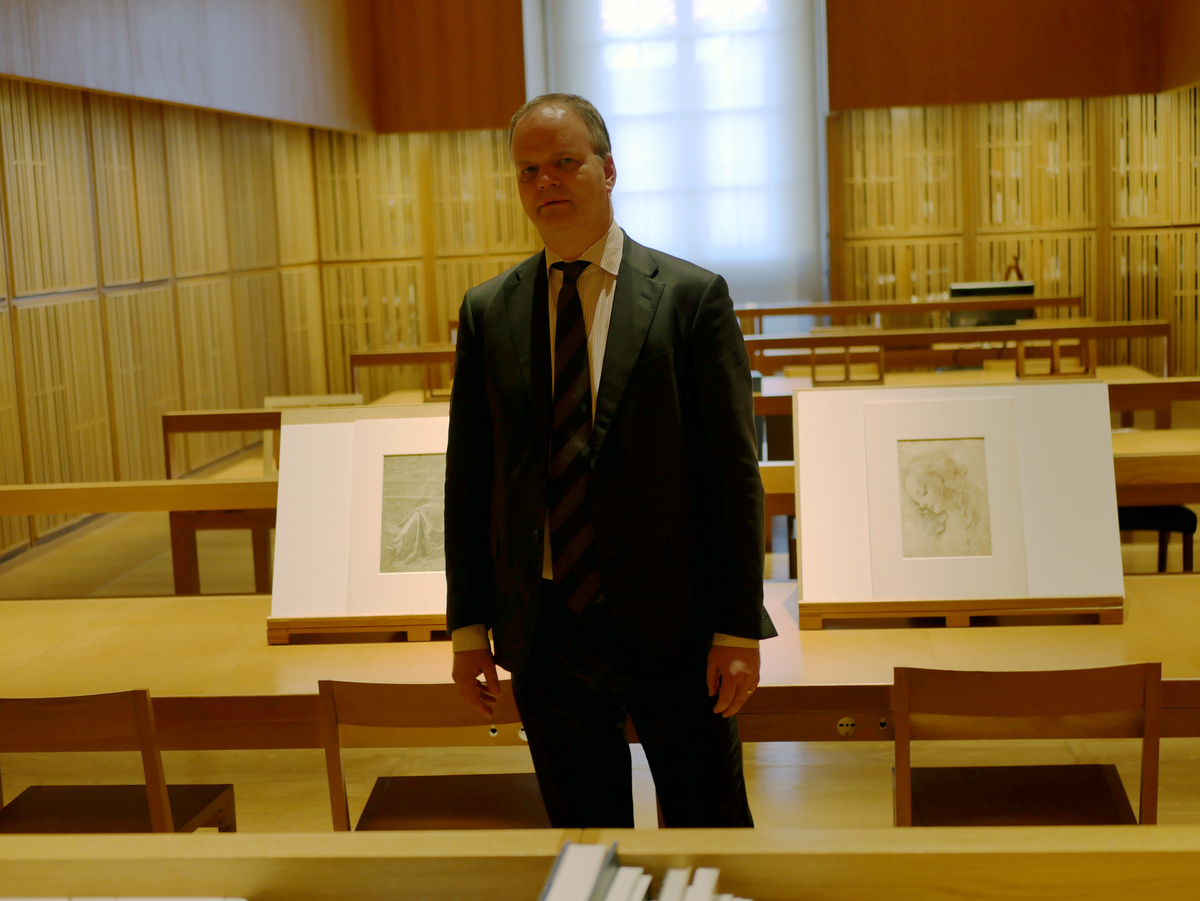
"It is a real revolution in the field of Leonardo studies," said Uffizi director, Eike Schmidt.
Uffizi Gallery Director Eike Schmidt poses at the Opificio delle Pietre Dure di Firenze in Florence, Italy in this handout obtained on April 8, 2019. Uffizi Gallery/Handout via REUTERS
The findings were announced a month ahead of the 500th anniversary of the death of Leonardo, with museums around Europe organizing exhibitions and events to celebrate the life of the man responsible for such masterpieces as Mona Lisa.
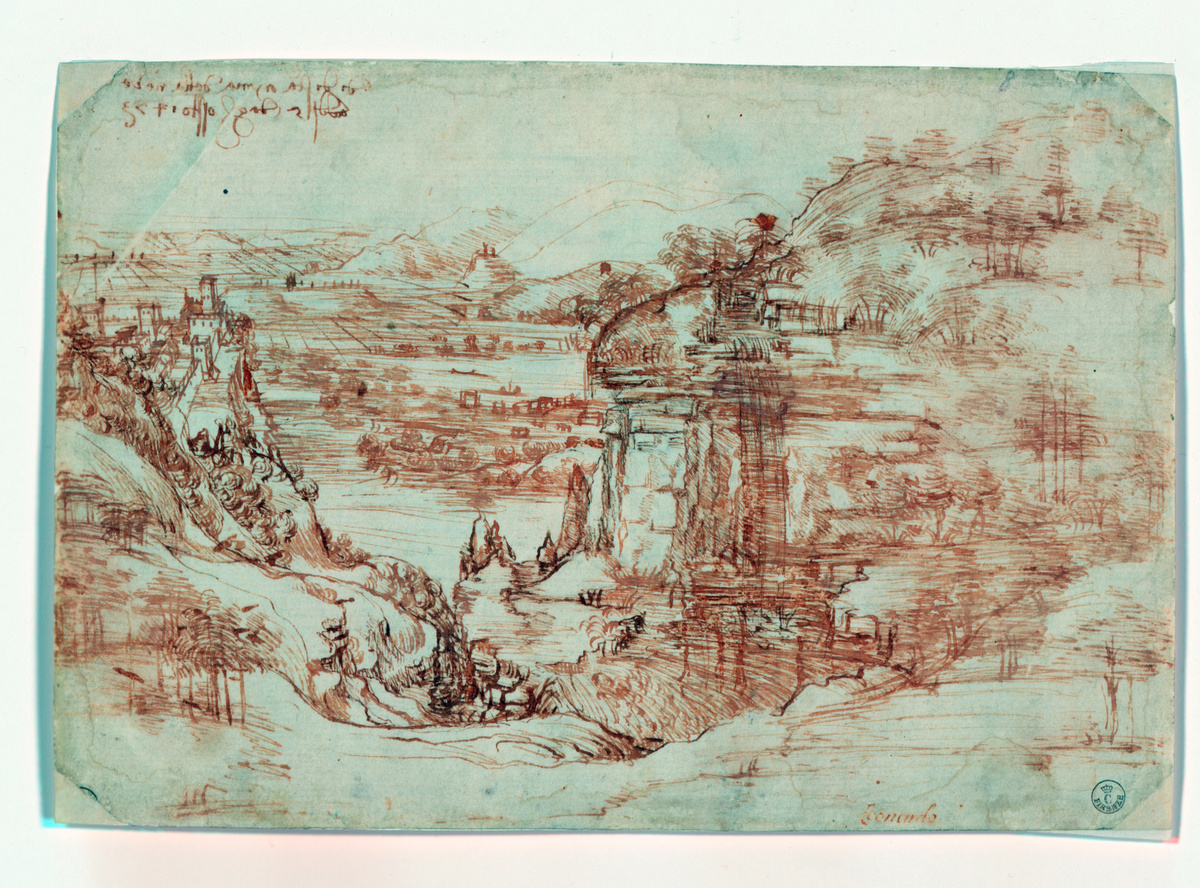
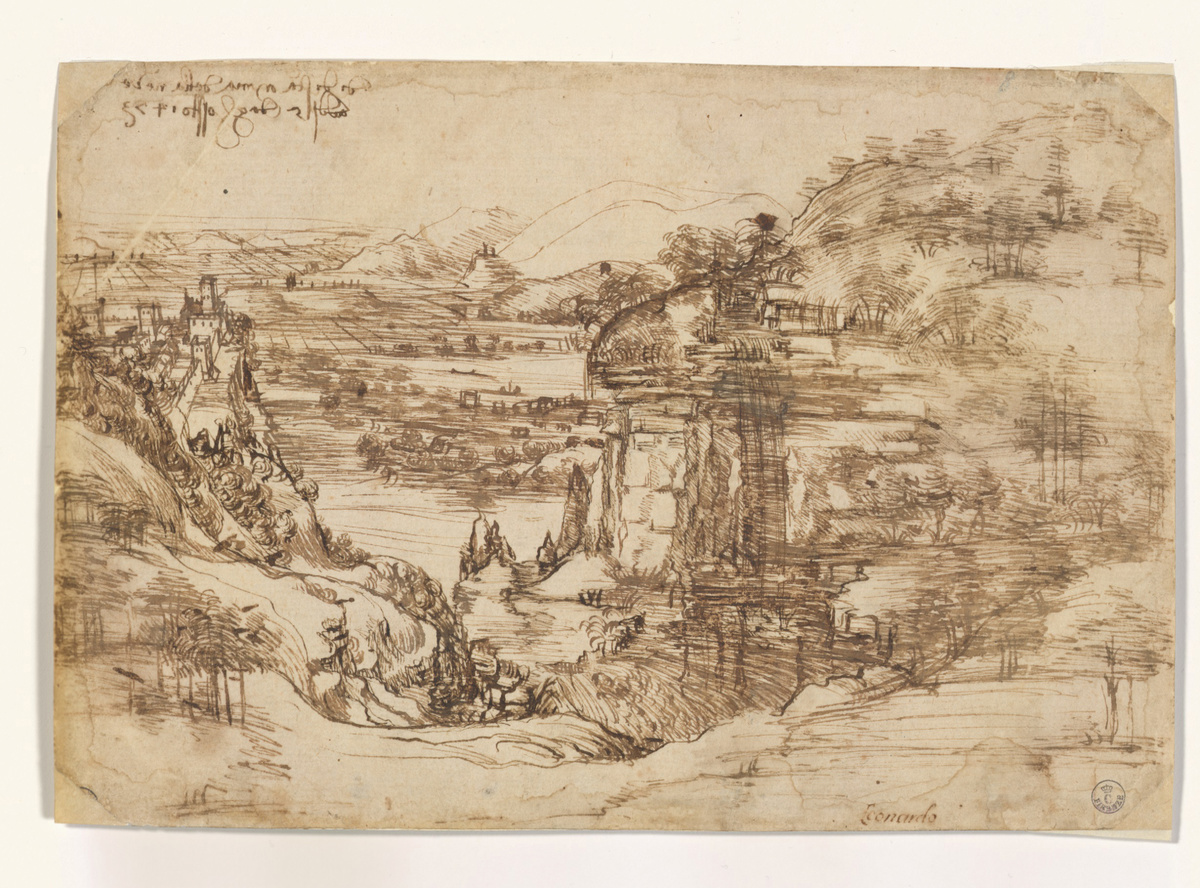
His first-known drawing is dated Aug. 5, 1473 -- when Leonardo was 21 -- and shows a landscape of the Arno river valley and Montelupo Castle, just outside Florence.
Commonly known as 'Landscape 8P' from its inventory number, the work has words on the front going from right to left, as Leonardo often used to write, which gives the date. On the back, the brief script goes from left to right, and alludes to an informal contract.
Infrared light is shone onto the 'Il Paesaggio' by Renaissance artist Leonardo da Vinci, during tests in Florence, Italy in this handout obtained on April 8, 2019. Uffizi Gallery/Handout via REUTERS
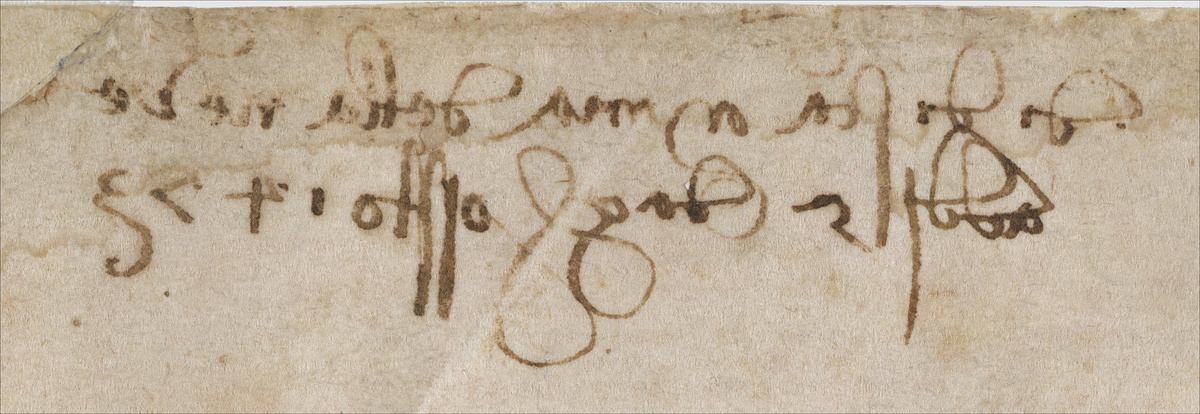
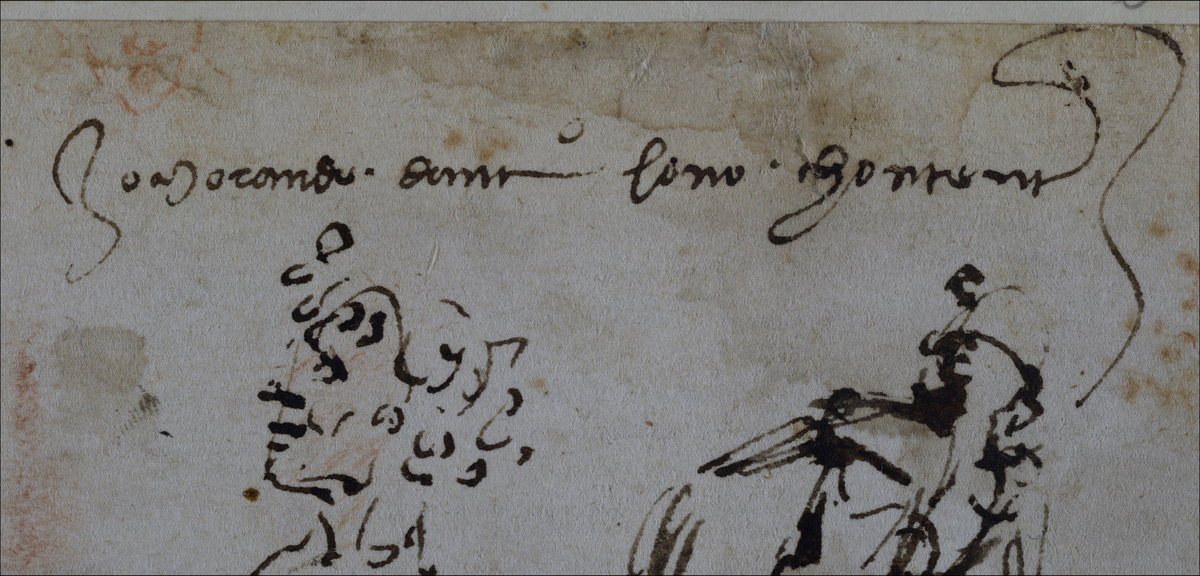
A study of the two texts confirmed they were both written by Leonardo and showed he was able to write perfectly using both his left and right hand.
“Leonardo was born left-handed, but was taught to write with his right hand from a very young age,” said art historian Cecilia Frosinini. “By looking at his writings, including from this drawing, one can see his right-handed calligraphy is educated and well done.”
Using infrared light, the art experts also discovered two different layers of drawing, both on the back and front, with an ink line covering the original charcoal trace in certain places.
Detail showing handwriting on the back side of 'Il Paesaggio' by Renaissance artist Leonardo da Vinci revealed through infrared scanning, is shown slanting to the left and right, indicating the artist was ambidextrous, during detailed examinations of his work in Florence, Italy in this handout obtained on April 8, 2019. Uffizi Gallery/Handout via REUTERS
Not much ink is visible on the back, but the infrared revealed that another landscape depicting a river crossed by a bridge was originally drawn there using a type of charcoal. It was not clear if the artist had rubbed the paper clean or if the charcoal had simply faded over time.
"The elements that emerged during this research open up new perspectives on the interpretation of Leonardo's Landscape 8P and on how the artist (built) the landscape, on his technique and even on his habits and abilities in writing," Schmidt said.
Detail showing handwriting and human figures on the back side of 'Il Paesaggio' by Renaissance artist Leonardo da Vinci revealed through infrared scanning, is shown slanting to the left and right, indicating the artist was ambidextrous, during detailed examinations of his work in Florence, Italy in this handout obtained on April 8, 2019. Uffizi Gallery/Handout via REUTERS
(Rporting by Silvia Ognibene; Writing by Crispian Balmer, editing by Pritha Sarkar)
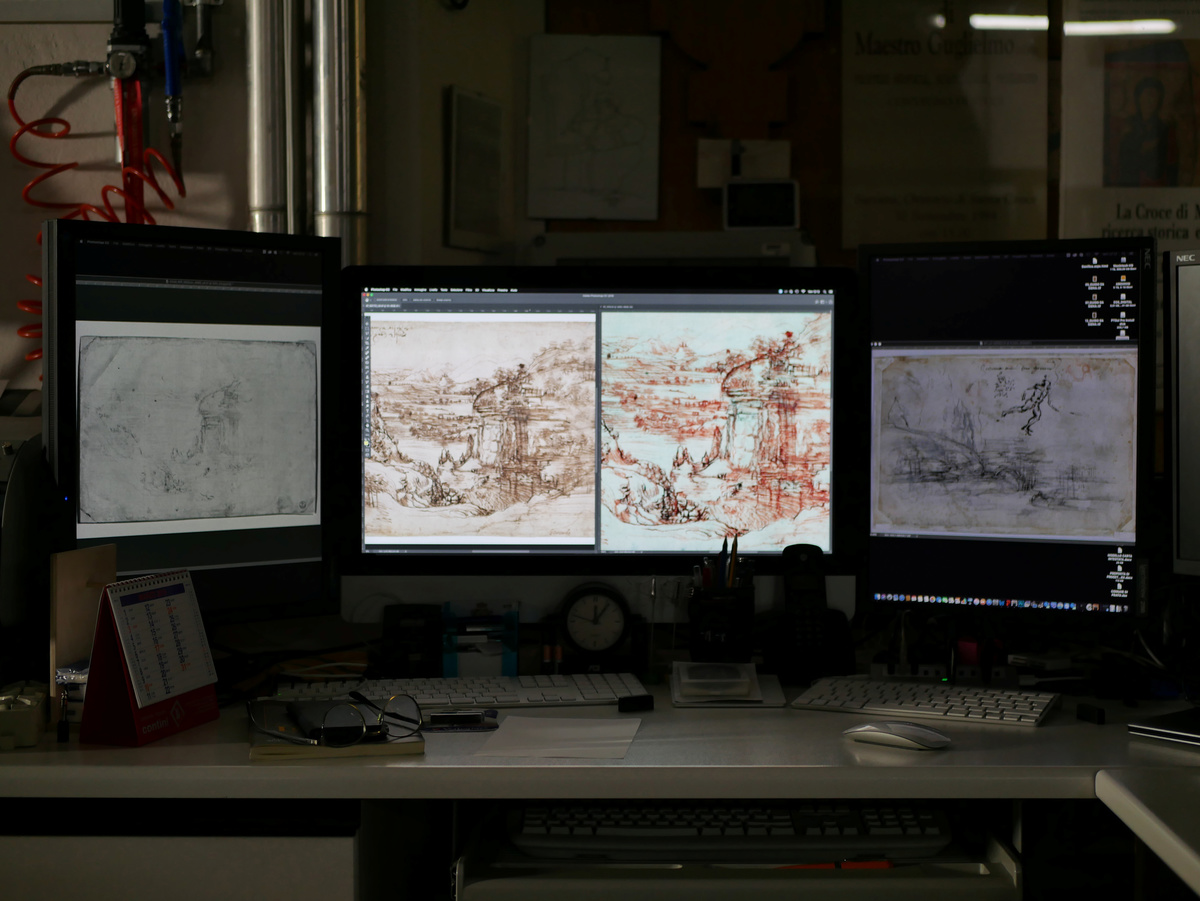
'Il Paesaggio' by Renaissance artist Leonardo da Vinci is seen on computer monitors during tests at the Opificio delle Pietre Dure di Firenze in Florence, Italy in this handout obtained on April 8, 2019. Uffizi Gallery/Handout via REUTERS'Il Paesaggio' by Renaissance artist Leonardo da Vinci, in Florence, Italy in this handout obtained on April 8, 2019. Uffizi Gallery/Handout via REUTERS 'Il Paesaggio' by Renaissance artist Leonardo da Vinci is examined for the first time at the Opificio delle Pietre Dure in Florence, Italy in this handout obtained on April 8, 2019. Uffizi Gallery/Handout via REUTERSLandscape, human figures and handwriting on the back side of 'Il Paesaggio' by Renaissance artist Leonardo da Vinci revealed through infrared scanning at the Opificio delle Pietre Dure di Firenze in Florence, Italy in this handout obtained on April 8, 2019. Uffizi Gallery/Handout via REUTERSAn art historian looks at 'Il Paesaggio' by Renaissance artist Leonardo da Vinci during tests at the Opificio delle Pietre Dure di Firenze in Florence, Italy in this handout obtained on April 8, 2019. Uffizi Gallery/Handout via REUTERS An art historian looks at 'Il Paesaggio' by Renaissance artist Leonardo da Vinci during tests at the Opificio delle Pietre Dure di Firenze in Florence, Italy in this handout obtained on April 8, 2019. Uffizi Gallery/Handout via REUTERS
Sign up to read this article
Read news from 100’s of titles, curated specifically for you.