Floods kill 120 in India's Gujarat, with industry, cotton hit
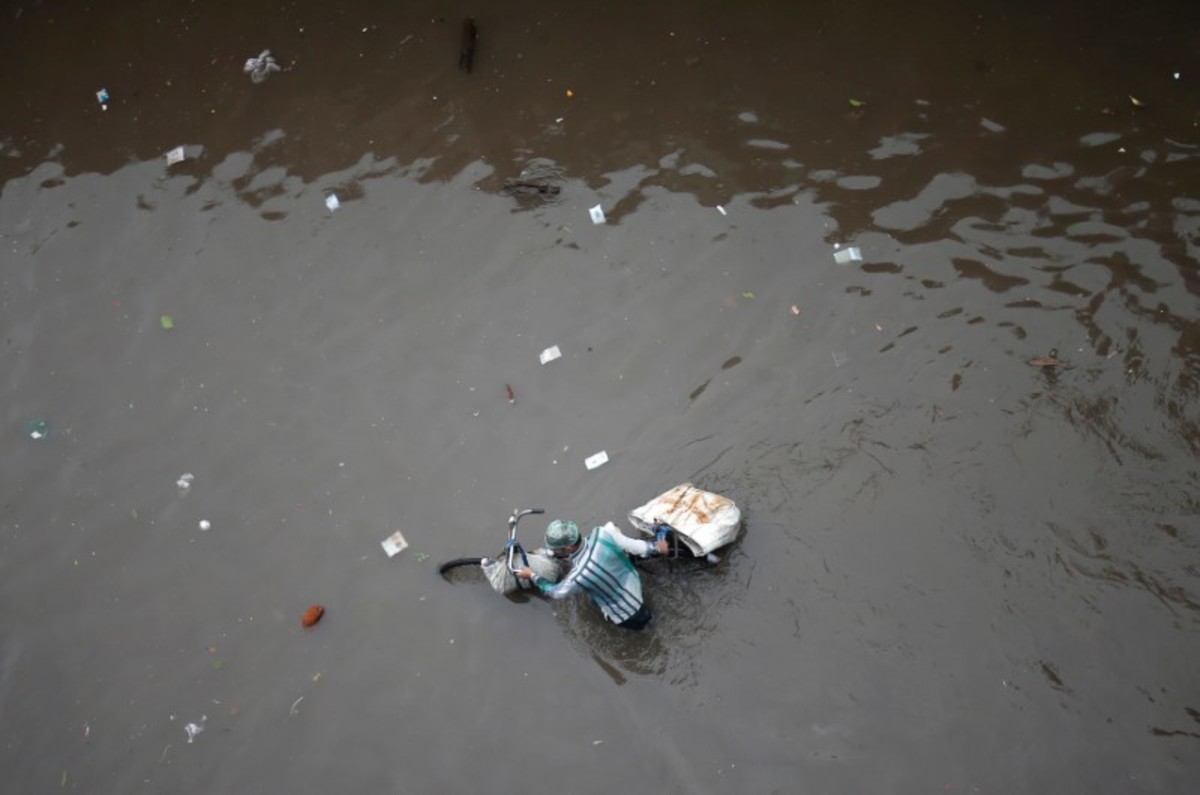
A man pushes his bicycle through a water-logged street after heavy rains in Ahmedabad, India. REUTERS/Amit Dave
AHMEDABAD, India (Reuters) - Widespread flooding in India's western industrial state of Gujarat has killed more than 120 people and paralyzed infrastructure, officials said on Friday, with tens of thousands of cotton farmers also suffering heavy damage.
Torrential monsoon rain and flooding in recent weeks have killed at least 300 people in western and eastern states, an official in the National Disaster Management Authority told Reuters in New Delhi.
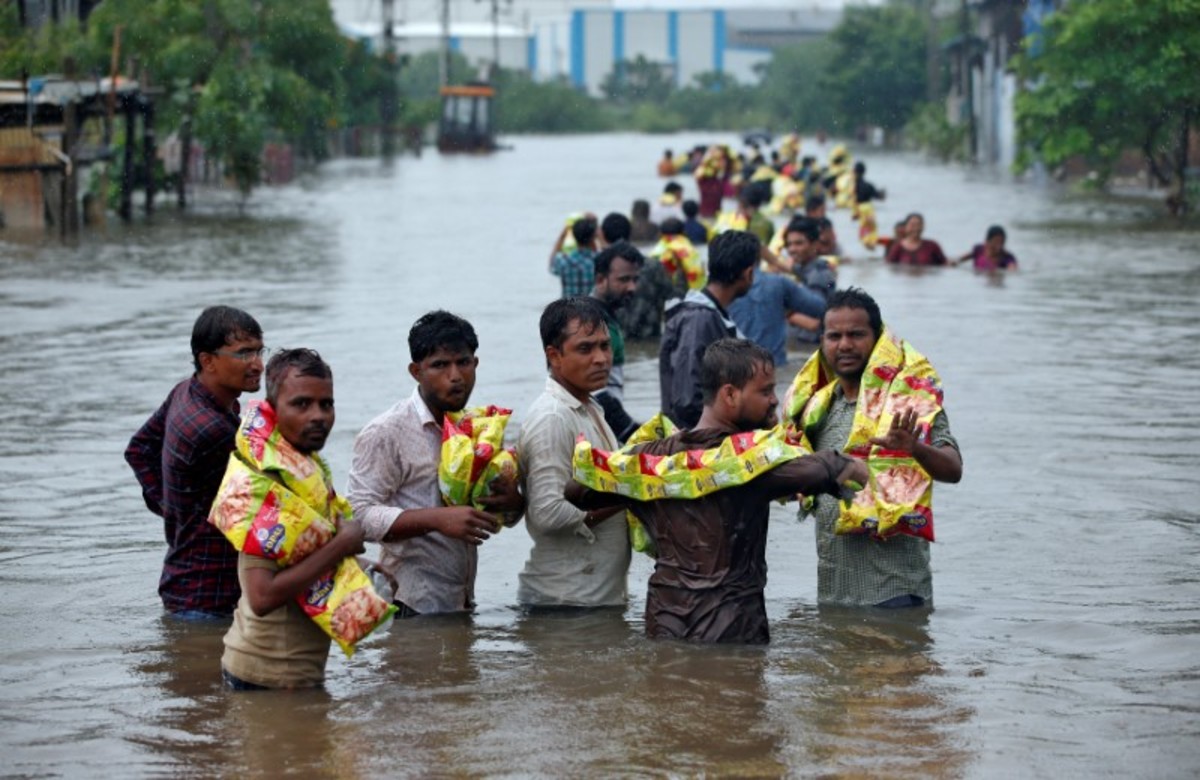
People carry packets of snacks after receiving them from civil defence volunteers in a flooded neighbourhood after heavy rains in Ahmedabad. REUTERS/Amit Dave
"Our teams are working in different parts of India with soldiers to ease the situation," said Deepak Ghai, an emergency room control officer.
More than a million households had been affected and losses to farmlands were being assessed.
The airport in Ahmedabad, the main commercial hub of Gujarat, was partially flooded, forcing airlines to divert flights. More than 150 factories were forced to shut down, said A.R. Raval, a district administrator.
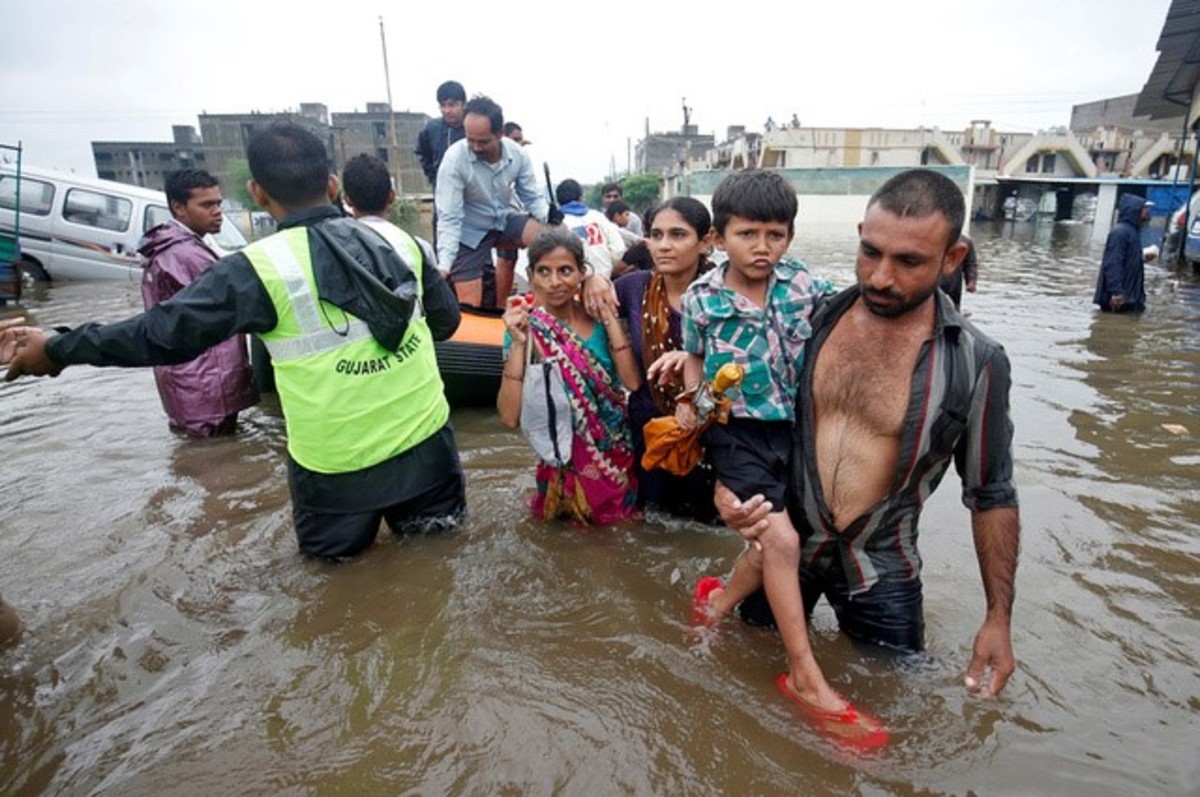
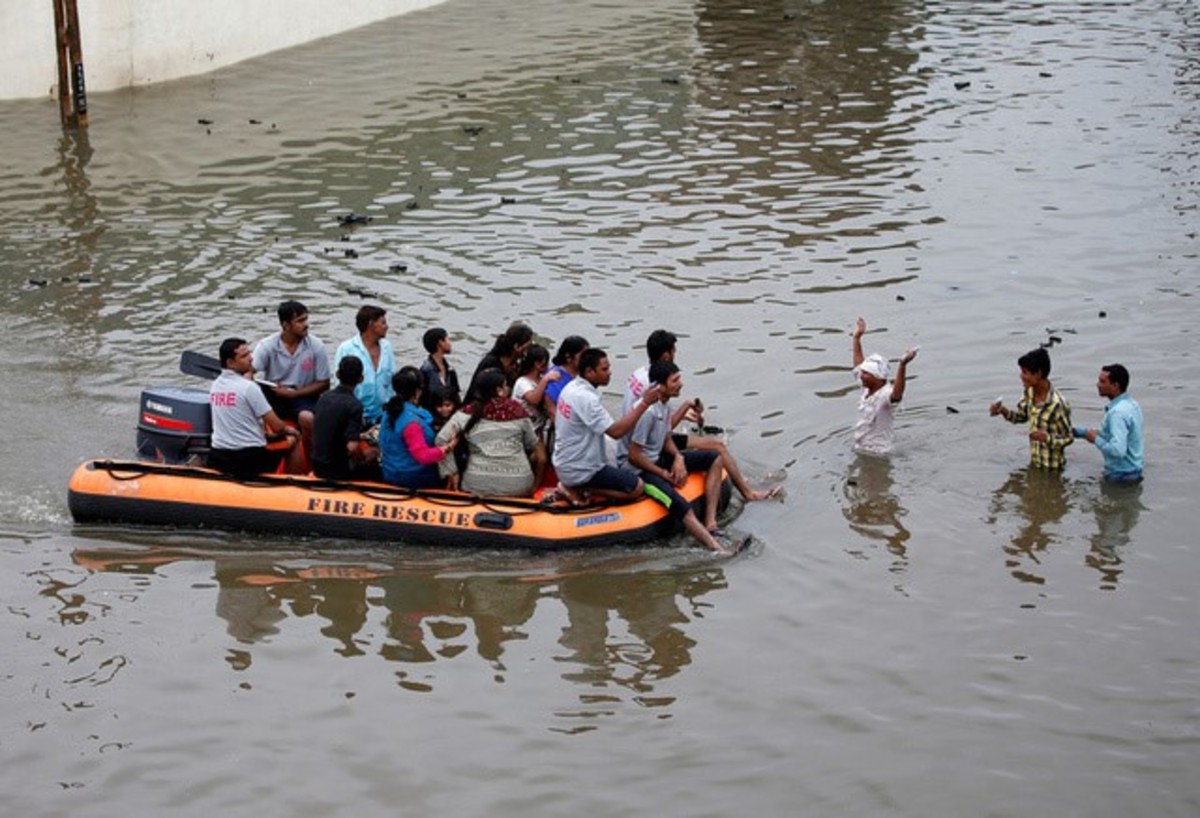
Fire officials and rescuers evacuate people from a flooded neighbourhood after heavy rains in Ahmedabad. REUTERS/Amit Dave
The floods have come at a particularly bad time for cotton farmers in Gujarat, Prime Minister Narendra Modi's home state.
Raval said more than 50,000 were struggling to drain water from their land and homes.
Recent downpours have hit cotton and millet in Gujarat and Rajasthan, where farm experts now fear pest infestations.
One-horned rhinoceroses are seen at the flooded Kaziranga National Park in Assam. REUTERS/Anuwar Hazarika
"Cotton and millet harvests are expected to suffer in about three districts each in Gujarat and Rajasthan, but the biggest worry is that the extra moisture could lead to pest attacks in these areas," Devinder Sharma, an independent farm expert, said.
Rains have been 4 percent above average since the four-month monsoon season began in June, according to the state-run India Meteorological Department.
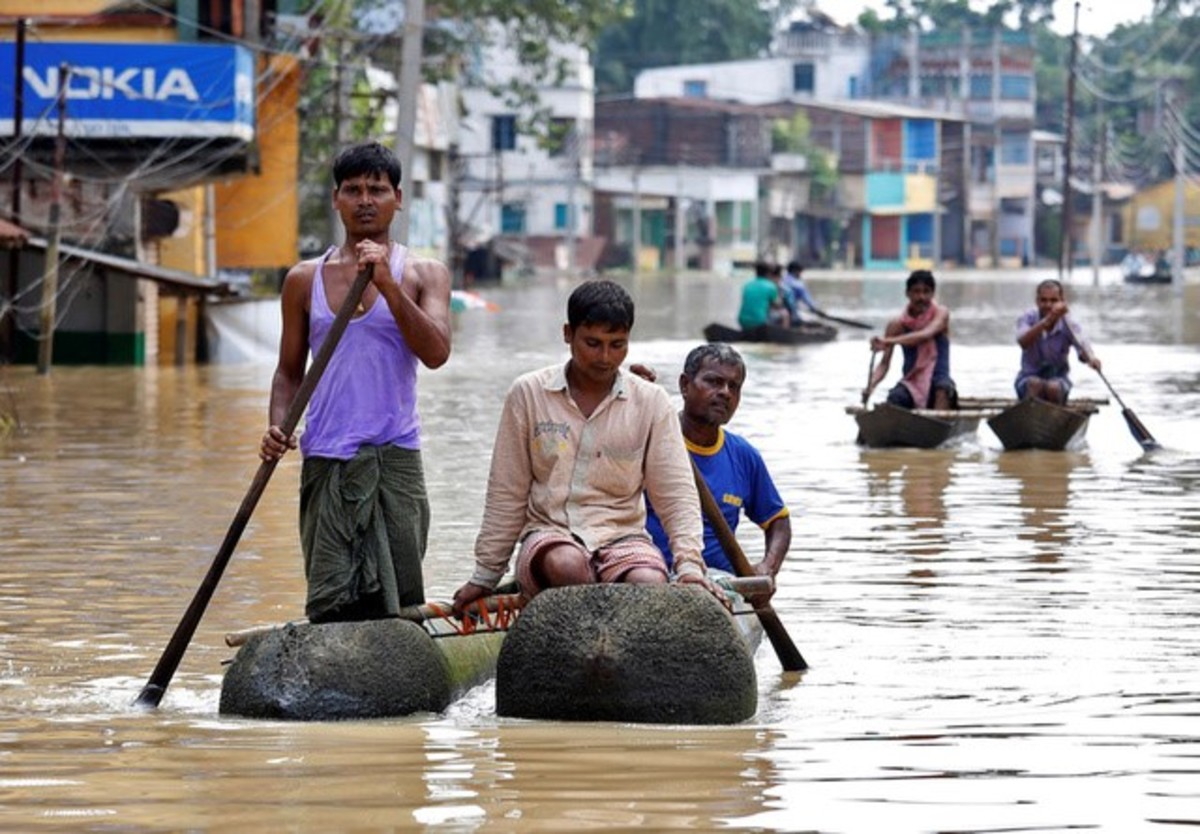
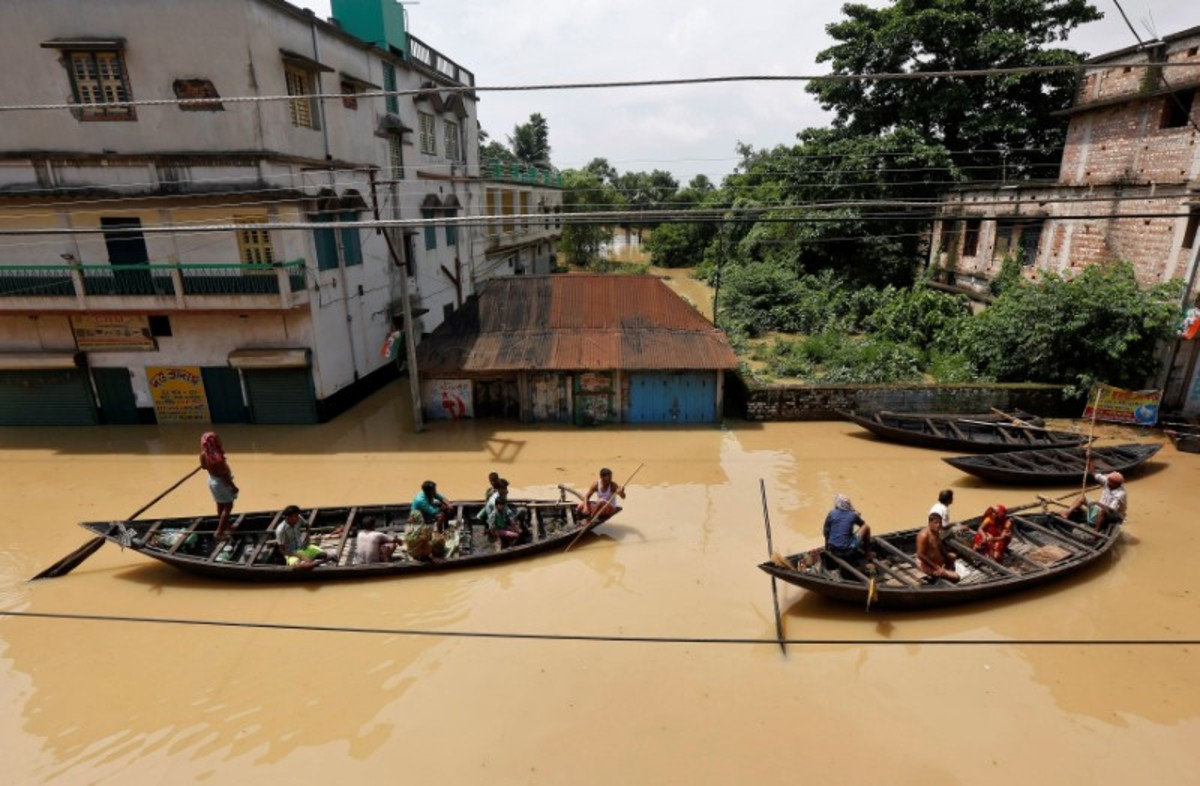
People paddle their boats as they try to move to safer places along a flooded street in West Midnapore district, in West Bengal. REUTERS/Rupak De Chowdhuri
(Additional reporting by Mayank Bhardwaj Writing by Rupam Jain)
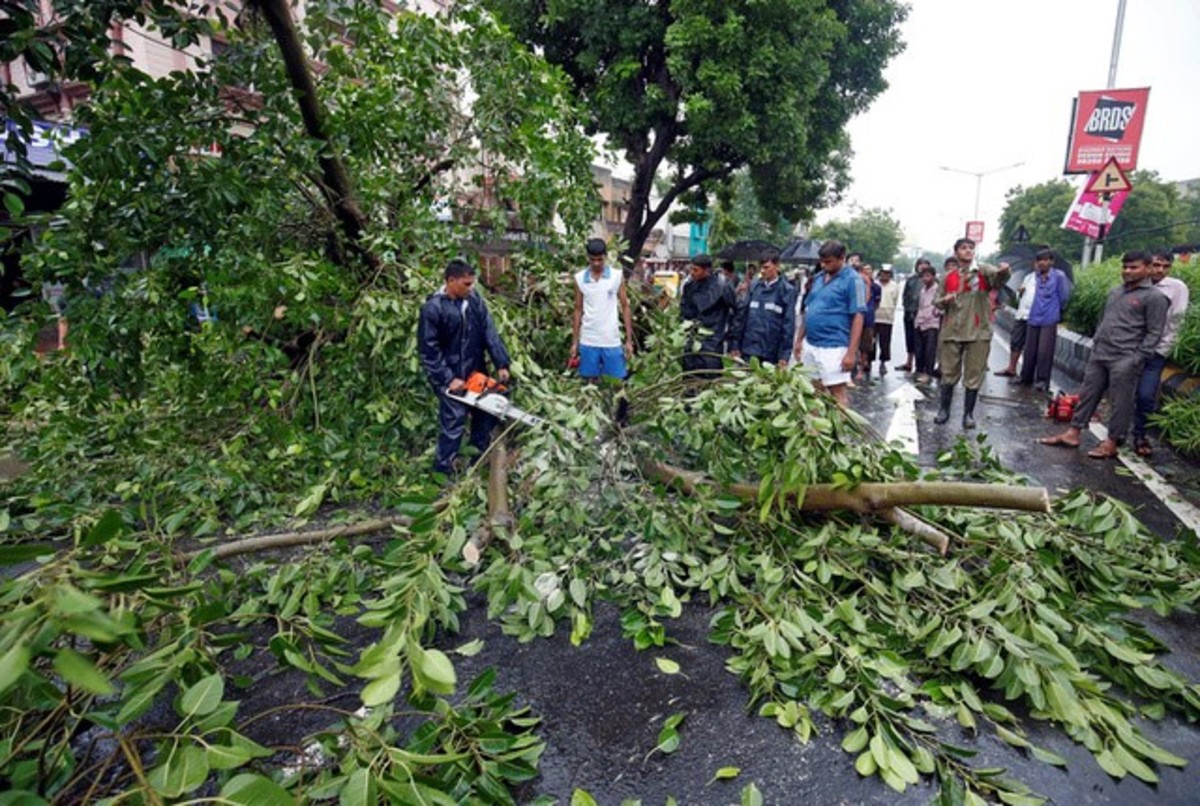
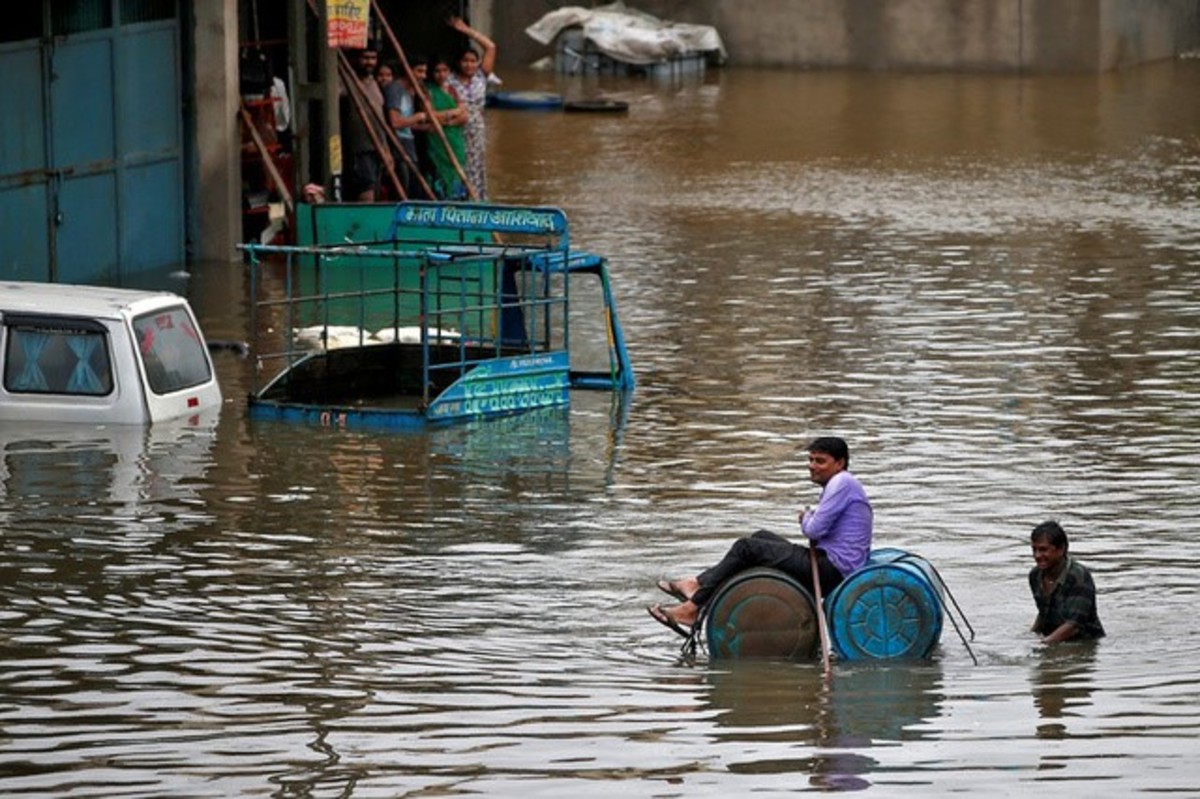
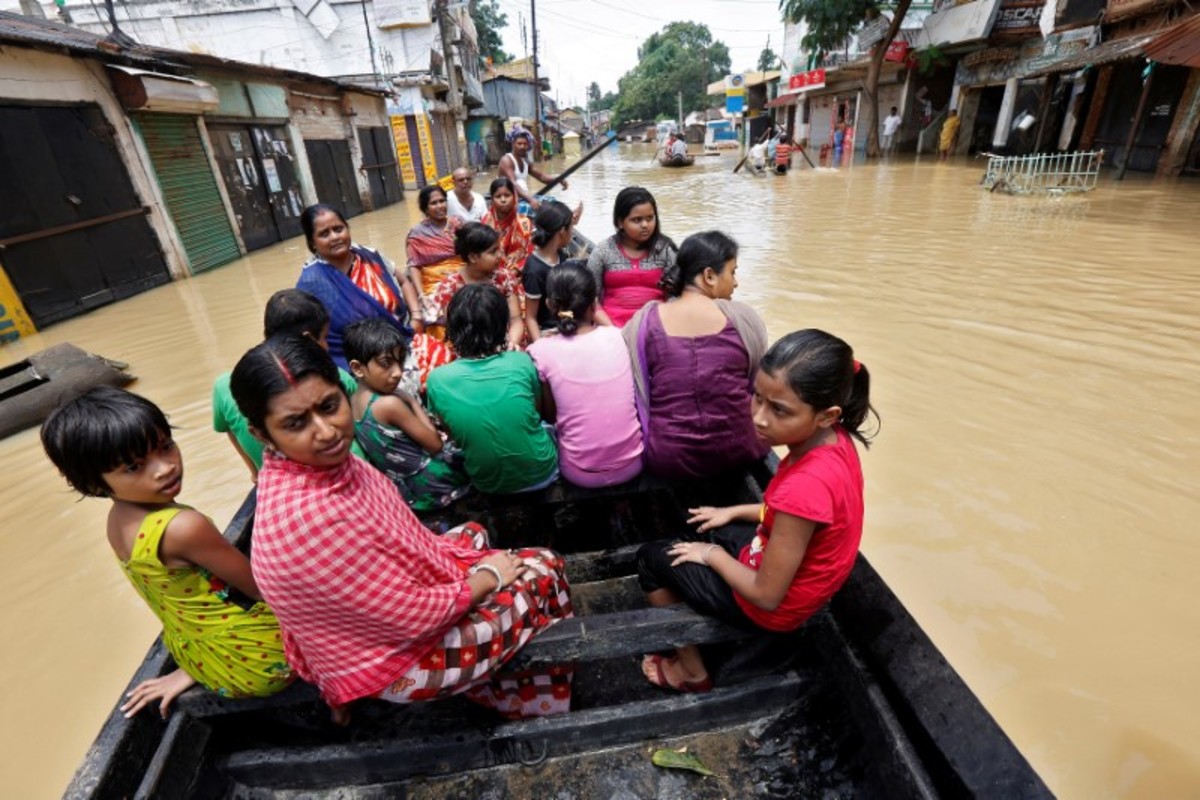
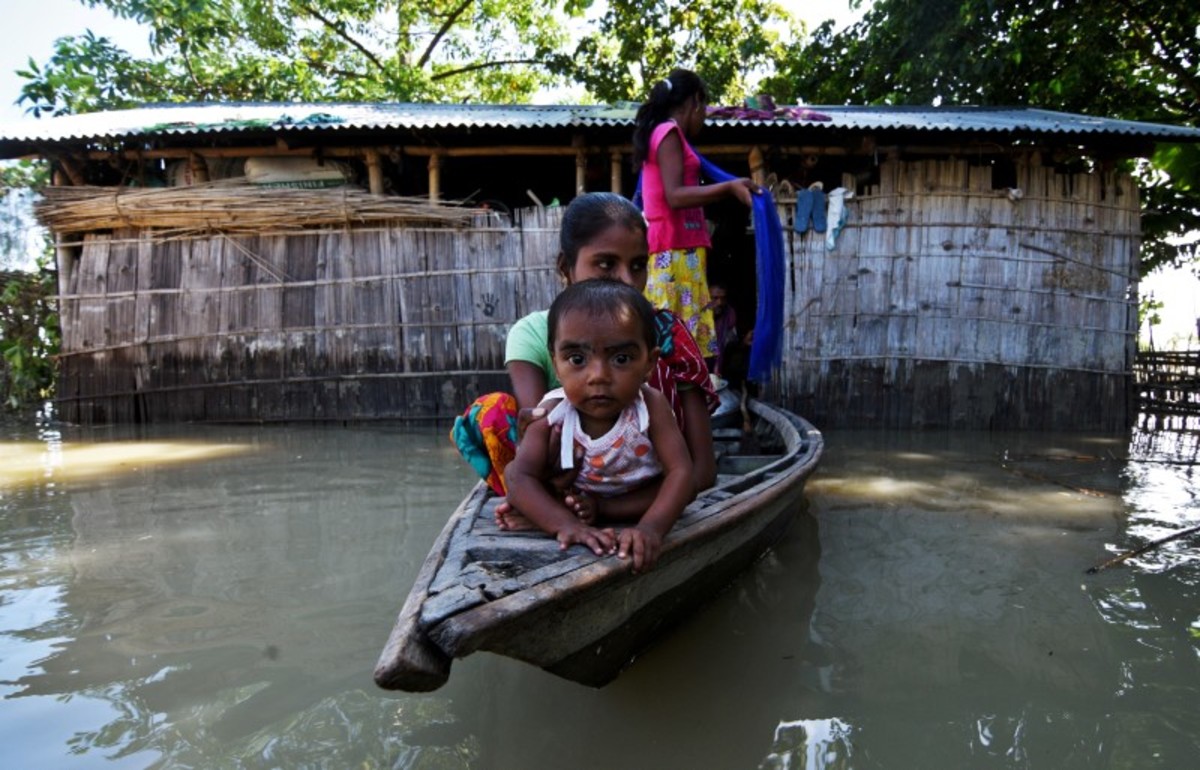
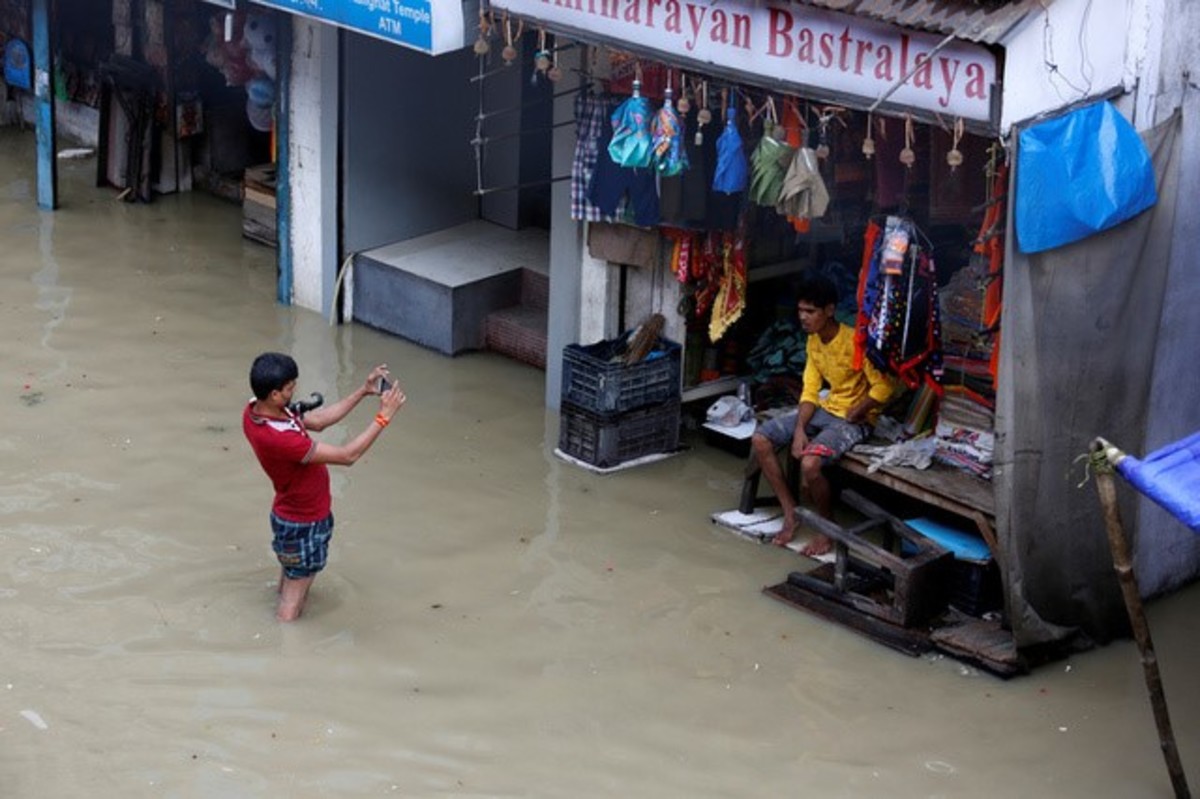
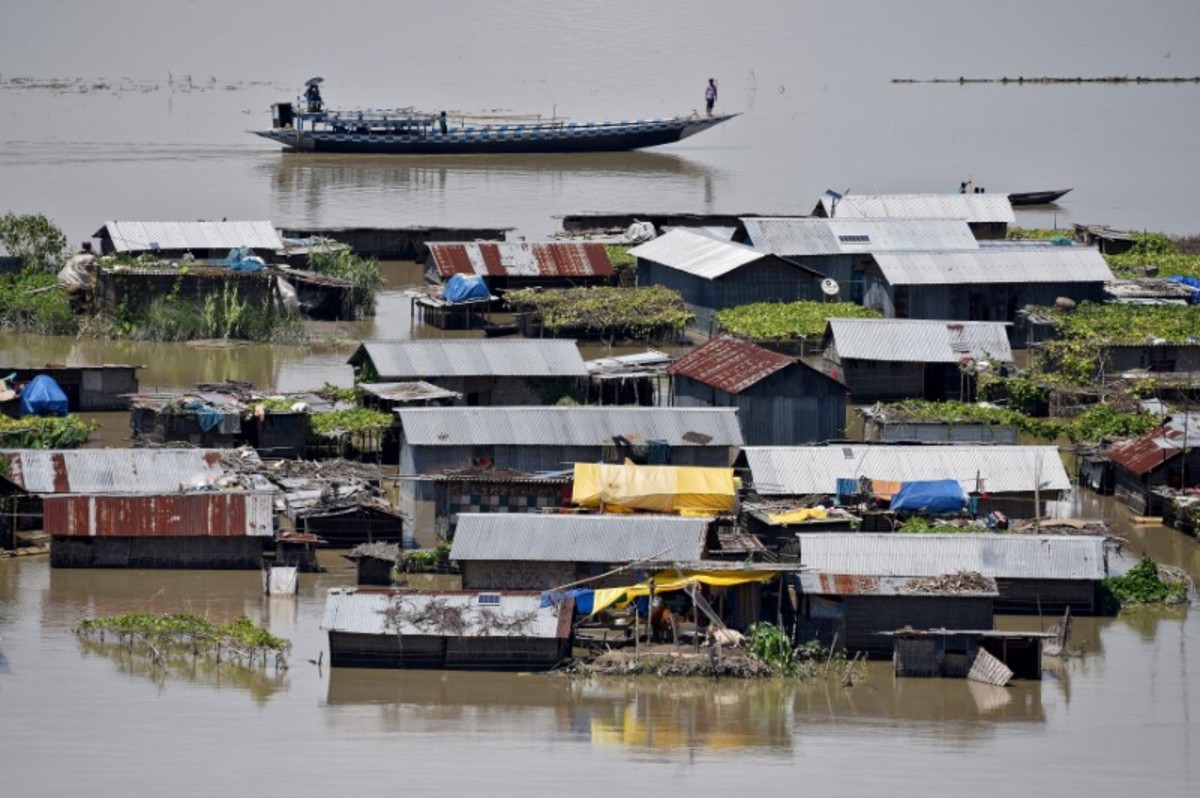
A fireman cuts a log of a fallen tree on a road after heavy rains and strong winds in Ahmedabad, July 27, 2017. REUTERS/Amit DaveA man uses a makeshift raft to move out of a flooded neighbourhood after heavy rains in Ahmedabad, July 27, 2017. REUTERS/Amit DavePeople use boats as they try to move to safer places along a flooded street in West Midnapore district, in West Bengal. REUTERS/Rupak De ChowdhuriPeople use a boat as they try to move to safer places along a flooded street in West Midnapore district, in West Bengal. REUTERS/Rupak De ChowdhuriVillagers use a boat as they try to move to safer places at a flood-affected village in Darrang district in the northeastern state of Assam. REUTERS/Anuwar HazarikaFire officials evacuate people from a flooded neighbourhood after heavy rains in Ahmedabad. REUTERS/Amit DaveA man uses his mobile phone to take pictures of a shopkeeper at a waterlogged street after rainfall in Kolkata. REUTERS/Rupak De ChowdhuriVillagers use a boat as they row past partially submerged houses at a flood-affected village in Morigaon district in Assam. REUTERS/Anuwar Hazarika
Sign up to read this article
Read news from 100's of titles, curated specifically for you.