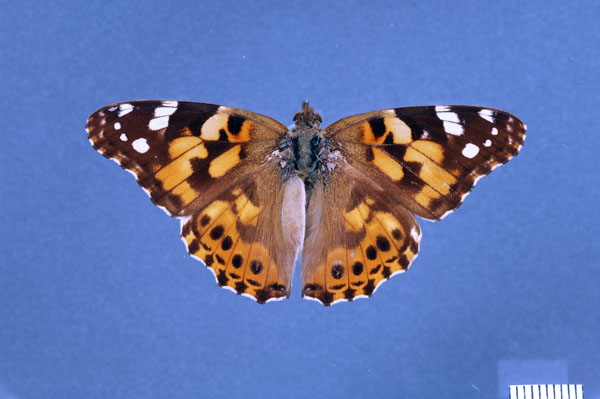
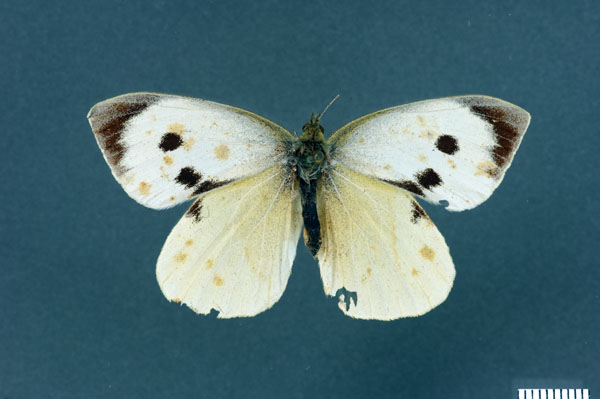
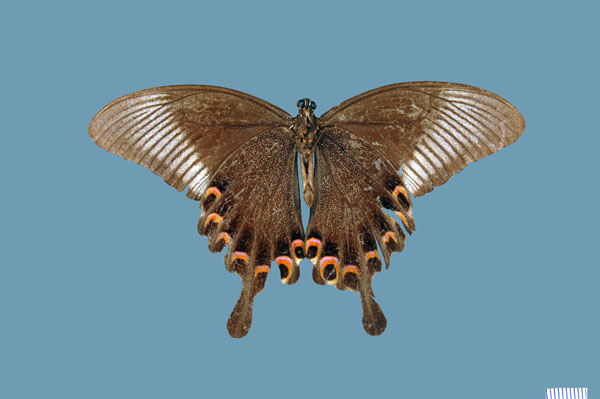
The painted lady (Vanessa cardui) is one of the most beautiful of the common butterflies, this species is intriguing because of its incredible geographic range and remarkable ability to dispersePhotograph: The Linnean Society of LondonThe large white (Pieris brassicae) is the bane of the cabbage grower. This species is useful for all manner of biochemical, physiological, ecological and behavioural investigationsPhotograph: The Linnean Society of LondonThe Paris peacock (Papilio paris) is one of the most stunningly beautiful of all the butterflies and gives a perfect example of how the colour patterns of butterflies are built up from individual scalesPhotograph: The Linnean Society of London
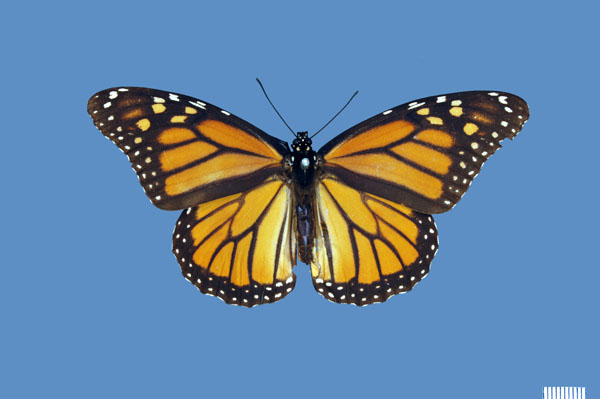
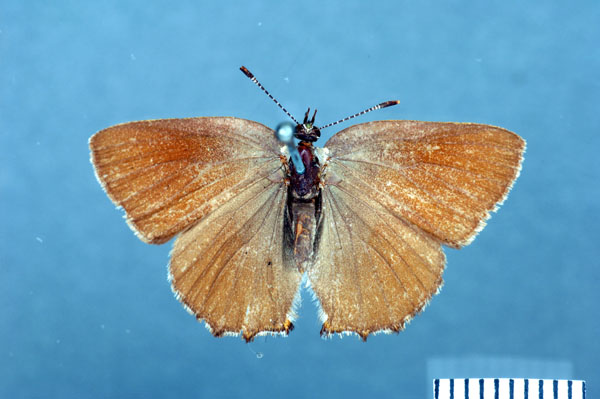
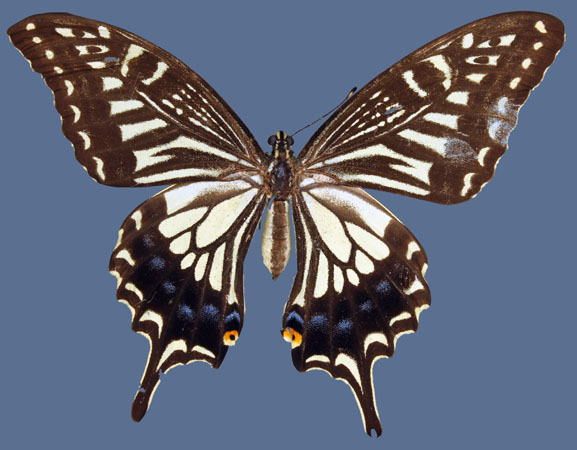
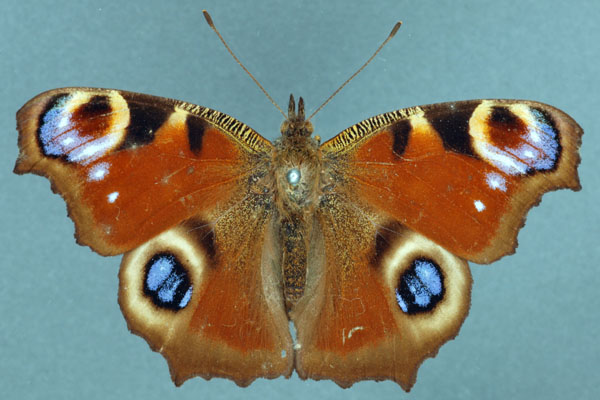
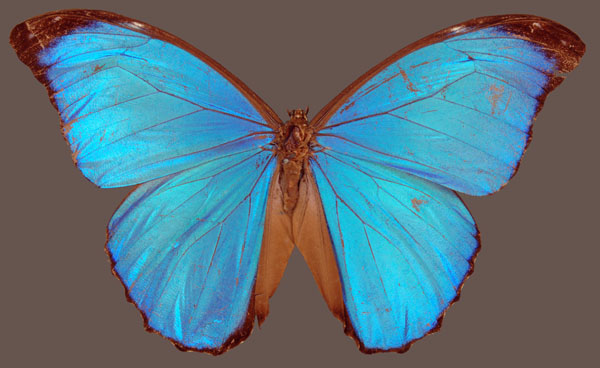
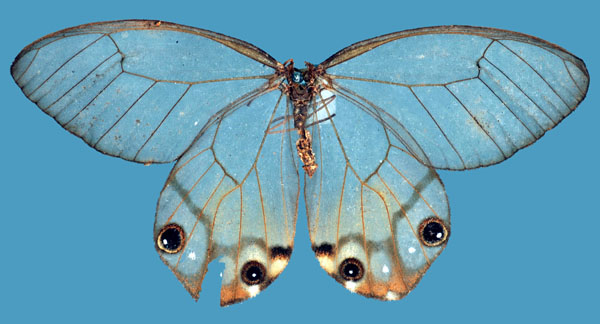
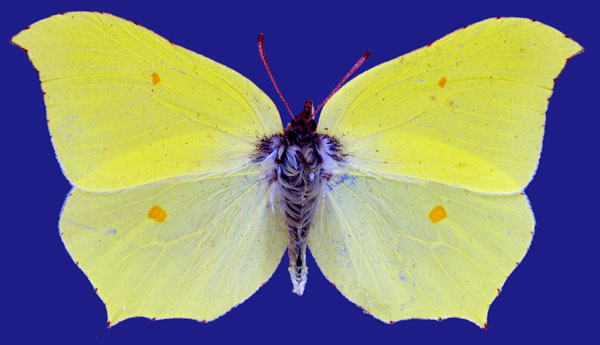
The American monarch (Danaus plexippus) is perhaps the best known butterfly in the world. The remarkable annual migration of almost countless millions of monarchs has inspired wonder and awe, as well as bringing innumerable new insights into the ecology and physiology of this remarkable insectPhotograph: The Linnean Society of LondonThe green hairstreak (Callophrys rubi) is a master of camouflage. Studies of the colouration of this species have contributed to an explosion of interest in the biophysics of photonic structuresPhotograph: The Linnean Society of LondonThe Chinese yellow swallowtail (Papilio xuthuss). Linnaeus often drew on Greek mythology for the species names of his butterflies. Xuthus was a son of Hellen and Orseis. This butterfly is native to northern Burma, southern China, Taiwan, Korea and Japan, and is also found on Hawaii. The larvae normally feed on rutaceae (plants of the citrus family)Photograph: The Linnean Society of LondonPeacock butterflies (Papilio io) get their common name from the beautiful spots on their wings which resemble the tail of a peacock. The caterpillar is often found in early spring feeding on buddleiaPhotograph: The Linnean Society of LondonMenelaus blue morpho (Papilio menelaus) is one of the famous South American blue “morpho” butteflies. Linnaeus named it Papilio Menelaus - after the mythological king of Sparta, one of the warriors that hid inside the Trojan horsePhotograph: The Linnean Society of LondonThe golden clearwing (Haetera piera) belongs to a purely Latin American subgroup of the satyr butterflies. The butterflies fly close to the ground in dark, primary forests. Specimens examined by Linnaeus came from SurinamPhotograph: The Linnean Society of LondonBrimstone butterfly (Papilio rhamni) is commonly known as the Brimstone because of its sulphur yellow wings. Linnaeus named this butterfly rhamni because the caterpillars feed primarily on buckthorn (genus Rhamnus). This species may be the origin of the English word butterfly, as “the butter-coloured fly of spring”Photograph: The Linnean Society of London
Sign up to read this article
Read news from 100’s of titles, curated specifically for you.