An estimated 990,000 aircraft movements are likely in Thailand this year, as growth in air traffic is expected to reach 5%, short of the 9% target projected earlier, says the Aeronautical Radio of Thailand (Aerothai).
An aircraft movement refers to when a plane lands or takes off and can be used as a barometer of a country's growing tourism appeal, rising freight or a bump in transit stops. Growth is due to climb to 7% next year.
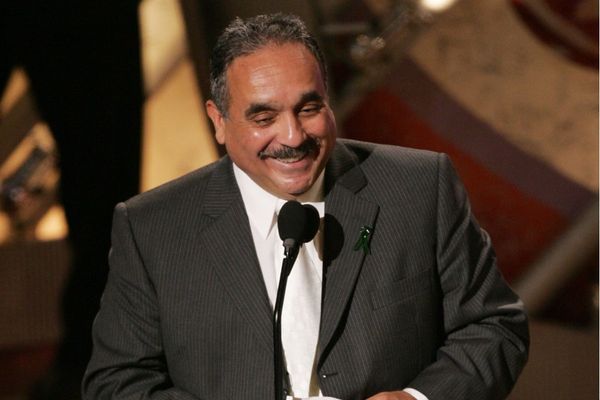
This year's growth was hampered by the global economic situation, a recent crackdown on so-called "zero-dollar" scam tours that pressure Chinese travellers into forking out on expensive souvenirs and services, and a squeeze in airport slots, said Aerothai president Sarinee Angsusingha.
Major airlines now increasingly use larger aircraft to fit in the limited slots, she noted.
Aerothai is studying ways to increase the aircraft-handling capacity at 30 Thai airports to cope with a surge in aircraft movements which could soar to 2-3 million within 20 years, she said. It will conclude in mid-2018 and be presented to the Transport Ministry and cabinet.
According to international standards, delays should not affect more than 20% of all take-offs and landings, Ms Sarinee said. Suvarnabhumi airport has failed to meet this due to runway maintenance and weather conditions, she added.
Aerothai is in contact with 130 airlines and ground service operators to work out ways to deal with flight delays, she added.
Meanwhile, the Department of Airports recently signed an MoU with the company to seek ways to make air traffic services safer and more effective.
"The target is to ensure safe runways at all airports," she said, adding pilot projects will run in Krabi and Ubon Ratchathani.
According to 2015 figures from the Airports Council International, the world's four busiest airports by this measure are all in the US.
Asia has six airports in the top 30 with Tokyo International Airport ranking No.5.