
The threat of global warming is leaving some of our most heat-tolerant animals flat out like lizards drinking to survive, new research shows.
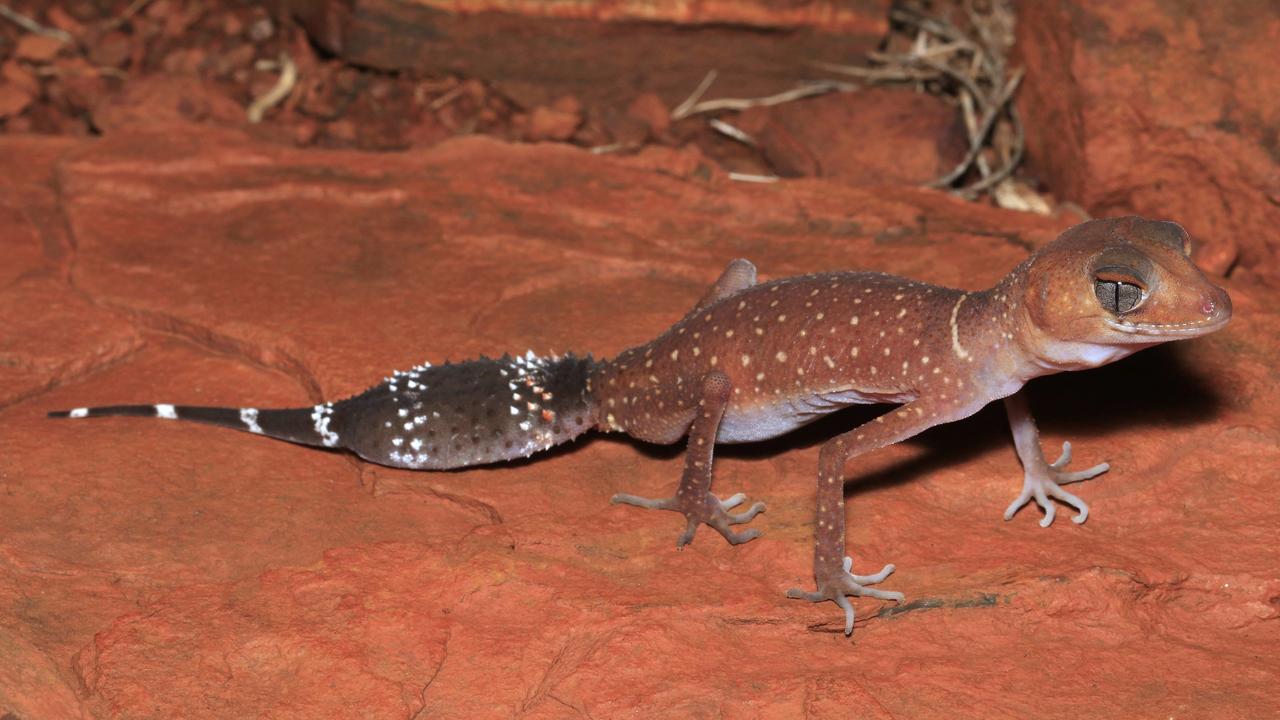
Monash University scientists have been tracking two poorly known reptiles, the Pilbara barking gecko and Bungle Bungle slider, in one of the hottest parts of the country.
They found the gecko, which lives solely in the Hamersley Range in Western Australia's Pilbara region, was restricted to high elevation areas where it sought refuge from the unrelenting heat.
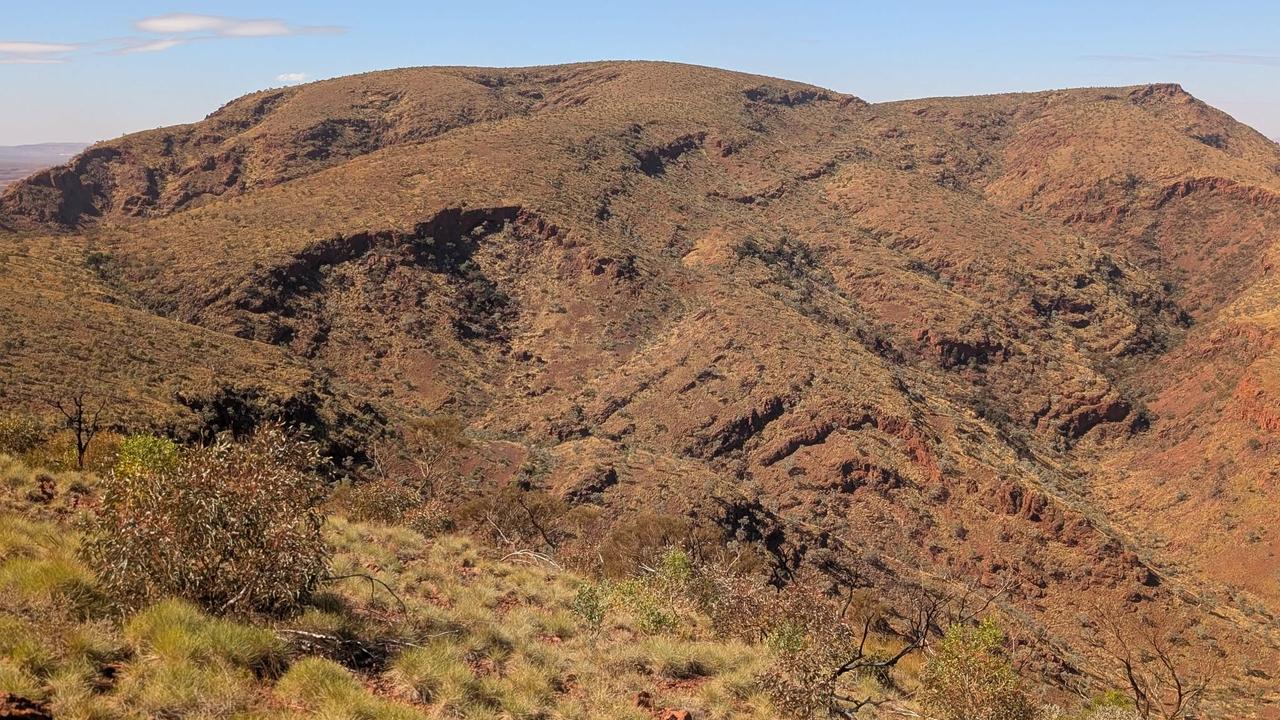
The gecko - which has been seen only 55 times in its remote and inhospitable home range - emits a sharp, dog-like bark when it is startled or defending its territory
A new study by Robert Audcent, a Bachelor of Science Honours Graduate from Monash University, explains how the gecko's preference for mountainous environments revealed a hidden extinction risk.
Mr Audcent spent months hiking the ranges at night in search of the elusive nocturnal gecko, discovering ten new populations and 87 individuals.
The results, published in Pacific Conservation Biology, integrated Mr Audcent's field surveys, analyses of habitat, life history, and climate modelling.
He said that with the Pilbara expected to experience significant warming over the coming decades, there was an imminent threat to the gecko's survival.
"The cool refugial habitats that these geckos rely on are disappearing and our modelling suggests that almost all suitable habitat could be gone within the next few decades," he said.
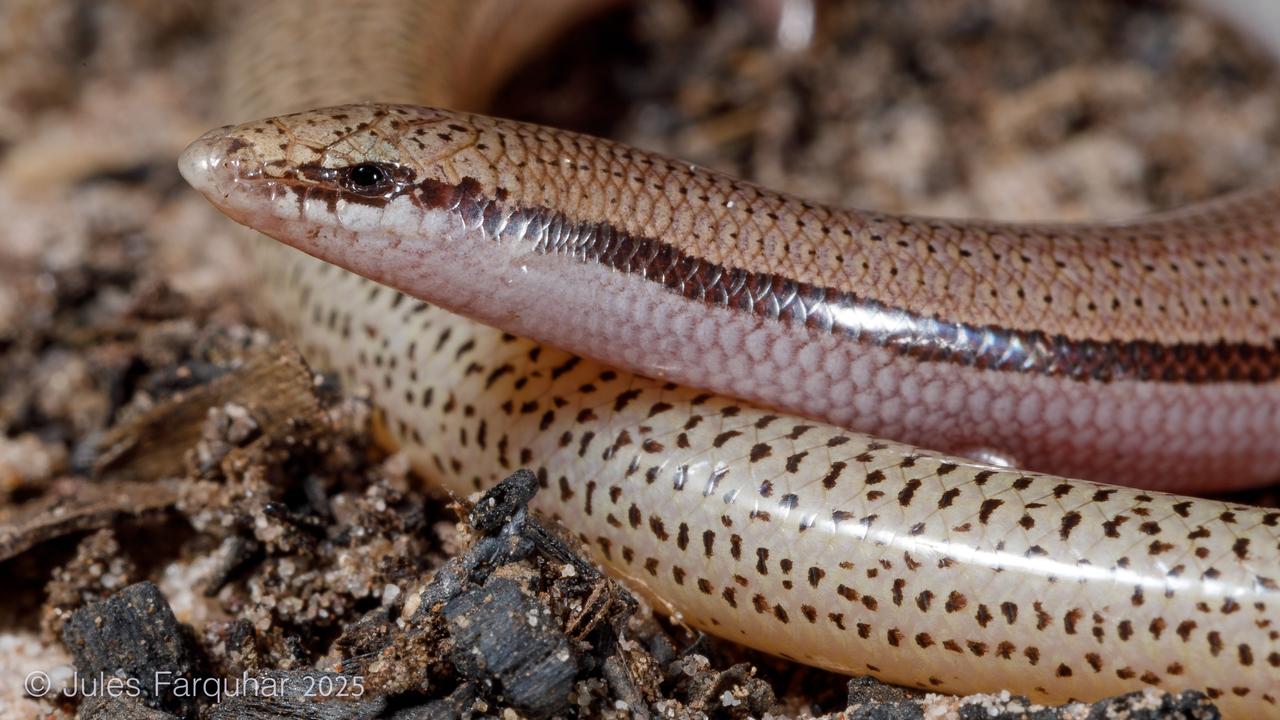
Monash University's Chapple Lab also recently conducted similar research on the Bungle Bungle robust slider (Lerista bunglebungle), a legless lizard found only in the Bungle Bungle ranges in the Kimberley region of WA.
There had only been three confirmed sightings of the slider since its discovery in 1989.
On completion of the new research, 21 new individuals were detected across eight sites during the fieldwork.
Jules Farquhar, a Senior Research Officer in the Chapple Lab, said it was important to continue conservation work on Australia's Data Deficient reptiles - reptiles about which too little was known to assess their status.
"Data Deficient reptiles are often equivalent to threatened species in terms of their conservation needs, and many may be facing rapid population declines," Mr Farquhar said.
Australia holds about 10 per cent of the world's reptile species, with over 90 per cent found nowhere else in the world.
The research, which was published in Pacific Conservation Biology, calls for the species to be reclassified as endangered and listed under the Environment Protection and Biodiversity Conservation Act 1999.