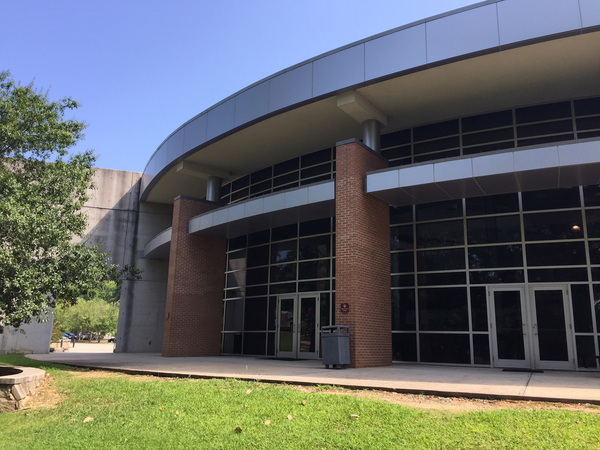
ATLANTA _ For decades, architects and developers have put cheap, highly flammable wall panels on the exteriors of multi-story buildings.
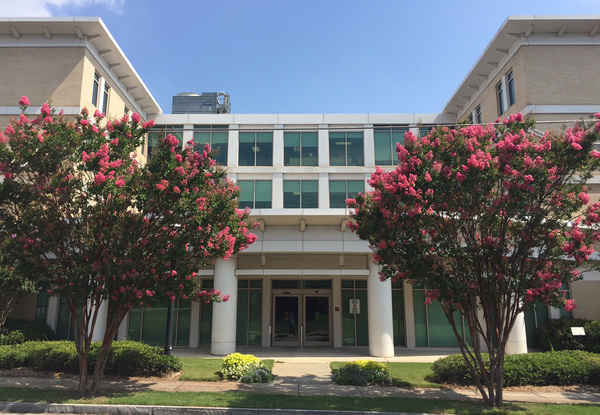
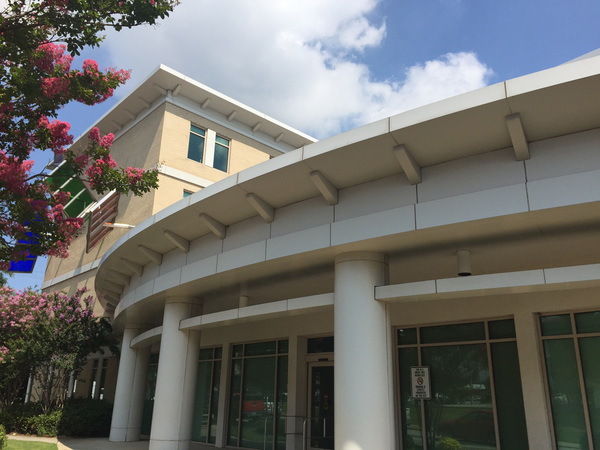
A four-story drug and alcohol treatment center in Atlanta has them. So does a six-story building at California State University. The panels might be on a 15-floor federal courthouse in Florida and a 33-story Marriott hotel in Baltimore. They apparently cover a front wall and line the dining hall at Clayton State University's main building.
The glimmering panels can give an aging edifice a space age luster. They help with insulation. And they save money. But sandwiched inside them, between two thin sheets of aluminum, is a layer of polyethylene, the same common plastic that burned hot enough in March to destroy a section of Atlanta's Interstate 85.
In the aftermath of London's Grenfell Tower disaster, in which metal composite panels with polyethylene have been blamed for a deadly inferno that roared up a high-rise public housing building, fire experts around the world are questioning if the materials should be used at all.
And pointed questions about which U.S. buildings wear the panels have gone unanswered, thanks to shoddy record-keeping by government inspectors and building owners alike. It can be nearly impossible to find out if the shine on your building comes from flammable or non-flammable paneling, a review of structures across the country by The Atlanta Journal-Constitution found.
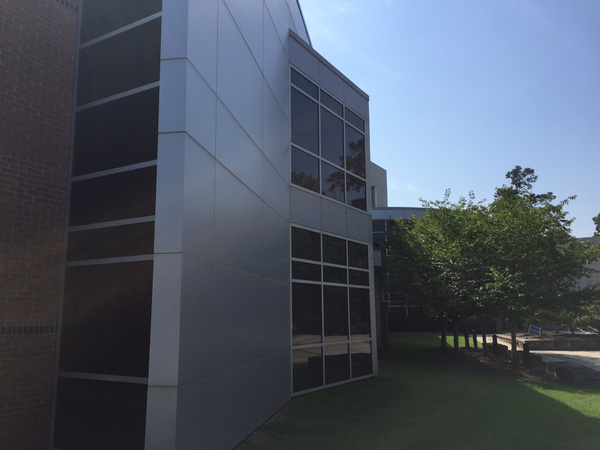
While the polyethylene cladding generally isn't permitted on buildings taller than 40 feet _ the reach of a fire truck ladder _ local codes have exceptions that can allow the material to go much, much higher, the AJC found.
Should we worry?
"That's a fair question, and that's the question nobody likes to answer," said Robert Neale, who heads fire services for the International Code Council, which develops model building and fire regulations used across the country. "Building codes are consensus documents from all interests in the sector _ building officials, fire officials, contractors, developers, architects, engineers. ... The standards that we have are based on reasonable risk."
Should we ban it?
The London inferno, which killed at least 80 people, followed a succession of facade fires over the past decade across Europe, the Middle East and Asia. A casino hotel in Atlantic City went up in flames in 2007, while still under construction.
Still, manufacturers continued to sell their product to developers and refurbishers of multi-story projects. Arconic, the company that supplied the material for Grenfell, warned in some brochures against using polyethylene in taller buildings because of the fire risk, yet in other promotional materials showcased high-rises it said sported the panels.
Arconic now faces a class-action lawsuit from its stockholders, which a company statement described as "meritless," calling such securities cases "a predictable follow-on from tragedies like this." The investors allege the company knowingly marketed the material in Europe and elsewhere for inappropriate uses.
Berlin's fire chief has said he'll ask German lawmakers to bar the material. United Arab Emirates took that step early this year after a series of fires there involving cladding on high rises.
"Everybody wants to make it look nice, and having the shiny walls that reflect light and give you this kind of effects and all of that," said Albert Moussa, president of BlazeTech Corp., an engineering consulting firm in Massachusetts. "My answer is, you shouldn't. Indeed, you ought to be very careful because of this potential fire hazard."
Banning polyethylene, or PE, cladding would force contractors to spend more on fire-retardant panels, which have a mineral core. British media have reported that by downgrading from zinc to polyethylene, the housing authority that refurbished Grenfell Tower saved the equivalent of about $380,000 on an $11 million project.
"Sometimes I wonder if the fire retardant is good enough," Moussa said. "But people go for the cheap stuff, and that's what you get."
While the British government has been testing cladding on high-rises since the disaster, with materials on more than 180 buildings already failing fire safety tests, no such initiative has been launched in the U.S.
Arconic has a manufacturing plant in Eastman, Ga.. But the Grenfell panels, a product called Reynobond PE, weren't made in Georgia, the company says. Arconic has another plant in France that also makes the panels.
The company announced 12 days after the London fire that it would stop selling PE cladding for high-rise construction because it can't control how the product is ultimately used. Also thought to have contributed to the London tragedy was a layer of synthetic insulation between the cladding and the exterior walls, which gave off toxic cyanide fumes. And an air gap between the cladding and the insulation created a chimney effect, spreading the flames faster and burning the 24-story building from the outside in.
The tower also lacked a sprinkler system.
The fire started with a faulty refrigerator. Parents threw children out of windows. People on fire jumped to their deaths. Doomed residents on upper floors waved flashlights and cell phone lights, beckoning for help.