(Bloomberg Businessweek) -- Life is safer for many workers in Bangladesh five years after the horrific Rana Plaza apparel factory collapse, which killed 1,134 people, mostly young women. But the two main safety programs organized by foreign companies don’t cover thousands of factories run by subcontractors, and one of the programs is set to expire by the end of 2018.
Those are the main findings of a report by the Center for Business and Human Rights at New York University’s Stern School of Business. The report calls for an international task force, led by Bangladeshis and funded by the brands and retailers that profit from Bangladeshi apparel, to make all of the country’s factories safer.
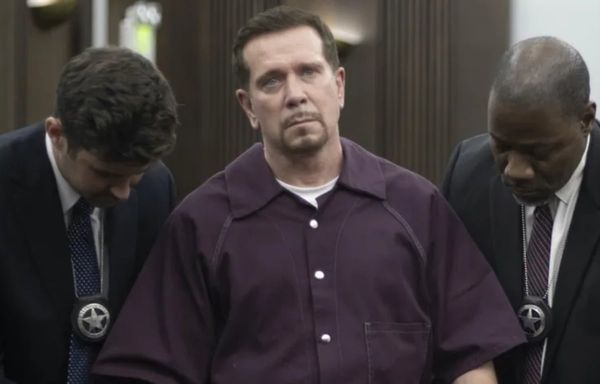
Five factories operated inside the building on the outskirts of the capital city of Dhaka, making clothing for such Western brands as Benetton, Bonmarche, Joe Fresh, Mango, Primark, and Walmart. The top half of the eight-story structure was built illegally, while the foundation rested on swampy ground. On April 23, 2013, workers noticed cracks in walls and pillars, and an engineer declared the building unsafe. But the owner, Mohamad Sohel Rana, insisted there wasn’t a problem. Employees were ordered to return to work or risk losing their jobs. The next day “the entire structure crumped inward, story by story,” the NYU report recounts. Rana made a run for the Indian border but was caught. He was sentenced to three years in prison on corruption charges and still faces prosecution for murder.
In the aftermath of the collapse, nearly 250 clothing brands joined either the European-based Accord on Fire and Building Safety in Bangladesh and its union partners, or the U.S.-based Alliance for Bangladesh Worker Safety. In an unprecedented show of cooperation, members agreed to cease all business with Bangladeshi manufacturers that declined to comply with their safety demands.
The foreign initiatives cover about 2,300 active factories. The Bangladeshi government oversees about 1,650 others. But approximately 3,000 factories, many of which do subcontracting work, aren’t covered at all, the report says. Also, the Alliance is essentially phasing out this year, while the Accord has announced it will continue no later than 2021. At that point, the government will inherit responsibility for all factories and workers, the report says.
More needs to be done, the human rights center concludes. “Depending on how many subcontracting factories turn out to be in business, we estimate that it would cost $1.2 billion to remediate remaining dangerous conditions,” the report says. It says this sum should be the responsibility of “an array of international actors,” along with Bangladeshi stakeholders.
The report is by Paul Barrett, the center’s deputy director, who is a former writer for Bloomberg Businessweek; Dorothee Baumann-Pauly, the center’s research director; and April Gu, its associate director.
To contact the columnist of this story: Peter Coy in New York at pcoy3@bloomberg.net.
To contact the editor responsible for this story: Eric Gelman at egelman3@bloomberg.net.
©2018 Bloomberg L.P.