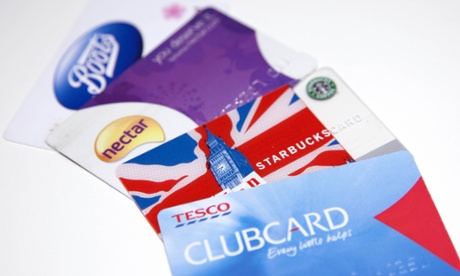
With the launch of Harvey Nichols’ new app-based loyalty programme there has been much debate around apps heralding the death knell for more traditional loyalty schemes. Mobile apps are offering consumers the chance to cut down the loyalty card clutter in their wallet or on key rings.
A recent report by Capgemini research found that 77% of loyalty schemes that required customers to make a purchase in return for points failed in the first two years. It concludes that organisations need to think beyond points and plastic and look at how they can develop more sophisticated means to engage.
Mobile-based loyalty schemes are one potential win-win. Card and coupons are all in one handy place for the customer. And real-time data on what, where and how the customer has purchased is delivered to the retailer, resulting in more personalised experiences and better results. That’s what Harvey Nichols is banking on.
However, if you’re considering launching a loyalty programme, or reshaping an existing one, here are five things to consider before you take the app-only leap.
Customers like choice
Tesco is the leader in retail loyalty, with 16m active users. When Tesco launched its Clubcard app, the company felt it would eventually replace its card, key fob and coupons. Not so. Customers like having options. And for every customer (of a mass market brand) that lives life through his or her phone, another prefers the old-school world of plastic and paper. Always start with the customer and deliver an experience that works for them.
Seamless experience is essential
Anything that feels clunky regarding the interaction of the app and the in-store experience will create a barrier to usage. Customers don’t just want to see how they’ve totted up points. They want the option of collecting and redeeming, both in-store and online. They expect store staff to know exactly how the app works. Be single-minded about what the app does and make sure it does it well. Before you make any decisions about the experience based on tech possibilities and limitations, involve your customers in the decision-making process.
All tech and no trousers won’t cut it
It doesn’t matter how good the experience is: if the value exchange isn’t good enough then the scheme dies. Harvey Nichols has launched with a one point per pound scheme. It’s not the most generous, but with high average spends in Harvey Nichols those points will soon tot up and turn into some meaningful rewards.
Multi-channel is key
One in five retail apps are only used once so it’s important that you find a way to keep customers engaged, even if they’re not shopping often.
Loyalty schemes’ success is founded on customer engagement in the formative early days of the relationship. Many schemes fail when customers join up to use on purchase, and then fail to use it again. After all, we only have so much space in our purses.
A multi-channel approach to keeping new customers engaged is key. Even if it’s purely app-based, relying on notifications isn’t enough. Customers need to be prompted to come back in-store and keep collecting and to redeem their points as soon as possible so that they see a tangible reward.
Extra love, extra money
Loyalty programmes thrive on the extras they deliver beyond the points. This is where apps can really play a key role.
Finding a mechanic within an app where the customer is told about the offer, makes a conscious trip to store to redeem it, then has to make a conscious effort to use it, will drive incremental sales.
Ultimately, the key to creating effective loyalty programmes is to get personal with the customer. Get personal with data. Capgemini’s research also found that only 11% of loyalty programmes offer personalised rewards based on a customers’ purchase history. Whether it’s channel, collection mechanic, or reward: deliver an experience that’s right for them. Even the tech evangelicals at events such as SXSW are preaching the need to think consumer first, not tech for tech’s sake.
Caroline Parkes is strategy partner, LIDA
To get weekly news analysis, job alerts and event notifications direct to your inbox, sign up free for Media & Tech Network membership.
All Guardian Media & Tech Network content is editorially independent except for pieces labelled ‘Advertisement feature’ – find out more here.