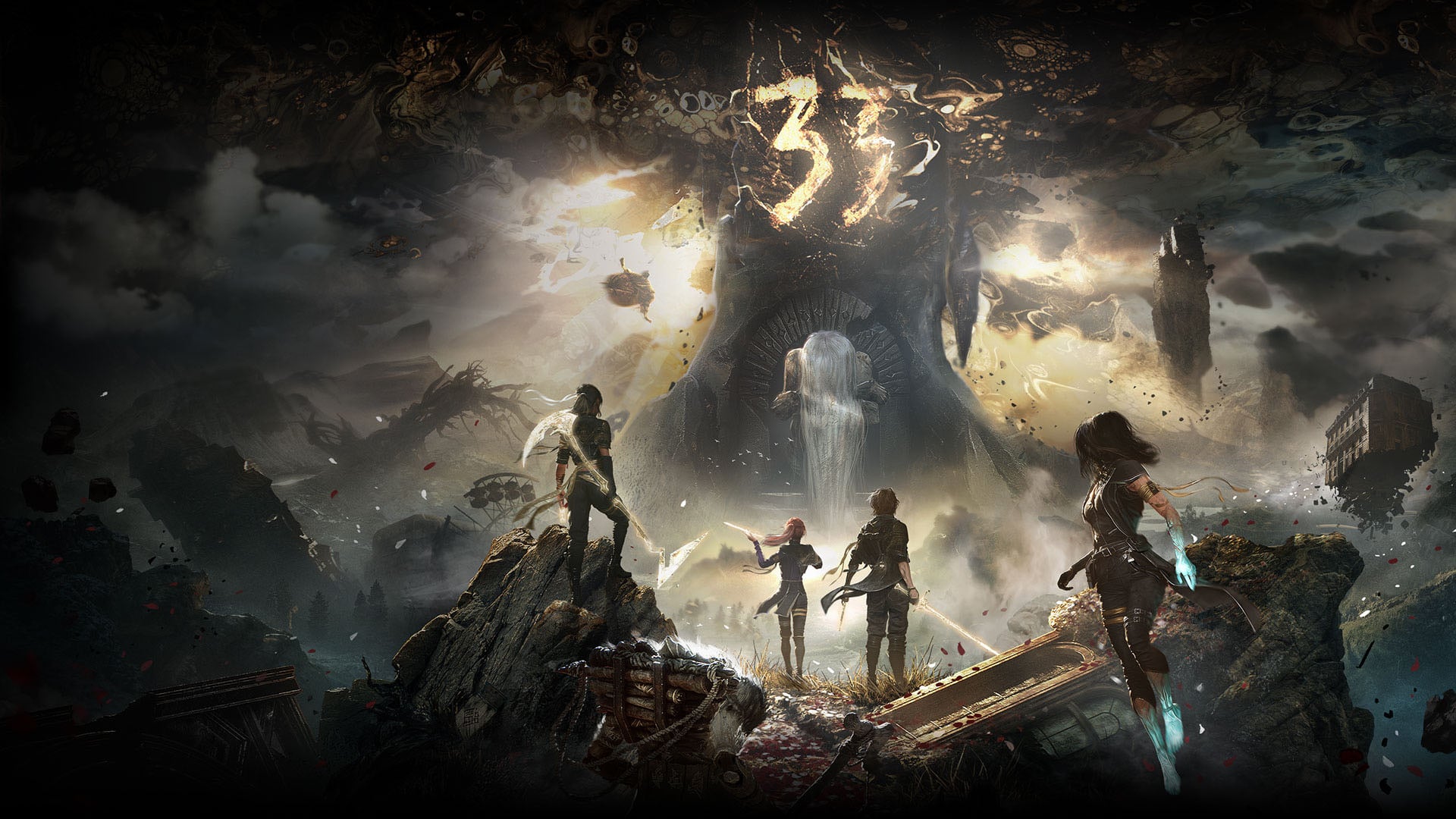
If Clair Obscur: Expedition 33 winning Game of the Year did anything, it was remind people that JRPGs don’t need to be of any particular flavor to be good. They can be action-oriented or turn-based, they can be ancient or modern, they can be pixelated or photorealistic. They can even be French. If you finished Expedition 33 and immediately went hunting for something that’s anywhere near as good, here are five JRPG picks that scratch similar itches: great combat systems, strong stylistic choices, and narratives that transcend decades.
Mind you, this isn’t a definitive best JRPGs ever list. There’s also one boring, but very limiting rule: you must be able to play these on at least one modern platform without external tools or modifications. Also, no Persona 5, Metaphor: ReFantazio, or Final Fantasy X – Expedition 33 got habitually compared to them by every single reviewer on the planet.
Final Fantasy XII: The Zodiac Age
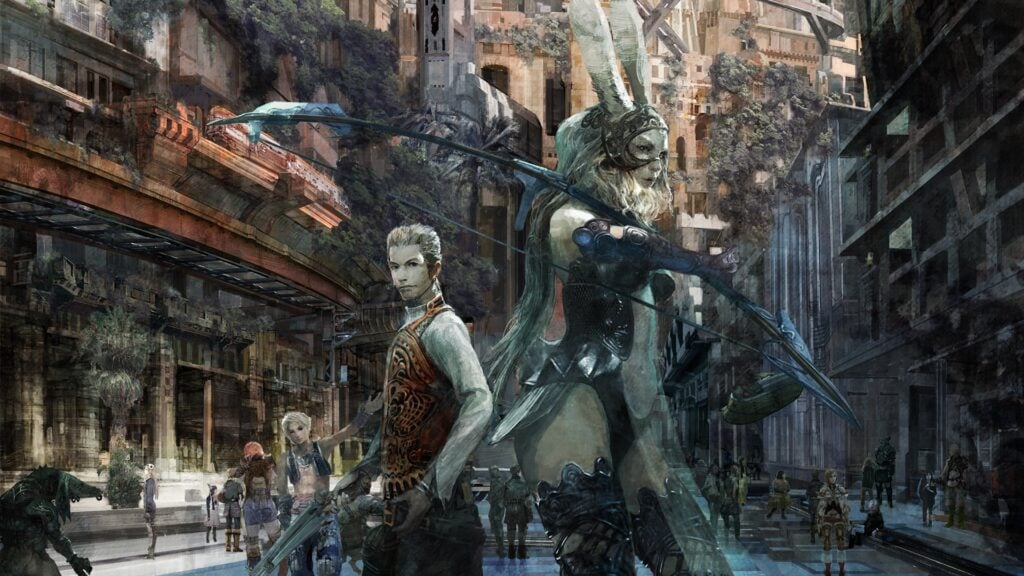
Final Fantasy XII has been getting an overdue reappraisal for years, because its initial reception had many wrong people saying extremely wrong things. Back on PS2, it was a radical step forward: much less teenage melodrama, more politics and scheming, and a party of fully fleshed out and mature characters. Well, mostly. The real star, though, is its battle system. The Gambit system lets you program flowcharts for any situation you encounter, and it hasn’t really been replicated anywhere since, aside from Dragon Age: Origins, of all things.
Combat is real-time, but not action – you still need to use menu commands in addition to the Gambits you set up. But it’s very intuitive and extremely in-depth: people, me included, have beaten the game with dozens of different challenges, like with a single level 1 character, or without using the progression system at all. The Zodiac Age version adds some more QoL elements like job switching and sped up battles.
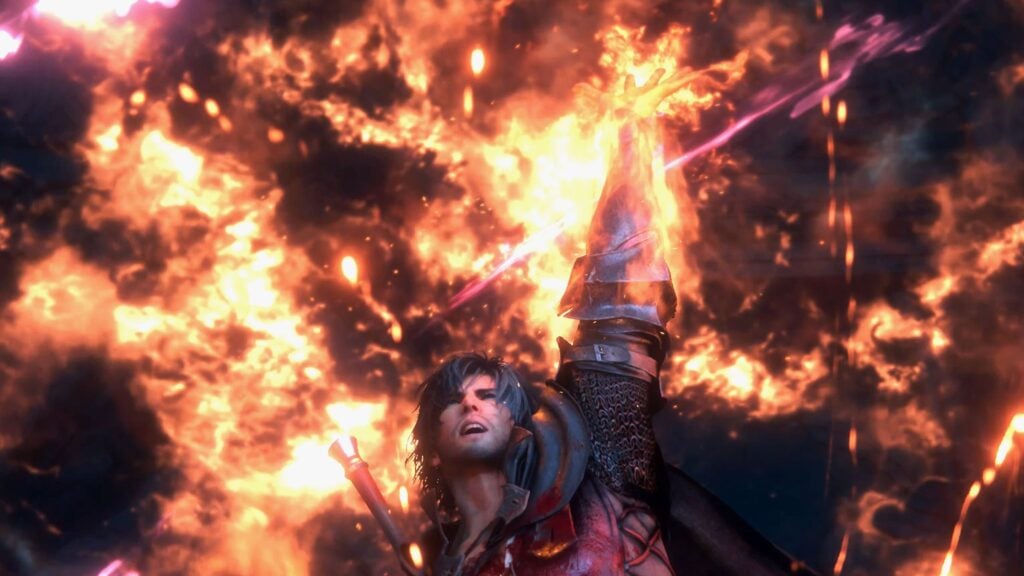
If you want something closer to Expedition 33’s modern feel with a dramatic and bleak story, but more action-heavy, then Final Fantasy XVI is a good shout too. It got the same “that’s not a real Final Fantasy” discourse that XII did, which is funny, because every numbered Final Fantasy has always been experimenting; the series’ only consistent tradition is that no two mainline entries are alike. XVI is a modern, high-speed combat take with a darker tone and cinematic presentation, and whether you love it or bounce off it, it’s absolutely part of the franchise’s long-running identity.
Chained Echoes
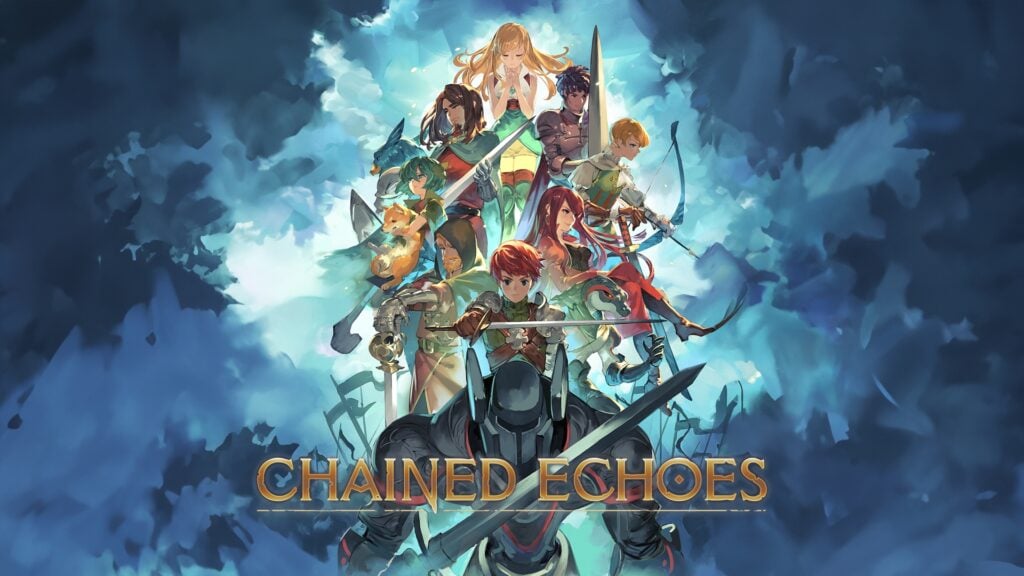
Chained Echoes is a game that fixes the most issues this genre has. Have you ever played a JRPG and hoarded items “just in case” only to have 99 High Potions in the final boss fight? Chained Echoes solves this problem. Random encounters? This one as well. Power creep, progression, structure. It feels made by someone who has played a lot of JRPGs and decided to take a shot at fixing stuff that annoyed them.
And there is such a person. Yes, most of Chained Echoes was created by one person, Matthias Linda, and it shows in that very specific way where everything feels cohesive. There’s no bloat, no content that exists just because a producer demanded a feature checklist. A pure passion project. It’s a love letter to the genre that also does things better than many of its premier representatives. If you thought that 30 people making a game was impressive, try this one out!
Chrono Trigger
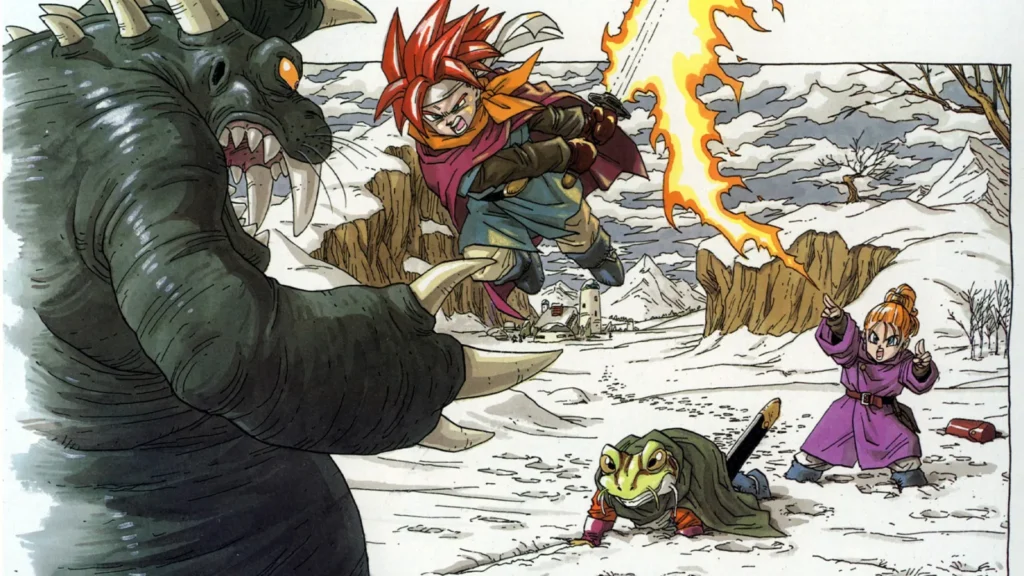
If Expedition 33 made you want to dig deep to find what are considered to be some of the best JRPGs narratively, look no further than Chrono Trigger. It tops many JRPG top lists for a reason, and it still holds up well if you’re willing to look past the graphics. You get a party that you fall in love with in minutes, an interesting and unique world, and a setting that will keep you guessing. It also has one of the medium’s most famous plot twists, and the reason it’s famous is simple: it changes your understanding of what the game is willing to do. If you’ve never been spoiled on it, do try to go in blind – the game will genuinely surprise you.
What Chrono Trigger has in common with Expedition 33 is the tone. It goes between wonder, melancholy, comedy, and genuine tension. It can be cute and charming in one moment, then tense and serious the next, without feeling disjointed. And it also doesn’t overstay its welcome: it’s not one of those 100-hour time investments.
Xenoblade Chronicles: Definitive Edition
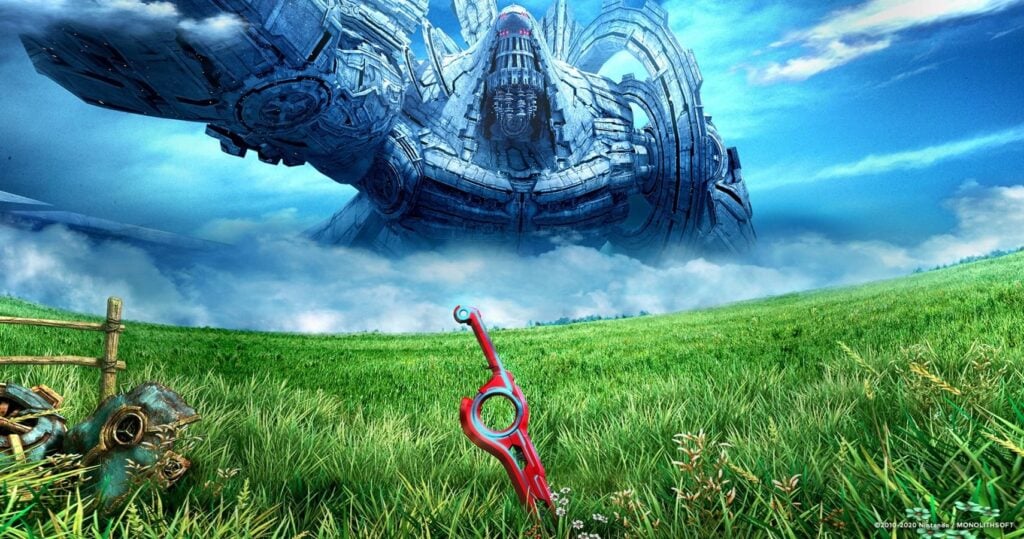
If what you loved about Expedition 33 was the feeling of a grand journey, then Xenoblade Chronicles: Definitive Edition is the pick for you. It has the same vibe of the main characters setting out into the grand unknown. Incredible environments, big reveals, ever-increasing stakes, the game has it all. The combat is inventive and very original: it’s cooldown and position-based, but has a few little features like premonitions and synergies to make it feel super distinct. Its scale is also unmatched. Even now, the idea that the game takes place on the bodies of titans still feels like the kind of premise JRPGs are uniquely good at selling.
Also, pardon me, but I’m going to be slightly annoying about this: Xenoblade 2 and 3 get more of the modern spotlight, but the first game deserves more love because its tone and worldbuilding feel closer to the legacy that older Xeno fans associate with Xenogears and Xenosaga. Your mileage may vary depending on how allergic you are to anime tropes, but if you want a story that constantly ups its stakes and gives a satisfying conclusion, pick this instead of the next two games in the series.
Yakuza: Like a Dragon
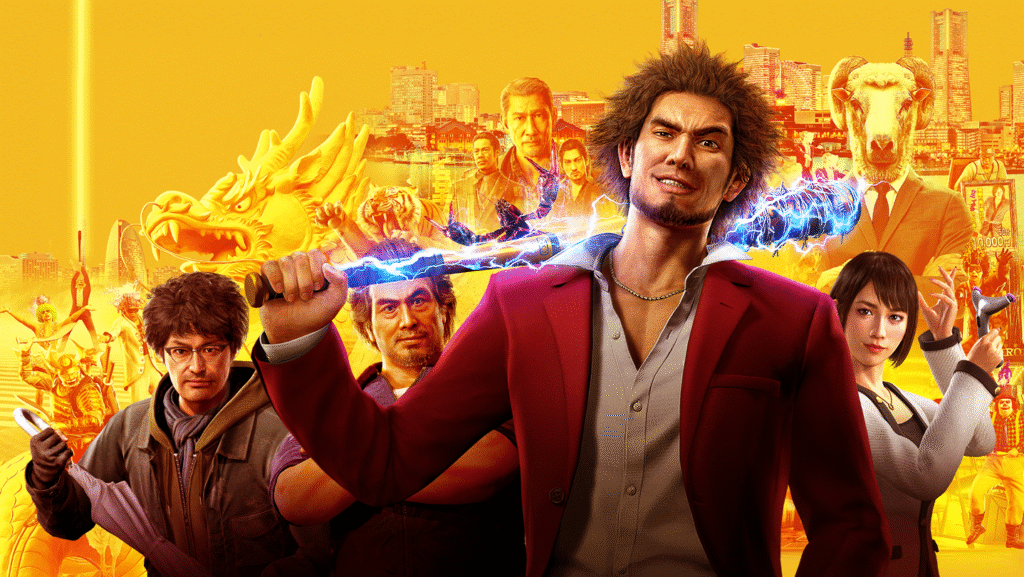
If you liked Expedition 33 because it made turn-based combat interesting, this is the pick for you. It’s the seventh entry in the Yakuza series, but it’s a soft reset with a new protagonist and a completely detached storyline. It also marks a complete pivot for the series, transitioning from an action-adventure format to a JRPG. Ichiban Kasuga is a hero built for this format: earnest, delusional in a charming way, and surrounded by compelling characters who build their lives back together. The game can be ridiculously funny, but it masterfully switches its tone back to somber when the moment calls for it.
Mechanically, it borrows a lot from the Persona series, being SEGA and all. UI looks similar, and many skills work in the exact same way. But where they differ is the way characters are set up on the battlefield: they simply aren’t. Everyone moves quite freely, both allies and enemies, and some of the movement abilities can lead to very interesting outcomes. And, if you like the game, there’s a decent sequel as well!
There are absolutely other games that belong in any serious JRPG recommendation article. The problem is that many of them are either trapped behind old hardware, stuck in licensing hell, or available only through versions that need lots of manual tinkering.
And beyond that, there are lots of genuinely amazing JRPGs: Xenogears, the Xenosaga trilogy, Suikoden I, II, and III, Valkyrie Profile I and II, Vagrant Story, the list goes on. But we tried to tailor our list to the games we think would hit closer to what Expedition 33 fans would like.
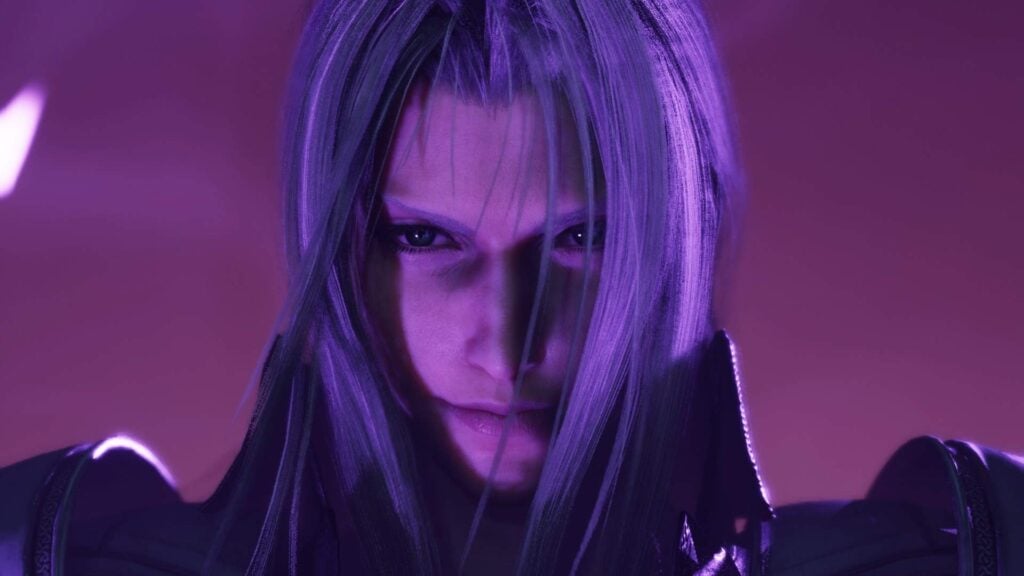
And for the elephant in the room: we didn’t go for the Final Fantasy VII Remake or Rebirth for one simple reason that has nothing to do with their quality: it’s a trilogy, and it’s not finished yet. Hard to sell something without a definite conclusion.
Regardless of which game you choose from this list, remember that sometimes comparison can be a thief of joy. Try to enjoy the games for what they are!