
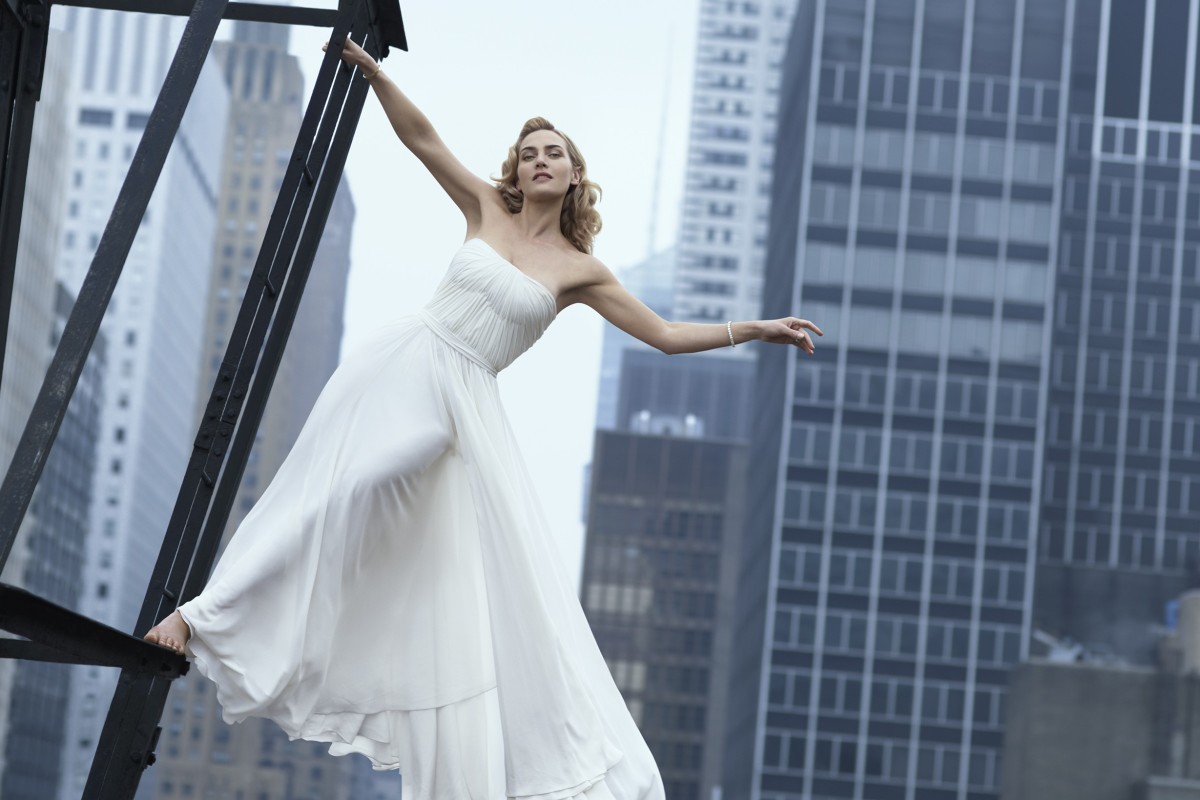
Fashion exhibitions have become big attractions for museums around the world, tempting huge numbers through their doors.
An exhibition last year about Dior was the Victoria & Albert Museum in London’s most successful show to date, and “Heavenly Bodies: Fashion and the Catholic Imagination” drew 1.6 million visitors to New York’s Metropolitan Museum of Art in 2018.
This spring’s exhibition subjects range from kimonos to a legendary nightclub, while there is the promise of “Prada: Front and Back” in the autumn at London’s Design Museum. This will explore the surface of Miuccia Prada’s fashion and the creative and industrial infrastructure it depends on.
There is also a rumour of a special exhibition at the Brooklyn Museum of Art later this year – a retrospective of Valentino Garavani. There is much to see and enjoy.
1. Metropolitan Museum of Art, Costume Institute, New York
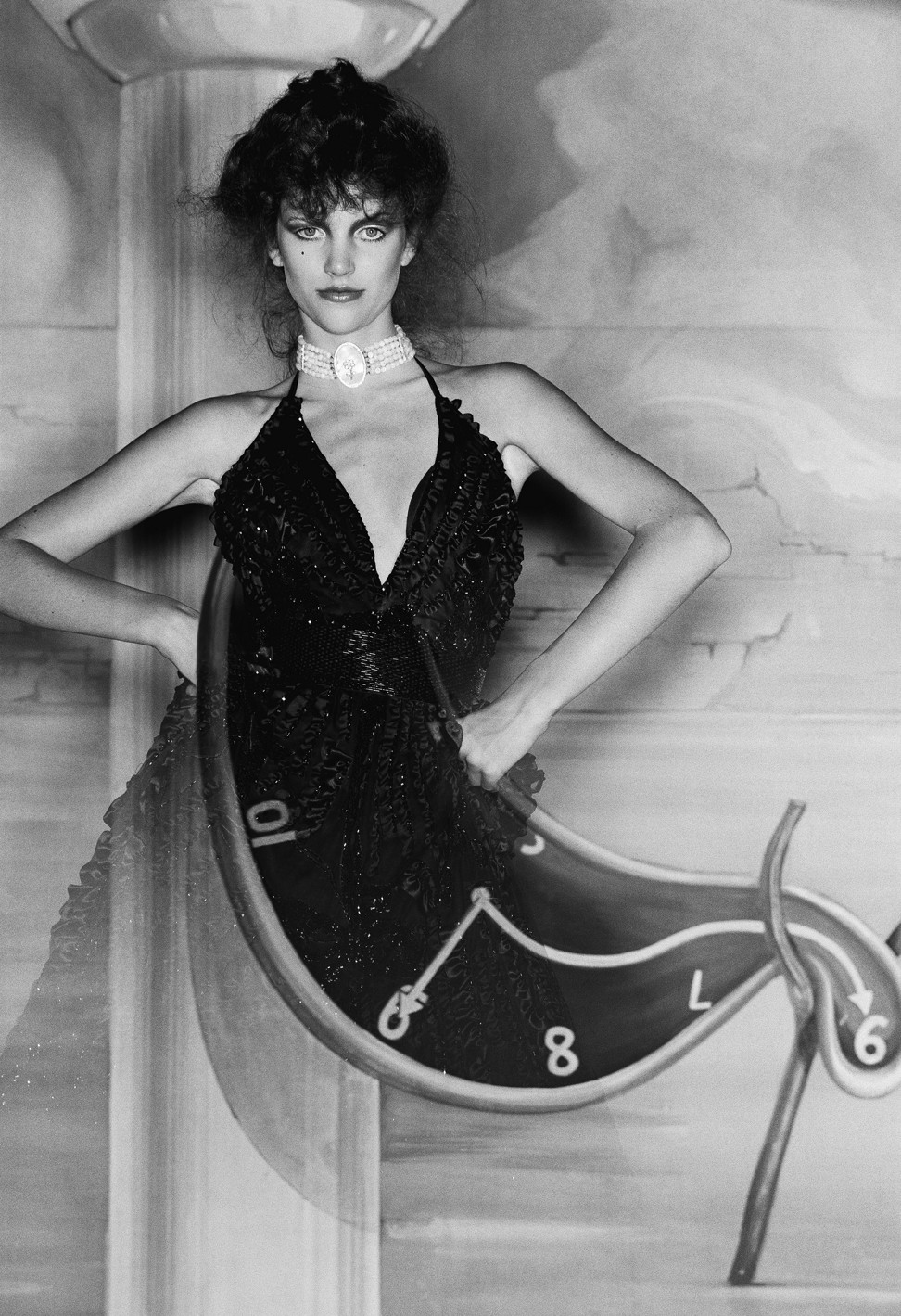
About Time: Fashion and Duration
This is a milestone year for the Met Museum as it celebrates its 150th anniversary, and that concept of the passage of time since its opening has inspired this exhibition. Drawing from the museum’s archives, Andrew Bolton, the Wendy Yu curator in charge of the Costume Institute, has disrupted fashion’s timeline by assembling garments that relate in theme, cut and style, but are not displayed chronologically.
A second part of the exhibition will feature black garments from 1870-2020 in chronological order. The concept is inspired by the film of Virginia Woolf’s novel Orlando, in which the heroine enters a maze in an 18th-century French dress and running through it, her clothes morph into 19th-century dress as she re-emerges in 1850s England.
Likewise, the visitor to this exhibition becomes a time-traveller hopping between the decades, looking at Vionnet juxtaposed with Alaia, or an Alexander McQueen “bumster” dress next to an 1870s silk “princess line” dress. Bolton’s ambition is to get us to think differently about fashion history.
From May 7 to September 7
2. Brooklyn Museum of Art, New York
Studio 54: Night Magic
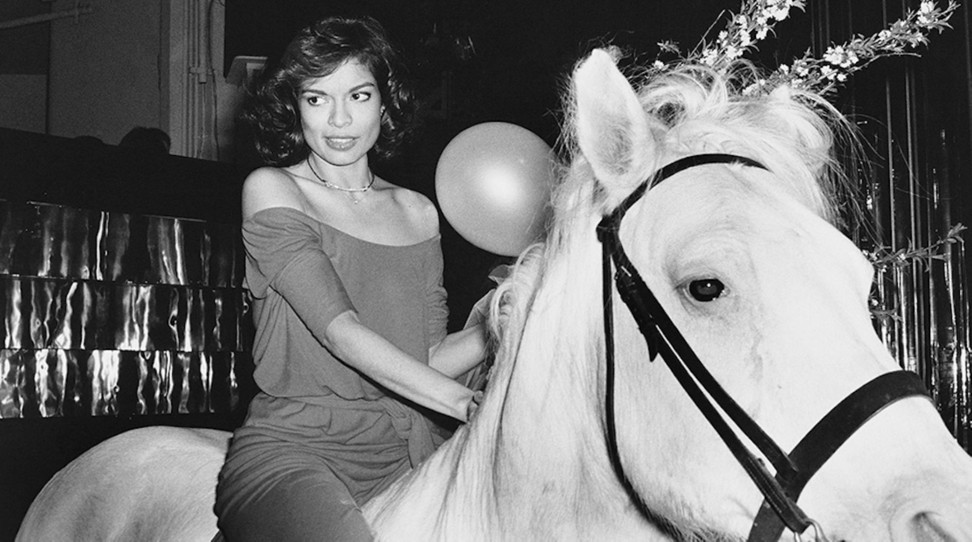
They certainly knew how to party at Studio 54. The New York disco-era nightclub was only open for three years (from 1977 to 1980) but tales of parties such as Bianca Jagger celebrating her birthday by arriving on a white horse, and singer Grace Jones’s unforgettable 3am performance on New Year’s Eve 1978, are legendary.
It is the place where Andy Warhol, Mick Jagger, Liza Minelli and Diana Ross hung out and was a magnet for designers like Halston, Calvin Klein and Kenzo. It was vibrant, liberated, decadent and above all, glamorous.
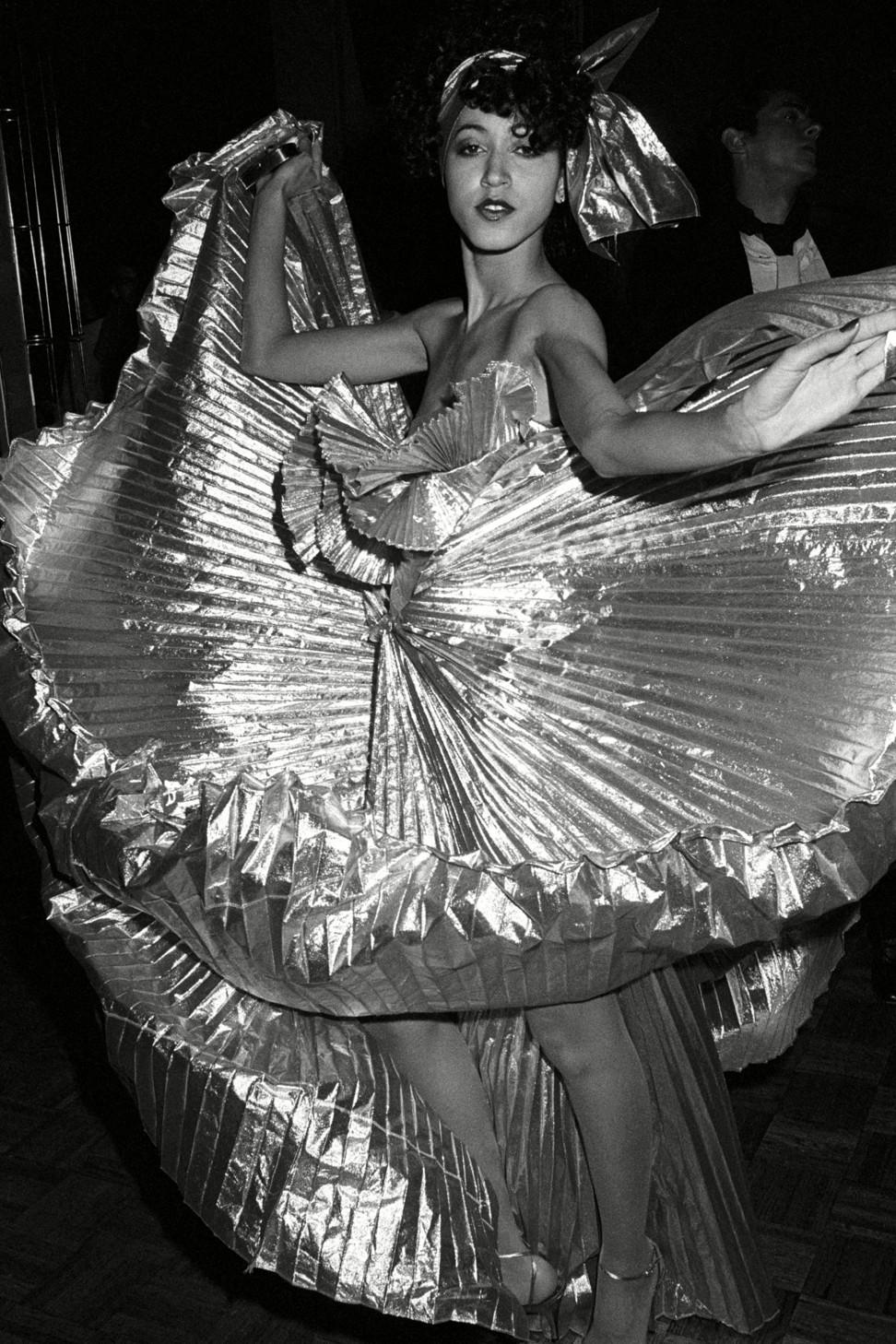
The exhibition looks back at the founding of Studio 54, which defined a dynamic era in New York’s nightlife. The nightclub drew together artists and set designers to create a dazzling space and then hosted unforgettable themed parties that were captured in a vast archive of iconic photographs of clubbers.
Co-founder Steve Rubell subsequently died of Aids, while his business partner Ian Schrager went on to build an empire of boutique hotels, but the legend lives on.
From March 13 to July 5
3. Musée Des Arts Decoratifs, Paris
Harper’s Bazaar: First in Fashion
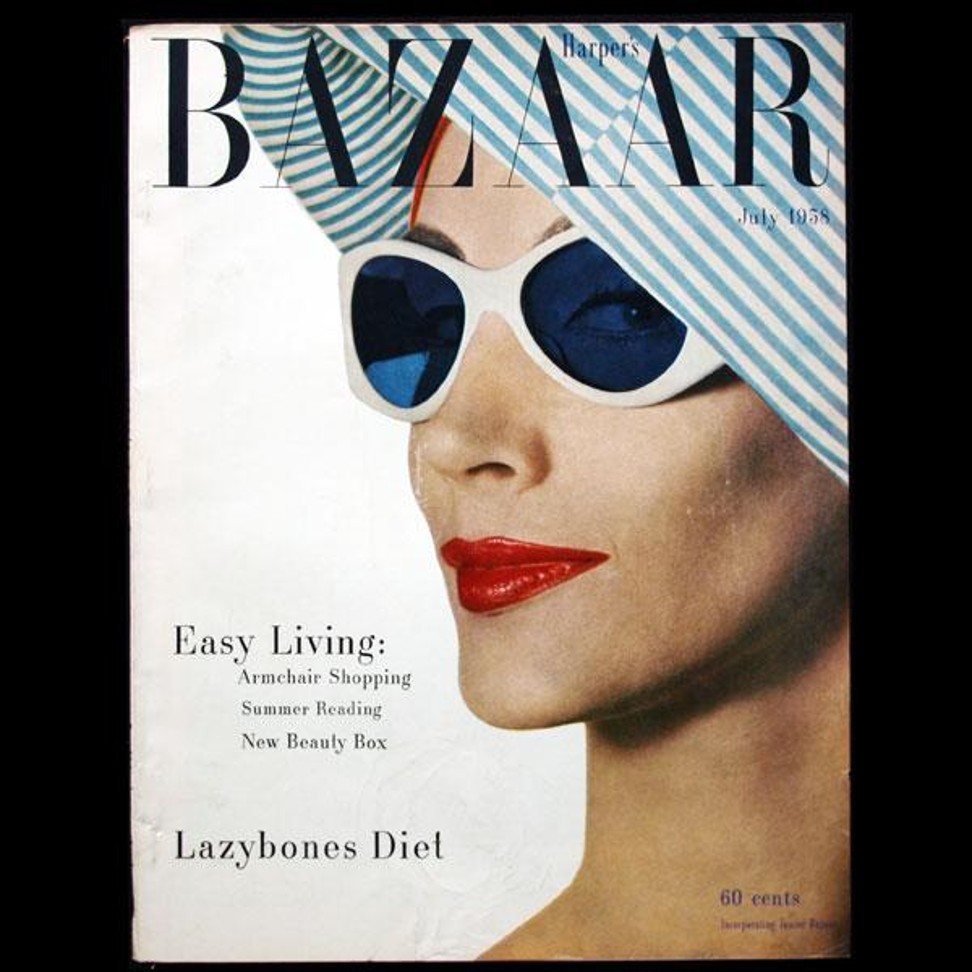
After a major renovation of its galleries, Paris’s premier fashion museum reopens with an exhibition dedicated to fashion magazine Harper’s Bazaar.
In this era of increasing digital consumption of fashion, this exhibition highlights the glories of the printed format. However accessible fashion might be on a small screen, there is nothing like the luxurious feeling of glossy pages in your hands, full of beautifully conceived fashion shoots by world-class contributors like Man Ray, Richard Avedon and Peter Lindbergh.
The exhibition brings together the magazine pages and the fashion garments featured during the periods of three of its most influential visionaries: editors Carmel Snow and Diana Vreeland and art director Alexey Brodovitch. Together, they created the modern aesthetics in both fashion and graphic design that are still influential today.
Perceptive criticism of fashion and world-class literary contributions from authors like Truman Capote and even Charles Dickens mark out the magazine and its contribution to our understanding of fashion.
From February 28 to July 14
4. Musée du Luxembourg, Paris
Man Ray et la Mode
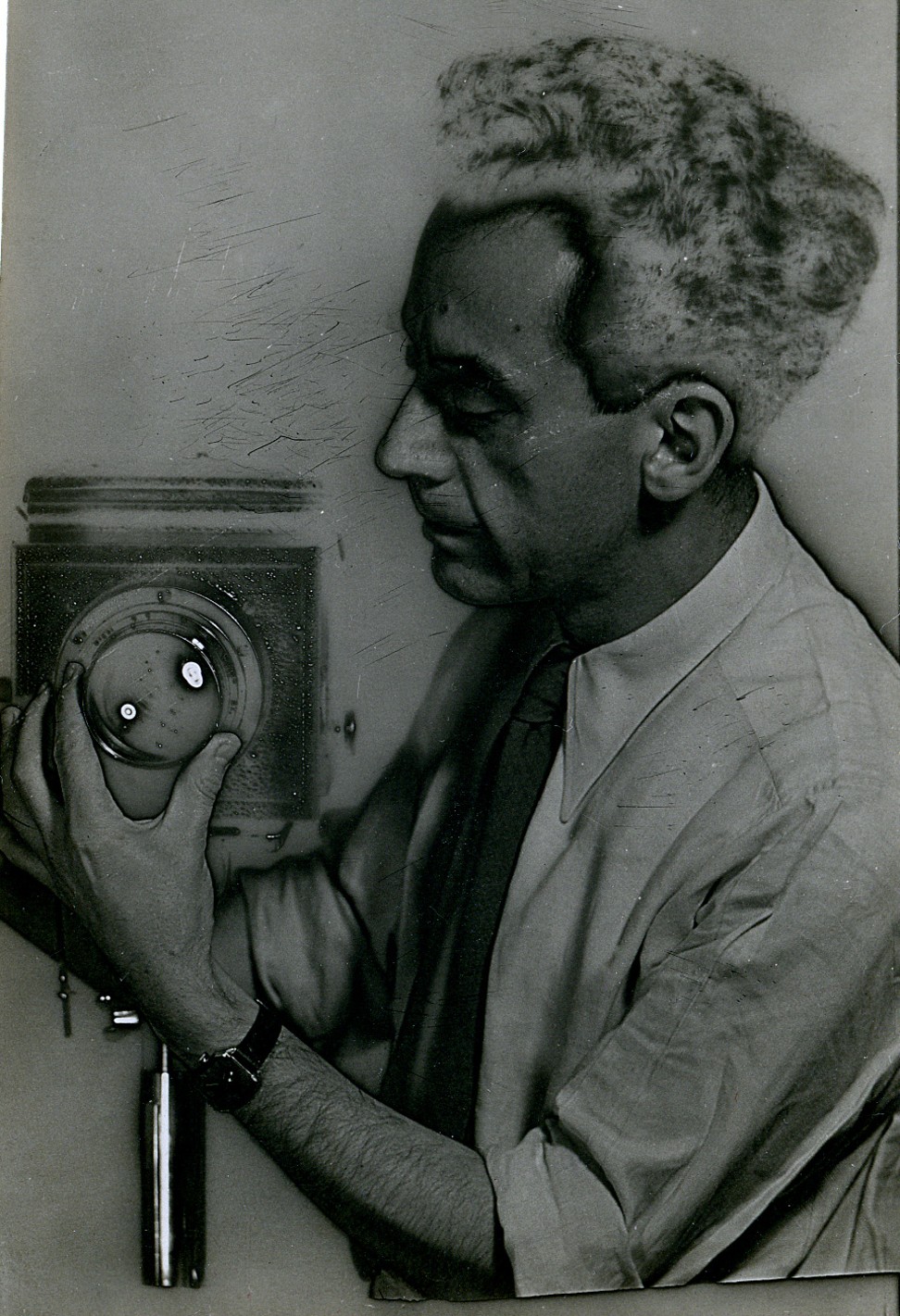
This was the first French museum to be opened to the public in Paris, in 1750, and usually hosts exhibitions by painters like Rubens, Tintoretto and Chagall, and so this tribute to Man Ray’s fashion photography is an intriguing departure.
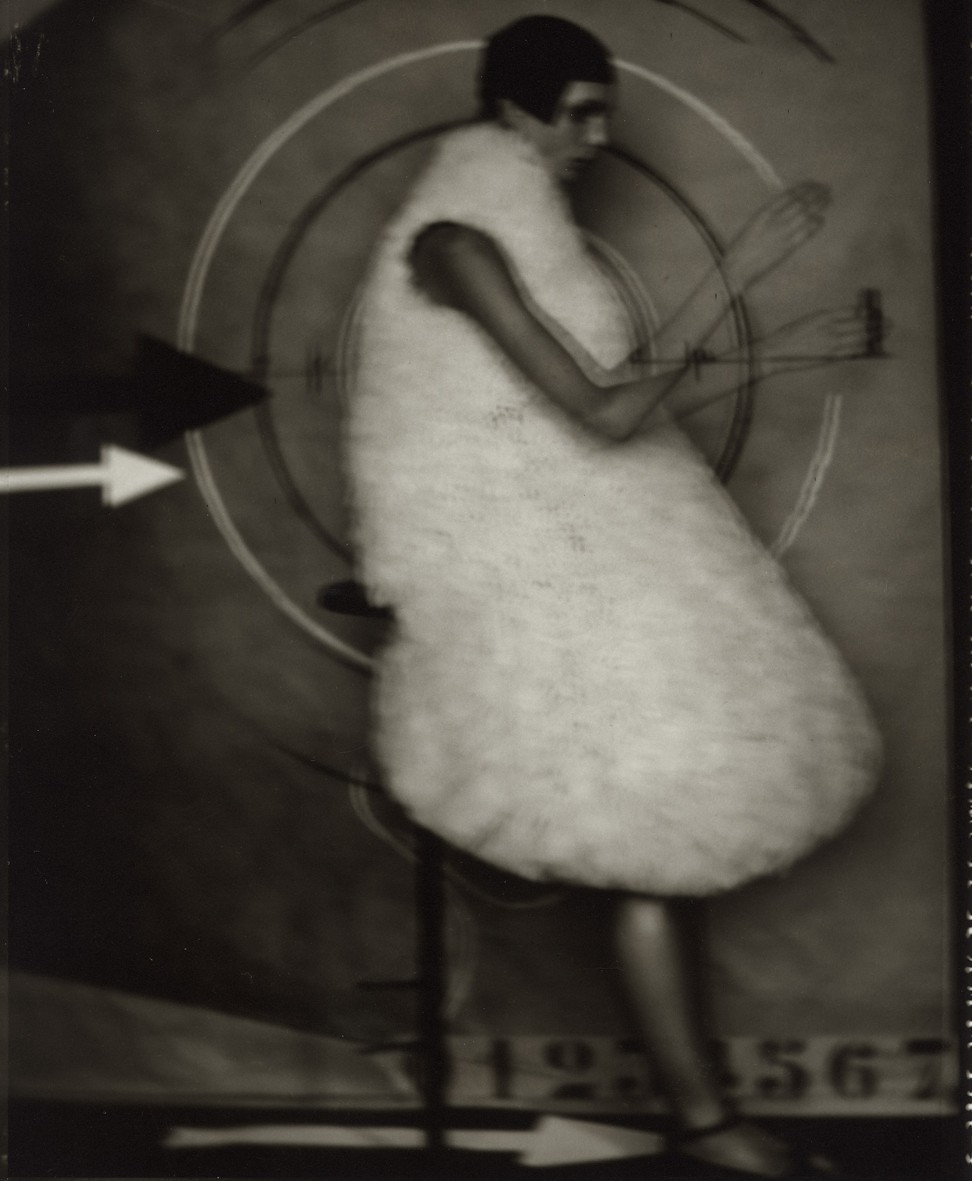
There have been exhibitions in Paris on Man Ray before but not an examination of his fashion photography, a little-known aspect of his work. First shown last year in Marseilles, the exhibition reveals how Man Ray, a participant in the Surrealist movement, was technically inventive and experimental, and brought new life to fashion photography.
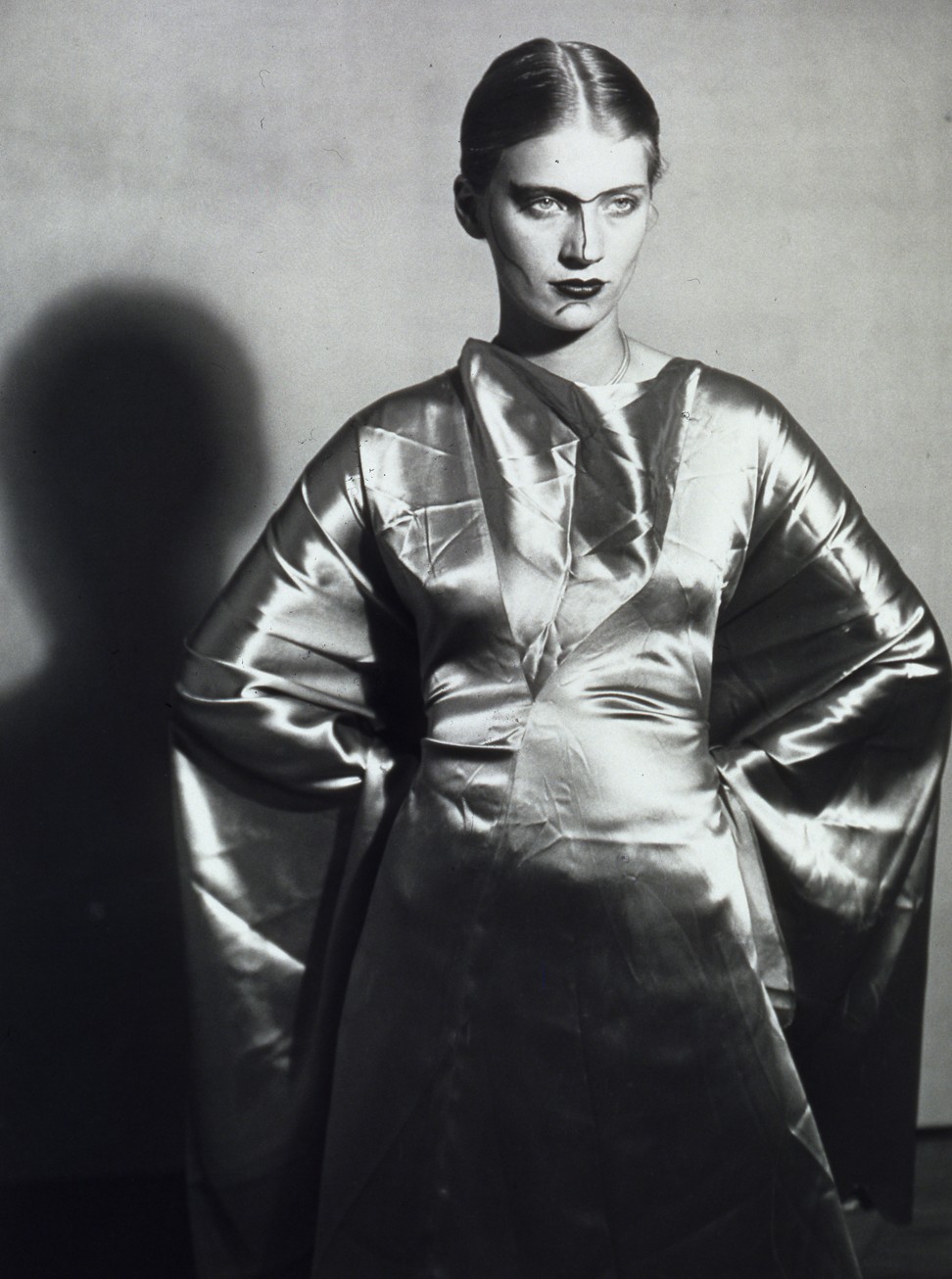
His portrait work led him to collaborate with couturier Paul Poiret and subsequently his peers, including Chanel and Schiaparelli, in the 1920s. His images soon featured in Vogue and Vanity Fair and during the 1930s Harper’s Bazaar regularly published his photographs.
His original prints and large-scale photographs will be displayed alongside models for the couture houses that he worked with.
From April 9 to July 26
5. Victoria & Albert Museum, London
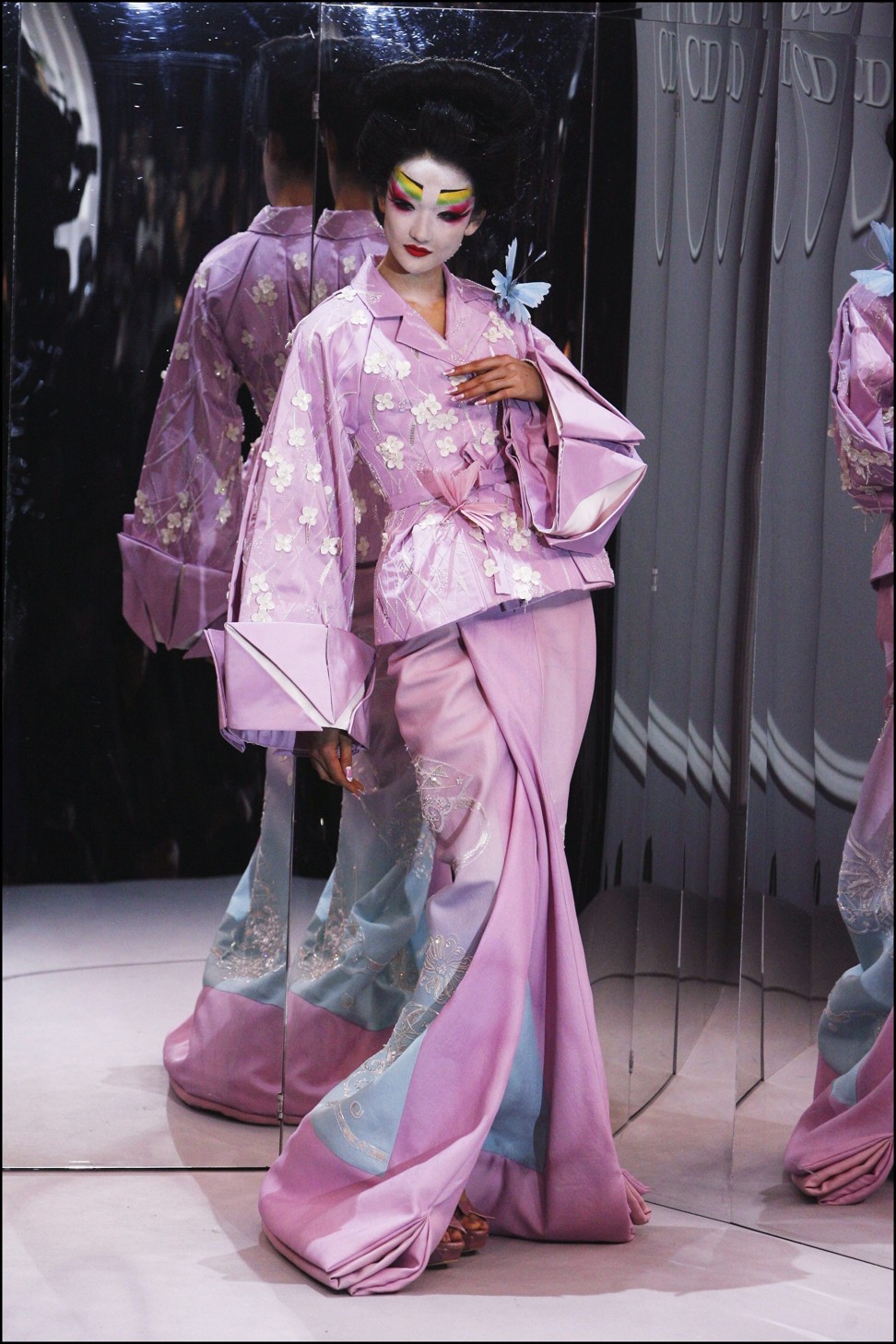
Kimono: Kyoto to Catwalk
The Tokyo Olympics are only months away and so this is an opportune moment to brush up on Japanese culture and its sartorial heritage. The V&A holds one of the largest and most significant collections of Japanese art and design in the world including many kimonos – the culture’s ultimate symbol.
Kimonos first emerged in the 17th-century Edo period and became an expression of affluence among the wealthy merchant classes (and the geisha). Their beautiful patterns and sophisticated techniques became a status symbol much like a couture label today.
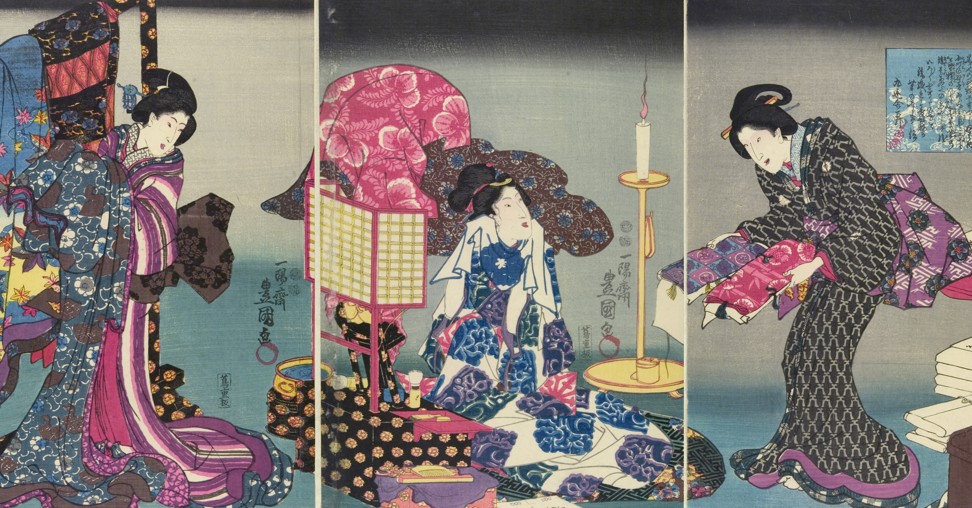
Western fashion and particularly the couture world became enamoured of Japan in the early 20th century, notably couturier Poiret, who replaced corsets with exotic kimono robes, then subsequently designers like Rei Kawakubo, John Galliano and Yves Saint Laurent.
Their kimono-inspired designs feature in the exhibition alongside Alexander McQueen’s famous version worn by Björk for the album cover of Homogenic and the original kimono-style Star Wars costume of John Mollo.
From February 29 to June 21