From the stage of an evangelical superchurch, the leader of the gospel choir kicked off an evening of prayer and preaching: "We're going to celebrate the Lord! Are you feeling the joy tonight?"
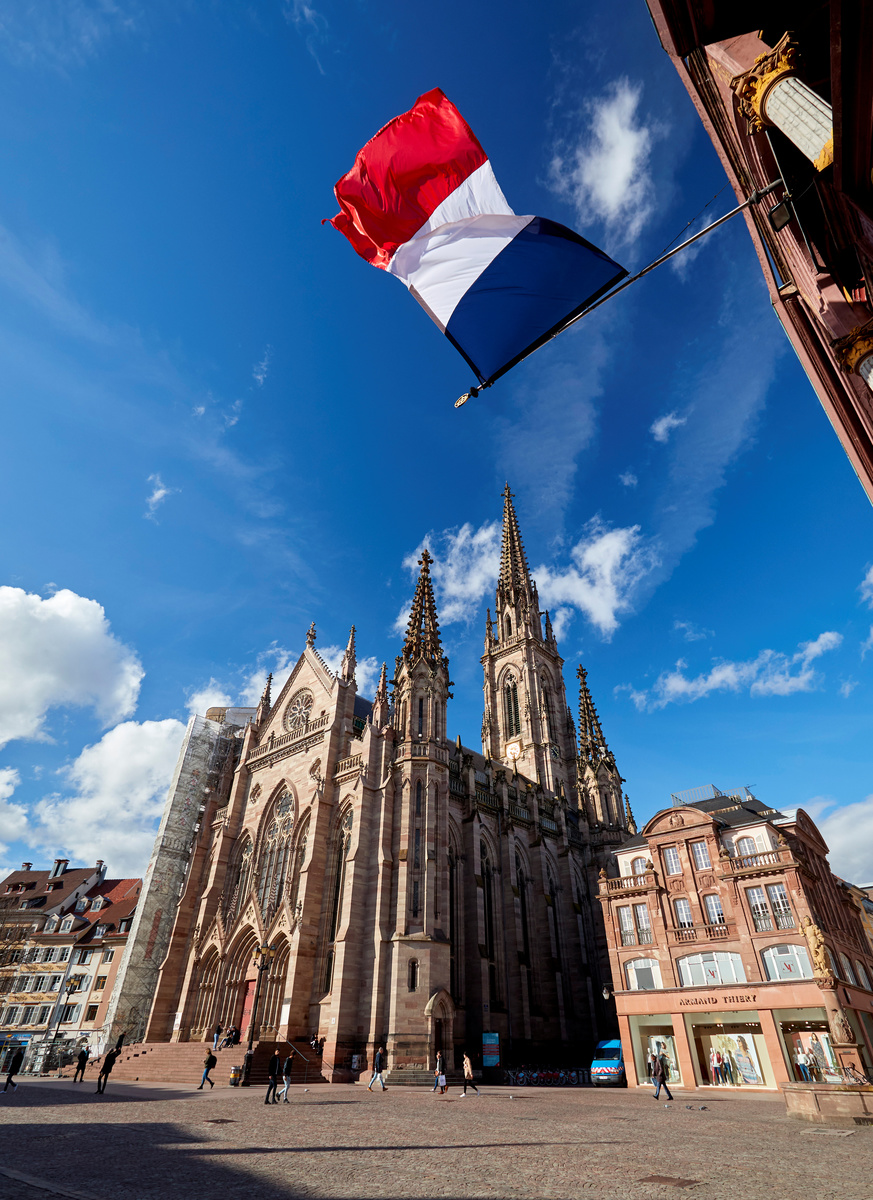
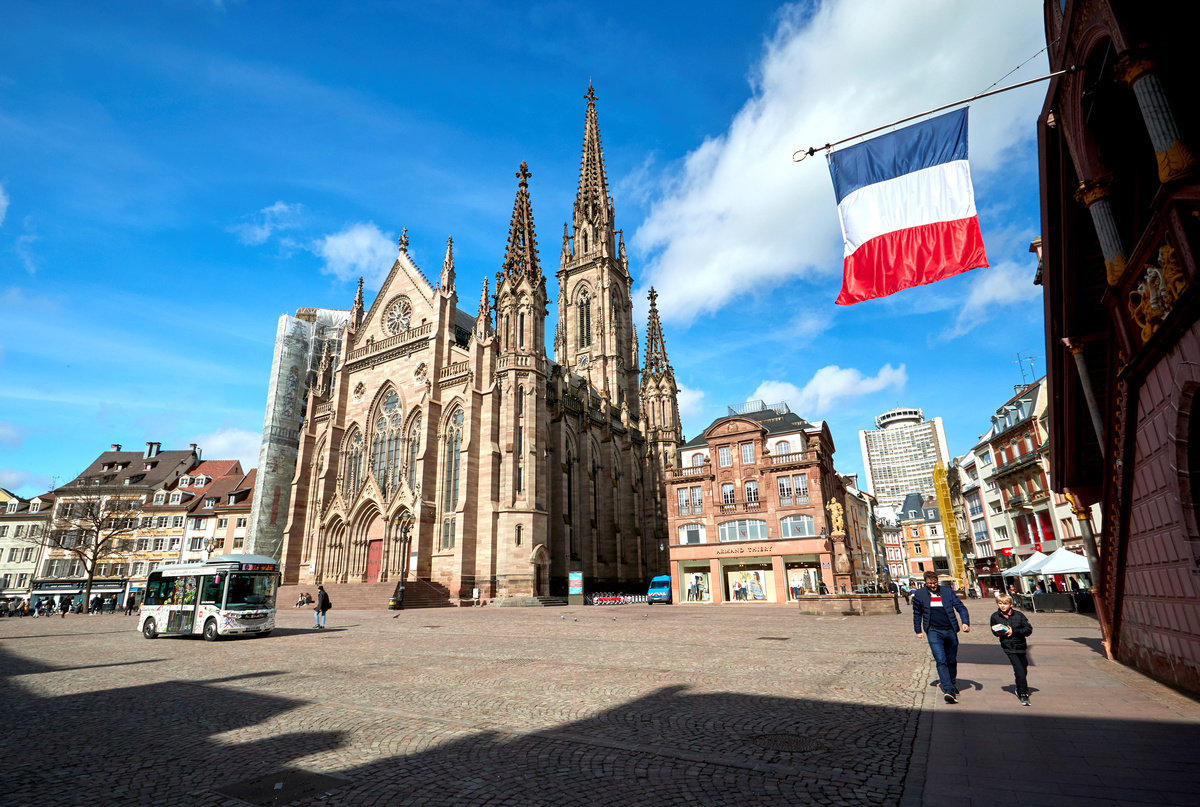
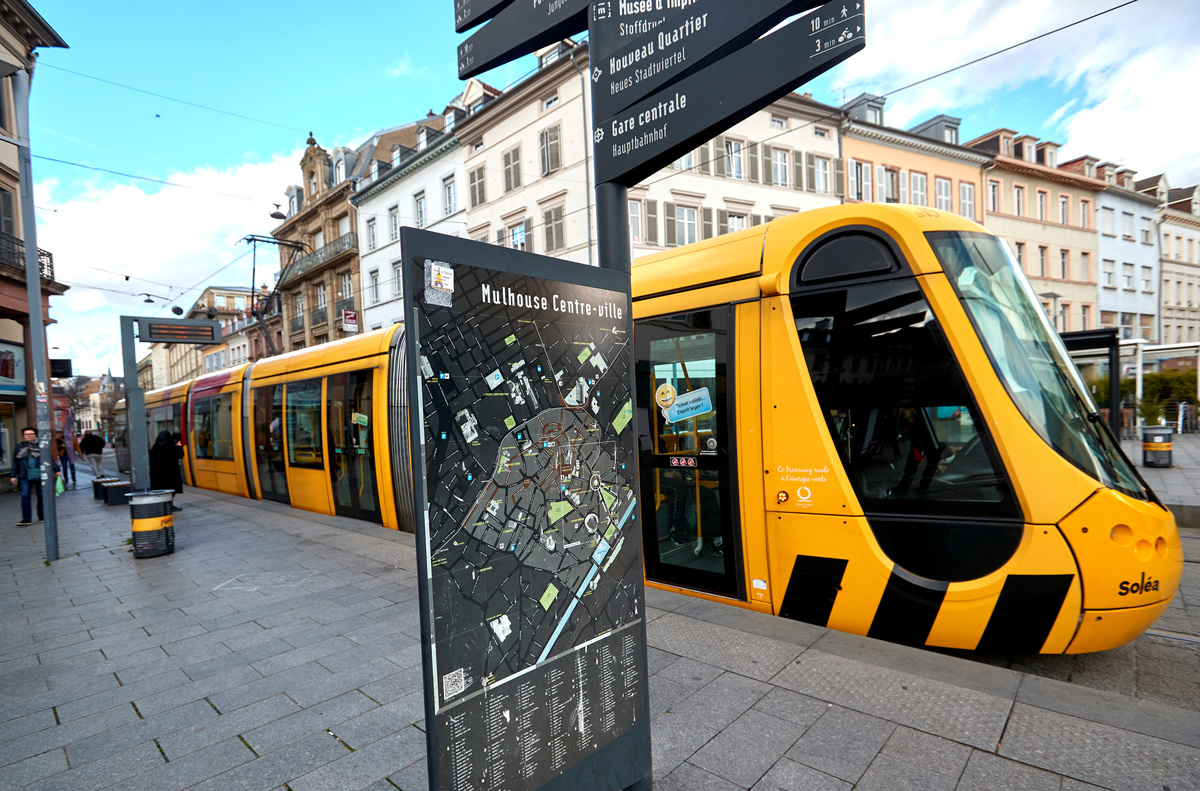
"Yes!" shouted the hundreds gathered at the Christian Open Door church on Feb. 18. Some of them had traveled thousands of miles to take part in the week-long gathering in Mulhouse, a city of 100,000 on France's borders with Germany and Switzerland.
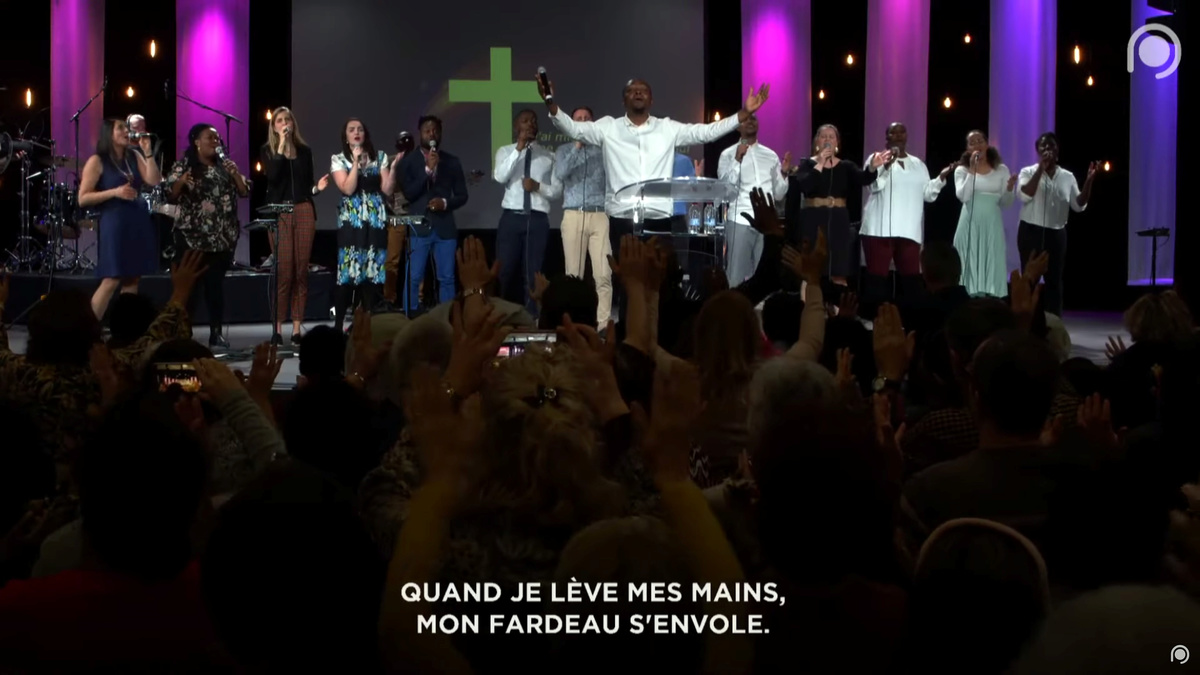
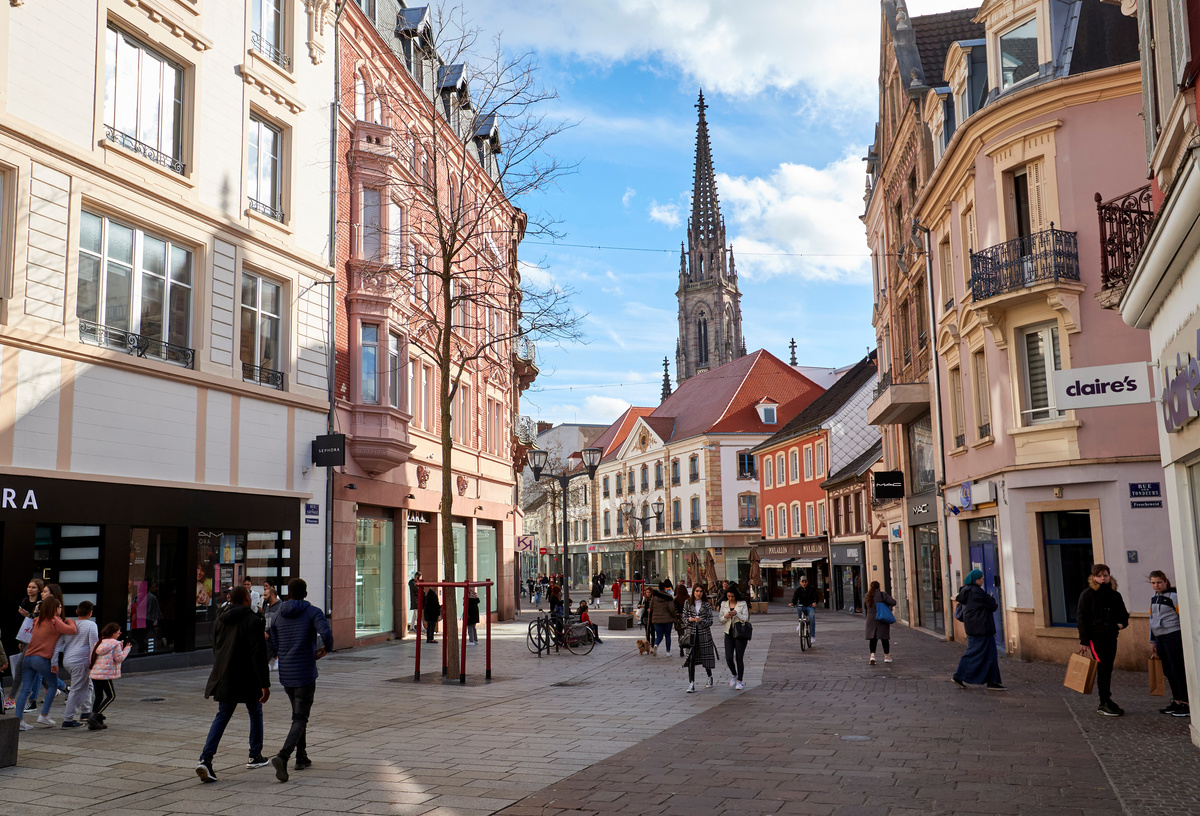
For many members of this globe-spanning flock, the annual celebration is the high point of the church calendar.
This time, someone in the congregation was carrying the coronavirus.
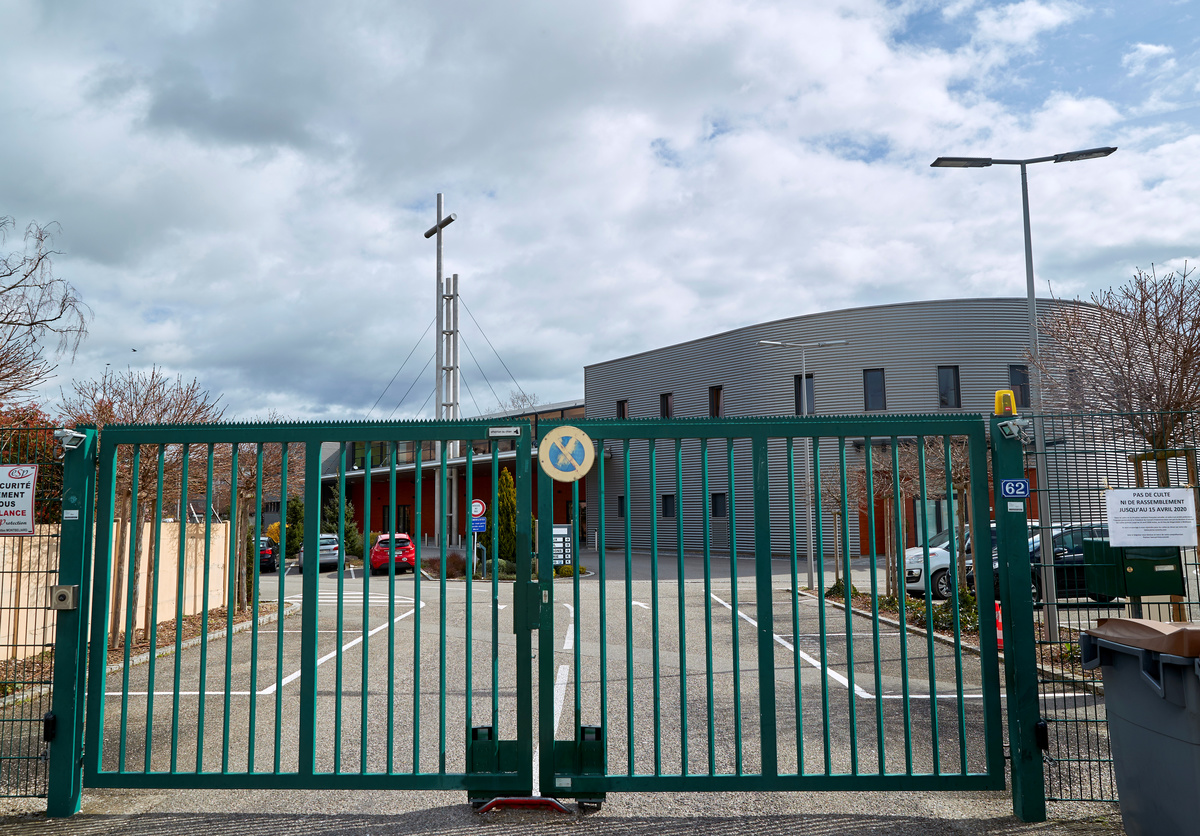
The prayer meeting kicked off the biggest cluster of COVID-19 in France - one of northern Europe's hardest-hit countries - to date, local government said. Around 2,500 confirmed cases have been linked to it. Worshippers at the church have unwittingly taken the disease caused by the virus home to the West African state of Burkina Faso, to the Mediterranean island of Corsica, to Guyana in Latin America, to Switzerland, to a French nuclear power plant, and into the workshops of one of Europe's biggest automakers.
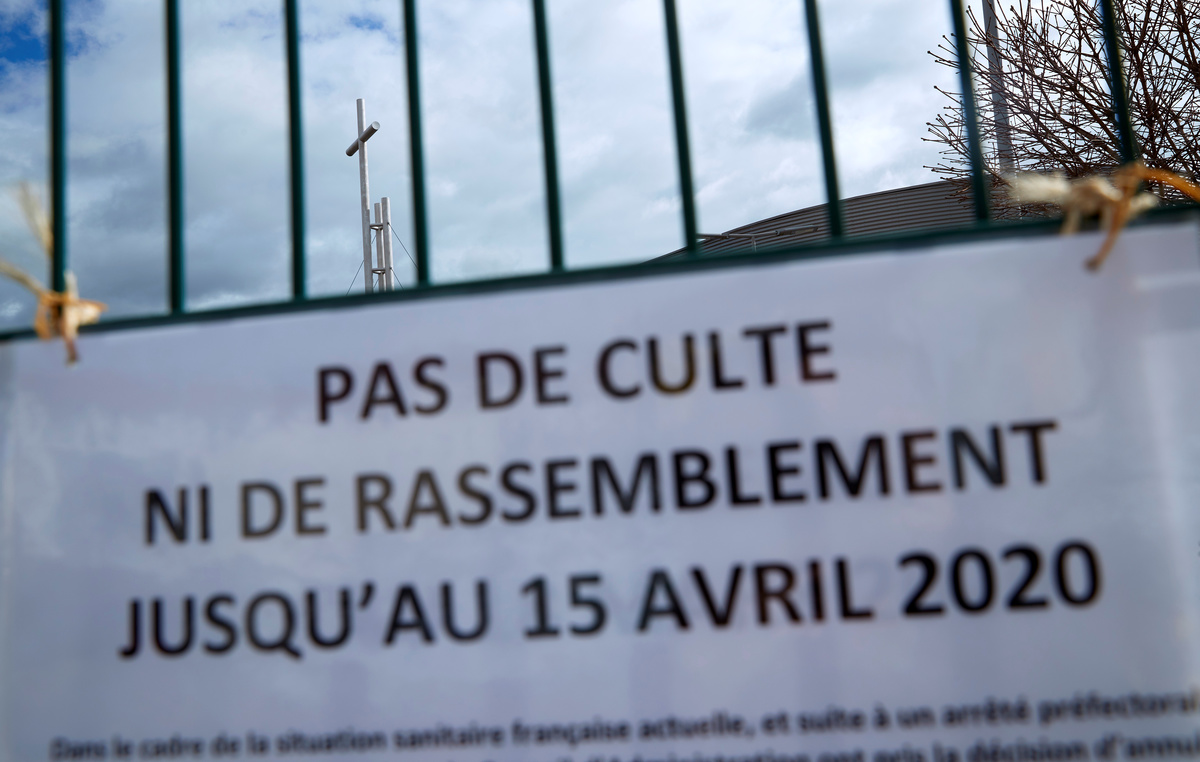
Weeks later, Germany partially closed its border with France, suspending a free-movement pact that has been in place for the past 25 years. The church cluster was a key factor, two people familiar with the German decision told Reuters. Church officials told Reuters that 17 members of the congregation have since died of complications linked to the disease.
Other religious gatherings have been linked to the spread of the virus: A large church in South Korea has triggered more than 5,000 cases there. This story, told to Reuters by members of the Christian Open Door congregation and officials involved in coping with the outbreak, is testament to the speed and ferocity of the coronavirus infection. As public health administrators were still gearing up for coronavirus, the disease was operating to its own, remorseless timetable - one that has quickly outpaced anything they could put in place.
As the faithful gathered on a clear Tuesday evening in the church, an old shopping center converted into a 2,500 seat auditorium, the disease seemed remote. France had 12 confirmed cases, according to World Health Organization (WHO) data. There were none in the Mulhouse area.
France, like other governments in northern Europe, had imposed no restrictions on big meetings. There was no alcohol gel for the congregations to clean their hands, no elbow bumps instead of handshakes.
"At the time, we viewed COVID as something that was far off," said Jonathan Peterschmitt, son of the lead pastor and grandson of the church's founder. His father, Samuel, was unavailable for an interview because he had been sickened by the virus, his son and a church spokeswoman said.
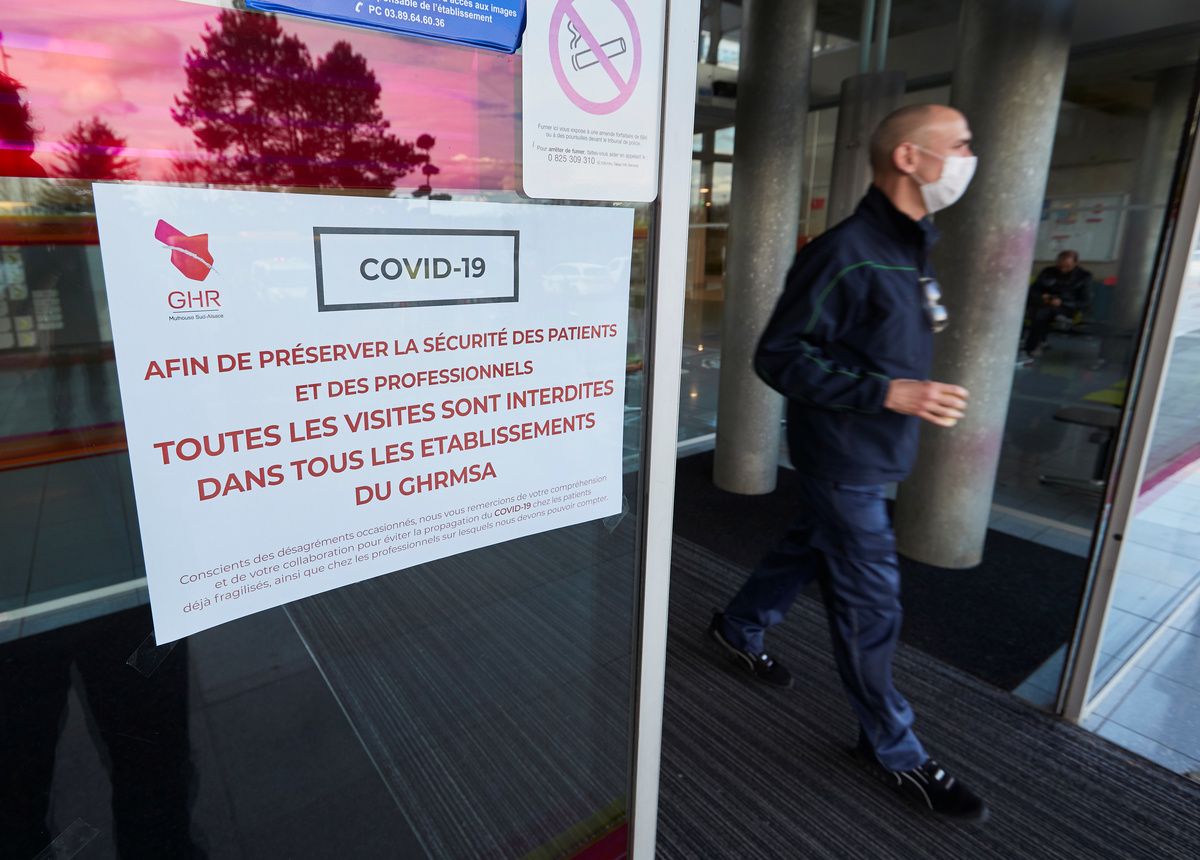
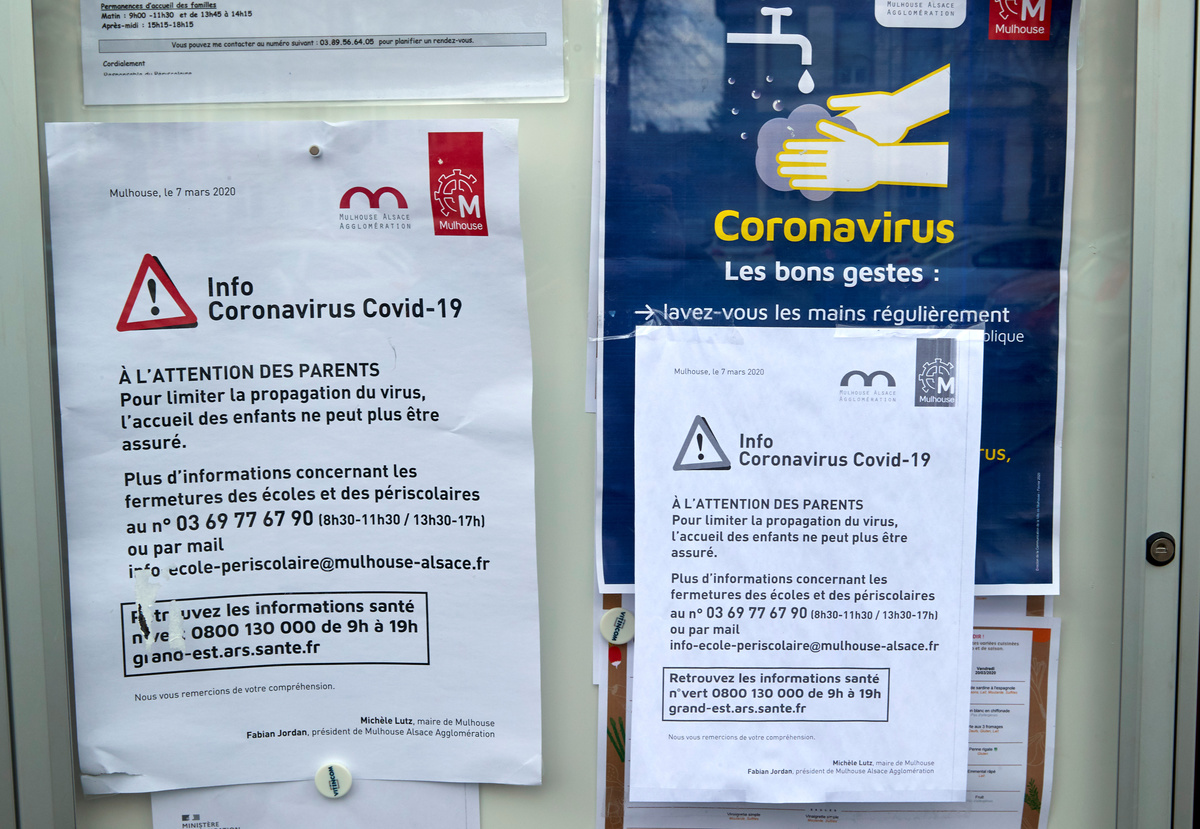
The day after the first case linked to the church was identified on Feb. 29, public health officials followed the usual protocol and traced the people whom the carriers had been in contact with, to stem the spread. Using a list supplied by the church - which public health officials said cooperated fully - they first contacted those who had staffed the children's crèche during the gathering.
At this point, the health inspectors realized they were too late. Some crèche staff were already sick, according to Michel Vernay, an epidemiologist with France's national public health agency in eastern France.
"We were overwhelmed," said Vernay. "We realized that we had a time bomb in front of us."
"SPIRITUALLY RECHARGE"
Among the congregation was local man Elie Widmer, a 37-year-old manager of a house-building company. His parents were members of the church, which was founded in 1966 by Jean Peterschmitt, a French shopkeeper who embraced evangelism after his wife was unexpectedly cured of an illness.
Widmer said he had drifted away from the church as a teenager, but returned. The Mulhouse gathering was something he looked forward to the whole year, he said: "You feel a special energy during that week. For a week, you stop everything to spiritually recharge." As a drummer in the church orchestra, he attended the whole week.
Coming from further afield was Antoinette, a 70-year-old grandmother who lives on the Mediterranean island of Corsica. For her, the gathering was part of a 25-year tradition.
Antoinette made the trip with five other women who worship at the Bethel evangelical church in the capital Ajaccio. She spoke on the condition that she not be fully identified, saying believers had been stigmatized by people outside the church for spreading the virus.
Antoinette has chronic lung problems, for which she has regular treatment. As the women flew out of Corsica on Feb. 16, they looked forward to combining evangelical workshops with excursions to the shops.
"We knew nothing," she said from her home in Ajaccio. "We weren't thinking about the epidemic."
Neither was Mamadou Karambiri, who flew into Paris's Charles de Gaulle airport on Feb. 14 aboard an Air France flight from Ouagadougou, capital of Burkina Faso.
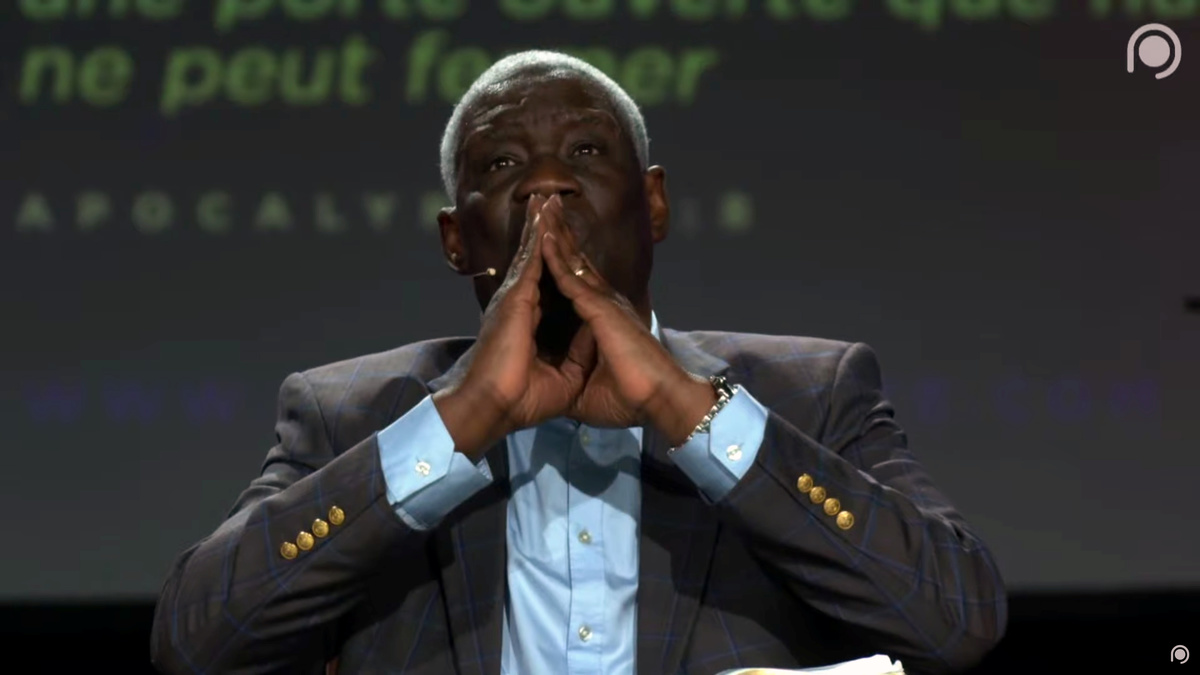
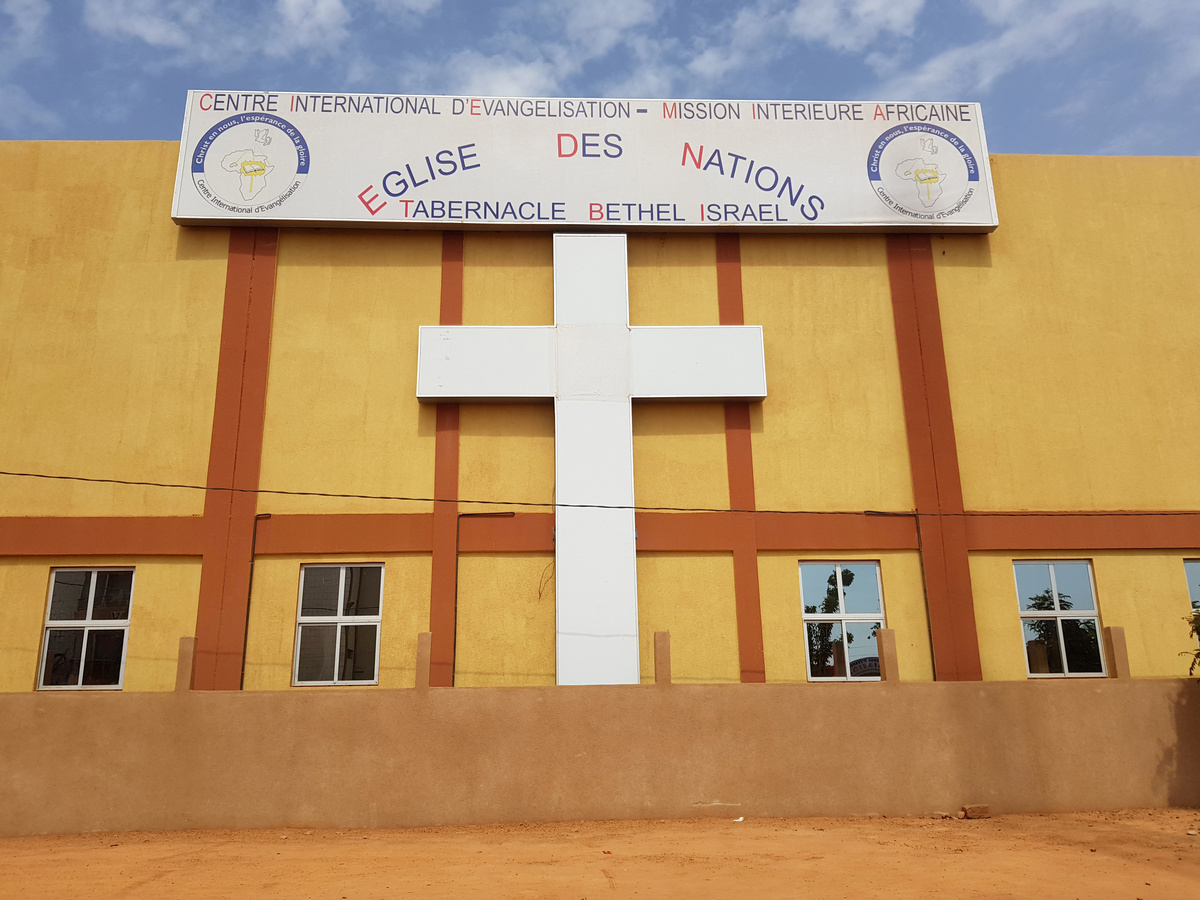
He is pastor of his own church in Africa and co-founder of an organization called the International Evangelism Center – Africa Interior Mission. A charismatic speaker with a shock of white hair, Karambiri was to be the meeting's star preacher.
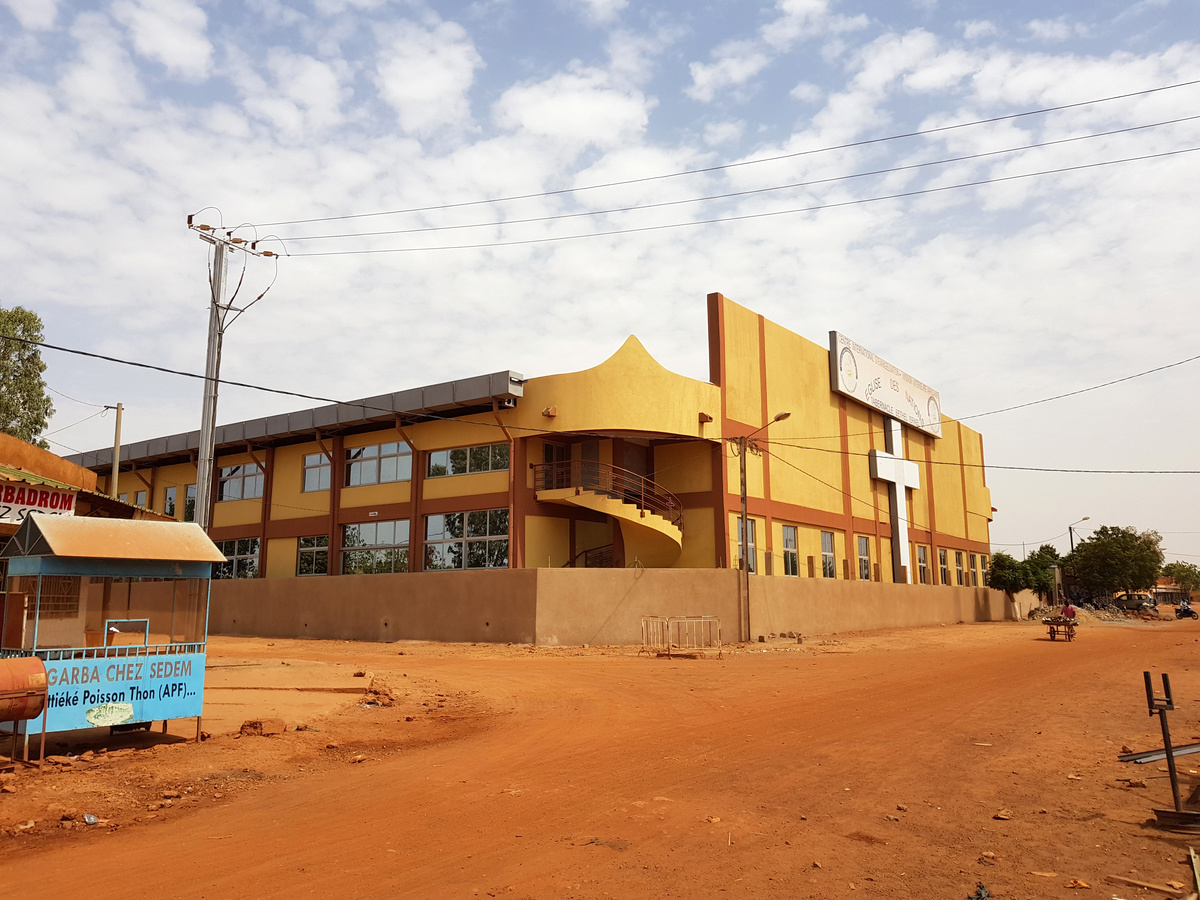
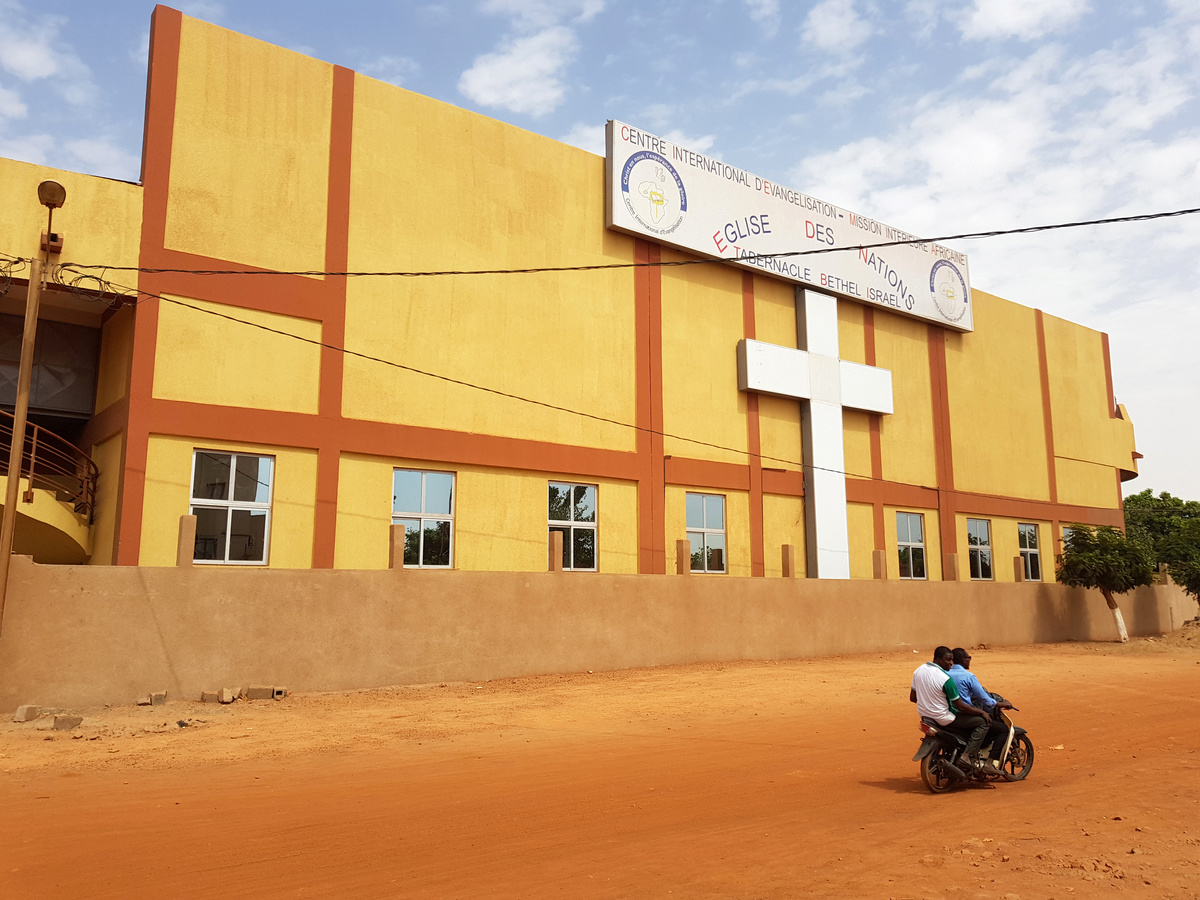
His church, a warehouse-like building that takes up a city block in Ouagadougou, can accommodate 12,000 people, according to a worshipper there. A giant white cross towers above the red dirt street outside. Across the road is the studio that televises the sermons the pastor delivers to worshippers assembled on rows of blue plastic chairs.
Karambiri traveled to the Mulhouse gathering with his wife and a bodyguard, said his spokesman, Aristide A. Ouedrago. The pastor, through his secretary, declined to be interviewed for this story.
Ouedrago said that he believed that when Karambiri traveled, the virus was not in France, although in fact there were 12 cases.
"PETRI DISH"
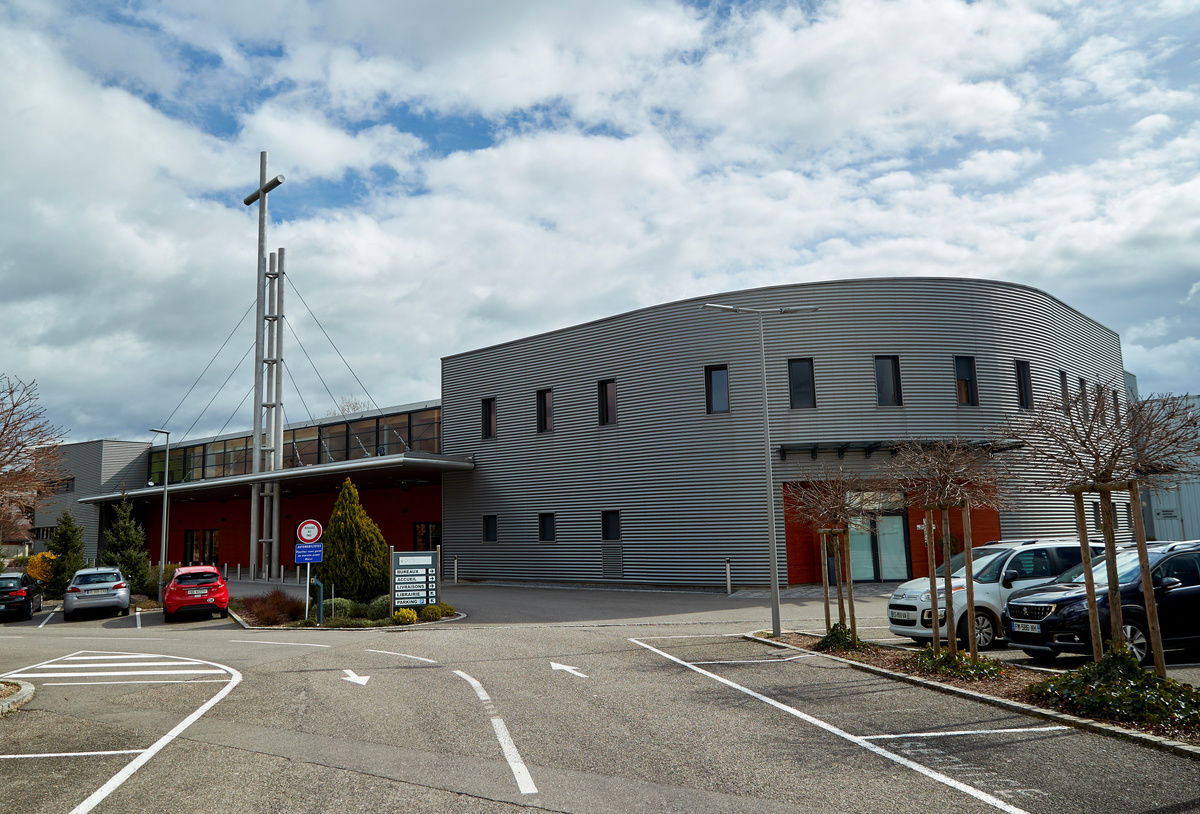
In Mulhouse, the Christian Open Door church stands across the road from a kebab cafe. A four-storey-high white metal cross rises over the car park.
Also gathering in the church building were two children whose mother had taken sick before the event started, health officials said. The mother stayed at home, but their grandfather brought the children along - the elder child was five, the younger just one year old.
The children and their mother would later test positive for coronavirus, making the mother a potential source of the cluster, said Vernay, the French public health official. It was not clear to public health officials where the mother, whom Vernay declined to identify, picked up the infection.
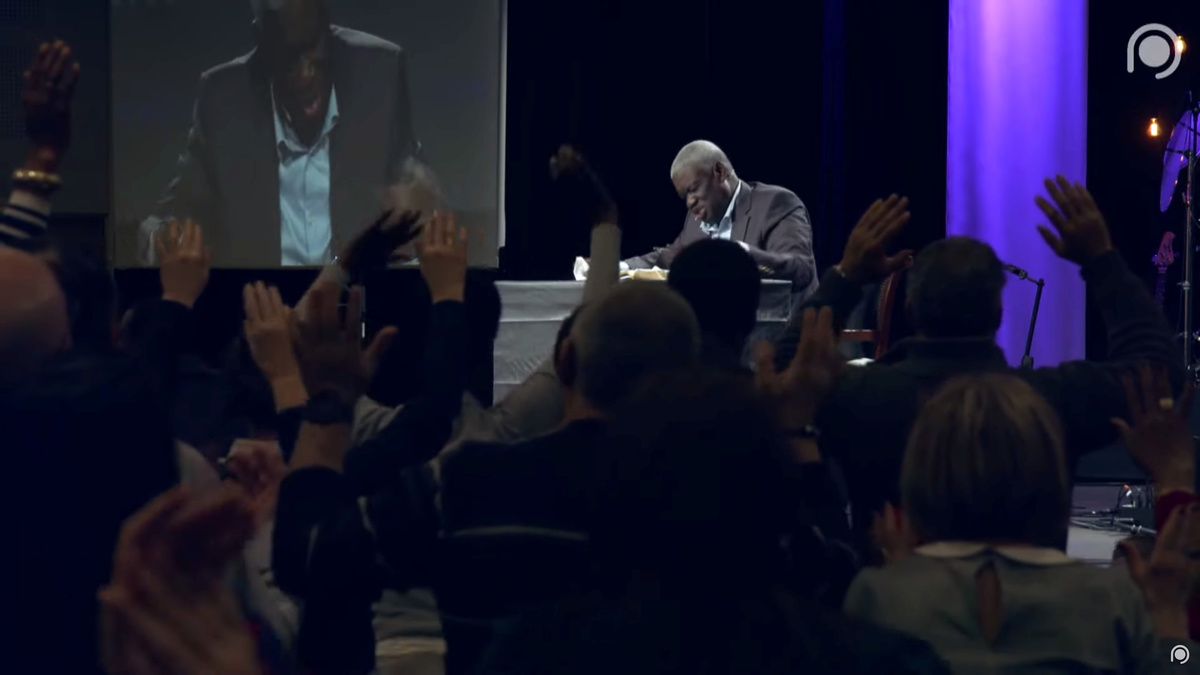
The week's schedule included gospel choir performances, collective prayer, singing, sermons from preachers, workshops, and testimony from people who said God had cured their illnesses.
The best-attended sessions had up to 2,500 people and there were never fewer than 1,000, said Jonathan Peterschmitt, the founder's son, from his home. Many people came day after day, and spent hours there. "So we were in the same petri dish for a week," he said.
By the end of the gathering on Feb. 21, no one had reported any flu-like symptoms, according to Nathalie Schnoebelen, a church spokeswoman. At the time, France's tally of confirmed COVID-19 cases was steady at 12.
SPREAD
In late February, Widmer, the drummer, started feeling unwell. His wife, his three children, and his mother-in-law also took ill.
On March 3, the WHO recorded 91 new COVID-19 cases in France, bringing the country's total to 191. The church, prompted by the discovery of the infected woman and her two children, posted on its Facebook page that people who had come to the gathering should contact a doctor.
Widmer dialed 15, the number in France for emergency medical care. There were not enough testing kits for him to be tested. But doctors diagnosed coronavirus and ordered him and his family to quarantine themselves.
For three days he had a strong fever and headache, and lost his sense of taste and smell. He said he was not especially worried: His family had milder symptoms. He has since recovered, but remains in self-isolation.
The virus spread through the church founder's family. Around a dozen members are now recovering.
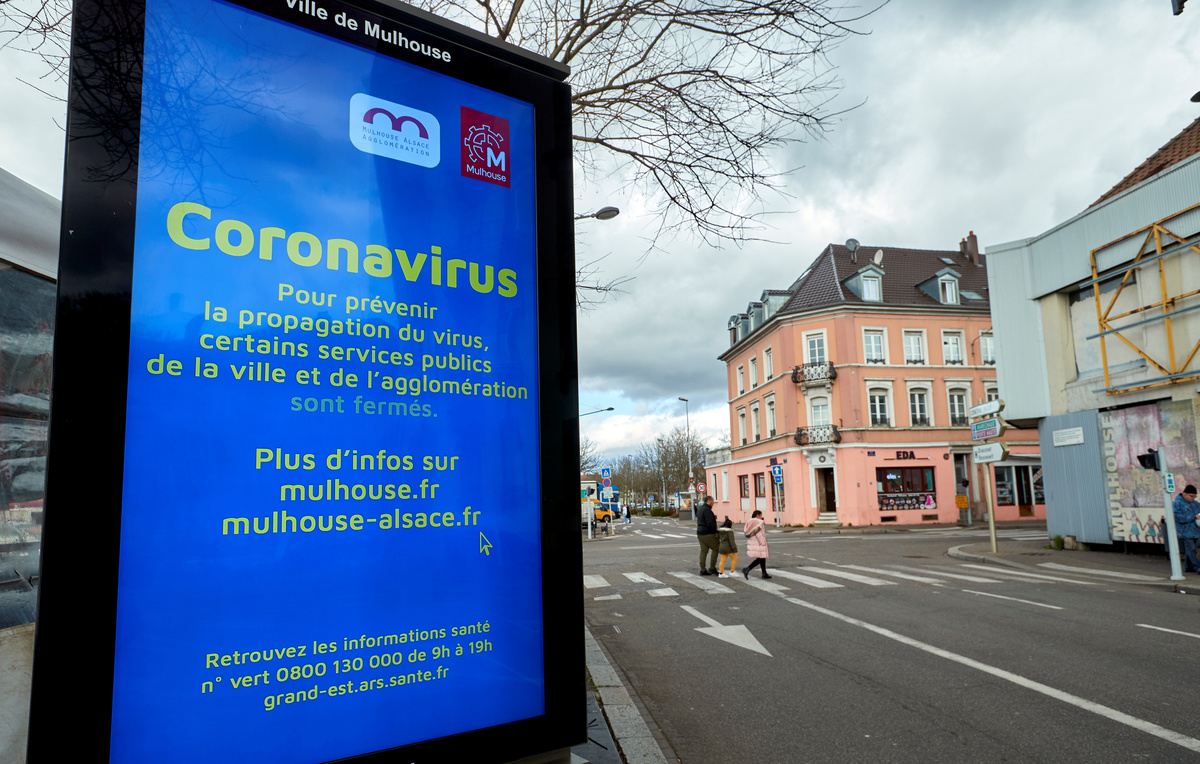
A few miles away across the border, German officials were watching with growing alarm.
They had received a report from the Robert Koch Institute, a German state public health institution, that added eastern France to its list of four coronavirus risk areas around the world - along with China's Hubei province, Iran, Italy and North Gyeongsang province, adjoining the city of Daegu, the site of the South Korean church outbreak. By March 11, France's COVID-19 tally at the WHO had leapt to 1,774, of whom 33 had died.
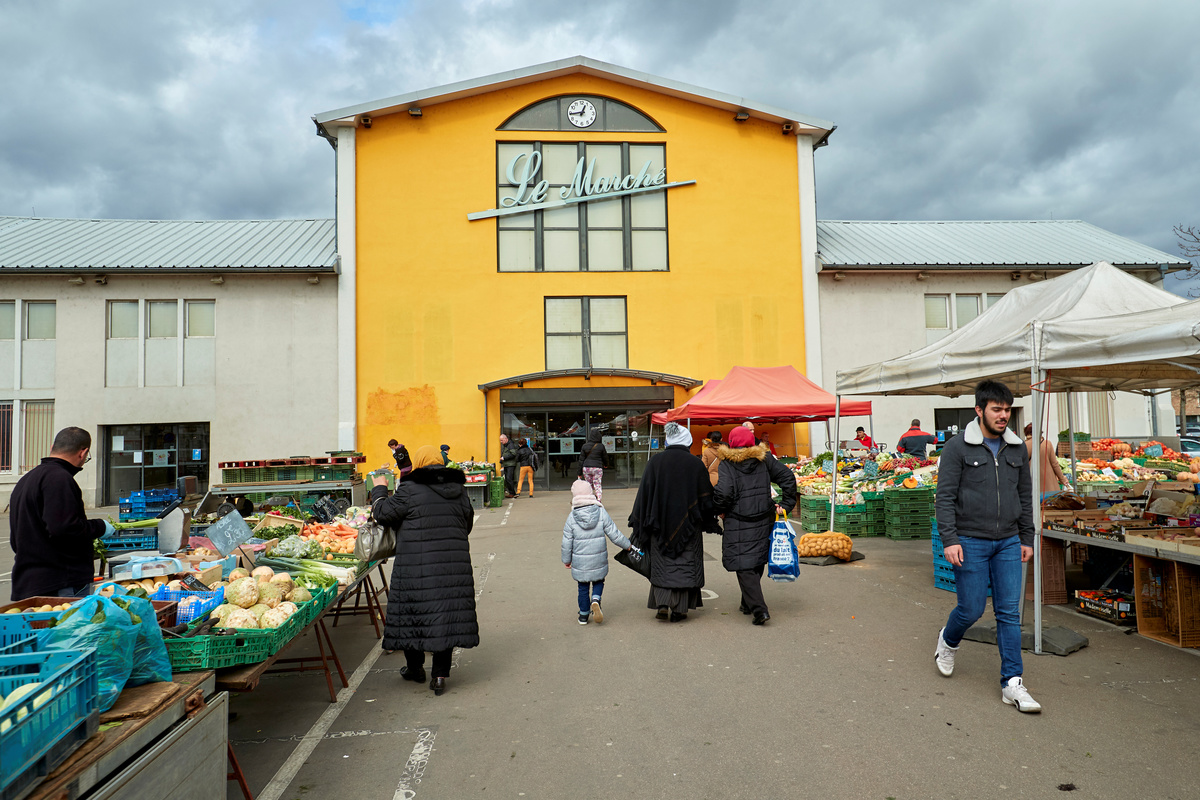
Roughly 45,000 French workers commute to Germany daily, according to official data - around a fifth of them from the Mulhouse area. Most work in Germany's wealthy industrial region of Baden-Wuerttemberg, where automakers Porsche and Mercedes-Benz have their headquarters. Europa-Park, a theme park just over the Rhine in Germany, is a big employer, also of French workers.
After attending the gathering, a worker from the French nuclear power plant at Fessenheim near Mulhouse tested positive. The plant's operator, Electricite de France SA (EdF), ordered 20 others to self-isolate at home but operations were not disrupted, a representative of the power company said. Another person who had been at the gathering worked in the Peugeot Citroen factory on the edge of Mulhouse; that individual too was infected, according to a person familiar with the case.
German officials in Baden-Wuerttemberg decided to act, imposing restrictions on movements across the border.
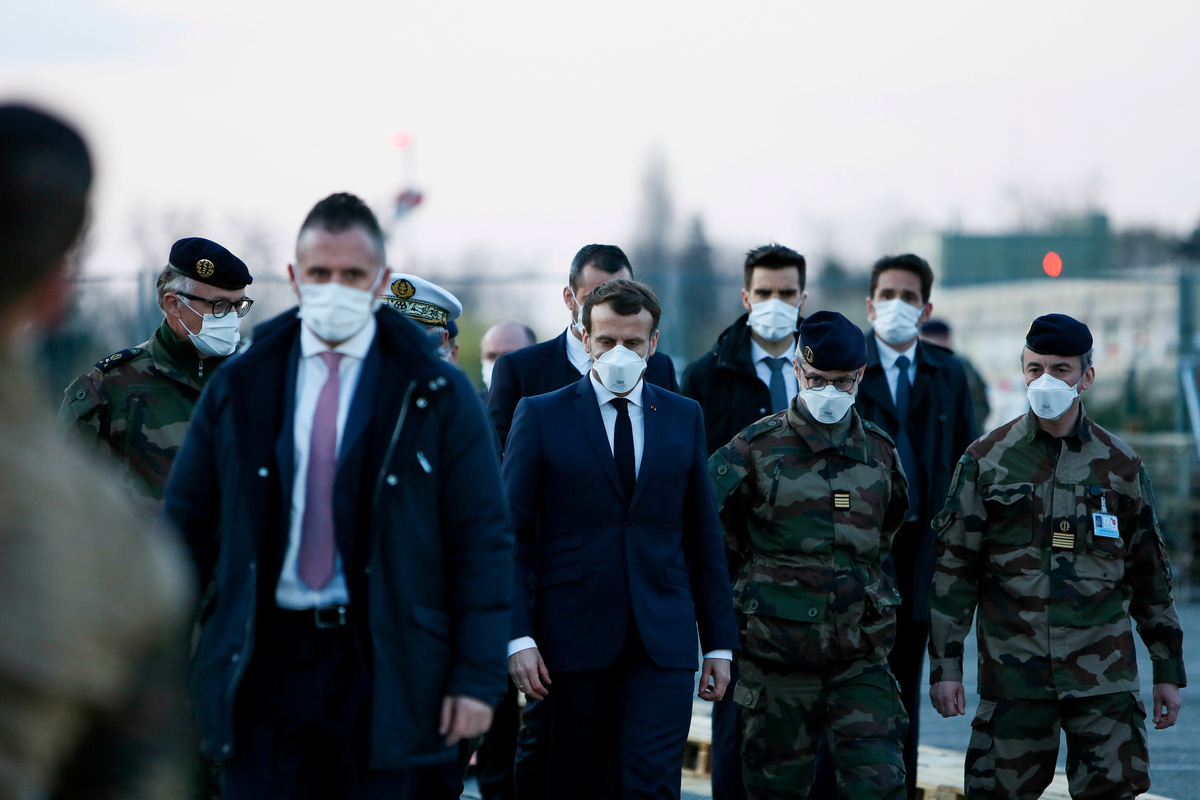
The French government asked Berlin for an explanation. On March 16, German Chancellor Angela Merkel spoke to French President Emmanuel Macron. They talked about the cluster in eastern France and the risk from commuters, said a German government official briefed on the call. Then they agreed to close the border to traffic other than cargo vehicles and people making essential trips. A French official confirmed the contents of the discussion.
Police appeared at previously unmanned border posts, asking car drivers for a document from their employer proving travel is essential. Cargo trucks are backed up.
But the disease was already out. A resident of Switzerland who went to the meeting brought the virus back to their evangelical community near Lausanne, the Swiss federation of evangelical churches said on its website. Public health authorities in French Guyana said they found five people who had traveled to the gathering also tested positive.
GOD'S PRESENCE
Back home in Corsica after her trip to the church gathering, Antoinette felt under the weather.
She put it down to the exertion of the trip, and carried on meeting up with other church-goers in Ajaccio. On March 2, nine days after she returned, she received a call from Mulhouse describing the outbreak there.
She was hospitalized overnight, tested, and on March 4, became one of the first cases of COVID-19 on the French island of Corsica. She has since been in self-isolation, and her church has suspended services. As of March 27, 263 people were infected with coronavirus on Corsica, 21 of whom died.
"People have pointed their finger at me," said Antoinette on March 16. "They need a scapegoat." She said some people outside her circle were suspicious of evangelical Christians and blamed her for bringing the virus to Corsica. Jonathan Peterschmitt, the son of the Mulhouse pastor, said others in the congregation had been subject to verbal attacks by strangers for spreading the infection, and were now fearful of revealing their identities.
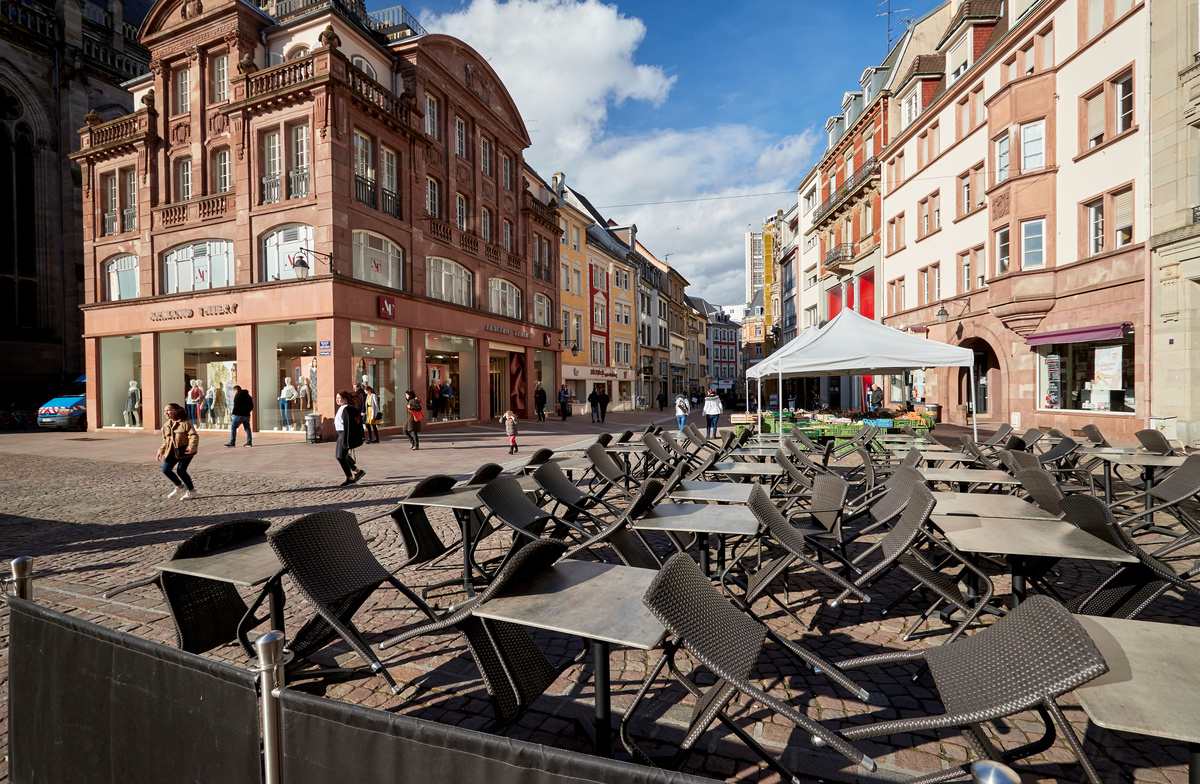
By March 20, France had more than 10,000 cases of COVID-19. Around a quarter were in Grand-Est, the region that includes Mulhouse. "The very great majority" of these could be traced to the church, said Vernay, the local public health official.
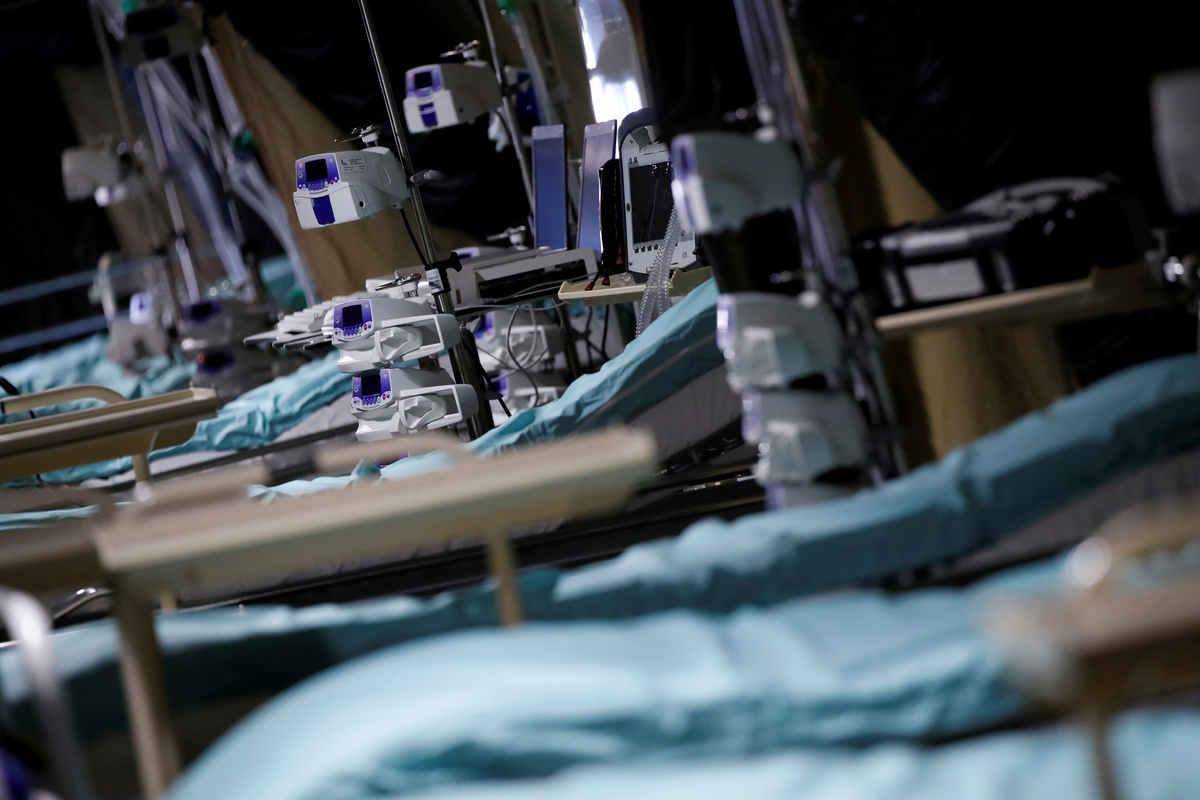
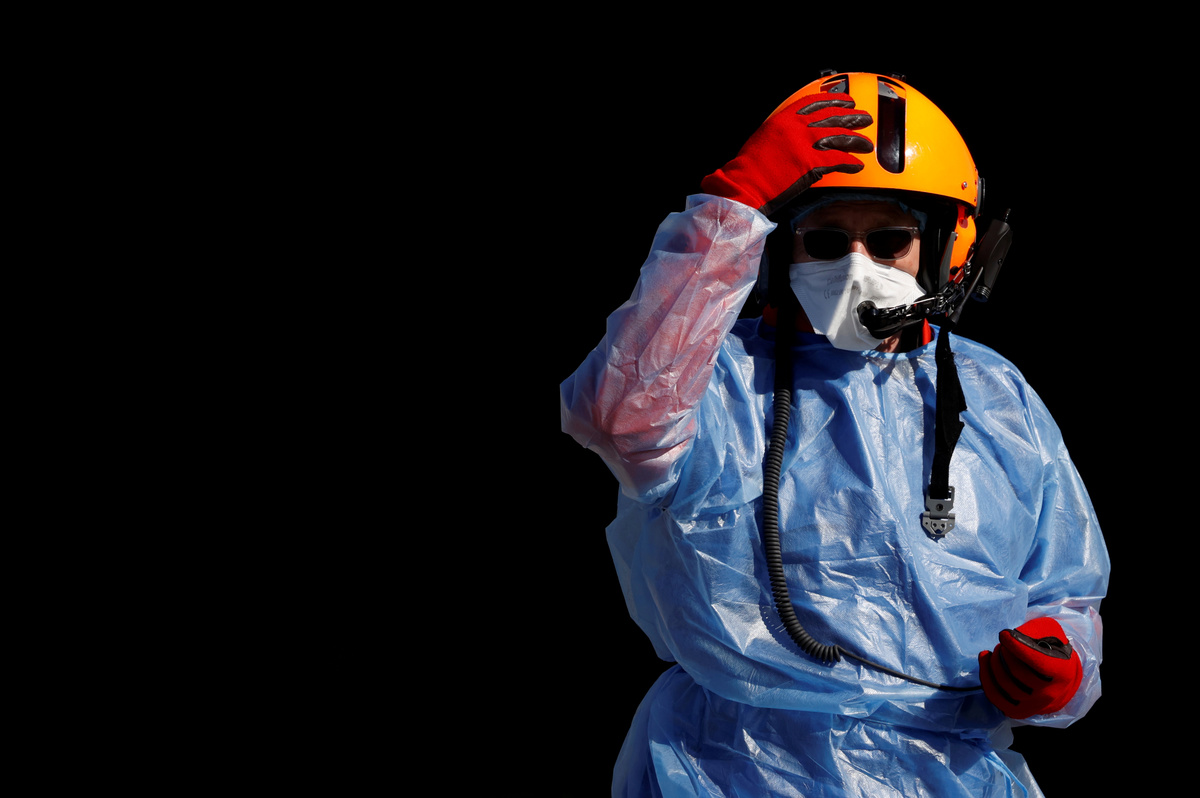
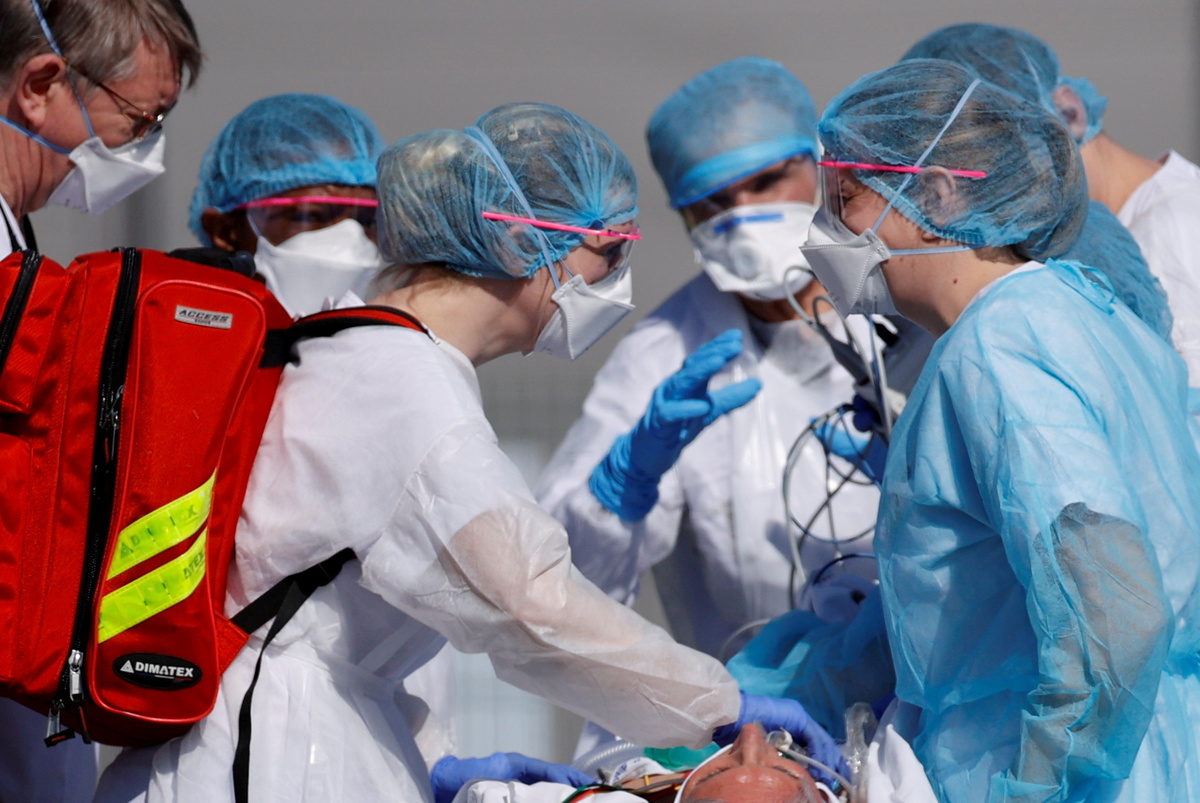
Because there are more critical cases than intensive care beds in the region, some patients have been flown by helicopter to Switzerland, Germany and Luxembourg. The French military have set up a field hospital inside green metal-framed tents.
At home in Ouagadougou, Pastor Karambiri and his wife, after falling ill on March 1, went to a local clinic, tested positive, and quarantined themselves until March 20.
At the end of his self-imposed period of isolation, he broadcast a message to his followers in a video posted on his organization's Facebook page. Sitting on a sofa, his bible on his lap and his wife alongside him, he told them about the infection.
The coronavirus, he said, is "a satanic plan conceived a long time ago to destroy the world. But God is watching over us and he will lead the people out."
(Tangi Salaun reported from Paris; Additional reporting by Gilles Gillaume, John Irish, Richard Lough, Michel Rose and Bate Felix in Paris, Paul Ortoli in Corsica, Denis Balibouse in Mulhouse, Henry Wilkins in Ouagadougou and Andreas Rinke in Berlin; writing by Christian Lowe; Edited by Sara Ledwith)