A five-day ceasefire in Yemen is expected to begin on Tuesday, offering much-needed respite for civilians who have endured almost seven weeks of Saudi-led air strikes against Iranian-backed rebels.
The humanitarian ceasefire proposed last week by the Saudi foreign minister was accepted over the weekend by the forces allied to the Houthi rebels, who took control of Yemen’s capital, Sana’a, last year.
“Based on the efforts of some friendly nations to reach a humanitarian ceasefire, during which the aggressive blockade is lifted and trade ships are allowed to reach Yemeni ports, and the path is opened for humanitarian assistance, we declare our agreement to the humanitarian ceasefire that begins on Tuesday,” said Sharaf Luqman, a spokesman for Yemeni army defectors who have allied with the rebels.
Luqman said any breach of the ceasefire by al-Qaida and its supporters would risk retaliation, an implicit reference to the Saudi-led coalition and its allies on the ground in Yemen, which the Houthis accuse of funding and backing al-Qaida.
A statement by the political council of Ansar Allah, another name for the rebels, said the group would respond positively to any efforts to end the humanitarian suffering of Yemenis.
But on Monday the Houthis claimed to have shot down a coalition aircraft, a development that could scupper the ceasefire. Al-Masirah, a Houthi-backed TV channel, said tribesmen had shot down a warplane in Sa’ada, the stronghold of the rebels. It was unclear what happened to the pilot.
The Saudis bombarded the province over the weekend in response to cross-border attacks by the rebels, declaring that the kingdom’s security was a “red line”.
Yemen has reeled from persistent air strikes by a Saudi-led coalition, launched in response to a Houthi offensive in President Abd Rabbu Mansour Hadi’s southern stronghold of Aden. Hadi is in exile in Riyadh.
The coalition accuses Iran of supporting the Houthi coup, and is fearful of its growing influence in the Middle East, from Baghdad to Damascus, Beirut and Sana’a. The Houthis belong to the Zaydi sect of Shia Islam.
But the war has not reversed the advance of the Houthis and their allies, troops loyal to former Yemeni president Ali Abdullah Saleh, who was ousted in a deal brokered by the Gulf states after Arab spring-style protests.
Street battles continue to rage in Aden, where a local resistance movement of Hadi loyalists has emerged.
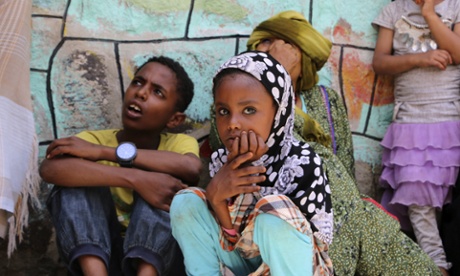
The war has plunged Yemen, the Arab world’s poorest country, into a humanitarian crisis, with hundreds of thousands displaced and more than 1,400 killed since the violence escalated almost seven weeks ago. The country faces shortages in foodstuffs, medicine and fuel used to run generators in hospitals hit by power cuts.
Humanitarian organisations said they would have to halt life-saving assistance this week if the ongoing blockade of Yemen was not lifted.
The ceasefire was proposed by the Saudi foreign minister, Adel al-Jubeir, after a meeting with the US secretary of state, John Kerry, who also backed the move.