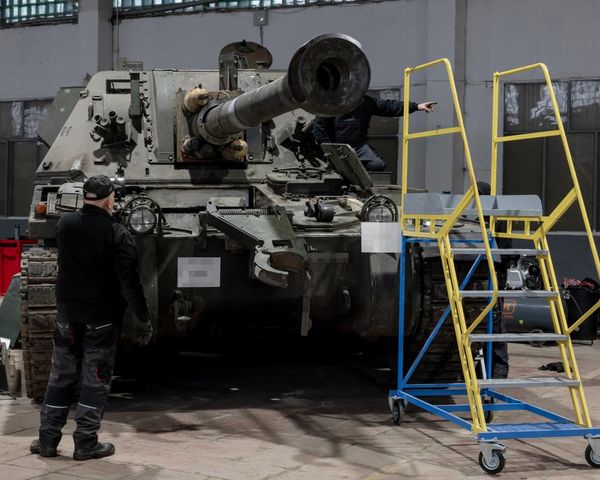
Five journalists in Myanmar (formerly Burma) have been sentenced to 10 years in prison for "disclosing state secrets" after their newspaper reported on the building of an alleged chemical weapons factory.
Their trial began in February following the article's publication the month before. Their paper, the Unity Journal, has been forced to close due to the costs needed to organise the defence of the five men.
They are Unity Journal's chief executive, Thin San, and four editorial staff: Lu Maw Naing, Yarzar Oo, Paing Thet Kyaw and Sithu Soe.
They were convicted under the 1923 Burma State Secrets Act, a law enacted when Myanmar was still a British colony (it became an independent republic in 1948).
Tin San's lawyer, Kyaw Lin, said the verdict was "totally unfair", adding: "These people are not spies... They were just reporting."
The Vienna-based press freedom watchdog, the International Press Institute (IPI), has called for the men's release. Its senior press freedom adviser, Steven Ellis, said: "These convictions and sentences represent a step backward for Myanmar and we urge that these five journalists be released immediately."
IPI argues that the convictions represent a major blow to reforms promised by Myanmar's president, Thein Sein. After he took office in March 2011, he promised a free and independent news media.
But he appears to have changed his mind. The New York Times reported that he said in a recent speech: "If media freedoms are used to endanger state security rather than give benefits to the country, I want to announce that effective action will be taken under existing laws."
The report that prompted the mens' arrest quoted factory workers as saying that chemical weapons were being produced at the factory in Pauk, a town in Myanmar's largest region of Magway. It also claimed that Chinese technicians were often seen at the factory.
Myanmar's deputy information minister, Ye Htut, denied allegations that the factory was producing chemical weapons.
"It is a factory producing defence materiel for the defence ministry, but does not make chemical weapons," he said in a statement to Radio Free Asia.
Sources: IPI/Reuters/AP via Al-Jazeera/New York Times/Radio Free Asia