
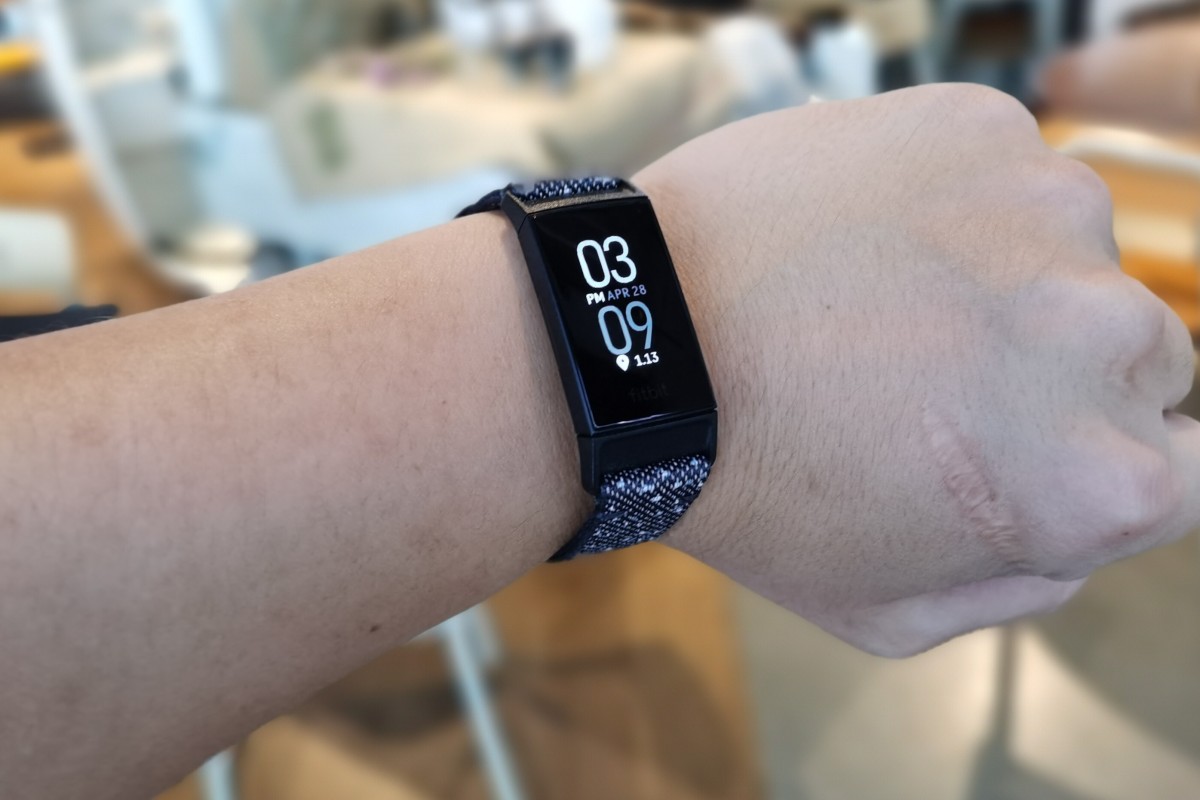
After dabbling in smartwatches with its excellent Versa line, Fitbit has returned to its flagship fitness tracker with the Charge 4. We examine some of its upgrades and drawbacks.
Design and hardware
The Fitbit Charge 4 is, at just half an inch (12.5mm) at its thickest point and weighing 30g, one of the slimmest and lightest fitness trackers around.
This streamlined design is aided by the removal of the physical button that has been seen on past Fitbit devices. In its place is a pressure-sensitive “haptic button” that does the job without protruding from the side.
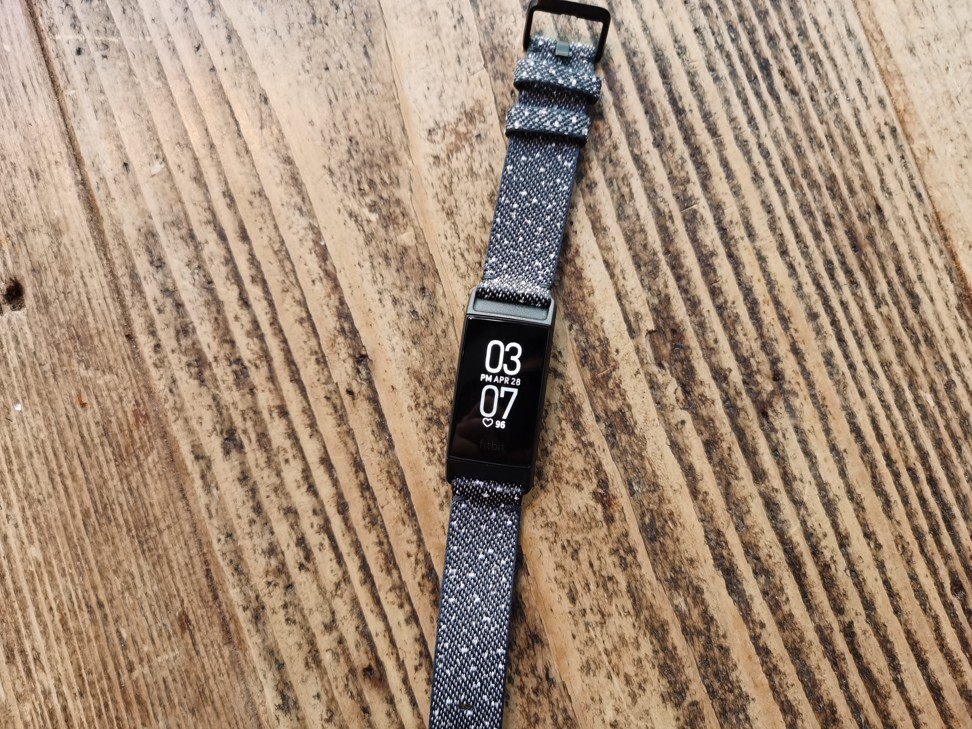
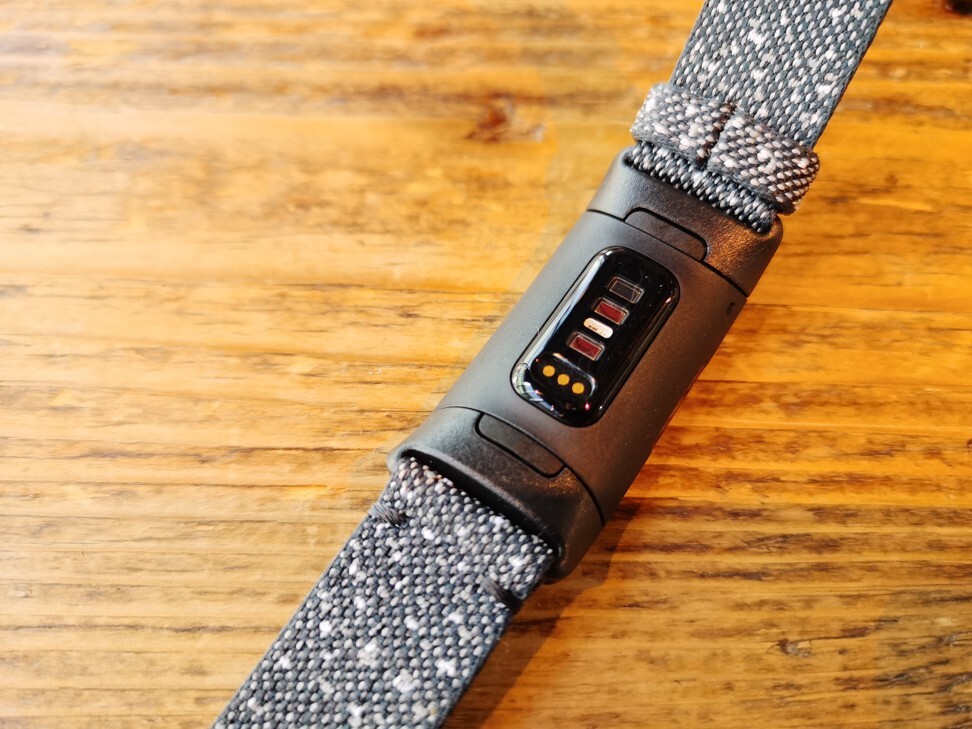
The model I tested comes with a patterned woven band instead of a rubber strap, which helps the tracker look more like an accessory than a gadget.
The 1-inch black and white screen is something of a letdown, as its rival products offer colour screens at the same price point.
The Charge 4’s screen isn’t that bright, either, making it hard to see under direct sunlight. It is, however, very responsive to swipes and taps.
Software and features
Fitbit’s software has for years been one of its strong points, and that’s still the case here. The Charge 4 tracks steps, the number of stairs climbed, heart rate, and sleep very accurately. The last is my favourite feature, with the Charge 4 providing in-depth analysis of my sleep cycles.
Another new feature is the ability to track “Active Zone”, a metric that considers the user’s age, weight and lifestyle, and determines the level of activity needed to burn fat.
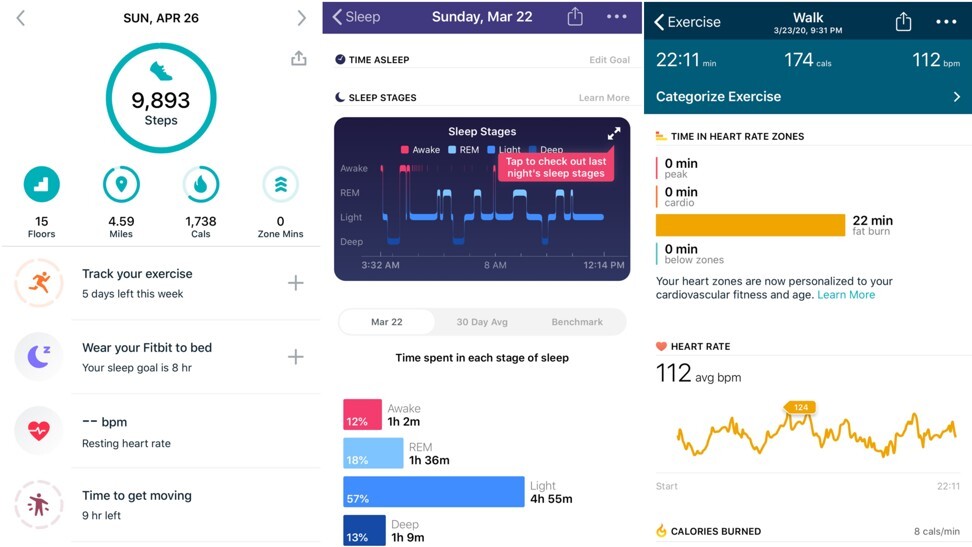
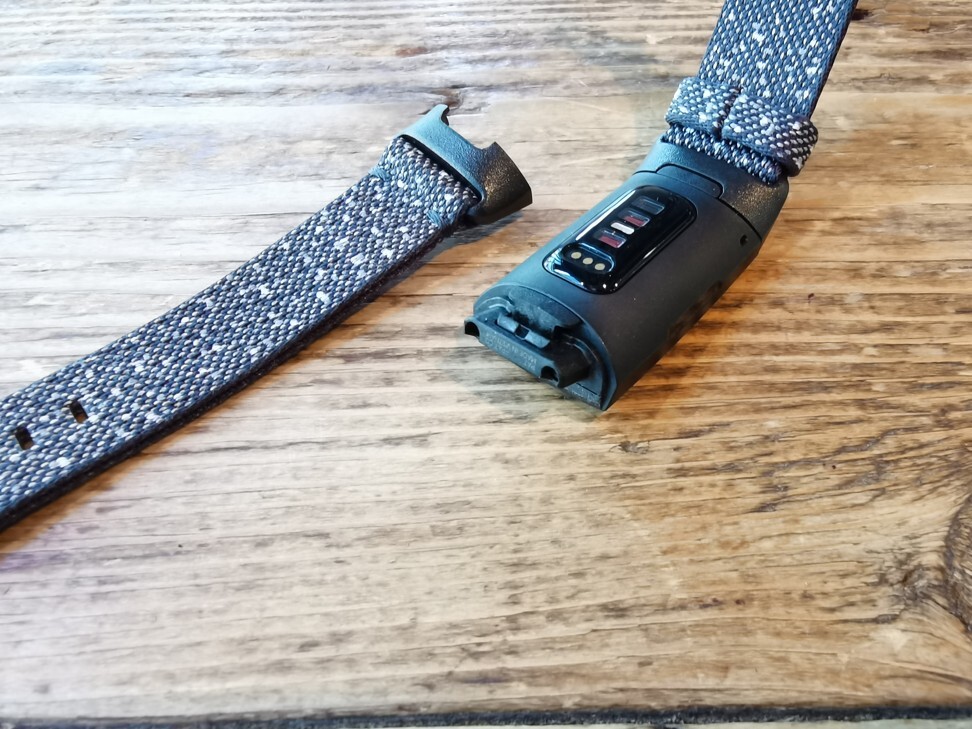
There is also a new GPS sensor that allows joggers and cyclists to track their workouts without the use of a phone, and it is water resistant to up to 50 metres (164 feet).
Connectivity is slightly unreliable. The initial pairing process to my Samsung Galaxy S20 Ultra took about 10 minutes and it took another five minutes to pair when I tried to sync it to another phone. Trackers and smartwatches from other brands sync much faster.
This is not a new problem – I’ve had this issue with Fitbit devices before, and there are many other users online who have the same complaint.
Performance and battery life
A fully charged Charge 4 can last seven days. Beyond fitness tracking, it can mirror notifications from smartphones, as well as control music playback from Spotify if the user is subscribed to the platform’s premium services.
There are two performance issues that, to me, hinder the overall usage experience. The Charge 4’s “raise to wake” functionality doesn’t work well – even dramatically raising my arm and wrist to head level only activates it half the time. This means the only reliable way to wake the Charge 4’s screen is to press the haptic button or to double tap the screen – actions impossible to do single-handedly.
The second problem is that once the Charge 4 has started tracking a workout, it cannot do anything else, such as checking the time or changing the track that’s playing.
Both of these could be fixed down the line via software updates but, as it is now, they are flaws in what is otherwise a polished package.
Conclusion
As a fitness tracker, the Charge 4 is packed full of features and gets the job done. However, its price of HK$1,328 (US$171) is a bit odd, considering the Versa 2 costs less, at HK$1,299.
Yes, the Versa 2 is an older product, but it can do all the same things as the Charge 4 except stand-alone location tracking because of the lack of GPS functionality. In exchange, you get a more vibrant colour screen, and smart features like the ability to respond to WhatsApp messages and read snippets of emails.
There are only two reasons to get the Charge 4 over the Versa 2: if you value the smaller/sleeker form factor, or if you really need the on-device GPS tracking.