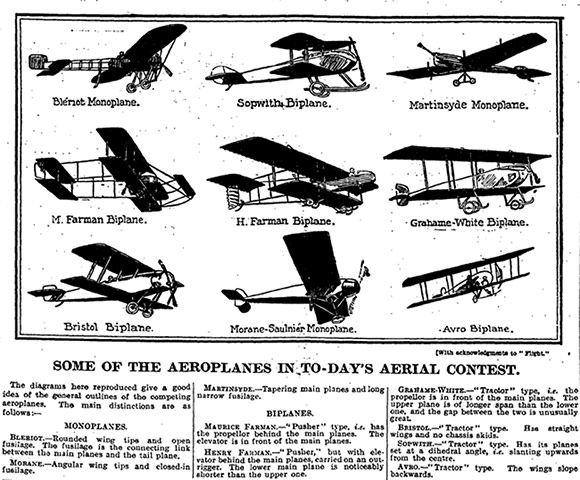
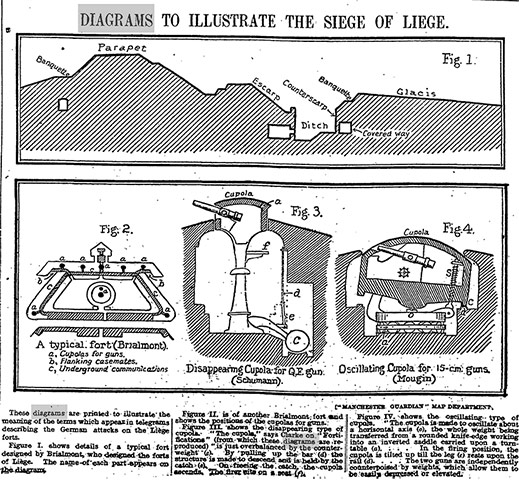
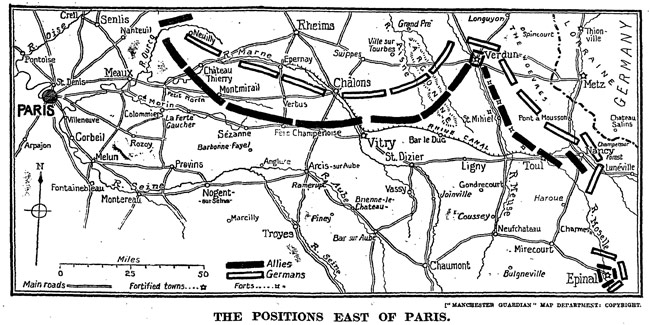
June 20, 1914: guide to the latest aircraft taking part in an aerial competition. Britain was on the brink of war here - four years later, aircraft had changed beyond recognitionPhotograph: GuardianAugust 10, 1914: Siege of Liege. Tiny Belgian force fought off the invading German army for twelve days. The then-innovative forts held up a German force of 320,000 - the Belgians only had 70,000 men. Britain had declared war on Germany on August 4, 1914Photograph: GuardianSeptember 10, 1914: A month after Britain's declaration of War and the Germans near Paris. The Manchester Department's map department explains it in two columns. As the war progressed, the team increasingly had to portray areas of the world of which their readers would be unlikely to have known much or to have visitedPhotograph: Guardian
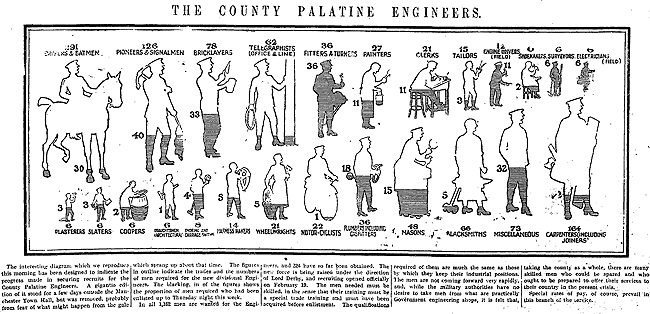
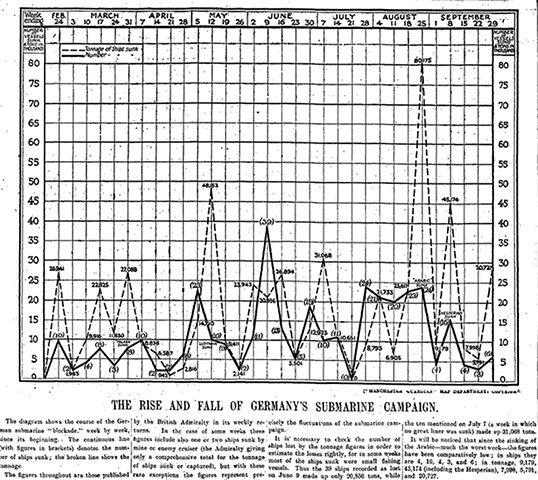
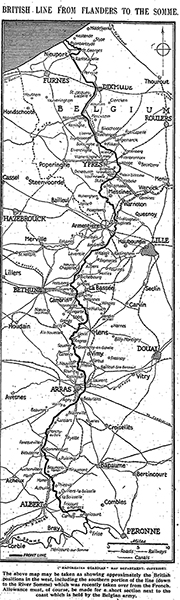
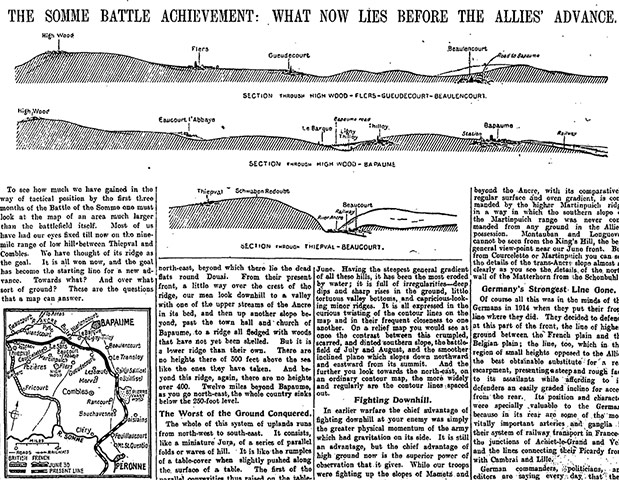
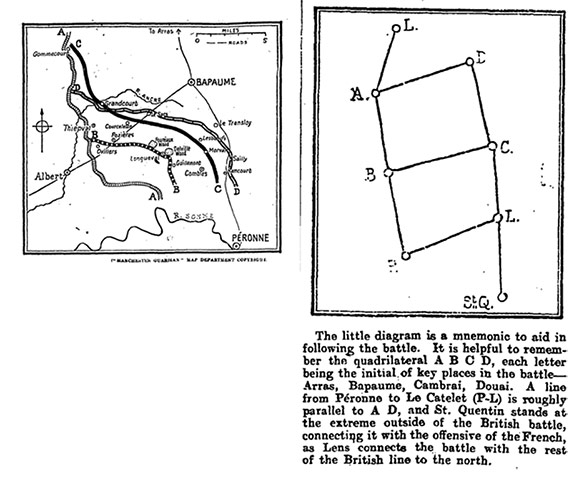
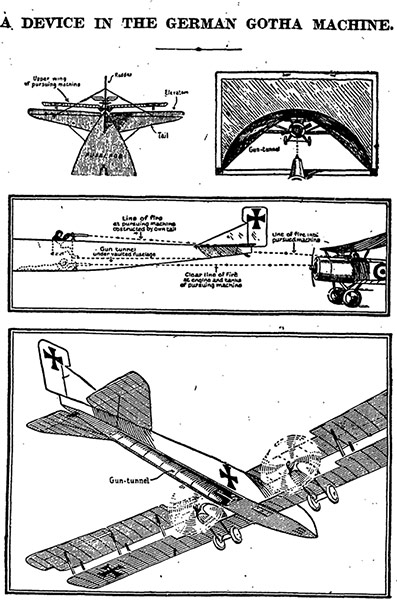
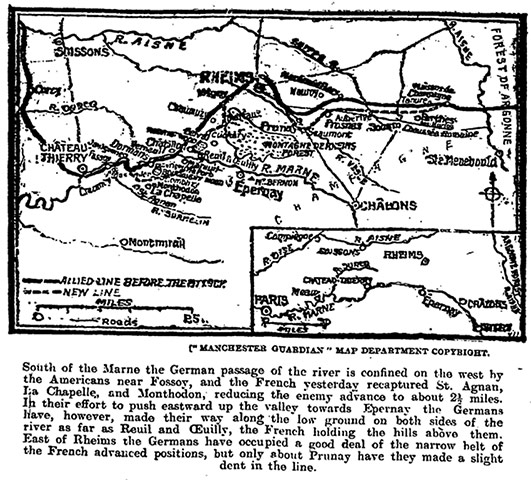
March 6, 1915: Infographic as recruiting poster. This was originally displayed outside Manchester Town Hall - and was updated each day to show how many people the regminet was short of in each occupationPhotograph: GuardianAugust 28, 1915: Russia's campaign explained. Imagine you're working for the Manchester Guardian's map department and you have to explain a complicated military campaign in a single column. This is how they did it in 1915 - with an abstract series of arrows and bars illustrating the movements of the troopsPhotograph: GuardianOctober 6, 1915: the rise (and fall) of Germany's submarine campaign. The worst week was the 25 August 1915 - with the sinking of the SS Arabic by the U-24 and the loss of over 80,000 tonnes - and 44 passengers and crew, 3 of whom were AmericanPhotograph: GuardianMay 26, 1916: The British front line, from Niueport to Peronne. It was to remain much unchanged for two yearsPhotograph: GuardianOctober 18, 1916: The Somme Battle achievement: what now lies before the Allies. It had started on July 1, 1916 - by this stage of the battle British and French forces had suffered major losses as the battle ground to a halt. This shows what was still to come as the battle ground on for another two months. Bigger versionPhotograph: GuardianMay 1, 1917: As the war progressed, the Guardian map department were busy, having to squeeze the complexities of war into the tiny spaces they had available. These charts accompanied a detailed analysis of the battles around Bapaume and Thiepval - the crux of the fighting according to the author: "Victory here defeats not only ythe German army but also the German fleet". This had already been the scene of a major part of the Battle of the Somme operations - and the scnee of conflict again in the Second Battle of Bapaume in 1918, won by Australian and Canadian troopsPhotograph: GuardianJuly 27, 1917: A device in the German Gotha machine. By 1917, the air war had begun in earnest and the large bombers - the Gothas had hit London by this point of the war - were particularly vulnerable to fighter attack. This shows a new device introduced by the Germans to protect them in their blind spot.Photograph: GuardianJuly 17, 1918: End of the batle of the Marne. It was close to the end of the war but the last big German pushPhotograph: Guardian
Sign up to read this article
Read news from 100’s of titles, curated specifically for you.