Months after winding down the penny, U.S. lawmakers are eyeing making big changes to the nickel — as well as how Americans pay for goods with cash.
The Senate passed the “Common Cents Act” with unanimous consent on August 7, about a month after a similar version of the bill passed in the House. However, since the House and Senate passed two different pieces of legislation, an identical bill must still clear both chambers before it can be sent to President Donald Trump.
The new Common Cents Act would codify the end of penny production after the U.S. minted its final batch of coins for circulation in November 2025. It would also provide some much-needed guidance for businesses on how to operate without the once-essential one-cent coin.
While the days of purchasing something for a single cent are long gone, no framework was provided to businesses or retailers for how to move forward without the penny. As a result, some retailers rounded prices after the penny was discontinued to avoid short-changing people.
The bill would make it possible for retailers to round cash transactions to the nearest five cents when they are unable to provide exact change to a customer.
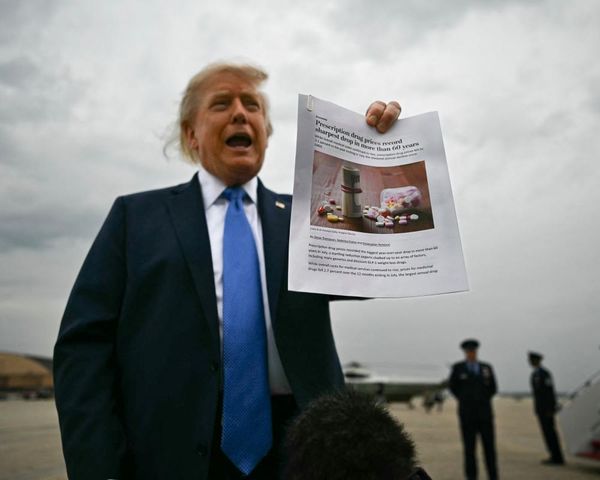
The production of the penny was halted last November after Trump called it “wasteful,” as each penny costs 3.69 cents to produce, according to the U.S. Mint, which said the country lost $83 million producing them in a year.
If enacted, cash totals that end in one, two, six or seven cents can be rounded down to the nearest amount divisible by five. Meanwhile, totals ending in three, four, eight or nine cents can be rounded up.
The approximately 300 billion pennies currently in circulation will remain legal tender, even though they are rarely essential for financial transactions.
However, transaction totals for electronic, credit card and debit card payments would remain exact.
Currently, rounding is still governed by state law, and retailers may be vulnerable to litigation if they are unable to provide customers with exact change — even if they end up rounding down in favor of the customer.
Several groups that support businesses and retailers were in support of the bill.
The National Grocers Association, the trade association representing the independent supermarket industry, applauded the legislation, saying it provides retailers “with a clear legal authority and protections to round cash transactions to the nearest nickel after the end of penny production in 2025.”

“Independent grocers serve millions of Americans each day and the sudden shortage of pennies has caused significant operational difficulties and regulatory uncertainty for retailers,” Stephanie Johnson, NGA senior vice president and head of government affairs, said in a statement. “The Common Cents Act establishes clear, consistent guidelines businesses need to handle cash transactions fairly and efficiently while minimizing inconvenience for consumers.”
The National Restaurant Association also lauded the legislation, noting that one in four restaurant transactions are paid for with cash — making the end of penny production particularly chaotic for the industry.
“Restaurants need clarity on how to manage the phase out of the penny, and customers deserve consistency when using cash to pay for their meals,” said Sean Kennedy, the Chief Advocacy Officer at the association.
“This is a meaningful win for every restaurant operator and small business owner who has spent months navigating this challenge without a road map.”
The penny isn’t the only coin covered by the legislation. The nickel, the U.S. five-cent coin, may be next on the chopping block.
Similar to the penny, nickels are expensive to produce. Each nickel costs 13.8 cents to make, meaning the U.S. loses about eight cents for each nickel made, compared to the 3 cents it lost per penny.
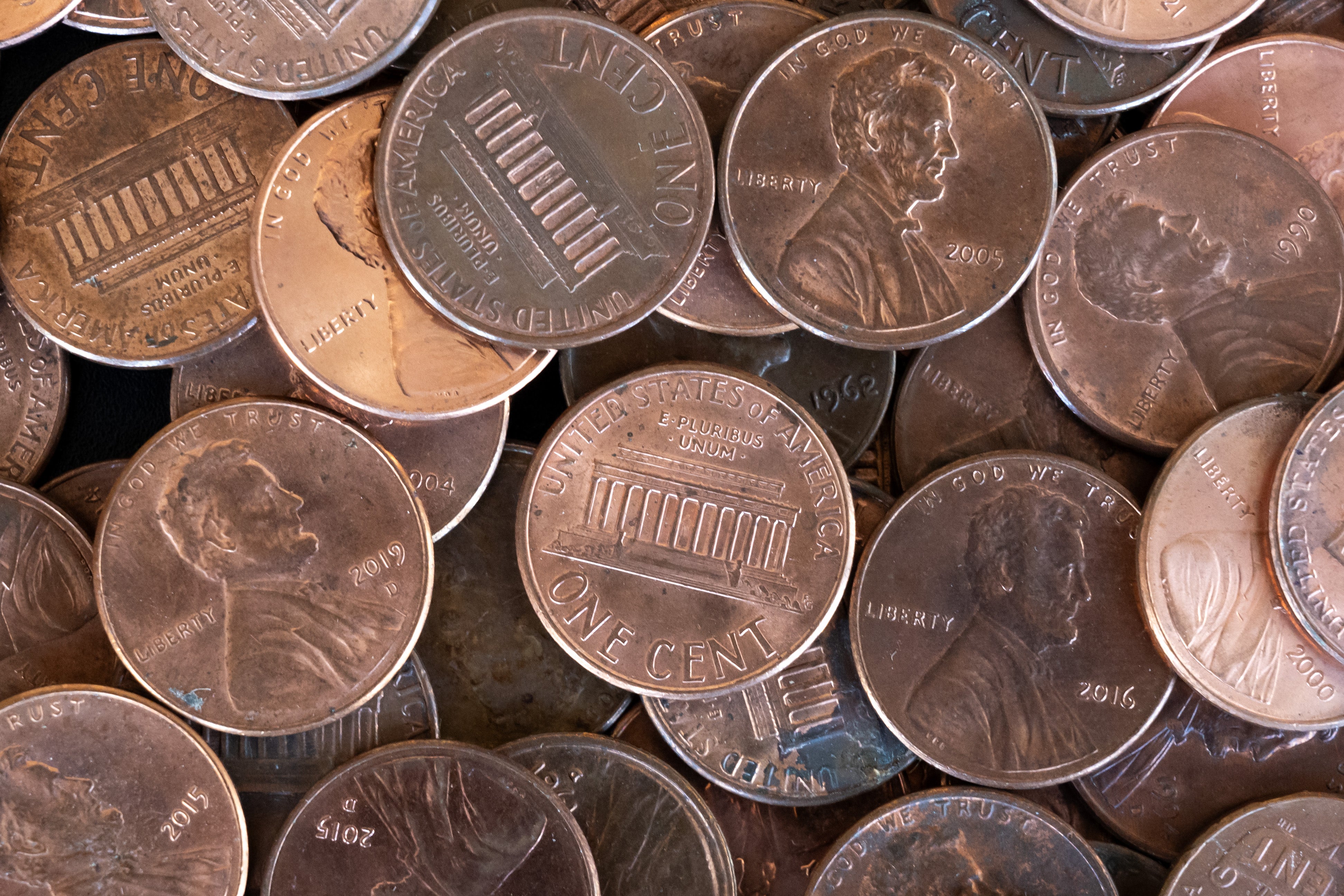
Nickels are made of about 75 percent copper and 25 percent nickel, which is part of the reason why the coins have become so expensive to produce. On top of that, getting rid of the penny may drive up the demand for nickel production.
Americans for Common Cents, a pro-penny production group, has previously argued that the savings from getting rid of pennies may just go to making more nickels.
“Without the penny, the demand for nickels would rise to fill the gap in small-value transactions,” the group previously said in a statement to CNN.
However, if the Common Cents Act becomes law, the Treasury will be allowed to test and see if it can lower the cost of the nickel.
A new design would just be subject to “testing and evaluation” to determine it cuts cost and “has a minimal adverse impact on machines designed to accept coins.”
As of now, the nickel is not yet changing and remains legal tender.
However, another bill, H.R. 1270, which would suspend the production of the nickel, remains stalled in a House committee.