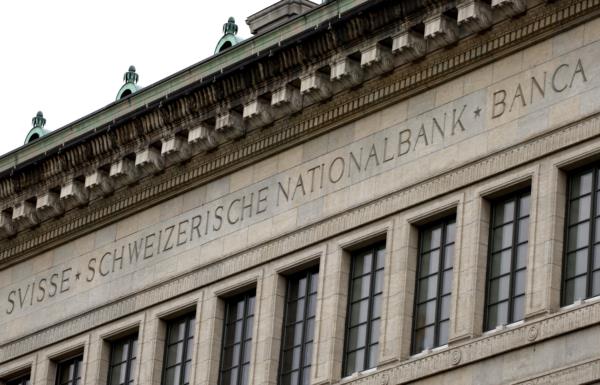
In March, a significant event occurred in the global financial landscape as the first major central bank rate cut took place. This move is being seen as a pivotal moment signaling a turning point in the economic cycle.
The decision to cut interest rates by a major central bank is a significant indicator of the current economic conditions and the outlook for the future. Central banks play a crucial role in shaping monetary policy and influencing economic growth and stability.
By lowering interest rates, central banks aim to stimulate borrowing and spending, which can help boost economic activity. This can be particularly important during times of economic slowdown or uncertainty.
The rate cut in March is likely a response to various factors affecting the global economy, such as trade tensions, geopolitical risks, and slowing growth in key markets. Central banks often use interest rate adjustments as a tool to address these challenges and support overall economic health.
Market analysts and investors closely monitor central bank decisions and their implications for the broader financial markets. The timing and magnitude of rate cuts can have significant effects on currencies, stock markets, and bond yields.
While the first major central bank rate cut in March may mark a turning point in the economic cycle, it is important to continue monitoring developments in the global economy. Central banks will likely continue to assess the situation and make further policy adjustments as needed to support sustainable growth and stability.