
First impressions happen fast. A dirty entrance or smelly restroom can drive people out. Customers often turn away before they even speak to staff or browse products.
Many business owners fail to see how much this affects reputation. Cleanliness influences how customers judge professionalism, safety, and reliability. Untidy spaces suggest carelessness, lack of hygiene, or even poor service. These signals damage trust and reduce repeat visits.
Professional janitorial services solve this issue with expert care and consistent upkeep. They help keep entry points, floors, restrooms, and workspaces clean at all times. With a reliable cleaning plan, your business can build customer trust from the start.
Recognizing the High Stakes of Customer Perception
Customers judge your business by what they see first. Clean floors, windows, and surfaces build trust fast. Dirty areas suggest low standards and poor management.
In retail stores, clutter and grime reduce shopping time. Shoppers leave sooner and buy less. In restaurants, dirty tables and restrooms lower food ratings. Hotels risk negative reviews if rooms or lobbies appear unclean. Healthcare facilities lose credibility if waiting rooms or exam areas aren’t spotless.
The majority of customers value cleanliness in decision-making. Many will not return to businesses with dirty restrooms. Even small issues like dust or fingerprints harm your brand.
Cleanliness drives spending. A well-maintained space improves the customer experience. It helps you earn repeat visits and positive reviews.
Leveraging Specialized Tools and Expertise for Lasting Results
Professional janitorial teams use advanced tools to clean deeper and faster. Their equipment handles high-traffic areas, delicate surfaces, and large spaces with ease. They also use eco-friendly products that reduce harm to people and the environment.
Fort Worth janitorial services bring these capabilities to local businesses with precision and care. They understand the regional needs and tailor their approach to fit each industry. Trained staff know how to clean specific environments. Healthcare, retail, and food service each have unique needs. Janitors follow strict procedures to meet safety and hygiene standards. Their knowledge helps prevent damage and maintain quality.
Services include floor waxing for shine and protection. Carpet extraction removes dirt and odors trapped deep in fibers. Air quality checks and filter cleaning improve indoor freshness.
These tools and skills deliver long-term results. They keep your space looking new and smelling clean. They also reduce wear, saving you repair costs over time.
Addressing the Overlooked Areas That Matter Most
Customers notice what many businesses ignore. Restrooms, entryways, windows, and trash bins affect how people feel. These zones shape opinions within seconds, often without customers realizing it.
Dirty windows make your space look neglected. Overflowing trash signals poor hygiene. Entryways covered in dirt or water give off a careless image. Unclean restrooms cause discomfort and often drive people away.
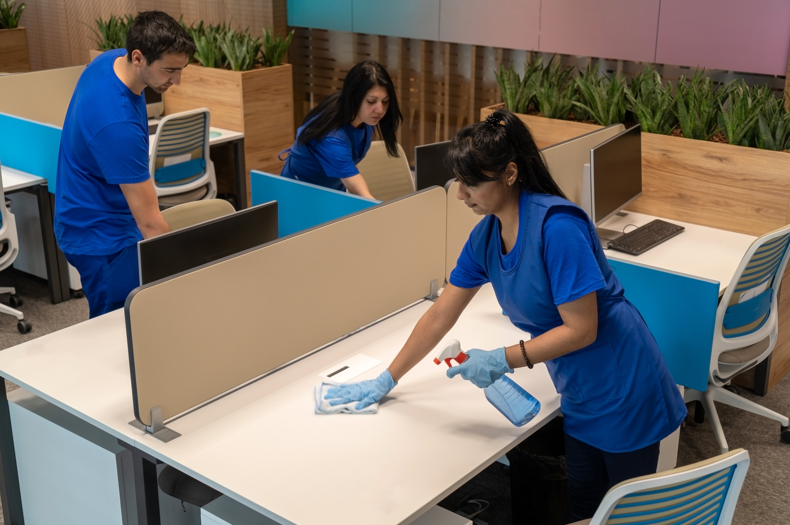
Janitorial services focus on these trouble spots. They clean restrooms thoroughly and remove odors. They wipe windows, empty bins, and maintain entrances. Their routine covers all high-traffic areas to avoid buildup.
These tasks need regular attention. A trained janitorial team works with precision and follows set schedules. They help ensure that no key area is missed or left untidy.
Aligning Cleaning Schedules With Business Traffic Patterns
Cleaning must fit your business rhythm. The wrong timing disrupts customer flow and creates confusion. Cleaning during peak hours slows service and distracts visitors.
A good janitorial plan includes off-peak and after-hours cleaning. Teams can come early to prepare spaces before opening. They can return later to reset everything for the next day. Some services even offer mid-day touch-ups for busy locations.
Flexible scheduling reduces the chance of cleaning during key moments. It helps keep public areas tidy without blocking access. Quiet tools and trained staff work discreetly when needed.
This approach keeps your space clean and welcoming at all times. It respects your operation hours while supporting a high standard. Janitorial providers adjust based on your traffic patterns and customer needs.
Enhancing Staff Productivity Through Clean Workspaces
Clean workspaces help staff stay focused and motivated. When areas are tidy, employees move freely and work faster. Clutter and mess lower morale and lead to stress.
Clean environments also support better health. Dust, germs, and mold increase sickness and sick days. Regular cleaning reduces bacteria and improves air quality. This means fewer health complaints and less absenteeism.
Healthy and happy employees give better service. They greet customers with more energy and confidence. They make fewer mistakes and respond faster. Customers notice this change and feel more satisfied.
Janitorial services help maintain these standards. They keep staff areas clean and well-stocked. They support a healthy work culture that benefits both workers and customers every day.
Creating a Cleaning Plan That Reflects Brand Standards
Your business look and feel should extend to cleanliness. Janitorial services can match their work with your brand values and design. This includes how spaces look, smell, and function for customers.
Cleaners can use scents that support your brand mood. A calm spa may choose lavender. A fresh café may prefer citrus. Bathroom lighting and decor can also reflect your theme. These small details build a strong customer experience.
Uniformed cleaners add to a professional image. Their appearance and behavior show your commitment to quality. Trained teams follow detailed checklists tailored to your brand’s layout and traffic.
Every cleaning plan should fit your exact needs. Custom service helps you protect your image and meet customer expectations at every level.
Conclusion
Every customer senses your space the moment they enter. They notice odors, clutter, and dust. Cleanliness affects their comfort, trust, and decision to return. A poor impression often means lost sales and missed chances.
Walk through your business like a new visitor. Check the entry, restrooms, and floors. Look at what your customers see and feel. Take notes and identify what needs improvement. Cleanliness is not just visual—it shapes your full brand experience.