First glimpse of deep sea dwellers in underwater mountain range
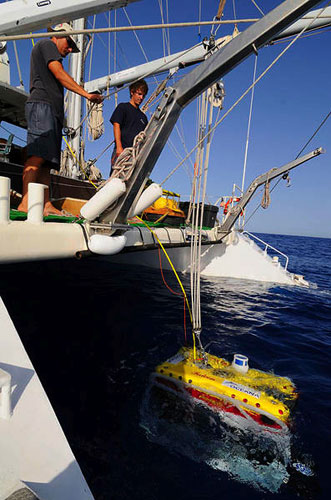
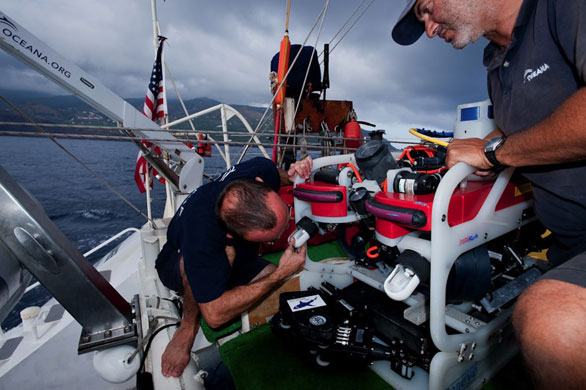
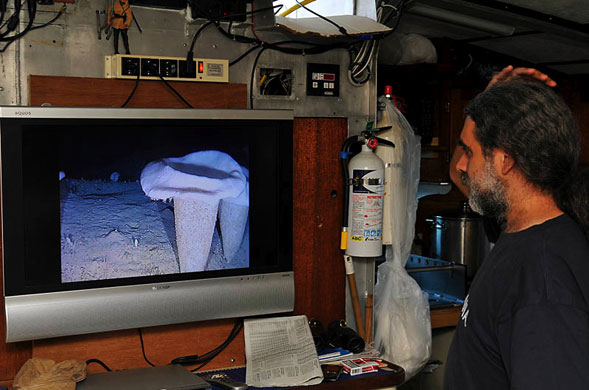
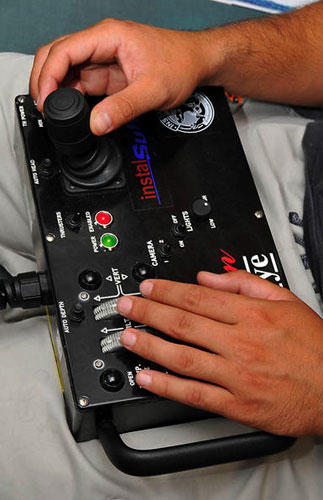
These seamounts have never previously been filmed and information about them is still scarce. The filming was carried out using an underwater robot (ROV), at depths of up to 600m, during the Oceana Ranger expedition around the Canary islandsPhotograph: Carlos Minguell/OCEANAThe remote vehicle operators will do a series of checks to prevent failures and malfunctioning. A failure at depths of over 500m could hamper the vessel with a snag on the steep underwater wallsPhotograph: Carlos Suarez/OCEANAA field of glass sponges (Asconema setubalense) at 376m depth is viewed onboard the research vessel. These sponges, which can reach up to 1m in height, are usually found off the coast of Portugal. Recently, this species has also been identified in El Cachucho, a seamount off the coast of Asturias. This is the first time this sponge has been identified in waters of the Canary islandsPhotograph: Carlos Miguell/OCEANA
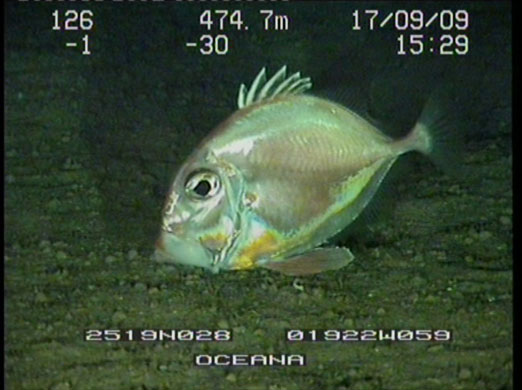
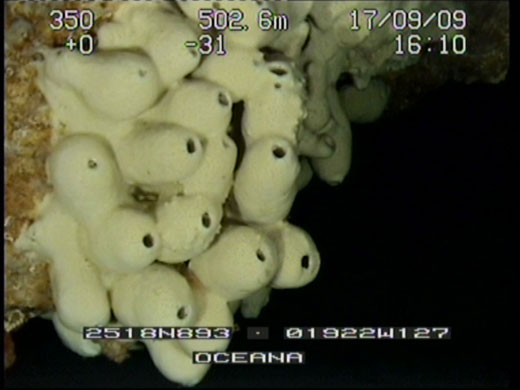
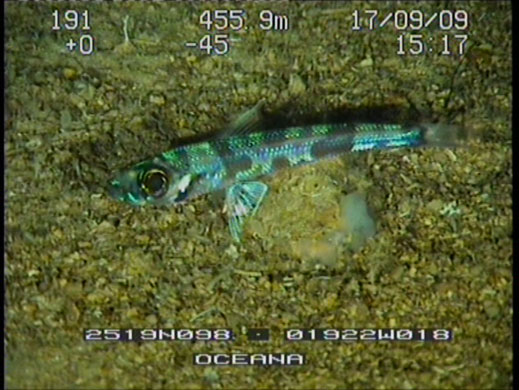
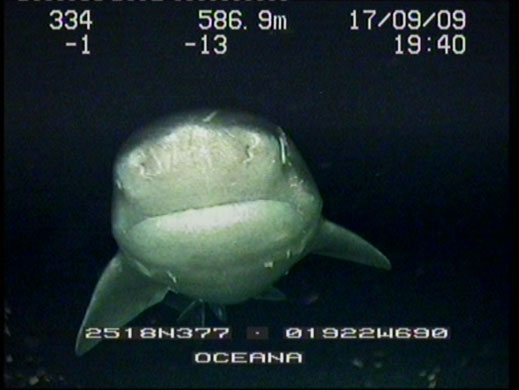
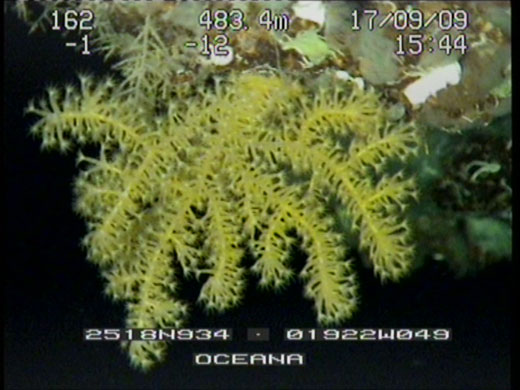
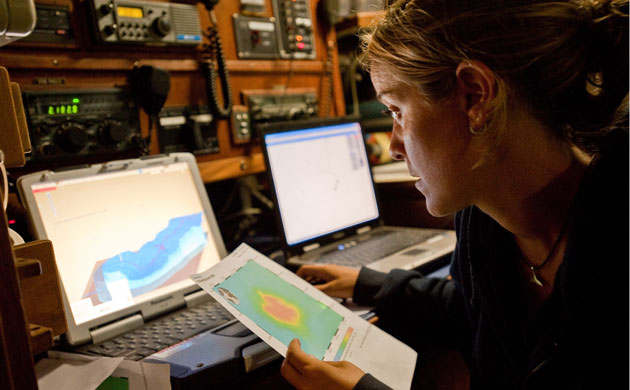
Rosy dory (Cyttopsis rosea). The Sahara seamounts are located between 140 and 190 miles south-east of the island of El Hierro. Many of them rise up from seabeds almost 4,000m deep, and some have summits just 200m from the ocean’s surfacePhotograph: OCEANAAn unidentified sponge. Echo is a seamount that is also known as Endeavour Bank, whose summit is formed of a large plateau measuring 350km sq, located between 230-350m depth, with its sides dropping up to 3,800m into the deep seasPhotograph: ROV/OCEANAShortnose greeneye (Chlorophthalmus agassizi). The first images Oceana obtained of these seamounts show rocky and sandy seabeds, volcanic in origin, including an abundance of caves, overhangs and cracks harbouring a variety of faunaPhotograph: ROV/OCEANABluntnose sixgill shark (Hexanchus griseus). The area is rich in sixgill sharks, a deep-sea shark that can reach almost 5m in length and weigh more than 500kgPhotograph: ROV/OCEANAUnidentified gorgonianPhotograph: ROV/OCEANAThe Oceana marine scientist Ana de la Torriente studying the charts of the area to be surveyedPhotograph: Carlos Suarez/OCEANAAfter filming these hidden ecosystems, the Ocean Ranger research catamaran returned to the Canary islands to continue the sampling work being carried out of the archipelago’s seabeds in collaboration with the Spanish Biodiversity FoundationPhotograph: Carlos Minguell/OCEANA
Sign up to read this article
Read news from 100’s of titles, curated specifically for you.