
The first drug claimed to slow the decline of Alzheimer’s disease could be available on the NHS by 2022 if approved by regulators in the US.
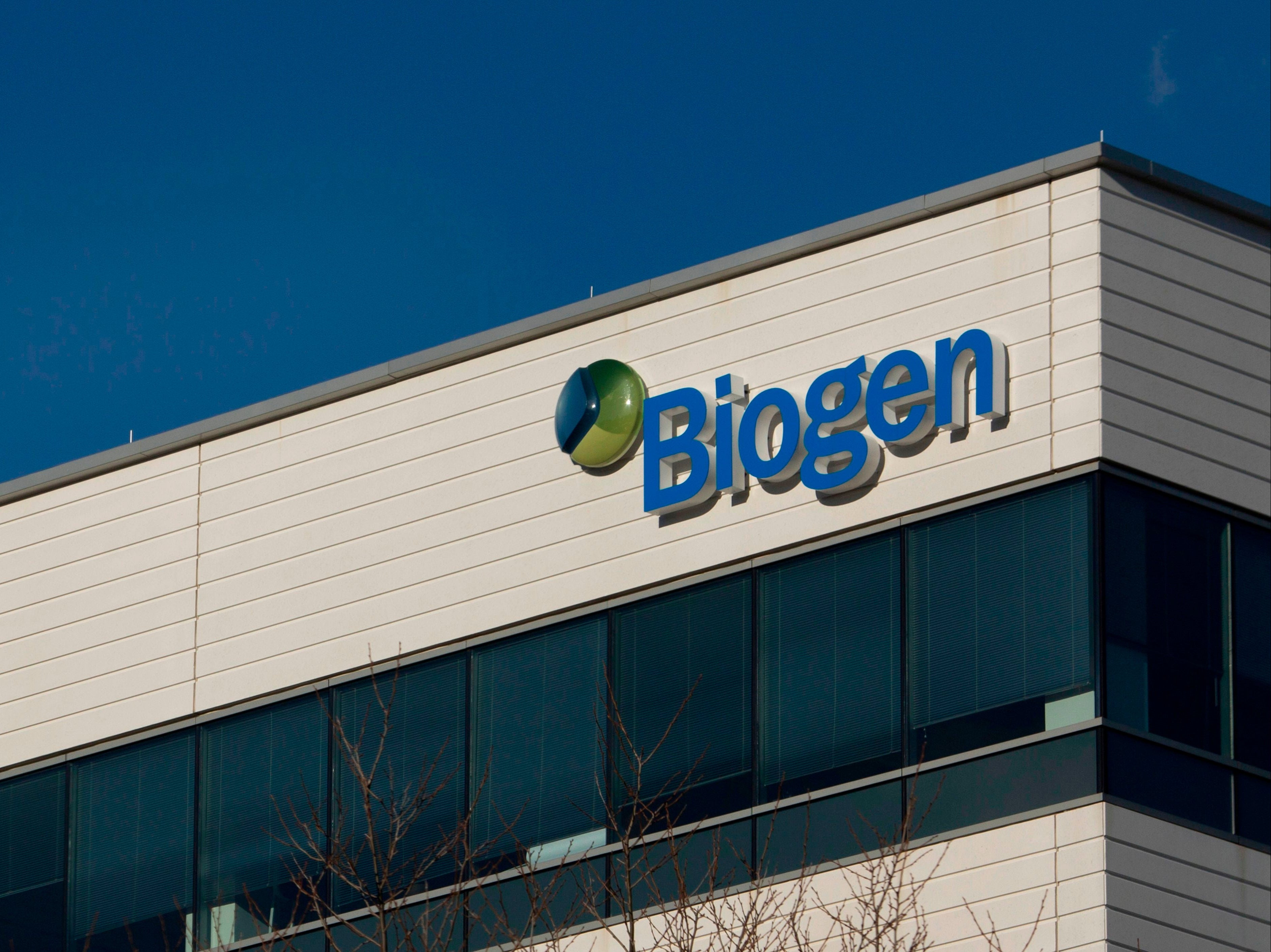
Biogen says its drug, aducanumab, would be the first treatment to “reduce the clinical decline” of patients in the early stages of Alzheimer’s disease if given the green light next month.
The treatment offers new hope to patients in the early stages of the most common form of dementia, which affects about one million people living in the UK and led to the death of EastEnders actress Dame Barbara Windsor in 2020.
The potentially ground-breaking treatment - which is the first new Alzheimer’s drug in almost two decades - does not cure or reverse the disease, but it is hoped it can modestly slow the rate of decline.
The US Food and Drug Administration (FDA) will decide on whether to approve its use on 7 June.
If given the green light, the drug could also be given the go ahead in the UK by autumn and offered on the NHS by next year, according to the Daily Mirror.
Dr Susan Kohlaas, director of research at Alzheimer’s Research UK, said the potential treatment offered “huge hope”.
She told the Mirror: “It’s really important that we start to see the first disease-modifying therapies for dementia come through.
“This could be a really important step in changing the whole research field.”
Dementia causes an ongoing decline in brain function, which can affect memory, thinking speed, speech, mood and movement.
Aducanumab, developed by Massachusetts-based company Biogen, aims to help clear harmful clumps of a protein called beta-amyloid from the brain.
Clinical studies were initially stopped last year after it appeared the drug didn’t work.
However, Biogen later said initial analysis of the results was “incorrect” and that additional datasets suggested it was effective at a high dose.
Additional reporting by agencies