During the launch of the government's white paper on public services reform earlier this month David Cameron reiterated his desire for a "big society" approach - one that would hand more power to local communities and mark an end to top-down government.
It is clear that however these reforms eventually play out there is a need to manage the various partners – in local government, the private sector and the third sector – who will increasingly come together to meet citizens' needs. For some councils, such as Hertfordshire county council, this is already happening.
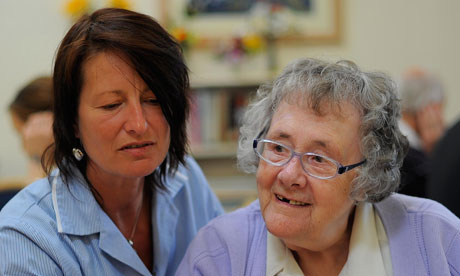
The council's First Contact service, a two-year pilot, delivers streamlined service provision for older people in Hertfordshire to ensure they have easy access to a wide range of information and support. This should enable them to lead a healthy, active life, feel safer, and become more involved in their local community. The service aims to tackle issues such as smoking cessation, improved diet and nutrition, and exercise. It also offers support through counselling for coping with bereavement, declining health or the onset of disease.
Delivering this brings together a range of providers and partners such as local community agents, health trainers and on-the-ground volunteers, mirroring the government's big society vision of services provision.
We have found that the success of this model hinges on older people accessing services through a single "gateway" rather than having to navigate numerous entry points to services. Through our "no wrong door approach" to service provision, frontline staff and volunteers deploy a checklist that helps them to identify whether the wellbeing of an individual could be improved by referring them to additional support provided by other partner agencies. This cross-referral ensures services are deployed to those most in need by the most appropriate partner.
Key to the success of this kind of service delivery is empowering all those parties who have been brought together to deliver what they are best at in a co-ordinated fashion. Community agents, health trainers and volunteers use their local knowledge to design support packages for service users which helps to create greater trust in the service provision. That, in turn, increases the likelihood that users will engage with the support available.
The results to date speak for themselves and demonstrate how bringing in various providers with the most appropriate skills can improve service delivery. After just 13 weeks the pilot found an 8% improvement in people reporting their ability to live independently, a 24% improvement in people reporting their awareness of prevention methods which could improve their health, wellbeing and quality of life, and a 36% increase in general health.
First Contact is a concrete example of how local authorities and their business partners can deliver the big society and encourage communities to embrace a new relationship with local authorities while meeting the challenge of ever tighter budgets.
But unless we work together to co-ordinate, harness and mobilise the inputs from various partners, particularly in the voluntary sector, they will remain under-utilised. In local government we need to provide platforms and incentives that enable community social involvement and boost it to far higher levels. More than this, we need to start by asking one simple question: how can we work together to improve the outcome for citizens.
John Holmes is head of local government at Vertex, the customer management outsourcer
This content is brought to you by Guardian Professional. Become a Public Leaders Network member to get our weekly update direct to your inbox